Does Your Shoe Size Change With GLP-1 Weight Loss?
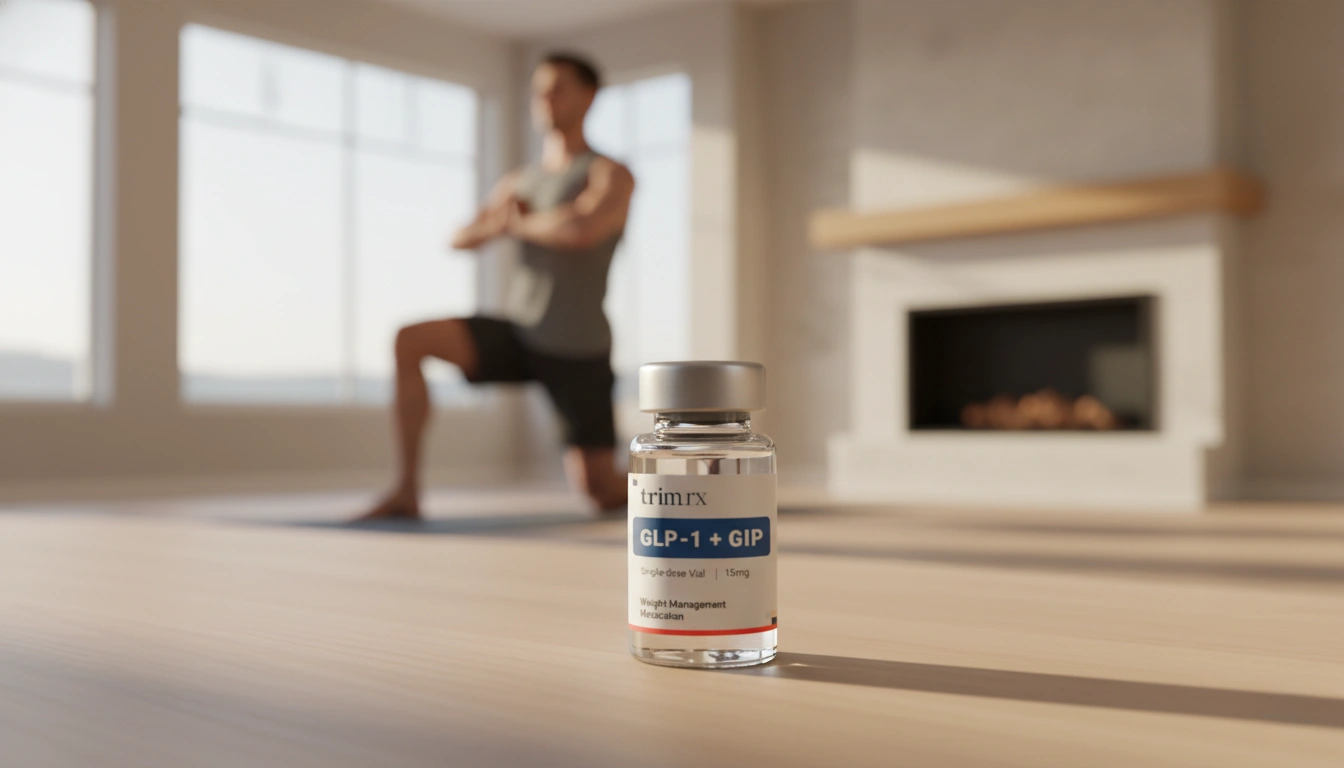
Frequently, and usually in width rather than length. Your foot bones do not change, so the underlying structure stays the same. What changes is the fat pad under the foot, the soft tissue around it, and how much fluid you retain, and those affect how a shoe fits far more than most people expect.
Many people find they go down a width, or that shoes that were snug now fit properly, while their nominal size stays the same.
What actually changes
Fat under the foot and around the ankle. There is a fat pad on the sole and soft tissue throughout the foot. Both reduce with overall fat loss.
Fluid retention. This is often the larger effect in the first months. Reduced sodium intake, lower food volume, and improving metabolic health all reduce swelling in the feet and ankles, which many people notice before anything else.
Arch support. Carrying less weight changes how the arch behaves under load, which can subtly alter fit and sometimes foot posture over time.
Not the bones. Length changes are usually small or absent. If your shoes feel much shorter or longer, something else is going on.
Consider this scenario: a patient buys new trainers in month three because their old ones feel loose, in the same size but a narrower width. By month nine those fit well and their old pair fits again with thicker socks. The change was mostly fluid and it partly stabilized. Buying an entire wardrobe of shoes at month three would have been premature.
Practical advice
Wait before replacing everything. Body changes continue for many months, and shoes are expensive. Replace what you actually need now and hold off on the rest.
Get measured properly, including width, rather than assuming your size. Most people have never had their width measured.
Measure in the evening, when feet are at their largest.
Try insoles first. A thicker insole takes up volume in a shoe that has become loose, and it is far cheaper than replacement.
Do not wear shoes that slip at the heel. That causes blisters and changes your gait, which can produce knee and hip problems.
Buy for the foot you have now, not the one you expect in six months.
The part worth taking seriously
Foot pain frequently improves substantially with weight loss, and that is one of the more immediate quality-of-life changes people report.
Carrying less weight reduces load on the plantar fascia, the joints, and the soft tissue of the foot. Our guides on GLP-1 medications and plantar fasciitis and GLP-1 medications and joint pain cover what the research shows.
If foot pain was limiting your activity, that improving is worth capitalizing on. Walking more is one of the most useful things you can add during treatment, and it becomes considerably easier when your feet stop hurting.
Swelling that does not improve
Worth flagging because it runs opposite to the usual pattern.
Contact your provider if you have:
- Swelling in your feet or ankles that is new, or that is not improving alongside weight loss
- Swelling in one foot or leg but not the other
- Swelling with shortness of breath
- Numbness, tingling, burning, or loss of sensation in your feet
- Wounds or sores on your feet that are slow to heal
- Colour changes in your feet or toes
Swelling that worsens rather than improves during weight loss is not part of the expected picture. One-sided swelling in particular warrants prompt assessment.
If you have diabetes, foot sensation and wound healing deserve routine attention regardless, and any new numbness or sore should be reported rather than watched.
The wider pattern
Feet are one instance of a general phenomenon: changes appear unevenly, and the places you notice first are rarely the places you were hoping to see change.
Hands, face, wrists, and feet often change visibly before the areas people are actually focused on. That is frustrating and it is normal. Our guide on how your body shape changes on GLP-1 medications covers the sequence, which is largely outside your control.
Use it as data
Shoe and ring fit are useful progress indicators precisely because they do not fluctuate the way the scale does.
Daily weight moves with fluid, digestion, and hormones. How things fit over months is a steadier signal. Our guide on tracking your progress on semaglutide or tirzepatide covers what is worth recording alongside weight.
For exercise specifically
If you are increasing activity, this matters more than for everyday shoes. Trainers that fit poorly cause blisters, plantar problems, and injuries that stop you exercising, which costs you more than the shoes would have.
Get properly fitted for anything you will be walking or running in regularly, and replace running shoes on their normal schedule rather than stretching them because your size might change again.
The short version
Usually width and fluid rather than length, since your bones do not change. Wait before replacing everything, get measured including width, and use thicker insoles as an interim fix. Foot pain improving is one of the genuine early wins worth using. And swelling that does not improve, or affects one foot only, is worth a call rather than a shoe shop.
If you want a provider who follows the whole picture rather than just the number, see whether TrimRx is a fit for you.
This information is for educational purposes and is not medical advice. Consult with a healthcare provider before starting any medication. Individual results may vary.

Transforming Lives, One Step at a Time
Keep reading
Best GLP-1 for Weight Loss in 2026
Choosing the best GLP-1 medication for weight loss in 2026 depends on your weight loss goals, medical history, budget, and how your body responds…

Construction Work in Summer on a GLP-1
Summer on a job site means early starts, heavy physical work, direct sun or hot interiors, and lunch from a cooler or the back…

Colonoscopy Prep on a GLP-1
If you are on a GLP-1 and have a colonoscopy, upper endoscopy, or any procedure with sedation coming up, the single most important step…


