Why Did I Gain Two Pounds the Day After My Injection?
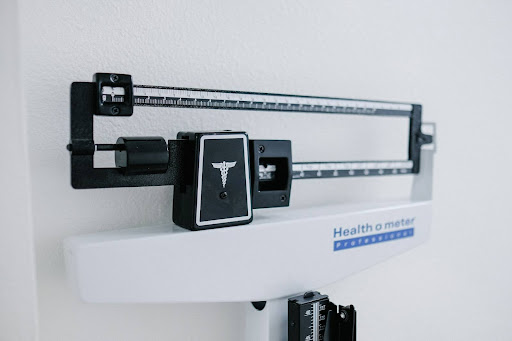
Because the scale measures everything in your body, not just fat, and the arithmetic makes fat gain essentially impossible over a single night.
A pound of body fat represents a substantial energy surplus. Gaining two pounds of it overnight would require consuming thousands of calories beyond what you burned, in a day when your appetite was suppressed. That is not what happened.
What the scale is registering is water, food and fluid still in your digestive tract, and where you are in your digestive and hormonal cycle. All of those move by several pounds within a single day for everyone, on or off medication.
What actually changed
Water. The largest contributor by far. Body water shifts with sodium intake, carbohydrate intake, hormonal cycles, heat, activity, and sleep. Multi-pound swings within a day are entirely ordinary.
Food and fluid still in transit. Anything you ate and drank yesterday that has not yet been processed and eliminated is sitting inside you and weighing what it weighs. On this medication that volume stays put longer than it used to, because gastric emptying is slowed.
Constipation. Common on this medication and a direct and underappreciated contributor. Going less often means more retained material, and that registers.
Glycogen and its water. Carbohydrate is stored with water attached. Eat more carbohydrate one day and you retain more water alongside it.
Weighing conditions. Different time of day, different clothing, different scale position, after a large drink rather than before. These add up.
Consider this scenario: a patient injects Sunday, weighs themselves Monday morning, and is up two pounds. They ate later than usual Sunday evening because of a family meal, had something salty, and have not had a bowel movement since Saturday. Three separate contributors, none of them fat, and all of them resolved within a few days.
Why injection day specifically
Some people notice this pattern reliably around their injection, and there are plausible reasons that have nothing to do with fat.
Slowed gastric emptying is more pronounced as concentrations rise in the day or two after a dose, so more is sitting in your digestive tract. Constipation frequently follows the same rhythm. And some people eat differently on injection day, whether earlier, later, or less, which shifts what is in transit when they step on the scale.
None of that is fat gain. It is the same amount of you, distributed and timed slightly differently.
What to do about it
Do not react to it. Not by eating less, not by adding exercise to compensate, and not by concluding the medication has stopped working. A single day’s number carries almost no information.
Weigh consistently or weigh less often. Same time, same conditions, ideally first thing after using the bathroom. Or weigh weekly, which removes the problem entirely.
Look at the trend over weeks. Four weeks of data tells you something. One morning does not.
Address constipation, which is both uncomfortable and a genuine contributor. Fluid on a schedule, fiber increased gradually alongside it, and regular movement. Our guide on fiber on Ozempic covers how to build up without making bloating worse.
Use other measures. Measurements, how clothes fit, and photographs over months are all less noisy than daily weight. Our guide on tracking your progress on semaglutide or tirzepatide covers what is worth recording.
Do not eat less to correct it
This is the response worth naming, because it is common and counterproductive.
Restricting further in response to a fluid fluctuation does nothing to the fluid and adds a real risk. Under-eating is already common on this medication because appetite suppression removes the prompt, and it produces fatigue, feeling cold, hair shedding, and muscle loss rather than better results.
Adequate protein and fluid matter every day, including days when the scale is unhelpful. Our guide on how much protein you need on Ozempic or semaglutide covers what to aim for.
When a weight change does mean something
Contact your provider if:
- Weight is climbing steadily over several weeks rather than fluctuating
- You have swelling in your legs, ankles, or feet
- Weight gain comes with shortness of breath
- You have gained noticeably and rapidly with no dietary explanation
- Your weight has not moved at all over a sustained period despite consistent treatment
That second and third combination matters. Fluid retention with swelling and breathlessness is a different situation from a two-pound morning and warrants prompt assessment rather than a note in your tracking app.
For the sustained-plateau version, our guide on why you are not losing weight on tirzepatide covers the causes worth investigating.
The wider point about scales
Body weight is a noisy measurement that people treat as a precise one. It fluctuates by several pounds within a day for everyone, and the fluctuation is larger than the amount of fat most people lose in a week.
That mismatch is why daily weighing frustrates people. The signal you are looking for is smaller than the noise you are measuring.
If daily weighing is making you anxious, or if a bad number changes how you eat that day, weighing less often is a legitimate and often better approach.
The short version
Two pounds overnight is water, retained food, and constipation, not fat, because the arithmetic of fat gain rules it out. Weigh consistently or weekly, judge trends over weeks, fix the constipation, and do not restrict further in response to a number that is measuring something other than what you care about.
If you want a provider who reads the trend rather than the day, see whether TrimRx is a fit for you.
This information is for educational purposes and is not medical advice. Consult with a healthcare provider before starting any medication. Individual results may vary.

Transforming Lives, One Step at a Time
Keep reading
Does Bupropion Cause Weight Gain or Loss?
Bupropion, better known by the name Wellbutrin, has been prescribed for depression for more than three decades. It is also used to treat seasonal…

Keto Diet for Beginners: Simple Guide to Get Started
The keto diet for beginners looks simple from the outside and feels messy from the inside. The rules fit on an index card: keep…

Top 5 Best Weight Loss Programs for Beginners in 2026
Starting a weight loss journey means sorting through GLP-1 medication ads, apps that gamify your groceries, and online weight management programs promising a doctor…


