Does Semaglutide Sting When Injected? Tips for a Comfortable Experience
Introduction
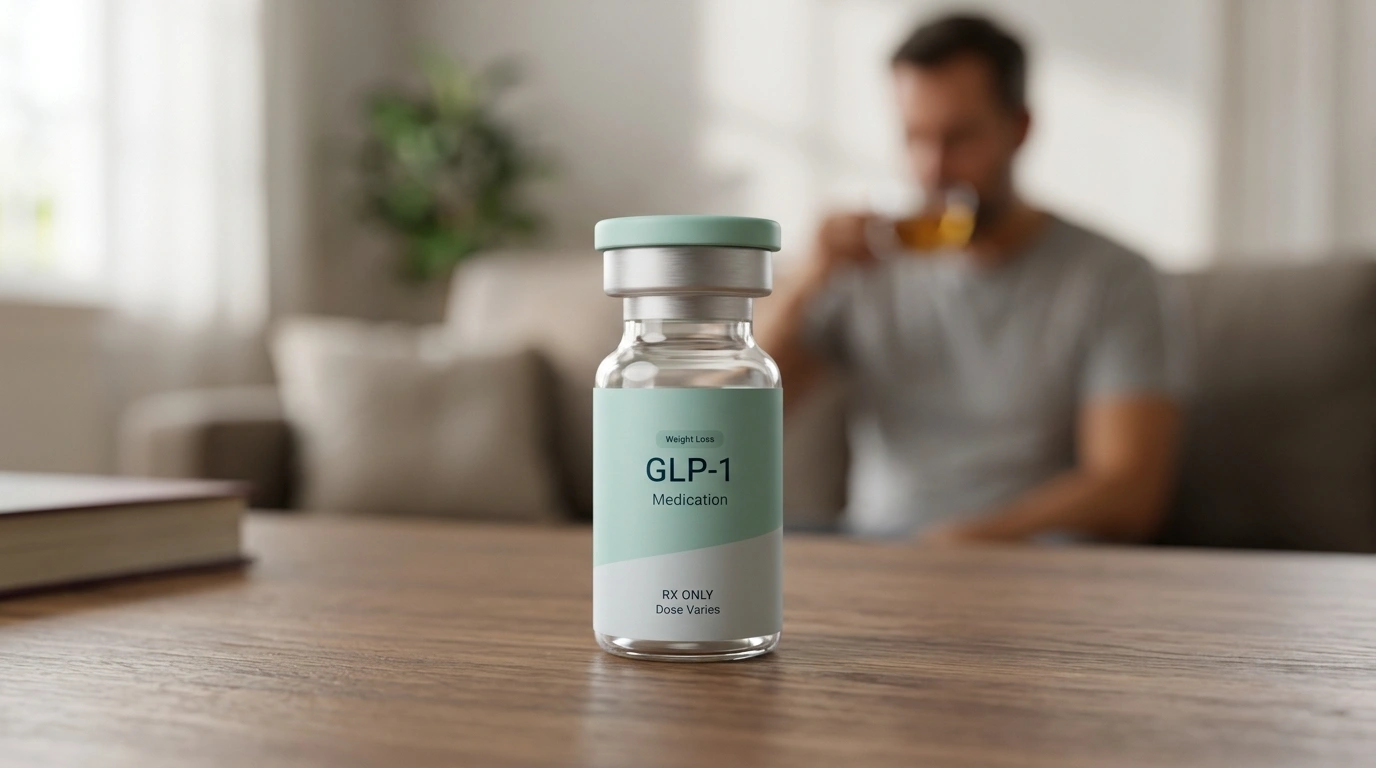
Many people starting their weight loss journey feel a mix of excitement and hesitation, especially when a new routine involves self-injection. One of the most common questions we hear from those beginning a program is: does semaglutide sting when injected? It is a valid concern for anyone who might be sensitive to needles or simply wants to know what to expect during their weekly treatment. While most individuals report that the process is relatively painless, some do experience a brief stinging or burning sensation.
At TrimRx, we understand that the clinical aspects of weight loss can feel overwhelming, which is why we focus on making every step of our personalized programs as clear and comfortable as possible. If you are wondering whether prescription GLP-1 treatment may be a fit, you can take the free assessment quiz to see what next step makes sense. This article covers why stinging occurs, how to tell the difference between a normal reaction and a more serious one, and practical techniques to ensure your experience is as smooth as possible. By understanding the science behind the injection and following a few simple steps, you can focus on your progress rather than the needle.
Quick Answer: While most people feel little to no pain, semaglutide can cause a brief stinging sensation for a small percentage of users. This is typically due to the medication’s temperature, the presence of alcohol residue on the skin, or specific injection techniques, and it usually subsides within minutes.
Is Stinging a Common Side Effect?
Most individuals using semaglutide find the injection process to be significantly easier than they initially anticipated. Semaglutide is a GLP-1 receptor agonist—a type of medication that mimics the glucagon-like peptide-1 hormone to help regulate appetite and blood sugar. Because it is administered through a very fine, short needle into the subcutaneous fat (the layer of fat just under the skin), it generally causes less discomfort than injections that go into the muscle.
Clinical data suggests that only a small fraction of people experience a noticeable burning or stinging sensation. For readers who want a broader overview of site selection and comfort, our guide to GLP-1 injection sites for all medications is a helpful place to start. For those who do feel it, the sensation is usually described as a mild, temporary “pinch” or a localized “burn” that disappears shortly after the needle is removed. It is considered a normal, albeit minor, side effect of the administration process.
Key Takeaway: Stinging is a localized, temporary sensation caused by the physical act of injecting or the medication’s composition, and it is rarely a sign of a significant medical issue.
Why Does Semaglutide Sting?
There are several biological and mechanical reasons why an injection might cause a temporary stinging sensation. Understanding these triggers can help you modify your routine to minimize discomfort.
The pH Level of the Medication
Every liquid medication has a specific pH level, which measures how acidic or alkaline it is. If the pH of a medication is significantly different from the natural pH of human tissue, it can cause a brief “bite” or sting as the liquid enters the subcutaneous space. Semaglutide is formulated to be as neutral as possible, but because it is a complex protein-based medication, its chemical composition may still cause a minor reaction in individuals with highly sensitive nerve endings in their skin.
Medication Temperature
Injecting cold medication is one of the most frequent causes of a stinging sensation. Most GLP-1 medications, including those used in programs we support, require refrigeration for long-term storage. When cold liquid is introduced into the warm environment of the human body, the temperature difference can shock the local tissues and nerves, resulting in a sharp sting.
Alcohol Swab Residue
Standard medical practice involves cleaning the injection site with an alcohol swab to prevent infection. However, if you inject before the alcohol has completely evaporated, the needle can carry a small amount of liquid alcohol into the puncture site. Alcohol is highly irritating to the deeper layers of the skin and the underlying tissue, which creates an immediate, sharp burning sensation.
Presence of Preservatives
Some formulations of semaglutide contain preservatives like phenol to maintain the stability of the medication over time. Phenol has mild anesthetic properties, but in some individuals, it can initially cause a brief prickling or stinging feeling before the numbing effect takes over. Recent studies have looked at different formulations, noting that the absence or presence of certain stabilizers like propylene glycol can also influence how “smooth” the injection feels to the patient.
Differentiating Normal Sensations from Injection Site Reactions
It is important to distinguish between a few seconds of stinging and a more formal injection site reaction. While stinging happens during the actual injection, a reaction usually develops over the following hours or days.
What is a Normal Reaction?
After your weekly dose, it is normal to see a small amount of redness or a tiny bump at the site. The body’s immune system naturally reacts to any “foreign” substance or minor trauma to the skin barrier. You might experience:
- A small, red circle around the puncture point.
- A slight “puffiness” or firm feeling at the site.
- Mild itching that lasts for an hour or two.
- A tiny bruise if the needle nicks a small capillary (a tiny blood vessel).
What is an Injection Site Reaction?
A more persistent reaction might involve localized swelling or redness that lasts for 24 to 48 hours. This is still generally considered harmless and is often just a sign that your immune system is particularly active. Many people find that these reactions happen less frequently as their body becomes accustomed to the medication over several months.
When to Consult a Healthcare Provider
While stinging and minor redness are standard, you should reach out to a professional if you notice signs of an infection or a serious allergy. These include:
- Redness that spreads or “streaks” away from the injection site.
- A site that feels hot to the touch or develops pus.
- A hard, painful lump that grows larger over several days.
- Systemic symptoms like fever, chills, or a widespread rash.
- Difficulty breathing or swelling of the face and throat (this requires immediate emergency care).
How to Minimize Discomfort: A Step-by-Step Guide
Refining your injection technique can virtually eliminate the stinging sensation for most users. Follow these steps to ensure a more comfortable experience during your weekly routine.
Step 1: Let the Medication Reach Room Temperature
Remove your medication from the refrigerator roughly 15 to 30 minutes before you plan to use it. This allows the liquid to warm up, which significantly reduces the “shock” to your tissues. Ensure the medication is kept out of direct sunlight and away from extreme heat during this time.
Step 2: Choose and Clean Your Site
Select a fatty area such as your abdomen, the front of your thigh, or the back of your upper arm. Clean the area with an alcohol swab. Crucially, wait at least 30 to 60 seconds for the skin to air-dry completely. Do not blow on the site to speed it up, as this can introduce bacteria.
Step 3: Use the “Pinch” Technique
Using your non-dominant hand, gently pinch about an inch of fatty tissue. This pulls the subcutaneous fat away from the underlying muscle, ensuring the medication goes exactly where it is intended. This often makes the skin more taut, allowing the needle to glide in more easily.
Step 4: Inject at a 90-Degree Angle
Hold the pen or syringe like a dart and insert the needle straight into the skin at a 90-degree angle. Avoid inserting the needle slowly or “hesitating,” as this can increase the sensation. A quick, firm motion is usually the least painful.
Step 5: Administer Slowly and Wait
Depress the plunger or button with a steady, slow motion. Once the dose is delivered, count to ten before withdrawing the needle. This ensures all the medication is absorbed into the tissue and doesn’t leak back out into the skin layers, which can cause irritation.
Step 6: Avoid Post-Injection Rubbing
It may be tempting to rub the area if it stings, but this can increase inflammation and cause bruising. If you feel discomfort, apply gentle pressure with a clean cotton ball or a cold compress, but do not massage the site.
Comparison of Common Injection Sites
The location you choose can play a significant role in how much you feel the needle or the medication. Subcutaneous fat has varying levels of nerve density depending on where it is on the body.
| Injection Site | Nerve Sensitivity | Ease of Access | Notes |
|---|---|---|---|
| Abdomen | Moderate | High | Stay at least two inches away from the belly button and avoid scar tissue. |
| Thigh (Front) | Low to Moderate | High | Often the preferred site for those who find the abdomen sensitive. |
| Upper Arm (Back) | Low | Low | Requires a partner or good flexibility; usually the least sensitive site. |
The Importance of Injection Site Rotation
Rotating your injection site is the most effective way to prevent long-term skin issues and discomfort. If you inject into the exact same spot every week, the tissue can become traumatized. This can lead to a condition called lipohypertrophy, which is the accumulation of extra fat or scar tissue under the skin.
For a deeper look at practical rotation patterns, you can also read our guide on how to rotate injection sites for semaglutide and tirzepatide. Lipohypertrophy creates “rubbery” lumps that can interfere with how your body absorbs the medication. If the medication isn’t absorbed correctly, it may stay near the surface of the skin longer, leading to more stinging and potentially reducing the effectiveness of your treatment. We recommend keeping a simple log or using a mental map to ensure you are moving the site by at least one inch every week. For example, you might rotate clockwise around your belly button or alternate between your left and right thighs each week.
Personalized Care with TrimRx
At TrimRx, we believe that medical weight loss should be a holistic and supported experience. We don’t just provide access to medication; we provide a platform that connects you with the resources needed to succeed comfortably. Our programs offer access to semaglutide and tirzepatide options through a care model designed to support your progress from start to finish.
If you want to see whether a supervised program is the right fit, check your eligibility with the free assessment quiz. Because every body is different, our healthcare partners work to tailor your treatment to your specific health profile. If you find that you are particularly sensitive to injections, our dedicated team of specialists is available to provide guidance on technique and comfort. We are committed to a transparent, telehealth-first approach where you can manage your health from the comfort of your home without the stress of in-person waiting rooms.
Bottom line: While semaglutide may occasionally sting, it is a manageable part of a larger journey toward metabolic health. With proper technique and personalized support, the vast majority of people find the weekly injection to be a very small and painless part of their routine.
Managing Other Localized Side Effects
Beyond stinging, some people may notice other mild sensations that can be managed with simple home care. If you experience persistent itching or minor swelling, there are several ways to soothe the area.
- Cold Compresses: Applying a cold pack (wrapped in a cloth) for 5-10 minutes after an injection can reduce swelling and “numb” any lingering sting.
- Over-the-Counter Options: For those who experience mild itching or significant redness, a small amount of hydrocortisone cream or an oral antihistamine (after consulting your provider) may help calm the immune response.
- Hydration and Nutrition: Keeping your skin healthy from the inside out supports faster healing. Drinking plenty of water and maintaining a balanced diet helps your skin maintain its elasticity and barrier function.
For those who want to support their body’s overall response to GLP-1 medications, we also offer quick-access supplements. Products like our GLP-1 Daily Support supplement are designed to complement your program by providing nutritional support as your body adjusts.
Preparing for Your First Injection
The “fear of the unknown” is often more painful than the injection itself. If you are preparing for your first dose, remember that the needle used for GLP-1 medications is typically about the thickness of two human hairs. It is designed specifically for comfort.
If you are feeling nervous, try practicing the motion with the cap still on the pen. Ensure you are in a quiet, well-lit space where you won’t be interrupted. Many people find that playing a favorite song or taking a few deep breaths before the injection helps lower their heart rate and muscle tension. When your muscles are relaxed, the needle enters the tissue more smoothly, further reducing the chance of a sting.
When to Seek a Personalized Program
If you are struggling with weight management and are concerned about the technical side of medications, a supervised program is essential. Managing these medications on your own can lead to confusion regarding dosing, side effects, and injection techniques. Through our platform, you receive a comprehensive service model that includes doctor consultations and ongoing support.
If you are new to treatment, take the assessment quiz to see whether prescription GLP-1 care is a fit. By having a dedicated team to answer questions like “does semaglutide sting when injected,” you can move forward with confidence, knowing you have professional guidance every step of the way.
Conclusion
A brief stinging sensation when injecting semaglutide is a common experience that is usually easy to fix with better technique. By warming your medication, letting the alcohol dry, and rotating your injection sites, you can make your weekly routine virtually painless. If you want more guidance on site selection and rotation, our post on should you change injection sites for Wegovy and our guide to why rotate injection sites for semaglutide can help. Remember that your comfort is a priority, and small adjustments can make a world of difference in your consistency and long-term success. At TrimRx, our mission is to help you embrace a healthier lifestyle through science, empathy, and a personalized approach that removes the guesswork from weight loss. If you are ready to take the next step toward your health goals with a team that supports you through every “pinch” and progress milestone, your journey starts with the free assessment quiz.
FAQ
Why does it burn when I inject semaglutide?
The burning sensation is often caused by injecting the medication while it is still cold from the refrigerator or by not allowing the alcohol from your prep pad to dry completely. In some cases, the pH of the medication or the specific preservatives used to keep it stable can cause a temporary stinging feeling in sensitive tissue.
How can I make my semaglutide injection hurt less?
The most effective way to reduce pain is to let the medication sit at room temperature for about 20 minutes before injecting. Additionally, ensure your skin is completely dry after cleaning it with an alcohol swab, and use the “pinch” technique to inject into fatty tissue rather than muscle. If you want a broader overview of comfort-focused technique, you can also review our guide to GLP-1 injection sites for all medications.
Is it normal to have a red bump after my injection?
Yes, a small red bump, mild itching, or slight swelling at the injection site is a common immune response and usually disappears within a few days. If the redness spreads rapidly, becomes hot to the touch, or is accompanied by a fever, you should contact your healthcare provider.
Does the injection site affect how much it stings?
Yes, different areas of the body have different nerve densities. Many people find that the back of the arm or the front of the thigh is less sensitive than the abdomen. Rotating your sites weekly is the best way to prevent localized irritation and ensure the medication is absorbed effectively. For a deeper dive, see our guide on how to rotate injection sites for semaglutide and tirzepatide.
Disclaimer: This content is for informational purposes only and does not constitute medical advice. It is not intended to diagnose, treat, cure, or prevent any disease or condition. Individual results may vary. Always consult a qualified healthcare professional before starting any weight loss program or medication.

Transforming Lives, One Step at a Time
Keep reading
Why Do My Nails Have Ridges on Semaglutide?
The direction of the ridges matters more than their presence, and it is the single most useful thing to check before worrying. Vertical ridges,…

Why Did My Resting Heart Rate Change on Semaglutide?
Because two things are happening at once and they push in opposite directions. Upward: a modest increase in resting heart rate is a recognized…

Why Do I Feel Bloated But I’m Still Losing Weight on Semaglutide?
Because bloating and fat loss are unrelated processes, and there is no contradiction between them. Bloating is gas, fluid, and slowed transit producing distension…


