Can You Inject Semaglutide Above the Belly Button?
Introduction
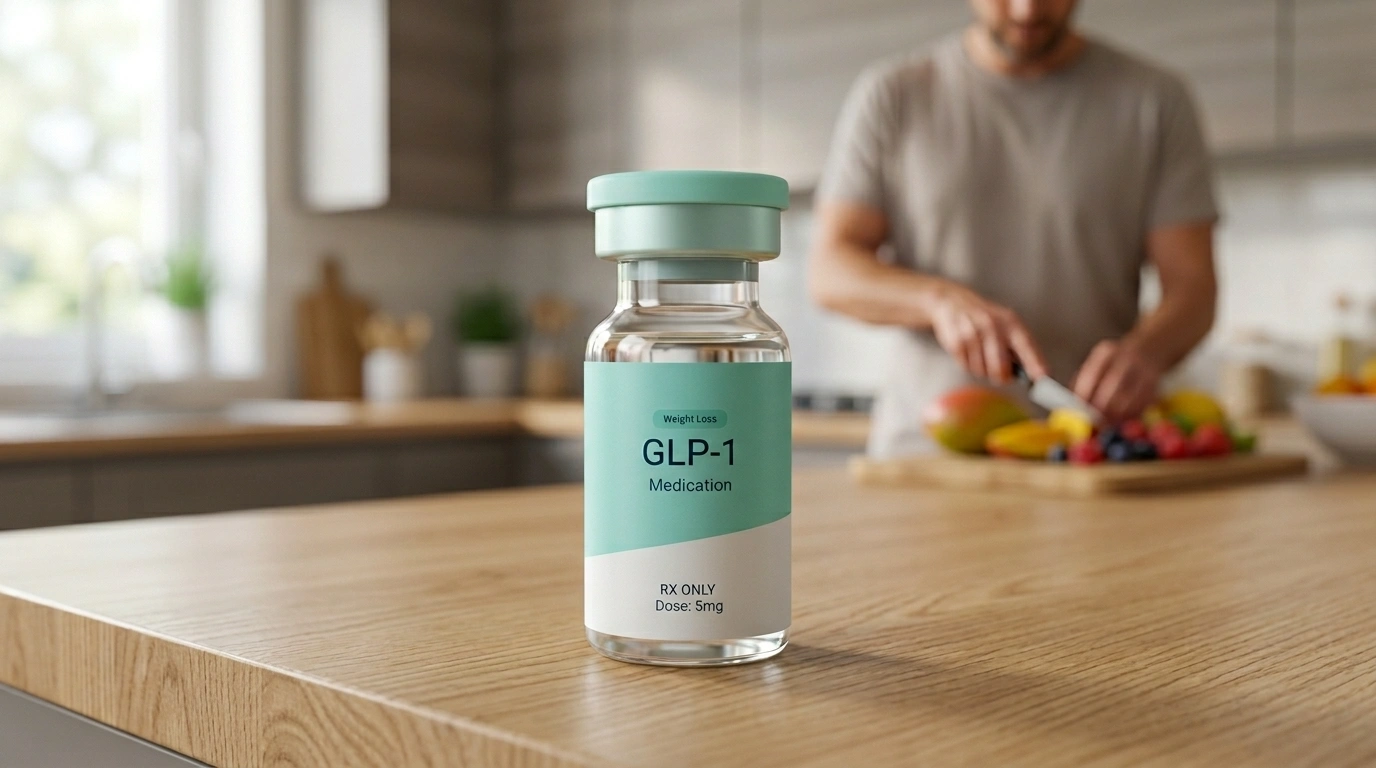
In the ever-evolving landscape of weight management and diabetes care, semaglutide has emerged as a powerful tool for many individuals seeking effective solutions. With its increasing popularity, many users are curious about the proper techniques for administering this medication, particularly regarding injection sites. One common question arises: Can you inject semaglutide above the belly button?
As a medication that mimics the action of the natural hormone GLP-1 (glucagon-like peptide-1), semaglutide plays a dual role in regulating blood sugar levels and promoting weight loss. Knowing how to properly administer this medication is vital for maximizing its effectiveness and minimizing discomfort.
In this blog post, we will explore the following key areas:
- Understanding Semaglutide: We will define what semaglutide is, its purpose, and how it works within the body.
- Injection Techniques: We will delve into the proper techniques for injecting semaglutide, including the importance of selecting the right sites.
- Best Practices for Injection Sites: We will discuss the recommended areas for injection, focusing on the abdomen, thighs, and upper arms, and address the common question of injecting above the belly button.
- Potential Risks and Considerations: We will outline the precautions to take and potential side effects associated with semaglutide injections.
- Conclusion and Call to Action: We’ll wrap up by summarizing the key points and encouraging readers to consider how semaglutide could fit into their health journey.
Through this comprehensive guide, we aim to empower you with the knowledge necessary to navigate your semaglutide treatment confidently and effectively.
Understanding Semaglutide
Semaglutide is a glucagon-like peptide-1 (GLP-1) receptor agonist that was first approved by the FDA in 2017 as a treatment for type 2 diabetes. It helps regulate blood sugar levels by stimulating insulin secretion, suppressing glucagon release, and slowing gastric emptying, which in turn increases feelings of fullness and reduces appetite. In 2021, semaglutide received additional approval for chronic weight management, making it a significant advancement in the fight against obesity.
Given its effectiveness, many individuals considering semaglutide for weight loss or diabetes management are eager to learn how to administer it properly. The once-weekly injection regimen offers convenience, but understanding the nuances of injection techniques can be crucial for achieving optimal results.
Injection Techniques
When it comes to administering semaglutide, the method of injection is just as important as the medication itself. Proper injection techniques can reduce discomfort and ensure that the drug is absorbed effectively. Here are some essential steps to follow:
- Prepare Your Supplies: Gather all necessary supplies, including the semaglutide pen, alcohol swabs, a sharps container, and any other items you may need.
- Choose Your Injection Site: Common sites include the abdomen, thighs, and upper arms. It is crucial to avoid injecting into areas with scars, bruises, or redness.
- Clean the Injection Site: Use an alcohol swab to clean the chosen injection area thoroughly. This helps minimize the risk of infection.
- Inject the Medication: Hold the pen at a 90-degree angle to your skin, insert the needle quickly, and press the button to deliver the dose. It’s recommended to hold the needle in place for a few seconds post-injection to ensure the full dose is delivered.
- Dispose of the Needle Properly: After injecting, safely dispose of the needle in a sharps container. Never reuse needles.
Can You Inject Semaglutide Above the Belly Button?
According to guidelines, it is recommended to inject semaglutide in the fatty tissue around the abdomen, but you should always stay at least two inches away from the belly button. This precaution helps to avoid potential discomfort and complications associated with injecting too close to the navel, such as hitting nerves or muscle tissue.
It’s essential to rotate injection sites regularly to prevent irritation and allow the skin to heal. If you’re considering injecting above the belly button, ensure that you maintain the recommended distance from the navel.
Best Practices for Injection Sites
Selecting the right injection site can significantly impact your experience with semaglutide. Here’s a closer look at the three primary areas where injections can be administered:
1. Abdomen
The abdomen is one of the most common and convenient sites for semaglutide injections. Here are some tips for injecting in this area:
- Location: Aim for the fatty areas of your abdomen, avoiding the belly button by at least two inches. Make sure to choose a spot that feels comfortable and accessible.
- Rotation: To avoid irritation and allow for healing, alternate your injection sites around the abdomen each week.
2. Thigh
The thigh is another excellent option for injections. Here’s what to keep in mind:
- Location: Focus on the front and outer sides of your thigh. This area typically contains enough fat to accommodate a subcutaneous injection comfortably.
- Rotation: As with the abdomen, be sure to rotate between different spots on your thigh during each injection.
3. Upper Arm
For those who prefer a less visible injection site, the upper arm can be a good choice, especially if you have sufficient fatty tissue available.
- Location: The back or side of the upper arm is best for injections. This area can provide a comfortable and discreet option.
- Rotation: Alternate between left and right arms and ensure that you are not injecting into the same spot repeatedly.
By understanding these three primary injection sites and their best practices, you can feel more confident in your ability to administer semaglutide effectively.
Potential Risks and Considerations
While semaglutide can be a powerful ally in your weight loss or diabetes management journey, it’s essential to be aware of potential risks and considerations associated with its use. Some common side effects may include:
- Injection Site Reactions: Mild redness or swelling at the injection site may occur. Rotating injection sites can help minimize these effects.
- Gastrointestinal Symptoms: Some individuals may experience nausea, vomiting, or diarrhea, especially when starting the medication.
- Hypoglycemia: If you are also taking other medications for diabetes, there may be an increased risk of low blood sugar levels. Always monitor your blood sugar closely.
Before starting semaglutide, we encourage you to discuss any concerns with your healthcare provider, who can provide guidance tailored to your individual situation.
Conclusion and Call to Action
Understanding how to inject semaglutide properly is crucial for achieving the best results from your treatment. By following the recommended techniques and being mindful of your injection sites, you can maximize the effectiveness of this powerful medication while minimizing discomfort.
At TrimRx, we are dedicated to supporting your weight loss journey through personalized, clinically proven solutions. If you haven’t started your weight loss journey yet, we invite you to take our free assessment quiz to see if you qualify for our prescription weight loss medications. Together, we can develop a tailored treatment plan that fits your unique needs and supports your goals.
If you’re looking for immediate support, consider exploring our GLP-1 Daily Support and Weight Loss Boost supplements, designed to complement your weight loss strategy.
FAQ
Can I inject semaglutide in any part of my abdomen?
No, it is recommended to inject at least two inches away from the belly button and avoid any areas with scars or irritation.
How often should I rotate my injection sites?
You should rotate injection sites with each dose to prevent irritation and allow the skin to heal effectively.
What should I do if I miss a semaglutide dose?
If you miss a dose, take it as soon as you remember, but do not take it if the next scheduled dose is due within 48 hours. Always consult your healthcare provider for specific guidance.
Are there any dietary recommendations while using semaglutide?
Yes, pairing semaglutide with a balanced diet and regular physical activity can enhance its effectiveness in weight loss and blood sugar control.
How can I get started with semaglutide?
To begin your journey with semaglutide, we encourage you to take our free assessment quiz to see if you qualify for our personalized weight loss solutions.

Transforming Lives, One Step at a Time
Keep reading
Why Do My Nails Have Ridges on Semaglutide?
The direction of the ridges matters more than their presence, and it is the single most useful thing to check before worrying. Vertical ridges,…

Why Did My Resting Heart Rate Change on Semaglutide?
Because two things are happening at once and they push in opposite directions. Upward: a modest increase in resting heart rate is a recognized…

Why Do I Feel Bloated But I’m Still Losing Weight on Semaglutide?
Because bloating and fat loss are unrelated processes, and there is no contradiction between them. Bloating is gas, fluid, and slowed transit producing distension…


