When is the Best Time of Day to Inject Semaglutide?

Introduction
The journey toward effective weight management and improved health can often feel overwhelming, especially when incorporating new medications into our daily routines. For those navigating the world of weight loss, semaglutide has emerged as a life-changing option. However, the question remains: when is the best time of day to inject semaglutide? This query is not just about convenience; it has implications for how well the medication works and how our bodies respond.
As we explore the optimal timing for semaglutide injections, we’ll delve into the medication’s background, its mechanisms, benefits, and potential side effects. Together, we aim to equip you with the knowledge needed to make informed decisions about your treatment plan. By the end of this post, you will understand the nuances of injecting semaglutide, the factors that can influence timing, and how to align your injection routine with your lifestyle for maximum effectiveness.
Did you know that nearly 50% of Americans attempt to lose weight each year? According to the CDC, obesity-related complications claim the lives of approximately 2.8 million people annually. As we strive for healthier lifestyles, medications like semaglutide offer promising avenues for weight management and diabetes care. Yet, the effectiveness of these treatments can hinge on several factors, including when they are administered.
Semaglutide, a glucagon-like peptide-1 (GLP-1) receptor agonist, mimics a hormone that regulates appetite and insulin levels. It has shown remarkable efficacy in aiding weight loss and controlling blood sugar levels, making it a vital tool for many individuals. However, understanding the best time to inject semaglutide can significantly enhance its benefits.
In this post, we will cover the following aspects:
- What semaglutide is and how it works
- The different forms of semaglutide
- The benefits and risks associated with its use
- Importance of timing and how it affects effectiveness
- Recommendations for the best time of day to inject semaglutide
By exploring these facets comprehensively, we hope you gain a clearer understanding of how to incorporate semaglutide into your routine effectively.
Understanding Semaglutide
What is Semaglutide?
Semaglutide is a prescription medication that belongs to the class of GLP-1 receptor agonists, which are primarily used to treat type 2 diabetes and assist with weight management. By mimicking the effects of GLP-1, semaglutide helps stimulate insulin secretion in response to elevated blood sugar levels, reduces appetite, and slows gastric emptying. This dual action not only aids in weight loss but also helps in managing blood glucose levels, making it beneficial for those with diabetes.
Types of Semaglutide
Semaglutide is available in two primary forms:
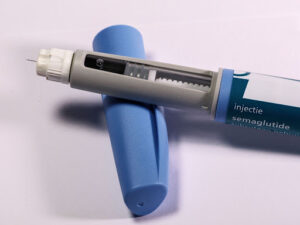
- Injectable Semaglutide: Typically administered once a week, this form provides a steady release of medication into the bloodstream.
- Oral Semaglutide: Taken daily, this form is recommended to be consumed with food to enhance absorption and minimize gastrointestinal side effects.
The choice between these formulations may affect when you decide to administer the medication, as injectable semaglutide allows for more flexible timing.
Benefits of Semaglutide
Semaglutide offers numerous benefits, including:
- Weight Loss: Many individuals experience significant weight loss while using semaglutide, often resulting in improved overall health.
- Blood Sugar Control: It effectively lowers blood sugar levels, reducing the need for additional diabetes medications.
- Cardiovascular Benefits: Research suggests that semaglutide may reduce the risk of heart-related complications in individuals with diabetes.
These advantages make semaglutide an appealing option for those seeking effective weight loss solutions or diabetes management.
Risks and Side Effects
While semaglutide has many benefits, it is essential to consider potential risks. Common side effects may include:
- Nausea
- Vomiting
- Diarrhea
- Abdominal pain
More serious side effects, although rare, can include pancreatitis and thyroid tumors. Therefore, it is crucial to discuss any pre-existing conditions or concerns with your healthcare provider before starting semaglutide.
The Importance of Timing
When it comes to semaglutide, timing can play a crucial role in optimizing its effectiveness. The goal is to ensure that the injection aligns with your body’s metabolic processes and your daily routine.
How Timing Affects Effectiveness
The timing of semaglutide administration can influence its interaction with food intake and its overall effectiveness. For instance, injectable semaglutide can be administered without regard to meals, but establishing a consistent routine can enhance adherence and efficacy.
Factors to Consider
When deciding on the best time to inject semaglutide, consider the following factors:
- Lifestyle and Routine: Choose a time that seamlessly integrates into your schedule to promote consistency.
- Potential Side Effects: Some individuals may experience nausea after their injection. For those who are concerned about side effects, timing the injection in the evening may be beneficial, allowing them to sleep through any discomfort.
- Injection Site: Ensure that the chosen time allows for comfortable self-administration, making it easier to rotate injection sites as recommended.
Best Time of Day to Inject Semaglutide
The optimal time for injecting semaglutide ultimately depends on individual preferences and lifestyle. However, here are some general recommendations:
Morning vs. Evening Injections
- Morning Injections: Many individuals find morning injections convenient since they can make it part of their daily routine. Injecting in the morning also allows for the medication to start working during the day, assisting with appetite control and blood sugar management as you go about your activities.
- Evening Injections: For those who experience side effects such as nausea, evening injections may be preferable. This timing allows individuals to rest overnight, reducing the impact of potential discomfort during waking hours.
Consistency is Key
Regardless of whether you choose morning or evening, consistency is crucial. The goal is to administer semaglutide on the same day each week to maintain steady levels of the medication in your system. Setting reminders or scheduling the injection on a specific day can help you adhere to this routine.
Individual Preferences and Consultation
Ultimately, the best time to inject semaglutide is the time that feels right for you. Discussing your preferences and potential side effects with your healthcare provider can help tailor a plan that aligns with your treatment goals and lifestyle.
Conclusion
In conclusion, semaglutide represents a significant advancement in weight management and diabetes treatment. Understanding when to inject semaglutide can enhance its effectiveness and help you achieve your health goals. Whether you opt for morning or evening injections, the key is to establish a consistent routine that fits seamlessly into your life.
As you embark on your journey with semaglutide, remember that our team at TrimRx is here to support you. We offer free assessments to help you determine your eligibility for personalized weight loss programs, including semaglutide. If you haven’t already, consider taking our free assessment quiz to explore your options.
FAQ
Can I take semaglutide on an empty stomach?
While oral semaglutide is best taken with a meal, injectable semaglutide can be administered regardless of food intake.
Should I take semaglutide in the morning or evening?
Both options are valid; it depends on personal preference. Morning injections can be part of your daily routine, while evening injections may help manage side effects.
Can I take semaglutide at different times on different days?
It’s best to keep injections at the same time each week. However, you can adjust the day as long as you allow at least 48 hours between doses.
Are there specific foods I should eat with semaglutide?
Oral semaglutide should be taken with meals to minimize gastrointestinal side effects, while injectable semaglutide does not have specific food requirements.
What should I do if I miss a dose of semaglutide?
If you remember within five days, inject the missed dose. If it’s been longer, skip it and resume your regular schedule.
Can I drink alcohol while taking semaglutide?
Consult your healthcare provider regarding alcohol consumption while on semaglutide, as it can interact with the medication.
How long does it take to see results with semaglutide?
Many individuals notice improvements in blood sugar control and weight loss within weeks of starting semaglutide.
Are there any long-term risks associated with semaglutide?
Long-term risks may include potential thyroid tumors and pancreatitis. Regular consultations with your healthcare provider can help manage these risks.
By understanding the nuances of semaglutide administration, we can take strides toward achieving our health goals, together. For those considering semaglutide, we encourage you to take our free assessment quiz today to start your personalized weight loss journey with TrimRx. Together, we can create a path to a healthier future.

Transforming Lives, One Step at a Time
Keep reading
Semaglutide vs Tirzepatide: Comparing Weight Loss, Blood Sugar, and Side Effects
Semaglutide and Tirzepatide are one of the most common comparisons in medical weight loss. The two medications share a clear family resemblance. Both are…

How Much Weight Can You Lose on Semaglutide?
How much weight can you lose on semaglutide? The answer varies depending on your starting weight, dosage, treatment duration, and individual response to the…

Hair Shedding Months Into Semaglutide
It shows up in the shower drain first, then on the pillow, then in the brush. By the time most people search this, they…


