Should Semaglutide Be Injected Cold? Insights on Proper Storage and Injection Practices
Introduction
When it comes to using medications like semaglutide, which is found in popular weight loss solutions such as Wegovy and Ozempic, understanding the proper handling and administration is crucial for maximizing effectiveness and comfort. Did you know that the temperature at which you inject semaglutide can significantly impact your experience? If you’re wondering whether semaglutide should be injected cold, you’ve come to the right place.
In this blog post, we’ll dive deep into the storage requirements, best practices for injecting semaglutide, and how temperature affects injection comfort and efficacy. By the end, you’ll have a comprehensive understanding of how to manage your semaglutide injections for optimal results.
The journey toward effective weight management often involves a blend of lifestyle changes and medical interventions. Semaglutide has emerged as a leading option for those seeking to lose weight and improve their overall health. However, many users are often left with questions about its administration, particularly regarding the temperature of the medication.
Research shows that the comfort level associated with injections can influence adherence to treatment plans. For instance, some studies suggest that discomfort during injections may lead to avoidance of necessary doses, undermining the effectiveness of weight loss programs. This raises an important question: Should semaglutide be injected cold or warmed?
In this blog post, we will explore the intricacies of semaglutide storage and administration. We will cover:
- The optimal storage conditions for semaglutide.
- Whether injecting cold semaglutide is safe and effective.
- The impact of temperature on injection discomfort.
- Best practices for preparing your semaglutide for injection.
By the end of this article, you’ll be equipped with the knowledge to manage your semaglutide injections effectively, ensuring a smoother and more comfortable experience that aligns with your health goals.
Understanding Semaglutide and Its Storage Requirements
What is Semaglutide?
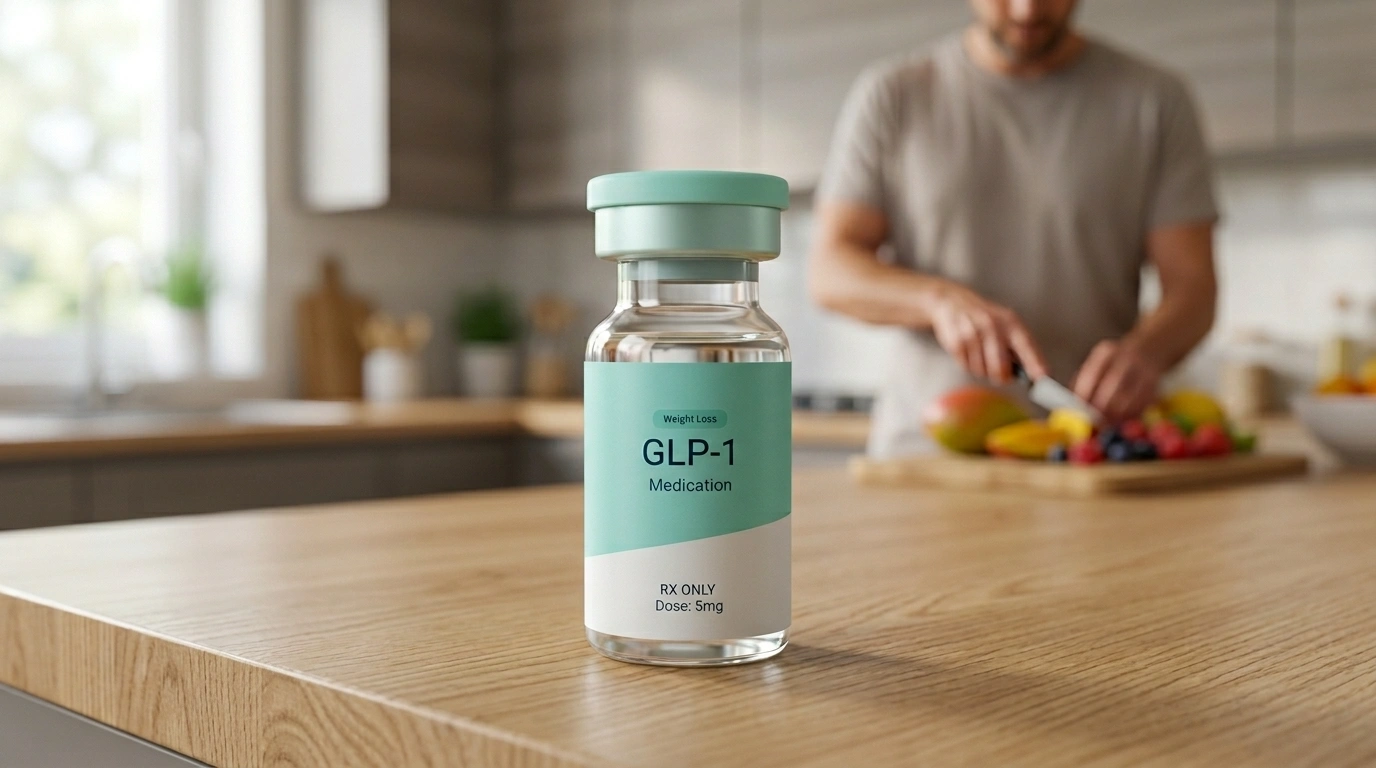
Semaglutide is a GLP-1 receptor agonist that mimics the action of a hormone called glucagon-like peptide-1. It works by enhancing insulin secretion in response to meals, reducing appetite, and slowing gastric emptying. This combination helps individuals manage their weight more effectively when used alongside a reduced-calorie diet and increased physical activity.
Optimal Storage Conditions
For semaglutide to maintain its efficacy, it must be stored correctly. Here are the key storage guidelines:
- Refrigeration: Semaglutide should be stored in the refrigerator at temperatures between 36°F to 46°F (2°C to 8°C). Keeping it in its original carton will protect it from light, which can degrade the medication.
- Room Temperature: Once removed from the refrigerator, semaglutide can be kept at room temperature (up to 86°F or 30°C) for a maximum of 28 days. After this period, any unused medication should be disposed of.
It’s essential to avoid freezing semaglutide, as this can compromise its effectiveness. If the medication has been frozen or exposed to temperatures above 86°F, it should not be used.
What Happens If Semaglutide Is Injected Cold?
Injecting semaglutide directly from the refrigerator is generally safe, but it may lead to discomfort. Cold solutions can cause a stinging sensation upon injection, which may deter some users from adhering to their treatment schedule.
Therefore, while injecting cold semaglutide is not harmful, it might not be the most comfortable option for everyone.
Should You Inject Semaglutide Cold or Warm?
The Comfort Factor
Many users report varying levels of discomfort when injecting cold medication. Cold fluids can cause the skin and underlying tissue to contract, making the injection feel more jarring. For those with heightened sensitivity, this can lead to a negative experience and potentially impact adherence to the treatment plan.
Warming Semaglutide Before Injection
To enhance your injection experience, consider allowing semaglutide to warm to room temperature before administration. Here’s how you can do it safely:
- Remove the Pen from the Fridge: Take the semaglutide pen out of the fridge about 30 minutes to 1 hour before your scheduled injection. This allows it to reach a more comfortable temperature.
- Hand-Warming: You can also gently roll the pen between your hands for a couple of minutes to help it warm up slightly.
- Avoid External Heat Sources: Never use a microwave or hot water to warm the pen, as this can damage the medication.
Benefits of Warming Semaglutide
Warming semaglutide may lead to a more comfortable injection experience. By bringing the medication closer to body temperature, the transition from the cold solution to your body can be smoother, reducing the likelihood of discomfort.
Best Practices for Preparing Semaglutide for Injection
Checking the Medication
Before administering semaglutide, it’s crucial to inspect the pen:
- Visual Check: Ensure the solution is clear and colorless. If it appears cloudy or has particles, do not use it.
- Temperature Check: If the pen has been stored outside the recommended temperature ranges, it should not be used.
Injection Technique
To minimize discomfort during injection, follow these guidelines:
- Clean the Injection Site: Use an alcohol swab to clean the area where you plan to inject.
- Inject Properly: Insert the needle at a 90-degree angle to ensure that the medication is delivered effectively.
- Press Firmly: Make sure the pen is pressed firmly against your skin to ensure proper delivery of the medication.
The Impact of Temperature on Injection Absorption
How Temperature Affects Absorption
Temperature can influence how quickly semaglutide is absorbed into the bloodstream. Colder temperatures can slow down the absorption process, while warmer temperatures may facilitate a quicker uptake. However, the difference may not be significant enough to warrant major concerns as long as the medication is administered correctly.
Long-Term Use and Temperature Considerations
For those on long-term semaglutide therapy, consistent adherence to storage and administration guidelines is essential. Proper handling ensures that the medication remains effective throughout your treatment journey.
Conclusion
In conclusion, while it is safe to inject semaglutide cold, allowing the medication to reach room temperature may enhance your injection experience by reducing discomfort. Proper storage and handling are paramount to maintaining the medication’s efficacy, ensuring that you can fully benefit from its weight-loss support.
By understanding how to effectively manage semaglutide injections, you can navigate your weight loss journey with more confidence and comfort.
If you’re considering semaglutide for weight loss or want to learn more about our personalized weight loss programs at TrimRx, we encourage you to take our free assessment quiz to see if you qualify for our prescription weight loss medications. Together, we can work towards achieving your health goals.
FAQ
Is it safe to inject semaglutide cold?
Yes, it is safe to inject semaglutide cold, but it may cause discomfort. Warming the pen to room temperature before injection can reduce pain during the process.
How should I store semaglutide?
Semaglutide should be stored in the refrigerator at temperatures between 36°F and 46°F (2°C to 8°C). After first use, it can be kept at room temperature for up to 28 days.
What happens if I forget to store semaglutide properly?
If semaglutide has been exposed to freezing temperatures or temperatures above 86°F, it should not be used. Always check the solution for clarity—if it appears cloudy or discolored, do not use it.
Can I reuse a semaglutide pen for multiple injections?
Each semaglutide pen is designed for single-patient use and should not be shared with others. Follow the instructions provided for proper disposal after use.
What should I do if I miss an injection?
If you miss a semaglutide injection, take it as soon as you remember. If it’s close to your next scheduled dose, skip the missed dose and continue with your regular schedule. Do not double up on doses. Always consult with your healthcare provider for personalized advice.
By adhering to these guidelines and understanding the nuances of using semaglutide, we can support your journey towards effective weight management and overall health.

Transforming Lives, One Step at a Time
Keep reading
Semaglutide vs Tirzepatide: Comparing Weight Loss, Blood Sugar, and Side Effects
Semaglutide and Tirzepatide are one of the most common comparisons in medical weight loss. The two medications share a clear family resemblance. Both are…

How Much Weight Can You Lose on Semaglutide?
How much weight can you lose on semaglutide? The answer varies depending on your starting weight, dosage, treatment duration, and individual response to the…

Hair Shedding Months Into Semaglutide
It shows up in the shower drain first, then on the pillow, then in the brush. By the time most people search this, they…


