Stalled on Tirzepatide Even After a Dose Increase: Your Options
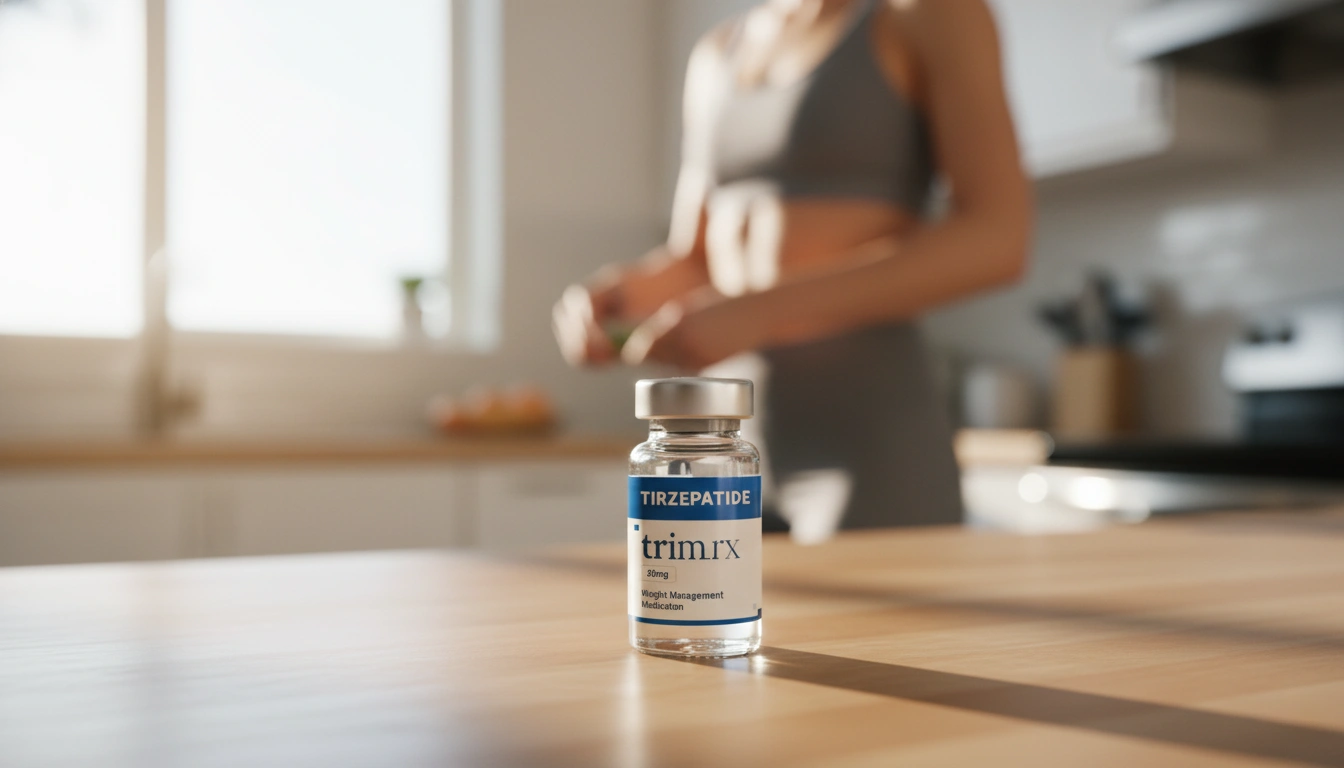
The first thing to check is how long it has been since the increase, because most people ask this question too early. A dose step needs eight to twelve weeks with settled side effects before it has told you anything, and a fair number of people conclude it failed at four. If you are past that window and the trend is genuinely flat, you have a real finding and there are five things worth ruling out before your provider changes anything.
The good news is that a stall surviving a dose increase narrows the problem considerably. It makes several explanations much less likely and points at a smaller set.
First: has it been long enough?
Under six weeks since the increase. Too early. Side effects are still settling and the noise around them distorts the scale.
Eight to twelve weeks with side effects settled and eating stable. A fair test.
Past that and genuinely flat. A real finding.
Use the trend rather than readings, weighed the same way at the same time of day.
Five things to rule out
1. Is the scale flat while other things move? Waist measurement, how clothes fit, and appetite are all reporting something the scale is not built to detect. If measurements are moving, this is not a stall.
2. Are you actually at the top, or is there further to go? Stalling at an intermediate step and taking one step up may leave you still short of a maintenance dose. Ask where your current dose sits in the range rather than assuming an increase means you have arrived.
3. Has your medication been handled properly? Tirzepatide is a peptide, and heat, freezing, and agitation cause peptide molecules to aggregate, which reduces activity. It happens invisibly. Worth checking if anything changed around the time of the stall: a new refrigerator, a warm delivery, a trip, a house move, or a change of pharmacy or preparation.
4. Is injection technique part of it? Repeatedly injecting into the same small area can change the tissue over time and affect absorption. This is the reason rotation is advised rather than suggested. Our guide to GLP-1 injection sites covers where to inject and how to spread it out, and if you are drawing from a vial rather than using a pen, our comparison of pen versus vial covers the differences that affect how reliably a dose gets delivered.
5. Is something else working against you? New medications are the usual culprit, including some antidepressants, antipsychotics, steroids, and certain diabetes medications. Untreated thyroid problems belong here too. Also worth looking at: activity that quietly dropped after an injury, a stretch of poor sleep, or a period of high stress.
Consider this scenario: a patient stalls, goes up a dose, and nothing changes over three months. They arrive expecting a conversation about switching medications. Two things surface: they have been injecting into the same small patch of abdomen for over a year because it is the spot that hurts least, and they started a new medication for something unrelated four months ago. Neither is exotic and neither was going to be found by changing the dose again.
What your provider will consider
Another increase, if there is room. The most common next step when the picture is otherwise clean.
A full review before changing anything. Everything in the five above, plus bloods if something suggests it.
Switching to a different medication in the class. Response to one does not predict response to another, and this is a legitimate option rather than an admission of failure. It restarts titration, which is a real cost worth knowing about.
Reassessing the goal. If you have lost a meaningful amount and are holding it, the flat line may be closer to a destination than a problem. Loss in the range of five to ten percent of body weight carries real health benefit even when it is less than you hoped for.
Our guide on when to increase your tirzepatide dose covers the signals that inform these decisions.
What to bring
- Weekly weights over the last three months, as a trend
- Your current dose, where it sits in the range, and the date you increased
- Measurements or clothing changes
- Whether appetite is still suppressed
- Two weeks of actual eating, written as you go
- Any new medication since you started
- Anything that changed about storage, delivery, or preparation
- Where you have been injecting
Point eight is rarely asked and occasionally the answer.
What not to do
Do not eat less to force it. If intake is already reduced, cutting further makes things harder to sustain and risks the under-eating pattern: persistent fatigue, feeling cold, hair shedding, dizziness on standing, losing strength. If those are present, they lead the conversation.
Do not increase again on your own.
Do not stop. A stall is a treatment problem; stopping converts it into a regain problem, and the evidence on discontinuation is consistent.
Do not add unregulated supplements or peptides to break through. Tell your provider before taking anything new.
When to call
Contact your provider if the trend has been flat for more than eight to twelve weeks since your increase, if appetite is not meaningfully suppressed at your current dose, if you have started any new medication, if anything changed about how your medication is stored or supplied, or if you are considering stopping.
The short version
Give a dose step eight to twelve weeks before judging it. Then check whether the scale is the only thing that is flat, whether you are actually at the top of the range, whether your medication has been stored and injected properly, and whether something new is working against you. If all of that is clean, switching within the class is a real option and so is deciding that where you are is good enough.
If you want a provider who will investigate a stubborn stall rather than keep raising the dose, TrimRx includes ongoing provider access alongside treatment.
This information is for educational purposes and is not medical advice. Consult with a healthcare provider before starting any medication. Individual results may vary.

Transforming Lives, One Step at a Time
Keep reading

Should You Taper Off Tirzepatide or Just Stop? What the Evidence Says
There is very little direct evidence either way, and anyone who tells you otherwise is filling a gap with confidence. The withdrawal trials that…

Why Did Tirzepatide Stop Working After Three Months of Fast Loss?
Five things explain almost all of it, and the first is the least satisfying: the fast stretch was never going to last. Weight loss…
Feeling Worse and Losing Slower on a Higher Dose of Tirzepatide?
It happens, it is more common than the dose-response charts suggest, and there are four explanations worth separating before you conclude the increase was…


