Can You Inject Ozempic in Love Handles? A Guide to Injection Sites
Introduction
Starting a journey with GLP-1 medications often comes with many practical questions, especially about the self-injection process. You might feel a mix of excitement and hesitation as you look at your first prescription. One common question many people ask is whether they can use their “love handles”—the area of fat along the sides of the waist—as an injection site. If you are still figuring out whether a prescription GLP-1 program is the right next step, you can take the free assessment quiz to explore your options. Understanding the correct way to administer these medications is vital for both comfort and effectiveness. At TrimRx, we believe that clear information helps you feel more confident and supported during your weight loss experience. This post covers the best practices for injection sites, whether the love handles are a safe option, and how to manage your routine. We focus on providing the facts you need to make your health journey as smooth as possible.
Understanding GLP-1 Medications and How They Work
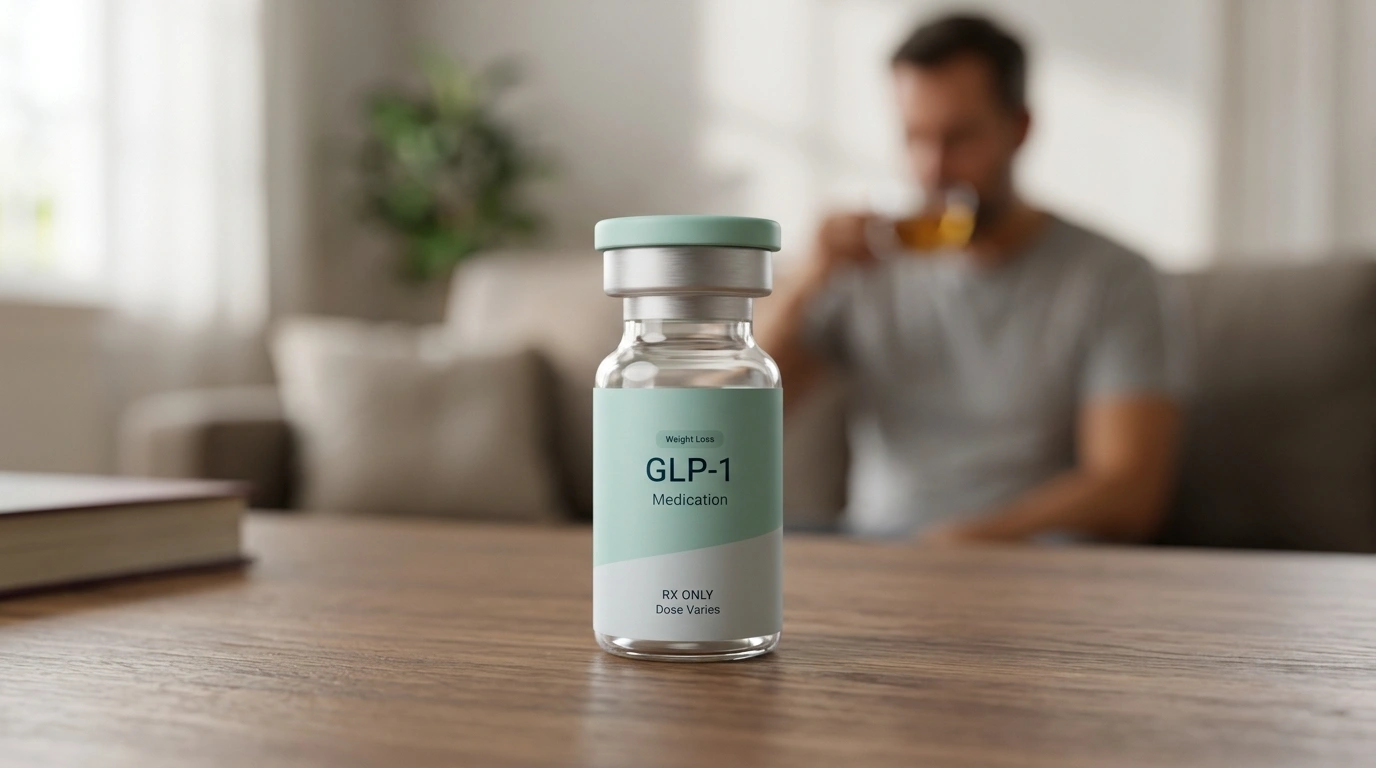
Before diving into the specifics of where to inject, it is helpful to understand what you are actually administering. Medications like Ozempic® or compounded semaglutide belong to a class of drugs called GLP-1 receptor agonists. What Is GLP 1 Supplement: Natural Support vs. Clinical Programs is a helpful companion read if you want to better understand the difference between supplement support and prescription care. GLP-1 stands for glucagon-like peptide-1, which is a hormone your body naturally produces in the gut.
These medications work by mimicking this natural hormone. When you take a GLP-1 medication, it signals to your brain that you are full, which helps reduce overall calorie intake. It also slows down “gastric emptying,” meaning food stays in your stomach longer. This process helps regulate blood sugar and supports sustainable weight management when paired with lifestyle changes.
Because these medications are designed to be released slowly into the bloodstream, they are administered through subcutaneous injections. This means the needle reaches the layer of fat just beneath the skin but above the muscle.
What is a Subcutaneous Injection?
A subcutaneous injection is different from the shots you might receive in a doctor’s office that go into the muscle, like a flu vaccine. Subcutaneous means “under the skin.” The goal is to deposit the medication into the fatty tissue.
The body absorbs medication from fat more slowly than it does from muscle. This slow absorption is exactly what is needed for weekly medications like Ozempic® or Wegovy®. It allows the medication to maintain a steady level in your system throughout the week. If the medication were accidentally injected into a muscle, it would be absorbed too quickly, which could lead to more side effects or reduced effectiveness.
Key Takeaway: Subcutaneous injections target the fatty layer between the skin and muscle to ensure the medication is absorbed at the correct, steady rate.
Can You Inject Ozempic in Love Handles?
The short answer is yes, you generally can inject Ozempic® or other GLP-1 medications in the love handle area, provided there is enough subcutaneous fat. However, most healthcare providers and medication guides specifically highlight the “abdomen” as a primary site. Love handles are technically part of the abdominal and flank region.
While the love handles contain plenty of the fatty tissue required for a subcutaneous injection, there are a few reasons why the front of the stomach or the thighs are often preferred:
- Ease of Access: It is much easier to see and reach the front of your abdomen or the top of your thighs. Trying to reach around to your love handles can lead to an awkward angle, which might cause you to pull the needle out too early or not inject deep enough.
- Consistency: GLP-1 Injection Sites: A Complete Guide for All Medications walks through the standard injection sites and why they are used so often.
- Needle Depth: In some people, the fat layer on the sides of the waist may be thinner or sit differently than on the front of the stomach. You want to ensure the needle stays in the fat and does not hit the underlying hip bone or muscle.
If you strongly prefer the love handle area, it is important to stay at least two inches away from your belly button and ensure you can firmly grasp a fold of skin. Always consult your healthcare provider before choosing a site that falls outside the standard recommendations.
Recommended Injection Sites
To ensure the best results and the least amount of discomfort, stick to the three primary areas recommended by medical professionals. These areas have been chosen because they consistently have enough subcutaneous fat for most adults.
The Abdomen (Stomach)
The stomach is the most common site for GLP-1 injections. It offers a large surface area, making it easy to find a new spot each week. When using this area, you should stay at least two inches away from your navel (belly button). Do not inject into areas where the skin is bruised, scarred, or hard.
The Thighs
The front or outer surface of the thighs is another excellent choice. This area is easy to reach while sitting down. Many people find the thigh to be the least painful spot. Make sure you are injecting into the meatier, fatty part of the thigh and not the inner thigh or the area directly over the knee.
The Back of the Upper Arm
The back of the upper arm (the tricep area) is a third option. This can be a bit more difficult to do yourself. If you have a partner or family member who can help, the arm is a great site to add to your rotation. If you are doing it alone, you may need to press the arm against a door frame or chair to “push up” the fatty tissue so you can reach it with the pen.
Why You Must Rotate Injection Sites
Regardless of whether you choose the abdomen, thighs, or arms, you must rotate your site every single week. This means you should not use the exact same spot two weeks in a row. For example, if you prefer the stomach, you might use the upper right quadrant one week and the lower left the next.
Rotating sites helps prevent a condition called lipohypertrophy. This is a medical term for the buildup of extra fat or scar tissue under the skin. If you inject into the same spot repeatedly, the tissue can become hard or lumpy. Not only can this be uncomfortable, but the medication will not absorb correctly through scarred tissue.
Key Takeaway: Always rotate your injection site each week to prevent skin irritation and ensure the medication absorbs properly into your system.
Does the Injection Site Affect Side Effects?
You may have seen claims on social media suggesting that injecting Ozempic® in the arm or thigh instead of the stomach can reduce nausea. Nausea is one of the most common side effects of GLP-1 medications as the body adjusts to slower digestion.
However, clinical evidence does not strongly support the idea that changing the site eliminates side effects. Because the medication is absorbed into the bloodstream and works systemically, it will eventually reach the same receptors in the brain and gut regardless of where it entered the body. If you are looking for more context on how site choice and rotation fit into treatment, How to Rotate Injection Sites for Semaglutide and Tirzepatide is a useful guide.
That said, some individuals report feeling better when they switch sites. If you are struggling with nausea, it does not hurt to try the thigh or arm to see if it makes a personal difference for you. Most people find that nausea is most intense in the first few weeks or when the dosage increases, and it typically improves over time.
How to Prepare for Your Injection
Preparation is key to a stress-free experience. Before you begin, make sure you have a clean workspace and all your supplies ready.
Step 1: Check the medication. Look at the liquid inside your pen or vial. It should be clear and colorless. If it is cloudy, contains particles, or has changed color, do not use it.
Step 2: Wash your hands. Always start with clean hands to prevent any risk of infection at the injection site.
Step 3: Clean the skin. Use an alcohol swab to wipe the area where you plan to inject. Let the skin air dry completely before proceeding.
Step 4: Prepare the needle. If you are using a pen that requires a needle attachment, like Ozempic®, peel off the paper tab and screw the needle on straight.
Step 5: Prime the pen. If it is a new pen, follow the manufacturer’s instructions to “prime” it, which ensures the air is out and the medication is ready to flow.
The Injection Process: A Step-by-Step Guide
Once you are prepared, the actual injection takes only a few seconds. Most modern injection pens use very thin, short needles that cause minimal discomfort.
- Select your spot: Choose a site in the abdomen, thigh, or arm that you did not use last week.
- Dial your dose: Turn the dose selector to the prescribed amount.
- Insert the needle: Hold the pen at a 90-degree angle to your skin. Firmly push the needle all the way in.
- Deliver the dose: Press and hold the injection button. You may hear a click or see the dose counter return to zero.
- Wait and count: Keep the needle in the skin and count to six (or follow the specific timing on your medication’s instructions). This ensures the full dose has left the pen.
- Remove and dispose: Pull the needle straight out. Do not rub the site, though you can press lightly with a cotton ball if there is a tiny drop of blood.
Safety and Storage Tips
Handling your medication safely is just as important as the injection itself. Proper storage ensures the medication remains effective.
- Refrigeration: Most GLP-1 medications should be kept in the refrigerator before their first use. After the first use, many pens can stay at room temperature for a certain number of days (usually 28 to 56 days, depending on the brand). Always check the specific storage instructions for your prescription.
- Avoid Extreme Heat or Cold: Never freeze your medication, and do not leave it in a hot car. If the medication freezes or gets too hot, the proteins can break down and it will no longer work.
- Sharps Disposal: Never throw used needles in the regular trash. Use an FDA-cleared sharps container or a heavy-duty plastic container with a tight lid, like a laundry detergent bottle. Label it clearly so others know it contains hazardous waste.
Overcoming Needle Anxiety
It is perfectly normal to feel nervous about needles. Many people who start our program have never given themselves a shot before. It may help to remember that the needles used for GLP-1s are incredibly thin—roughly the width of two human hairs.
If you are feeling anxious, try taking a few deep breaths before you start. Some people find that listening to music or having a friend nearby for the first few times helps. After two or three weeks, most patients find the process becomes a routine part of their Sunday or Monday morning.
“The mental hurdle is often much larger than the physical sensation. Most people find the injection is nearly painless once they actually take the leap.”
How TrimRx Supports Your Journey
We understand that weight loss is more than just a number on a scale; it is about how you feel every day. TrimRx provides a telehealth platform that connects you with licensed healthcare providers who can determine if GLP-1 medications are right for you. If you are ready to see whether treatment fits your goals, take the free assessment quiz to get started.
Our personalized programs include medical consultations and access to medications like compounded semaglutide or compounded tirzepatide, which are prepared in FDA-registered, inspected compounding pharmacies. We offer a transparent, telehealth-first approach, meaning you get the care you need from the comfort of your home. Whether you are navigating your first injection or looking for long-term support, we are here to guide you with empathy and clinical expertise.
Nutrition and Lifestyle Support
Medication is a powerful tool, but it works best when combined with healthy habits. While you are using your GLP-1 medication, focus on eating plenty of protein to maintain muscle mass and staying hydrated. Because these medications slow your digestion, eating smaller, more frequent meals can help manage potential nausea.
If you find you are not getting enough nutrients due to a reduced appetite, we offer supplements like GLP-1 Daily Support or Weight Loss Boost supplement. These are designed to complement your program and ensure your body has the vitamins and minerals it needs while you are eating less.
When to Contact Your Healthcare Provider
While minor side effects like nausea or a bit of redness at the injection site are common, you should always stay in touch with your medical team. Reach out to a provider if you experience:
- Severe abdominal pain that does not go away.
- Persistent vomiting or signs of dehydration.
- A rash or signs of an allergic reaction at the injection site.
- Questions about missing a dose or changing your injection schedule.
Your health and safety are the top priority. Never hesitate to ask a question, no matter how small it may seem.
Conclusion
Knowing where and how to inject your medication is a fundamental part of a successful weight loss journey. While you can technically inject into the love handles if there is sufficient fat, the front of the abdomen and the thighs remain the most recommended and accessible sites. By rotating your locations, preparing your skin properly, and following a consistent schedule, you set yourself up for the best possible experience. If you are still deciding whether a prescription program is the right fit, complete the free assessment quiz to take the next step.
At TrimRx, our mission is to simplify the path to a healthier you through science, personalization, and 24/7 specialist support. We are committed to helping you embrace a sustainable lifestyle with the right tools and a caring, professional team by your side.
Next Step: Ready to see if a personalized weight loss program is right for you? Take our free assessment quiz to explore your options and connect with a licensed provider today.
FAQ
Is it better to inject in the stomach or the thigh?
There is no clinical evidence that one site is “better” for weight loss results, as the medication is absorbed systemically. However, some people find the thigh less painful, while others find the abdomen more convenient. It is best to try different recommended areas and see which feels most comfortable for you.
What should I do if I see a small bruise at the injection site?
A small bruise is common and usually occurs if the needle hits a tiny blood vessel under the skin. It is generally not a cause for concern. To minimize bruising, avoid rubbing the area after the injection and ensure you are rotating your sites each week so the skin has time to heal.
Can I inject my medication while it is cold from the fridge?
Yes, you can inject cold medication, but some people find that it stings slightly more. You can take your pen out of the refrigerator and let it sit at room temperature for about 30 minutes before injecting to make the process more comfortable. Always check your specific medication’s guide for temperature limits. If you want more support while adjusting to reduced appetite, GLP-1 Daily Support can be a helpful complement to your routine.
What happens if I accidentally inject into a muscle?
If you inject into a muscle, the medication may be absorbed more quickly than intended. This might lead to a temporary increase in side effects like nausea or a slight change in how long the dose lasts that week. If this happens, do not panic, but try to be more mindful of your technique and site selection for your next dose, and consult your provider if you feel unwell. For a broader look at proper technique, Where to Inject GLP-1: The Sites & Techniques You Need to Know in 2026 is a useful reference.
Disclaimer: This content is for informational purposes only and does not constitute medical advice. It is not intended to diagnose, treat, cure, or prevent any disease or condition. Individual results may vary. Always consult a qualified healthcare professional before starting any weight loss program or medication.

Transforming Lives, One Step at a Time
Keep reading
Playing in a Tennis League on Ozempic
Joining a tennis league is one of the best things you can do for fitness, friendship, and a bit of friendly competition. Many adults…

Sledding and Ice Skating With the Grandkids on Ozempic
Winter break with grandchildren often means sledding hills, outdoor rinks, and snowball fights in the yard. For many grandparents who have lost weight on…

Hosting a Quinceañera on Ozempic
A quinceañera is one of the biggest days in a family’s life. There is a Mass or blessing, photos, a grand entrance, the court’s…


