RV and Camping Trips on a GLP-1
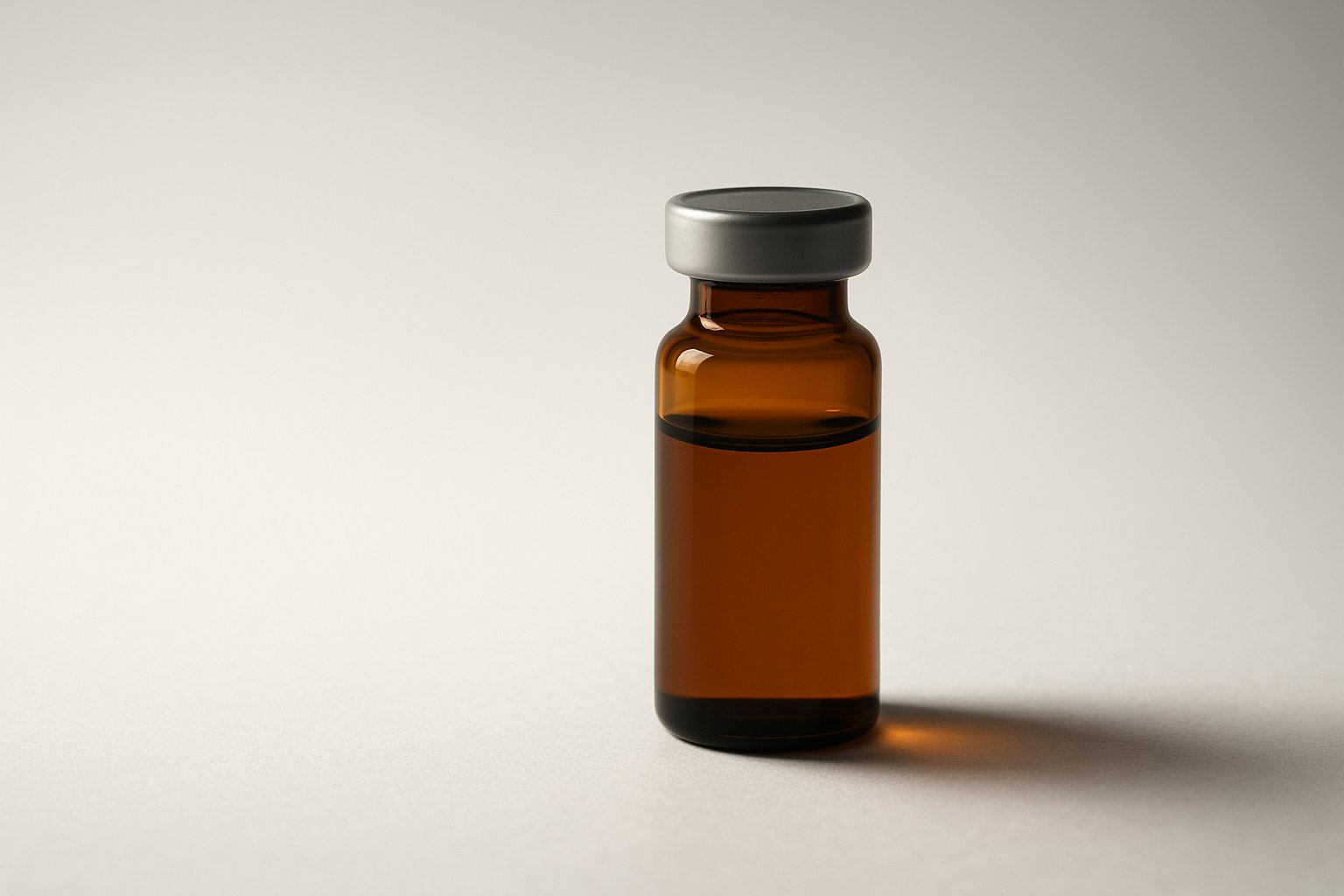
An RV trip feels like it should be easy for medication: you have a fridge, you set your own schedule, and you are not dealing with airports. In practice, RV and camping trips cause a surprising number of storage problems, and they often take you a long way from the nearest pharmacy.
A little planning before you leave prevents almost all of them.
Why storage matters so much
These medications are proteins. The pharmaceutical literature on protein aggregation shows that heat, freezing, and vigorous agitation can all cause proteins to unfold and clump together, which can reduce potency without any visible change. You usually cannot tell by looking.
RVs and campsites combine all three risks: hot vehicles, fridges that freeze things at the back, and a lot of vibration on the road.
RV fridges are not like home fridges
Many RV fridges run on propane, 12-volt power, or shore power, and they behave differently depending on which.
Temperature can swing when the fridge switches power source, when you are driving, or when the door is opened constantly at a campsite.
Some RV fridges stop cooling while driving if they are not set up to run on the vehicle’s power.
Hot weather overwhelms them. Absorption fridges in particular can struggle to keep temperature when it is very hot outside.
The back and the cooling fins can freeze things. Freezing is the one absolute: never use a product that may have frozen.
What to do:
Put a fridge thermometer in and check it morning and evening for the first few days of the trip.
Keep medication on a middle shelf, in its original packaging, away from the back and the freezer section.
Get your product’s out-of-refrigeration window from your pharmacy before you leave. It differs between products, and it tells you how much margin you have if the fridge fails.
Have a backup. A small cooler with ice packs, kept cold, gives you somewhere to put medication if the fridge stops working.
Our guide on storing compounded semaglutide or tirzepatide at home covers the requirements.
Tent camping
Without a fridge, the options narrow.
For a short trip, the simplest plan is to inject before you leave and after you get back, and carry nothing.
For longer trips, a good cooler kept out of the sun and replenished with ice can work if your product’s window allows it, but ice melt, wet packaging, and freezing against ice packs are all risks. Keep medication in a sealed bag, separated from direct contact with ice.
Format matters on the road
Pens and vials differ in how many separate items you carry, how they handle vibration, and what happens if something breaks. Our guide on pens versus vials covers the differences. For long road trips, fewer pieces and less measuring can make life easier.
Bring a sharps container. Campgrounds rarely have appropriate disposal.
Supply and distance from pharmacies
Long RV trips often take you through remote areas.
Count your doses for the whole trip and bring at least one extra.
Do not plan on refilling on the road unless you have confirmed with your pharmacy that they can ship to a specific address on your route, and that someone will be there to receive it.
Never stretch doses to make supply last. Spacing doses out lets levels fall, brings appetite back, and can bring side effects back when you resume.
If your trip is long enough that a pause becomes unavoidable, plan it with your provider rather than simply missing doses. Our guide on taking a break and restarting covers why restarting after a gap usually means stepping back up rather than resuming where you left off.
Consider this scenario: a couple sets off on a three-week RV trip in July. The fridge runs on propane at campsites and switches off while they drive, which they do not realize. On a hot travel day it sits for six hours without cooling, and the medication inside warms well past its limits. They only discover the problem when they check the fridge that evening. A thermometer on day one, and a cooler for driving days, would have caught it before any damage was done.
Campfire food and a slow stomach
Camping food tends to be heavy: sausages, burgers, fried breakfasts, s’mores. On a slow stomach, that can mean nausea around the fire and a rough night in a sleeping bag.
Plan lighter meals with protein, keep portions small, and leave a gap between eating and lying down. Drink plenty of water, especially at altitude or in heat, and go carefully with alcohol around the campfire.
Timing your injection on the road
Side effects are usually worst in the first day or two after an injection. Try to put those days on rest days at a campground rather than long driving days or big hikes. Do not step up your dose right before leaving.
The short version
RV fridges can swing in temperature, stop cooling while driving, or freeze things at the back, so put a thermometer in and check it often. Keep a cooler as a backup and get your storage window from your pharmacy. For tent camping, injecting before and after the trip is often simplest. Count your supply with a spare and do not rely on refills en route. Keep campfire meals lighter, drink water, and put your post-injection days on rest days.
If you want a provider who will plan your supply and dosing around a long trip, TrimRx includes ongoing provider access alongside treatment.
This information is for educational purposes and is not medical advice. Consult with a healthcare provider before starting any medication. Individual results may vary.

Transforming Lives, One Step at a Time
Keep reading
Hosting a Dinner Party on a GLP-1
For people who love to entertain, this is one of the stranger parts of being on these medications. You plan a menu, spend the…

All-Day Licensing Exams on a GLP-1
Bar exams, medical boards, nursing licensure, accounting and engineering exams, and many other professional tests share a format that is unusually hard on anyone…

Youth Sports Weekends on a GLP-1
If your weekends are spent at soccer fields, baseball diamonds, swim meets, or gymnasiums, you already know the pattern: an early start, hours in…


