Cooking for One on a GLP-1
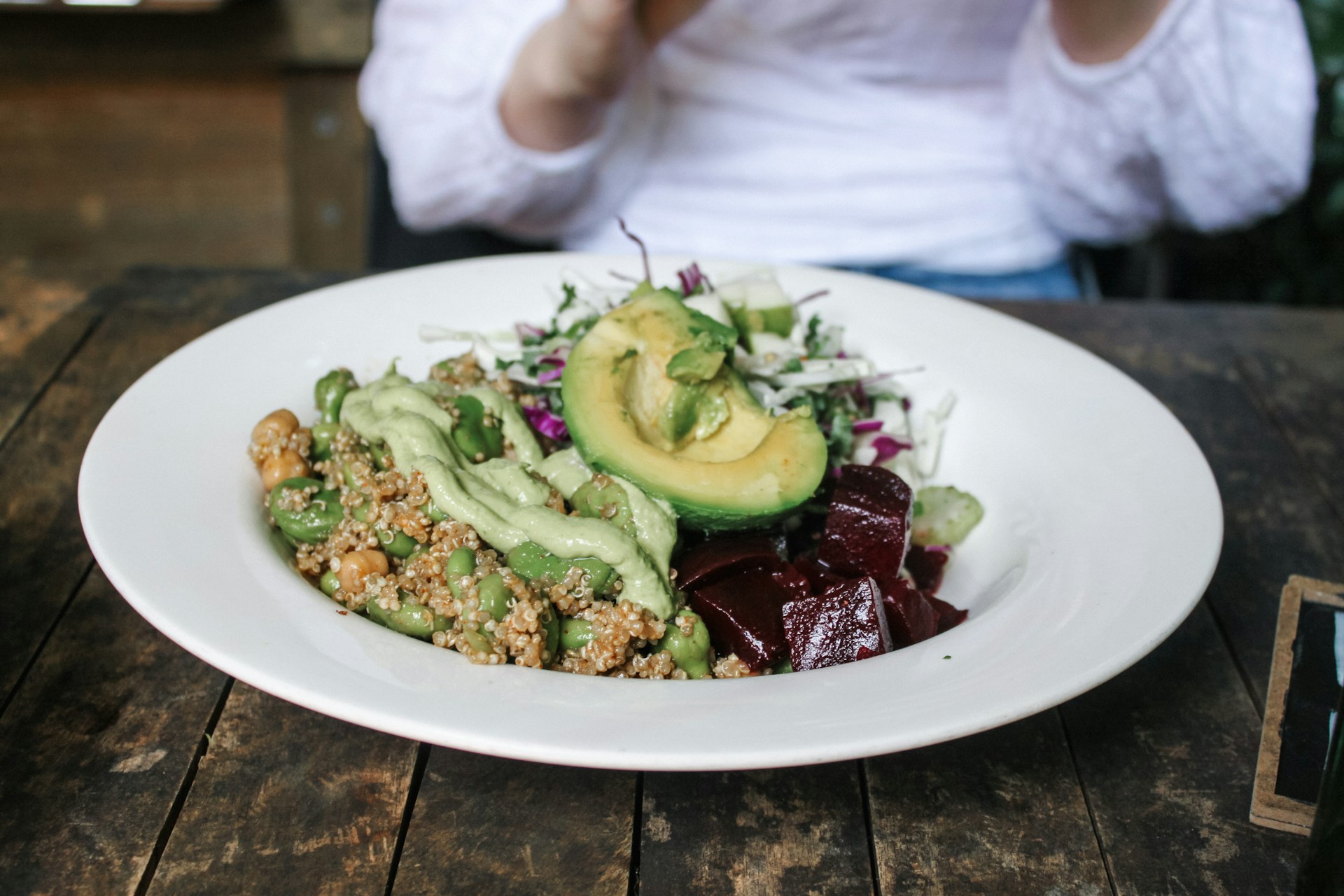
Cooking for one was already a little dispiriting before these medications. Recipes serve four, groceries come in family packs, and it is tempting to eat standing at the counter or not at all.
On a GLP-1, appetite drops, portions shrink, and the effort of cooking for yourself can start to feel pointless. A lot of people living alone end up on toast, crackers, and coffee without ever deciding to.
Why living alone raises the risk of under-eating
Nobody else is eating with you, so there is no shared mealtime to prompt you. Appetite is suppressed, so hunger does not remind you either. Cooking a full recipe for a few bites feels wasteful. And if you are busy or tired, skipping the meal is always the easiest option.
Over weeks, that can drift your intake far lower than you realize.
Why it matters
Weight lost on these medications is not purely fat. A 2024 review of lean body mass changes with GLP-1 based therapies found that the proportion of total weight loss made up by lean tissue varied widely across studies. Eating very little for long stretches is the situation most likely to cost you more than you intended, including strength and energy.
Make cooking worth it: cook once, eat several times
The most useful change for people living alone is to stop thinking about each meal as a separate cooking project.
Cook a batch of protein at the start of the week: chicken, fish, eggs, lentils, tofu, or whatever you like. Portion it into small containers.
Build meals from components rather than recipes. A small portion of protein, some vegetables, and a small amount of a starch can be combined differently each day.
Freeze single portions. Soups, stews, and cooked proteins freeze well in small containers and give you a real meal on nights you cannot face cooking.
Scale recipes down or cook the full amount and freeze the rest.
Use small plates and bowls. A small portion on a small plate looks like a meal. The same portion on a big plate looks like a failure.
Make eating a set time, not a feeling
Set regular mealtimes and use a phone reminder if needed. Appetite will not tell you.
Sit down to eat. Eating at the table rather than standing at the counter makes a meal more likely to actually happen and more likely to be enough.
Keep easy protein ready for the days when cooking is not going to happen: yogurt, eggs, cottage cheese, canned fish, or ready-cooked chicken.
Do not rely on snacks as meals. Crackers and toast fill the gap without providing much.
Our guides on the Ozempic starting dose and the semaglutide starting dose cover what the early weeks involve, when appetite changes are most dramatic.
Consider this scenario: someone who lives alone starts semaglutide and finds cooking for themselves suddenly not worth the effort. A month in, a typical day is coffee, a handful of crackers at lunch, and a slice of toast in the evening. They feel tired and cold and assume it is the medication. When their provider asks them to describe yesterday’s food, they realize they have not cooked a proper meal in weeks. A Sunday batch of chicken and vegetables, portioned into small containers, turned that around within a fortnight.
Reduce waste without eating poorly
Food waste is a real frustration when appetite shrinks.
Buy smaller quantities more often, or choose frozen vegetables and fruit that keep.
Plan meals that share ingredients so nothing sits unused in the fridge.
Use leftovers deliberately as the next day’s lunch rather than a reminder of a meal you could not finish.
Watch for the pattern
Look for a cluster over weeks:
- Persistent fatigue that sleep does not fix
- Feeling cold when others are comfortable
- Hair shedding
- Dizziness when you stand up
- Losing strength
- Weight coming off faster than intended
Several together usually means you are not eating enough, and that is worth raising with your provider.
Living alone and safety
Living alone also means nobody notices if you are unwell. If you have a rough day with vomiting or cannot keep fluids down, contact your provider rather than waiting it out alone, and make sure someone knows how to reach you. Let a friend or relative know you take this medication.
Our guide on getting the most out of your GLP-1 treatment covers the broader habits that support results.
A simple weekly routine
One shopping trip with a short list built around two or three proteins, frozen vegetables, and a few staples.
One batch cooking session, perhaps an hour on the weekend, producing several small portions.
One freezer check, so you know what is ready on nights you cannot face cooking.
This takes far less effort than deciding what to eat every evening, and it removes the most common reason people living alone skip meals: having nothing ready at the moment they need it.
The short version
Living alone plus a smaller appetite makes it easy to stop cooking without noticing. Batch cook protein once a week, freeze single portions, build meals from components, and use small plates. Set mealtimes, sit down to eat, and keep easy protein ready for bad days. Buy smaller quantities to cut waste. Watch for fatigue, feeling cold, and lost strength. And make sure someone knows you take this medication in case you become unwell.
If you want a provider who looks at what you are actually eating, TrimRx includes ongoing provider access alongside treatment.
This information is for educational purposes and is not medical advice. Consult with a healthcare provider before starting any medication. Individual results may vary.

Transforming Lives, One Step at a Time
Keep reading

Best GLP-1 for Weight Loss in 2026
Choosing the best GLP-1 medication for weight loss in 2026 depends on your weight loss goals, medical history, budget, and how your body responds…
Construction Work in Summer on a GLP-1
Summer on a job site means early starts, heavy physical work, direct sun or hot interiors, and lunch from a cooler or the back…

Colonoscopy Prep on a GLP-1
If you are on a GLP-1 and have a colonoscopy, upper endoscopy, or any procedure with sedation coming up, the single most important step…


