Does Zepbound Injection Site Matter? Best Practices
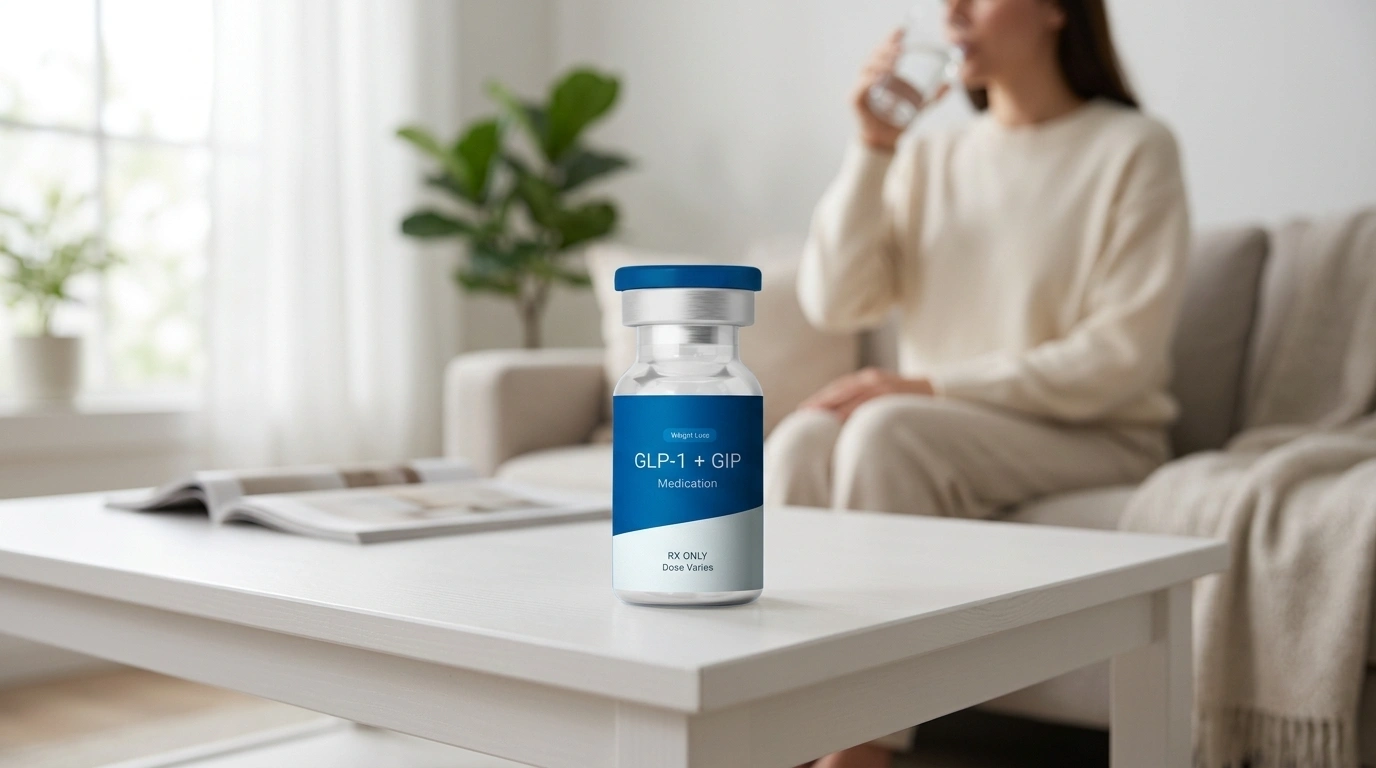
Table of Contents
- Introduction
- The Role of Tirzepatide and Subcutaneous Injection
- Approved Injection Sites for Zepbound
- Does the Specific Site Affect Weight Loss?
- Managing Side Effects Through Site Rotation
- Why Site Rotation is Non-Negotiable
- Preparing for Your Injection
- Step-by-Step Injection Process
- Identifying and Handling Injection Site Reactions
- Optimizing Your Program with TrimRx
- The Science of Fat Distribution and Absorption
- Maintaining Consistency and Tracking Results
- Common Myths About Injection Sites
- When to Consult Your Healthcare Provider
- Summary of Best Practices for Zepbound Injections
- Conclusion
- FAQ
Introduction
Starting a weight loss journey with a medication like Zepbound® can feel like a major turning point, but it often brings up practical questions about the day-to-day routine. You might find yourself standing in your bathroom, pen in hand, wondering if where you choose to inject the medication actually influences your results or how you feel. It is a common concern for those transitioning to medical weight loss, as the ritual of the weekly injection becomes a cornerstone of their health strategy. At TrimRx, we believe that understanding the nuances of your treatment—down to the specific injection site—empowers you to achieve more consistent outcomes. This article covers the approved injection sites, the science of subcutaneous absorption, and whether “switching it up” can help manage side effects. Understanding these factors ensures your personalized program remains both comfortable and effective.
If you are exploring whether a personalized prescription program may be appropriate for you, you can complete a free eligibility assessment.
The Role of Tirzepatide and Subcutaneous Injection
Tirzepatide is the active ingredient in Zepbound and works as a dual agonist. This means it mimics two different hormones in the body: glucagon-like peptide-1 (GLP-1) and glucose-dependent insulinotropic polypeptide (GIP). These hormones naturally occur in the gut and help regulate appetite, blood sugar, and how the body processes fat. By activating both pathways, the medication helps you feel full longer and improves metabolic efficiency.
The medication is delivered via a subcutaneous injection, which simply means the needle goes into the fatty tissue just under the skin. It is not intended to go into a muscle (intramuscular) or directly into a vein (intravenous). Fatty tissue has fewer blood vessels than muscle, which allows the medication to be absorbed slowly and steadily into the bloodstream over the course of a week. For a broader explanation, review this guide to taking a Zepbound shot safely.
Quick Answer: While the manufacturer identifies three primary sites for injection—the abdomen, thigh, and upper arm—research and patient reports suggest that the site can influence the intensity of side effects. Rotating these sites is essential to prevent skin changes and maintain consistent absorption.
Approved Injection Sites for Zepbound
The manufacturer has officially approved three specific areas of the body for Zepbound injections. These areas were chosen because they typically contain enough subcutaneous fat to ensure the medication is deposited correctly. Choosing one of these sites is the first step in ensuring the medication works as intended.
The Abdomen (Stomach)
The abdomen is the most common site for self-injection because it is easy to see and reach. When using the stomach, you should stay at least two inches away from the belly button (umbilicus). This area is highly vascularized, meaning it has a good supply of small blood vessels in the fat layer, which can lead to efficient absorption.
The Thigh
The front of the thigh is another primary option. This area is often preferred by individuals who may be sensitive to abdominal injections or who find the thigh easier to stabilize while using the injector pen. You should aim for the middle, fleshy part of the outer or front thigh, avoiding the bony area near the knee or the hip. For more placement detail, see this guide to the best part of the thigh for a Zepbound injection.
The Back of the Upper Arm
The upper arm is an approved site, but it comes with a specific recommendation: it is best administered by a caregiver or healthcare provider. Because it is difficult to reach the back of your own arm and maintain the correct angle for the pen, self-injection in the arm is generally discouraged. If someone is helping you, they should target the fatty area on the back of the triceps.
Does the Specific Site Affect Weight Loss?
Clinical data generally suggests that weight loss outcomes remain consistent regardless of which approved site you choose. Whether you inject in the thigh, stomach, or arm, the tirzepatide will eventually reach your systemic circulation and begin its work on the brain’s hunger centers and the body’s insulin response.
However, some individuals may perceive a difference in how “strong” the medication feels based on the site. This is often related to the rate of absorption. The abdomen typically has a slightly higher rate of blood flow in the subcutaneous layer compared to the thigh, which can lead to the medication reaching peak levels in the blood slightly faster. For the vast majority of people, these differences are negligible in terms of long-term weight loss progress. You can also review this explanation of whether injection site affects GLP-1 results.
Key Takeaway: The “best” site is the one that allows you to remain consistent with your weekly doses and causes the least amount of physical or emotional discomfort.
Managing Side Effects Through Site Rotation
One of the most discussed topics in the GLP-1 community is whether changing the injection site can reduce nausea. Common side effects of Zepbound include nausea, vomiting, diarrhea, and constipation. These occur because the medication slows down gastric emptying (how fast food leaves your stomach).
Many patients report anecdotally that injecting in the thigh or the arm leads to less intense nausea compared to injecting in the abdomen. While large-scale clinical trials have not definitively proven that the thigh is “better” for side effects, the logic follows that a slightly slower absorption rate in the leg might allow the body to adjust more gently to the weekly dose. For additional context, read this tirzepatide injection side effects management guide.
Note: If you are experiencing significant gastrointestinal distress, you should consult with a healthcare provider. They may suggest a different injection site or adjust your dosage to improve your comfort.
Why Site Rotation is Non-Negotiable
Rotating your injection site every week is critical for maintaining the health of your skin and the effectiveness of the medication. If you inject into the exact same spot every Tuesday, the tissue in that area can become stressed. This leads to two primary issues:
- Lipohypertrophy: This is the development of firm, fatty lumps under the skin. These lumps occur when the fat cells are repeatedly traumatized or exposed to high concentrations of medication in a single spot.
- Scar Tissue Formation: Over time, repeated injections in one spot can cause the tissue to harden.
Both lipohypertrophy and scar tissue can change how the medication is absorbed. If you inject into a lump or a hardened area, the Zepbound may not be absorbed consistently, which could lead to “stalls” in your weight loss or unexpected fluctuations in how you feel. This injection site rotation guide explains how to create a weekly rotation plan.
How to Rotate Effectively
You do not have to jump from your stomach to your thigh every week, though many people do. You can also rotate within a single site. For example, if you prefer the abdomen, you can visualize it as a clock face. One week, you inject at the “12 o’clock” position above the belly button. The next week, you move to the “3 o’clock” position. As long as the new site is at least one inch away from the previous week’s spot, you are successfully rotating.
Preparing for Your Injection
Proper preparation can reduce the risk of injection site reactions like redness or itching. Taking a few extra minutes to set up your space and prepare your skin makes the process feel more clinical and less daunting. At TrimRx, we encourage our members to view this as a dedicated moment for their health.
Step 1: Inspect the medication. / Look at the liquid inside the pen or vial. It should be clear and colorless or slightly yellow. If it is cloudy, contains particles, or looks discolored, do not use it.
Step 2: Clean the area. / Use an alcohol swab to thoroughly clean the chosen injection site. Allow the skin to air-dry completely before injecting. This prevents the alcohol from stinging when the needle enters the skin.
Step 3: Check the temperature. / Some people find that injecting cold medication straight from the refrigerator causes more discomfort. You can let the pen sit at room temperature for about 30 minutes before use, provided it is kept out of direct sunlight.
Step-by-Step Injection Process
Following the correct mechanical steps ensures you receive the full dose of your medication. Most people use a single-dose prefilled pen, which is designed for simplicity.
- Remove the Cap: Pull the cap off only when you are ready to inject. Do not touch the needle or the tip of the pen.
- Place and Unlock: Press the clear base of the pen flat against your skin at the chosen site. Turn the lock ring to the “unlock” position.
- Press and Hold: Depress the button at the top. You will typically hear a click, which signals the start of the injection.
- Listen and Wait: Keep the pen pressed firmly against the skin until you hear a second click or see the gray plunger stop moving. This usually takes about 10 seconds.
- Dispose Safely: Once finished, place the used pen into a sharps disposal container. Never throw used needles or pens into the regular household trash.
For additional technique guidance, review these GLP-1 injection site and administration techniques.
Identifying and Handling Injection Site Reactions
It is normal to experience a small amount of redness or a tiny drop of blood at the site. These are localized reactions that usually fade within a few hours or days. However, knowing the difference between a normal reaction and a problem is important for your peace of mind.
- Bruising: This can happen if the needle hits a small capillary. It is generally harmless but indicates you might want to try a different spot next week.
- Itching or Redness: Some patients experience a “welt” or an itchy patch at the site. This can sometimes be managed with an over-the-counter antihistamine or a cold compress, but you should mention it to your provider.
- Pain: While the needle is very thin, some sites are more sensitive than others. If a site is consistently painful, move to a different approved area.
For more comfort-focused advice, see these tips for reducing Zepbound injection discomfort.
Important: If you notice signs of an allergic reaction—such as hives, swelling of the face or throat, or difficulty breathing—seek emergency medical attention immediately.
Optimizing Your Program with TrimRx
A weight loss journey is about more than just where you place a needle; it is about a comprehensive approach to metabolic health. We understand that medications like compounded tirzepatide or branded Zepbound are powerful tools, but they work best when supported by personalized guidance.
The platform we provide connects you with licensed healthcare professionals who can help you navigate these practical questions. If you find that certain injection sites are causing bothersome side effects, your provider can discuss strategies or adjunct treatments. For example, our GLP-1 Daily Support supplement is designed to help provide the essential nutrients your body needs while on a reduced-calorie diet, which can sometimes help with the overall feeling of well-being during treatment.
Our goal at TrimRx is to remove the barriers to effective weight loss. By offering a telehealth-first model, we eliminate the need for waiting rooms and allow you to manage your health from the comfort of home. Whether you are using compounded medications from our partner FDA-registered, inspected compounding pharmacies or seeking guidance on branded options, we are here to support your progress.
The Science of Fat Distribution and Absorption
Individual body composition can play a minor role in how the medication is absorbed at different sites. Subcutaneous fat is not the same in all parts of the body. For example, the fat on the abdomen is often “metabolically active” and has a different blood flow profile than the fat on the thighs.
For individuals with a higher BMI, the layer of subcutaneous fat may be thicker, making the injection very straightforward. For those who have already lost a significant amount of weight and have less body fat, finding a “fleshy” spot may require more intention. In these cases, gently pinching a fold of skin can help ensure the medication stays in the subcutaneous layer and doesn’t get too close to the underlying muscle.
Maintaining Consistency and Tracking Results
Consistency is the most important factor in the success of GLP-1 and GIP therapy. To stay on track, many people find it helpful to keep a simple injection log. This doesn’t have to be complicated, but it should include:
- The date and time of the injection.
- The dose administered.
- The specific site used (e.g., “Upper Right Thigh”).
- Any side effects experienced during the week.
This log becomes an invaluable resource when you have your follow-up consultations. It allows your provider to see patterns. If you notice that your weight loss stalls every time you use your thigh, or that your nausea spikes every time you use your stomach, you can make data-driven decisions about your routine.
Common Myths About Injection Sites
There is a significant amount of misinformation online regarding where you should inject for “faster” results. It is important to separate fact from fiction to avoid unnecessary stress or improper use of the medication.
Myth: Injecting directly into an area where you want to lose fat (like the “love handles”) will cause spot-reduction. Fact: Zepbound works systemically. It travels through the bloodstream to receptors in the brain and gut. It does not burn fat specifically in the area where it is injected.
Myth: You should never use the stomach if you have a history of stomach issues. Fact: While the medication affects the digestive system, the injection site itself does not bypass the “stomach” by being in the thigh. The systemic effect on digestion remains the same, though the rate of absorption might vary slightly.
When to Consult Your Healthcare Provider
While self-injection is designed to be simple, you are never alone in the process. You should reach out to a professional if you experience any of the following:
- Severe skin reactions that do not go away after a few days.
- Signs of infection at the injection site, such as heat, pus, or spreading redness.
- Extreme gastrointestinal distress that prevents you from eating or drinking.
- Confusion about the dosing schedule or how to use the pen.
The providers we partner with are available to ensure that your experience is safe and that you feel confident in your self-administration.
Summary of Best Practices for Zepbound Injections
To get the most out of your treatment, follow these core principles for every dose.
- Rotate weekly: Never use the exact same spot two weeks in a row.
- Stay in the zone: Stick to the abdomen, thigh, or back of the arm.
- Distance matters: Stay two inches away from the belly button.
- Check the liquid: Ensure the medication is clear and the pen is not expired.
- Skin health: Never inject into skin that is bruised, scarred, or irritated.
- Proper disposal: Use a sharps container for every used pen.
Bottom line: While you have the freedom to choose between the stomach, thigh, and arm, rotating these sites and using proper technique are the keys to a comfortable and successful weight loss experience.
Conclusion
The question of whether the Zepbound injection site matters has both a clinical and a personal answer. Clinically, all three approved sites are effective for weight loss. Personally, the site you choose can impact your comfort level and how you manage the body’s adjustment to the medication. By rotating your sites and paying attention to your body’s unique responses, you can turn a simple weekly task into a seamless part of your wellness routine. Our mission at TrimRx is to provide the science-backed tools and empathetic support you need to navigate these details with confidence. We are committed to a transparent, personalized approach that helps you reach your goals sustainably.
If you are ready to take the next step in your health journey, we invite you to take the free assessment quiz to see which program is right for your unique health profile.
FAQ
Where is the best place to inject Zepbound?
The best place is any of the three manufacturer-approved sites: the abdomen, the front of the thigh, or the back of the upper arm. Most people find the abdomen or thigh easiest for self-injection, while the arm usually requires assistance from a caregiver. For a broader overview, read this Zepbound injection site guide.
Can I inject Zepbound in my stomach?
Yes, the stomach is one of the most common and effective injection sites. However, you must ensure you are injecting at least two inches away from your belly button to avoid more sensitive areas with more nerves and blood vessels.
What happens if I don’t rotate injection sites?
Failing to rotate sites can lead to lipohypertrophy, which is the development of firm lumps under the skin, or the formation of scar tissue. These issues can cause the medication to be absorbed unevenly, potentially reducing the effectiveness of your treatment. You can review this tirzepatide injection site rotation guide for additional guidance.
Should I inject Zepbound in the same spot every week?
No, you should never inject in the exact same spot every week. You should rotate between the approved areas (stomach, thigh, arm) or rotate different spots within the same area, ensuring each new injection is at least one inch away from the previous one. If you are still deciding whether a prescription program is right for you, you can complete the free assessment quiz.
Disclaimer: This content is for informational purposes only and does not constitute medical advice. It is not intended to diagnose, treat, cure, or prevent any disease or condition. Individual results may vary. Always consult a qualified healthcare professional before starting any weight loss program or medication.

Transforming Lives, One Step at a Time
Keep reading
Surfing on Zepbound: Paddling Strength, Cold Water, and Dawn Patrol
Surfing asks a lot of your body. Paddling out through broken waves takes shoulder, back, and core strength. Cold water drains energy. Dawn sessions…

Skydiving on Zepbound: Planning a Tandem Jump
For many people who have lost weight, a skydive is a goal they set years ago and finally feel ready for. Some dropzones have…
A Day at the Renaissance Faire on Zepbound
A Renaissance faire is a full day out: jousts, stage shows, artisan stalls, dusty lanes, and food built for spectacle, from giant turkey legs…


