Do Zepbound Injections Hurt? Tips for a Comfortable Experience
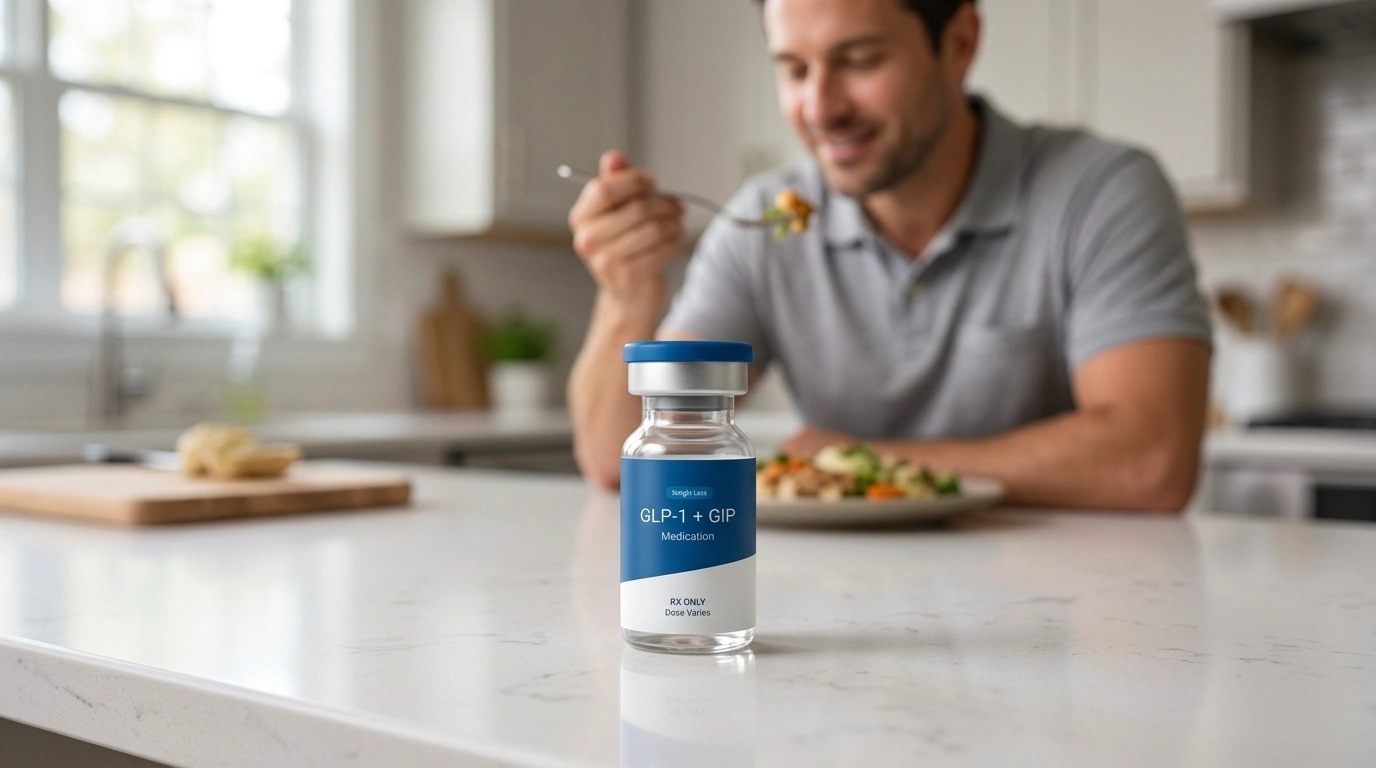
Table of Contents
- Introduction
- Understanding the Sensation of a GLP-1 Injection
- The Technology of the Auto-Injector Pen
- Why Some Injections Sting and How to Fix It
- Choosing the Best Injection Sites
- The Importance of Rotating Injection Sites
- A Step-by-Step Guide for a Pain-Free Injection
- Managing Common Injection Site Reactions
- How TrimRx Supports Your Treatment Path
- Enhancing Comfort with Targeted Support
- Conclusion
- FAQ
Introduction
Taking the first step toward a healthier lifestyle often involves navigating new territory, and for many, the idea of a weekly injection is the most intimidating part. If you have found yourself staring at a medication pen and wondering, “do zepbound injections hurt,” you are not alone. It is completely natural to feel a sense of anxiety about self-administration, especially if you are not accustomed to using needles. The anticipation of pain is often much more intense than the actual sensation of the medication entering the body.
At TrimRx, we believe that your weight loss journey should be defined by support and clarity, not by fear or discomfort. This article will break down exactly what a Zepbound® injection feels like, the science behind the needle technology, and the many ways you can minimize any physical sensation. We will cover the specific factors that cause a “sting” and provide a step-by-step routine for a virtually painless experience. Our goal is to equip you with the knowledge needed to focus on your metabolic health with confidence. While individual experiences vary, most patients find that with the right technique, the weekly dose becomes a minor, stress-free part of their routine. If you are exploring whether prescription treatment may be appropriate for you, you can complete a free eligibility assessment.
Understanding the Sensation of a GLP-1 Injection
When people ask if the injection hurts, the most common answer from long-term users is that it feels like a minor prick or a quick pinch. Many compare the sensation to a mosquito bite or a brief finger-prick blood test. On a pain scale of one to ten, the majority of individuals rank the experience between a one and a two.
Zepbound® is a branded medication that contains tirzepatide. This is a dual-receptor agonist, which is a type of medication that mimics two natural hormones in the body: glucagon-like peptide-1 (GLP-1) and glucose-dependent insulinotropic polypeptide (GIP). These hormones work together to help regulate your appetite and how your body processes sugar. Because these medications are proteins, they cannot be taken as a pill, as your stomach acid would destroy them. Instead, they must be delivered via a subcutaneous injection—meaning an injection into the fatty layer of tissue just under the skin. For a broader overview, see this step-by-step GLP-1 injection guide.
The reason these injections are generally painless is that the fatty layer of the body has far fewer pain-sensing nerves than muscle tissue or the surface of the skin. The needles used in these auto-injector pens are micro-fine and exceptionally thin, often compared to the width of two human hairs. They are designed to enter the skin quickly and reach only the shallow fatty layer, bypassing the deeper areas where pain is more likely to be felt.
Quick Answer: Most patients describe the injection as a minor, one-second pinch. The use of micro-fine needles and the targeted delivery into fatty tissue (subcutaneous) rather than muscle significantly limits any discomfort.
The Technology of the Auto-Injector Pen
One of the biggest advantages for those with needle anxiety is the design of the auto-injector pen. Unlike traditional syringes where you see the needle and manually push a plunger, the Zepbound® pen keeps the needle hidden from view at all times. This “blind” delivery system is specifically engineered to reduce the psychological stress that comes from seeing a needle.
The pen uses a spring-loaded mechanism. When you press the button, the spring moves the needle into the skin at a high speed. This speed is a deliberate design choice; a faster entry is typically much less painful because it spends less time interacting with the nerves in the outer layer of the skin. You will hear a click when the injection starts and a second click when it is finished, usually within five to ten seconds. For many, the sound of the click is more startling than the needle itself.
The needle is also incredibly short, usually only a few millimeters long. It is precisely calibrated to stop in the subcutaneous fat layer. Because the device handles the depth and the pressure for you, there is very little room for user error that might lead to an uncomfortable experience. If you are still learning the process, this guide to the Zepbound injection experience offers additional context.
Why Some Injections Sting and How to Fix It
If you do experience a sharp sting or a burning sensation, it is rarely because of the needle itself. Most discomfort is caused by external factors that are easily controlled. By understanding these variables, you can ensure almost every dose is painless.
The Temperature Effect
Zepbound® must be kept in the refrigerator to remain stable and effective. However, injecting cold liquid into warm human tissue is the number one cause of a “sting.” Cold liquid is more viscous, which means it is thicker and requires more pressure to move into the tissue. This creates a sensation of pressure and a cold “bite” that can be uncomfortable.
To fix this, take your pen out of the refrigerator 30 to 60 minutes before you plan to use it. Letting the medication reach room temperature allows the liquid to thin out, making the flow into your body much smoother and less noticeable. Most manufacturers state the medication is safe at room temperature for up to 21 days, so a short time on the counter will not harm the medicine. For more detail, read about letting Zepbound warm up before injecting.
Residual Alcohol on the Skin
It is a standard safety practice to clean your injection site with an alcohol prep pad. However, alcohol is a known irritant. If you inject while the skin is still wet, the needle can carry a tiny amount of liquid alcohol into the puncture site. This causes an immediate, sharp stinging sensation.
Always wait at least 60 seconds for the alcohol to air-dry completely. Do not blow on the site to speed it up, as this can introduce bacteria from your breath. Ensure the skin looks matte and dry before you place the pen against it.
Muscle Tension and Anxiety
When we are nervous, our muscles naturally tense up. Even though you are injecting into the fat layer, tensing the muscles underneath can make the skin feel tighter and more sensitive. This tension can amplify the feeling of the needle.
Practicing deep breathing and consciously relaxing the area, such as the stomach or thigh, can make a significant difference. If you are relaxed, the needle passes through the skin with much less resistance. If you are considering treatment and want to understand the next step, you can see if you qualify for a personalized program.
Key Takeaway: The “sting” of an injection is almost always preventable. By letting the medication warm to room temperature and ensuring the alcohol has dried, you remove the two most common sources of discomfort.
Choosing the Best Injection Sites
Where you choose to inject can have a major impact on what you feel. The three approved areas for Zepbound® are the abdomen, the front of the thighs, and the back of the upper arms. Each site has a different pain profile based on how much fat and how many nerves are present. You can also review this guide to the best places to inject GLP-1 medications.
The Abdomen (Stomach)
The stomach is the most popular choice for self-injection. Most people have a consistent layer of subcutaneous fat here, which acts as a cushion. To minimize pain, stay at least two inches away from the belly button. The tissue directly around the navel is tougher and contains more nerve endings, making it more sensitive than the rest of the abdomen.
The Thighs
The front or outer side of the thigh is another common option. This site is very easy to see and reach. However, some people find the thigh slightly more sensitive than the stomach because the skin is often tighter and the muscle is closer to the surface. If you choose the thigh, it helps to sit down and ensure your leg is completely relaxed.
The Upper Arm
The back of the upper arm is a valid site, but it is generally the most difficult for self-administration. It requires you to reach behind your shoulder or have a partner assist you. Because it is harder to hold the pen at a steady 90-degree angle on the arm, there is a slightly higher chance of an uncomfortable “pinch.”
| Injection Site | Ease of Use | Sensation Level | Notes |
|---|---|---|---|
| Abdomen | High | Lowest | Stay 2 inches from the navel; most fat cushion. |
| Thigh | High | Low to Moderate | Ensure the leg is relaxed; sit down for better access. |
| Upper Arm | Low | Moderate | Best if a partner or caregiver assists with the dose. |
The Importance of Rotating Injection Sites
One of the most critical rules for a comfortable experience is site rotation. This means you should never inject in the exact same spot two weeks in a row. If you repeatedly use the same square inch of skin, you can develop a condition called lipohypertrophy. This is a buildup of thickened, rubbery fatty tissue under the skin.
Injecting into thickened tissue can be painful, and more importantly, it can prevent the medication from being absorbed correctly into your bloodstream. We recommend moving your injection site at least one inch away from the previous week’s spot. Many people find it helpful to imagine their stomach as a clock and move the injection site to a different “hour” each week. For a structured approach, see this guide to rotating injection sites for semaglutide and tirzepatide.
A Step-by-Step Guide for a Pain-Free Injection
Consistency is the key to reducing anxiety. By following the same routine every week, you train your brain to view the injection as a simple, non-threatening task.
Step 1: Temper the medication. Take your pen out of the fridge and let it sit for 30 to 60 minutes. Check the clear window to ensure the medicine is clear and colorless (a slightly yellow tint is also normal).
Step 2: Prepare the site. Wash your hands with soap. Choose your site (stomach or thigh) and wipe it with an alcohol swab in a circular motion. Wait a full 60 seconds for it to dry.
Step 3: Position the pen. Pull the gray base cap straight off and throw it away. Do not put it back on, as this can damage the needle. Place the clear, flat base of the pen against your skin at a 90-degree angle.
Step 4: Unlock and breathe. Only once the pen is firmly against your skin should you turn the lock ring to the “unlock” position. Take a deep breath in and exhale slowly to relax your muscles.
Step 5: Inject. Press and hold the purple button. You will hear the first click. Keep holding the pen firmly against the skin until you hear the second click, which signals the dose is complete. This usually takes about 10 seconds.
Step 6: Confirm and dispose. Check the window for the gray plunger; this confirms the dose was delivered. Place the used pen in an FDA-cleared sharps container or a heavy-duty plastic container with a secure lid.
Managing Common Injection Site Reactions
Even when the injection itself is painless, some people experience a mild reaction in the hours or days following the dose. These are typically normal responses as your body adapts to the medication.
- Redness or Itching: A small red circle or a mild itch at the site is common. This is often a localized immune response. A cold compress or an over-the-counter anti-itch cream can provide quick relief.
- Bruising: A small bruise can happen if the needle accidentally nicks a tiny blood vessel (a capillary). This is more likely if you press the pen too hard into the skin or if you are taking blood-thinning medications.
- A Small Lump: You might feel a firm bump at the site. This is often just the medication sitting in the subcutaneous space before it is fully absorbed. It usually disappears within 24 to 48 hours.
While these reactions are generally mild, you should consult a licensed healthcare professional if you notice signs of an infection, such as significant swelling, warmth at the site, or pain that worsens over time. Similarly, if you experience hives, swelling of the face, or difficulty breathing, seek medical attention immediately, as these are signs of an allergic reaction. For additional information, review this overview of tirzepatide injection side effects.
How TrimRx Supports Your Treatment Path
At TrimRx, we understand that managing your weight is about more than just the medication—it is about the support system that surrounds it. Our platform merges clinical expertise with the convenience of modern technology to provide a personalized weight loss experience that fits your lifestyle. We connect you with licensed providers who evaluate your health history and goals to determine the most appropriate treatment path.
Our programs are designed to be transparent and comprehensive. Whether you are using a branded medication or a compounded option, we provide the guidance needed to manage side effects and injection anxiety. We offer access to medications shipped from FDA-registered and inspected compounding pharmacies. While compounded semaglutide and compounded tirzepatide are not FDA-approved, they are often used by providers to offer customized dosing or to navigate medication shortages.
When you work with us, you have 24/7 access to a dedicated team of specialists. If you ever have a question about your injection technique or how you are feeling, we are here to provide the answers you need to stay on track toward sustainable health.
Enhancing Comfort with Targeted Support
Optimizing your experience with GLP-1 or GIP medications often involves supporting your body from the inside out. When your body is well-nourished and your digestion is balanced, you are less likely to feel sensitive to the small stressors of a weekly injection.
Many individuals in our programs find that quick-access supplements can help bridge the gap. For example, our GLP-1 Daily Support is designed to provide essential nutrients that may be lacking when your appetite is reduced. When you feel your best physically, the process of self-injection becomes just another small step in your broader wellness routine. Supporting your metabolic health is a long-term commitment, and we are dedicated to providing the tools—both prescription and supplemental—to make that commitment feel achievable and comfortable.
Conclusion
The question of whether Zepbound® injections hurt is one of the most common concerns for new patients, but the reality is rarely as scary as the anticipation. Thanks to micro-fine needle technology and a high-speed auto-injector design, the physical sensation is typically nothing more than a minor, one-second prick. By mastering simple techniques—like letting the medication warm up and ensuring your skin is dry—you can transform your weekly dose into a painless habit.
Our mission at TrimRx is to empower you to take control of your metabolic health through science, empathy, and personalized care. We believe that everyone deserves a transparent and supportive path to sustainable weight loss, free from the stress of waiting rooms or hidden fees. Whether you are just beginning your research or are ready to start your program, we are here to guide you every step of the way.
If you are ready to explore how a personalized program can support your goals, the first step is simple. We invite you to take the free assessment quiz to see which prescription options may be appropriate for your health profile. Your journey to a healthier, more confident version of yourself is just a few clicks away.
FAQ
Does the injection hurt more in the stomach or the thigh?
Pain is subjective, but many people find the abdomen to be the most comfortable site because it usually has more fatty tissue to cushion the needle. The thigh can sometimes feel a bit more sensitive if the skin is tight or the muscle is close to the surface. Rotating between these sites can help you determine which area works best for your body.
Should I be worried if I see a drop of blood after the injection?
Seeing a small drop of blood is common and usually just means the needle touched a tiny capillary near the skin’s surface. Simply blot the area gently with a clean tissue or gauze; do not rub it, as rubbing can increase the chance of a bruise. A drop of blood does not mean the medication was not delivered correctly.
Can I use an ice cube to numb the area before injecting?
Yes, if you are very sensitive or anxious, you can apply an ice cube or an ice pack to the site for about 60 seconds before cleaning it with alcohol. This will temporarily numb the surface nerves. Just make sure the skin is thoroughly cleaned and completely dry before you proceed with the injection.
What if I don’t feel anything at all during the injection?
It is very common to feel absolutely nothing, which is a testament to how thin the needle is. If you heard both clicks (the start and the finish) and you can see the gray plunger in the window of the pen, your dose was delivered successfully. You do not need to feel pain for the medicine to work. If you want to understand why this can happen, read about not feeling a Zepbound injection.
Disclaimer: This content is for informational purposes only and does not constitute medical advice. It is not intended to diagnose, treat, cure, or prevent any disease or condition. Individual results may vary. Always consult a qualified healthcare professional before starting any weight loss program or medication.

Transforming Lives, One Step at a Time
Keep reading
Surfing on Zepbound: Paddling Strength, Cold Water, and Dawn Patrol
Surfing asks a lot of your body. Paddling out through broken waves takes shoulder, back, and core strength. Cold water drains energy. Dawn sessions…

Skydiving on Zepbound: Planning a Tandem Jump
For many people who have lost weight, a skydive is a goal they set years ago and finally feel ready for. Some dropzones have…
A Day at the Renaissance Faire on Zepbound
A Renaissance faire is a full day out: jousts, stage shows, artisan stalls, dusty lanes, and food built for spectacle, from giant turkey legs…


