What Does Ozempic Injection Look Like?
Introduction
Taking the first step toward a healthier weight often involves navigating a landscape of new terms, medical jargon, and unfamiliar tools. For many, the transition to using a GLP-1 (glucagon-like peptide-1) medication can feel slightly overwhelming, especially when it involves self-administration. If you want a quick primer on the hormone itself, our What is GLP-1? A 2026 Breakdown from Our Medical Experts can help. It is perfectly normal to feel a bit of “needle nerves” or to be curious about what the actual medication looks like before your first dose arrives. At TrimRx, we believe that understanding your treatment is the foundation of a successful health journey. In this guide, we will break down exactly what the Ozempic® injection looks like—from the outer box and the delivery pen to the liquid itself and the ultra-thin needles. By the end of this article, you will feel confident identifying the components of your medication and knowing exactly what to expect when you open your first shipment.
The Outer Packaging and Box Design
When you first receive your medication, the visual cues on the box are your first point of reference. The packaging is designed to be highly functional, using color-coded systems to help patients and healthcare providers distinguish between different dosages. This is a critical safety feature because the medication is often prescribed in an escalating dose schedule. If you’re wondering how treatment usually begins, our How Do I Start Taking Ozempic: A Step-by-Step Guide is a helpful companion.
The box is a rectangular, sturdy cardboard container. On the front, you will see the brand name Ozempic® prominently displayed alongside the generic name, semaglutide. Semaglutide is the active ingredient that mimics the natural GLP-1 hormone in your body to help regulate appetite and blood sugar.
Depending on the prescribed dose, the color accents on the box will vary:
- Teal/Green Labeling: Typically used for the starting dose pen, which delivers both 0.25 mg and 0.5 mg doses.
- Blue/Red Labeling: Generally associated with the 1 mg dose pen.
- Yellow/Gold Labeling: Reserved for the 2 mg dose pen.
The box will also clearly state the total volume of medication inside and how many needles are included. Most standard packs include one multi-dose pen and several disposable needles, ensuring you have everything required for a month of treatment.
Anatomy of the Ozempic® Pen
The medication is not delivered in a traditional syringe but rather in a sophisticated, pre-filled, multi-dose injection pen. This device is designed for ease of use, even for those who have never handled a needle before. Understanding the different parts of the pen can help demystify the process.
The Pen Cap
The pen is roughly the size of a large marker or a fountain pen. When you first pick it up, it will be covered by a large, opaque cap. This cap protects the medication from light, which is important for maintaining the stability of the semaglutide. Underneath this cap is where you will eventually attach the disposable needle.
The Medication Window
On the side of the pen, there is a clear plastic window. This is one of the most important visual components. Through this window, you can see the liquid medication stored inside the reservoir. Looking through this window allows you to check the clarity of the medicine and see how much is remaining in the pen.
The Dose Selector and Counter
At the end of the pen opposite the needle, there is a rotating dial known as the dose selector. This dial allows you to click through to your specific dose. Next to this dial is the dose counter window. As you turn the dial, the numbers (0.25, 0.5, 1, or 2) will appear in this small window. You will also see a dash symbol used for “priming” or checking the flow of the pen before the first use.
The Injection Button
The very tip of the pen features a button that you depress to deliver the medication. It is designed to be pushed with your thumb while the pen is held firmly against the injection site.
Key Takeaway: The Ozempic® pen is a high-tech, multi-dose delivery system that uses color-coded labels and a digital-style click-dial to ensure you receive the precise dose every time.
What the Medication Liquid Looks Like
One of the most common questions patients ask is: “What color should the liquid be?” This is a vital safety check that you should perform before every single injection.
The liquid semaglutide inside the pen must be clear and colorless. It should look exactly like plain water. When you look through the transparent medication window, you should not see any debris, particles, or cloudiness.
Important: If the liquid in your pen looks cloudy, discolored, or has small flakes floating in it, do not use it. This could indicate that the medication has been exposed to extreme temperatures or has expired. In such cases, you should contact your pharmacist or healthcare provider for a replacement.
Because the pen is multi-dose, you will see a rubber stopper inside the reservoir that moves forward as you use the medication. This is normal and helps you visually track how much of the medicine is left.
Understanding the Injection Needles
The physical appearance of the needle is often the biggest source of anxiety. However, once patients see it, they are usually surprised by how small and thin it actually is. Ozempic® uses a specific type of disposable needle, often referred to as a “Novofine®” needle.
Needle Gauge and Length
These needles are “insulin-style” needles, meaning they are incredibly fine. They are typically 32 gauge (which refers to the thickness) and only about 4 mm to 6 mm in length. To put that in perspective, they are roughly the thickness of a few human hairs and much shorter than a standard needle used for a blood draw.
The Protective Caps
Each needle comes in a sterile paper-sealed pack. Once you peel off the paper and screw the needle onto the pen, you will see two plastic caps:
- The Outer Needle Cap: A larger clear or tinted cap that covers the entire needle assembly.
- The Inner Needle Cap: A very small, often green or blue cap that sits directly over the tiny needle itself.
You must remove both caps before the needle is visible and ready for use. After the injection, the needle is removed and discarded in a sharps container. You should never see the needle “naked” in the box; it is always safely tucked away in its sterile packaging until you are ready to use it.
Dosing Variations: A Visual Guide
As mentioned earlier, the physical appearance of the pen changes slightly depending on the strength of the dose it is designed to deliver. It is helpful to know these differences so you can verify you have received the correct prescription from the pharmacy.
| Pen Label Color | Dose Options | Primary Use Case |
|---|---|---|
| Teal / Green | 0.25 mg and 0.5 mg | Starting doses to allow the body to adjust. |
| Blue / Red | 1.0 mg | Maintenance dose for continued metabolic support. |
| Yellow / Gold | 2.0 mg | The highest available dose for therapeutic effect. |
Regardless of the color of the label, the size and shape of the pen remain consistent. The primary difference is the internal mechanism that controls how far the dose selector can turn and how much liquid is released with each click.
Storage and Maintenance Appearance
How the medication looks over time depends heavily on how it is stored. Because semaglutide is a protein-based hormone, it is sensitive to temperature. For a deeper look at storage and handling, read our Semaglutide Storage, Travel & Handling: Everything You Need to Know.
- Before First Use: New, unused pens must be stored in the refrigerator. They should look pristine, and the box should be kept intact to protect the pens from light.
- After First Use: Once you have used the pen for the first time, you can keep it at room temperature (between 59°F and 86°F) for up to 56 days. You can also continue to keep it in the refrigerator.
- The Cap Rule: The pen should always have its large opaque cap on when not in use. If you see a pen sitting without a cap, the medication inside may be degrading due to light exposure.
Note: Never freeze the medication. If the liquid in the window looks like ice or has ever been frozen and then thawed, it is no longer safe to use and must be discarded.
Preparing the Injection: What You Will See
When it is time for your weekly dose, the process follows a specific visual sequence. Licensed healthcare providers often describe this as the “Check, Select, Inject” method. If you want a broader administration overview, see our Where Should You Give Yourself an Ozempic Shot?.
Step 1: Check your supplies. / Ensure the liquid is clear and the expiration date on the pen has not passed.
Step 2: Attach the needle. / Peel the paper tab and screw the needle onto the pen tip until it is snug.
Step 3: Prime the pen (First use only). / Turn the dose selector to the flow-check symbol (usually a small dash or two dots). Press the button and look for a tiny drop of liquid at the needle tip. This confirms the pen is working.
Step 4: Select your dose. / Turn the dial until your prescribed number (e.g., 0.5) is centered in the window.
Step 5: Inject and hold. / Insert the needle into the skin of your abdomen, thigh, or upper arm. Press the button and watch the dose counter turn back to “0.” Hold it there for about 6 seconds to ensure the full dose is absorbed.
Authenticity and Safety: Spotting Counterfeits
With the high demand for GLP-1 medications, it is important to know what a genuine pen looks like to avoid counterfeit products. A real Ozempic® pen is a high-quality medical device.
Red Flags for Counterfeits:
- The dose selector does not “click” when turned.
- The labels are taped on or have spelling errors.
- The liquid is cloudy or contains particles.
- The box does not have a batch number or expiration date.
- The pen is a different color than the official teal, blue, or gold versions.
Buying medication through reputable, licensed channels is the only way to ensure safety. At TrimRx, we prioritize your health by connecting you with licensed healthcare providers who can prescribe high-quality medications from licensed compounding pharmacies when appropriate. This ensures that whether you are using a branded medication or a compounded alternative, your treatment is managed with strict attention to safety and quality.
Alternatives: What Compounded Semaglutide Looks Like
While many people are familiar with the branded pen, many personalized weight loss programs utilize compounded semaglutide. It is important to understand that the physical appearance of compounded medication is different from the branded pen.
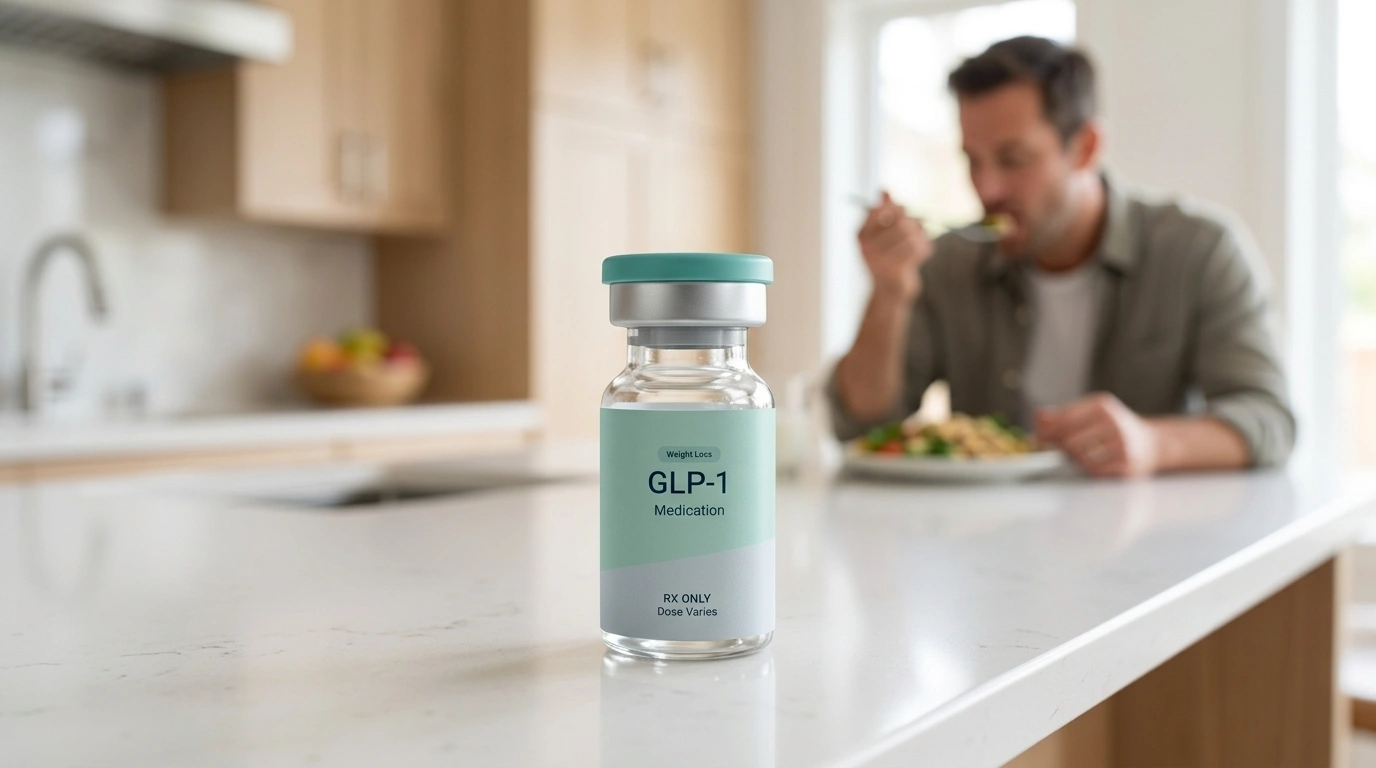
Compounded semaglutide, which we facilitate through our platform, is typically provided in a sterile glass vial rather than a pre-filled pen.
- The Vial: A small, clear glass bottle with a rubber stopper at the top.
- The Syringe: You will use a separate, very thin insulin syringe to draw the medication out of the vial.
- The Liquid: Just like the branded version, compounded semaglutide should be clear and colorless.
Compounded options allow for highly personalized dosing, which can be beneficial for individuals who need to adjust their treatment more gradually under medical supervision. These medications are prepared by specialized pharmacies that follow rigorous safety protocols.
The Role of Personalized Support
Navigating the visual and technical aspects of weight loss medication is much easier with a dedicated team behind you. We provide a telehealth-first experience that removes the stress of traditional doctor visits. Our program includes:
- Free Online Assessment: A comprehensive quiz to determine your eligibility and medical history. If you’re ready to get started, take the free assessment quiz.
- Doctor Consultations: Access to licensed providers who understand your goals.
- Transparent Programs: One consistent program regardless of your dosage, with no hidden fees.
- Continuous Support: 24/7 access to specialists who can answer questions about your medication’s appearance or your injection technique.
If you want a broader overview of administration and monitoring, our How to Take GLP-1: A Comprehensive Guide to Effective Weight Loss is a useful next read.
Sustainable weight loss is about more than just a weekly injection; it is about having the right tools and the right team to guide you through every step of the process.
Maximizing Your Results
Knowing what your injection looks like is the first step, but optimizing your body’s response to the medication is what leads to long-term success. Many patients find that supporting their metabolic health with targeted nutrition can enhance the effects of semaglutide.
For example, our GLP-1 Daily Support supplement is designed to provide the essential nutrients your body needs while on a weight loss program.
Similarly, Weight Loss Boost supplement can help maintain energy levels and support muscle health during your journey. When combined with a personalized program, these tools help create a holistic approach to health.
Conclusion
The physical appearance of an Ozempic® injection is designed with safety, precision, and ease of use in mind. From the color-coded boxes and the clear, water-like medication to the tiny, hair-thin needles, every element serves a specific purpose in your treatment. Understanding these visual cues helps you take control of your health with confidence and peace of mind.
Key Takeaway: Familiarizing yourself with the “clear and colorless” liquid, the specific dose colors, and the multi-dose pen mechanics is essential for safe and effective medication use.
Our mission is to help you embrace a healthier lifestyle through a transparent, personalized, and science-backed approach. We understand that every individual is unique, which is why our platform focuses on more than just prescriptions—we focus on your entire journey. Whether you are curious about starting a GLP-1 program or looking for better ways to manage your current treatment, we are here to provide the clinical expertise and modern technology you need to succeed.
If you are ready to take the next step in your health journey, the best place to start is with our free online assessment. This quiz helps our partner providers understand your health profile and goals, ensuring that any treatment plan—whether it involves branded medications or compounded alternatives—is perfectly tailored to your needs.
FAQ
What should I do if the liquid in my pen is cloudy?
If the liquid inside the medication window is cloudy, discolored, or contains visible particles, you should not use it. The medication must be clear and colorless, like water, to be considered safe and effective. Contact your healthcare provider or pharmacist immediately to report the issue and request a replacement. If you want to see whether this treatment is a fit for you, take the free assessment quiz.
Can I see the needle through the pen cap?
No, the needle is not visible while the pen cap is on. The needle is a separate, disposable component that you must screw onto the tip of the pen yourself. Even after you attach the needle, it remains hidden under two protective plastic caps until you are ready to perform the injection.
Why are there different colors on the Ozempic boxes?
The different colors (teal/green, red/blue, and yellow/gold) are used to distinguish between the various dose strengths available. This color-coded system helps prevent medication errors, ensuring that patients can easily identify whether they are using the starting dose, a maintenance dose, or the highest available dose.
Is the needle for the injection painful?
Most patients report very little discomfort during the injection because the needle is extremely thin and short. It is designed to go just under the skin (subcutaneously) rather than into a muscle or vein. Many people describe the sensation as a tiny pinch that is significantly less painful than a standard flu shot or blood draw.
Disclaimer: This content is for informational purposes only and does not constitute medical advice. It is not intended to diagnose, treat, cure, or prevent any disease or condition. Individual results may vary. Always consult a qualified healthcare professional before starting any weight loss program or medication.

Transforming Lives, One Step at a Time
Keep reading

Playing in a Tennis League on Ozempic
Joining a tennis league is one of the best things you can do for fitness, friendship, and a bit of friendly competition. Many adults…

Sledding and Ice Skating With the Grandkids on Ozempic
Winter break with grandchildren often means sledding hills, outdoor rinks, and snowball fights in the yard. For many grandparents who have lost weight on…

Hosting a Quinceañera on Ozempic
A quinceañera is one of the biggest days in a family’s life. There is a Mass or blessing, photos, a grand entrance, the court’s…


