Keto Diet for Beginners: Simple Guide to Get Started
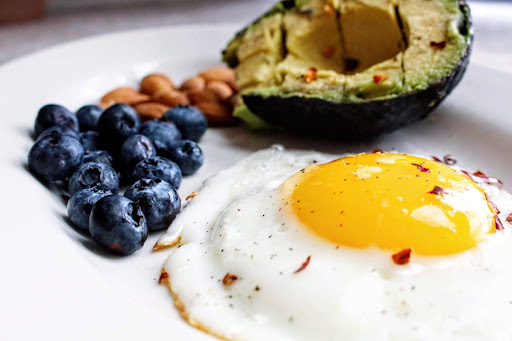
The keto diet for beginners looks simple from the outside and feels messy from the inside. The rules fit on an index card: keep carbohydrates low, eat fat and protein, wait for the body to switch fuel sources. The hard part arrives around day three, when a headache shows up, energy drops, and the kitchen still holds bread. Most people who quit do it in that first week, and most quit for reasons a little preparation could have prevented. A beginner’s guide is only useful if it explains those reasons clearly.
The team at TrimRx works with people who want structure while making that switch, which is part of why this guide exists. It covers what the ketogenic diet actually is, how ketosis works, which foods to eat and which to avoid, and how to build a keto diet plan that survives past the first month. It also looks at the research behind the ketogenic diet for weight loss, the side effects that catch beginners off guard, and a sample keto week. Diets for weight loss come and go, and it does not matter what type of diet a person picks if the plan cannot be sustained.
What Is the Keto Diet?
The ketogenic diet is a very low-carbohydrate, high-fat way of eating. The premise of the ketogenic diet is straightforward. When carbohydrate intake drops low enough, usually below 50 grams of net carbohydrate per day, the liver begins converting fat into ketone bodies, which the brain and muscles can burn for fuel. That shift is called nutritional ketosis.
The diet was not designed for weight loss. The ketogenic diet is also used today to treat drug-resistant epilepsy in children, which is what it was created for in the 1920s. Its popularity as a weight loss tool came much later. A standard ketogenic diet splits calories roughly into 70 to 75 percent fat, 20 to 25 percent protein, and 5 to 10 percent carbohydrate.
A few variations exist. The targeted ketogenic approach adds a small amount of carbohydrate around workouts. The cyclical version alternates keto days with higher carbohydrate days, and a high protein version raises protein to protect muscle. A ketogenic diet for beginners rarely needs any of these at the start, because the standard version is simpler to plan and easier to repeat.
One clarification matters. Nutritional ketosis is not diabetic ketoacidosis. Ketone levels in nutritional ketosis usually sit between 0.5 and 3.0 millimoles per liter. Ketoacidosis is a medical emergency with far higher ketone levels, and it occurs mainly in people with type 1 diabetes when insulin is severely lacking.
How Does the Keto Diet Work?
How does keto work at the level of the body? Carbohydrates are normally broken down into glucose, which the body uses as its main source of energy. When glucose is scarce, insulin levels fall. Lower insulin tells the liver to release stored glycogen and then to begin breaking down stored body fat. The liver converts some of that fat into ketone bodies, and the body moves into a metabolic state known as ketosis.
Fat becomes the primary fuel, and the brain adapts to using ketones alongside whatever glucose remains. Most people reach a state of ketosis within three to seven days, though the timeline varies. Someone who starts with a lower carb intake, moves regularly, and sleeps well tends to get there faster.
How to get into ketosis comes down to a few levers: keep net carbs near 20 grams per day for the first few weeks, eat moderate protein rather than very high protein, stay active, and keep stress and sleep in a reasonable range. Blood ketone meters give the most accurate reading at home. Urine strips cost less but become less reliable after the first few weeks as the body adapts.
What Can You Eat on a Keto Diet?
The keto diet food list is shorter than most people expect, but it is not as narrow as the jokes suggest. Foods to eat include meat, poultry, fish, eggs, cheese, butter, olive oil, avocado, nuts, seeds, and low-starch vegetables such as spinach, broccoli, cauliflower, and zucchini. Foods like eggs and salmon cover protein and fat at the same time, which makes planning easier.
Protein should stay in a moderate range. Too little protein risks losing muscle during weight loss, while very large amounts are unnecessary for most people. Fat supplies the rest of the calories, and it should come from nutritious foods rather than from butter poured over everything. Whole foods work better than packaged keto products, which often contain sugar alcohols that cause digestive trouble in large amounts.
Recommended foods for beginners:
- Beef, pork, chicken, turkey, and lamb
- Salmon, tuna, sardines, and other fatty fish
- Eggs, prepared in butter or oil
- Cheese, heavy cream, and full-fat yogurt in small amounts
- Olive oil, coconut oil, avocado oil, and butter
- Almonds, walnuts, pecans, chia seeds, and flaxseed
- Avocado
- Leafy greens, broccoli, cauliflower, peppers, and mushrooms
- Small portions of raspberries or blackberries
Some people find that a ketogenic Mediterranean diet, which leans on fish, olive oil, and vegetables rather than red meat and butter, is easier to follow and kinder to heart health markers. Keto-friendly foods do not have to be expensive, either. Canned fish, eggs, and frozen vegetables cover most of the list.
Foods to Avoid on the Keto Diet
The list of foods to avoid on keto is mostly a list of carbohydrate sources. Bread, pasta, rice, oats, and other grains are out. So are potatoes, corn, and most root vegetables. Sugar in any obvious form, including soda, juice, candy, and most desserts, pushes carbohydrate intake past the limit quickly.
Legumes are usually too high in carbohydrate to fit. Most fruit is also too high, with berries being the exception. Beans, lentils, chickpeas, bananas, grapes, and mangoes tend to break ketosis for beginners. Anything low in carbohydrates by nature is safe, and anything sweetened or made from grain is not.
The harder part of what not to eat on keto involves labels. Sauces, dressings, marinades, and flavored coffee drinks often hide sugar. Processed foods marketed as keto deserve a second look too, since a bar labeled low carb may still carry 10 or more grams of net carbohydrate. Comparing a very low carbohydrate product against a regular one on the nutrition panel takes seconds and prevents most mistakes.
How to Start a Keto Diet

How to start keto without burning out comes down to preparation. The first step is choosing a carbohydrate target, usually 20 grams of net carbohydrate per day for beginners. The second is clearing the kitchen of the foods most likely to derail the plan. The third is planning a week of meals before the week begins. A beginner named Marcus, who started keto after a borderline blood sugar reading, found that writing his meals down on Sunday removed most of his daily decisions.
For anyone wondering how to start a ketogenic diet with a medical condition in the picture, a conversation with a physician comes first. That applies to type 2 diabetes, kidney disease, liver disease, and anyone taking medication for blood sugar. Insulin and sulfonylurea doses often need adjusting, and a doctor can guide that safely.
Practical steps for starting keto for beginners:
- Track carbohydrate intake for at least two weeks, using an app or a notebook
- Eat three meals a day at first rather than snacking constantly
- Add salt to food and drink broth during the first week
- Drink water throughout the day
- Expect a dip in energy around days two to four
- Follow the diet for 8 weeks before deciding whether it fits
Starting keto for beginners is often described as hard, and the first week can be. The diet can be challenging, but most of the difficulty comes from the transition rather than from the diet itself.
Keto Diet Benefits
The most discussed benefit is weight loss. A meta-analysis of randomised controlled trials found that low carbohydrate diets produced greater short-term weight loss than low fat diets, though the gap narrowed by twelve months. Work published in the British Journal of Nutrition, the American Journal of Clinical Nutrition, and the European Journal of Clinical Nutrition has reached similar conclusions. The ketogenic diet has been shown to reduce appetite for many people, which likely explains much of the effect.
Blood sugar control is the second area of interest. Several trials have found that the effect of a ketogenic diet on blood sugar and HbA1c is meaningful for people with type 2 diabetes, at least over six to twelve months. The ketogenic diet may also improve triglycerides and raise HDL cholesterol, though LDL responses vary from person to person.
Other reported benefits include fewer cravings, steadier energy, and improved body composition when protein intake is adequate. Research on the effect of the diet on body composition suggests that higher protein versions protect lean mass during weight loss. Studies comparing a ketogenic diet for long-term weight loss against other approaches generally find similar results when adherence is equal, which suggests that any approach is effective for weight loss mainly because it lowers total intake. A diet can be a low-carb plan or a low-fat plan, and either can work. The real question is whether it stays effective for weight loss over years rather than months.
Keto Diet Side Effects
The best-known side effect is the keto flu, a cluster of symptoms that appears in the first week. Keto flu symptoms include headache, fatigue, irritability, dizziness, muscle cramps, and constipation. The name is misleading, since no infection is involved. The cause is a mix of carbohydrate withdrawal, water loss, and electrolyte depletion.
When insulin levels fall, the kidneys flush sodium and water, and potassium and magnesium go with them. Replacing those minerals reduces symptoms quickly. Salt on food, a cup of broth, avocado, spinach, and a magnesium supplement cover most of it. Symptoms usually fade within three to seven days.
Other adverse effects include bad breath, temporary hair thinning, and a higher risk of kidney stones in people prone to them. A very restricted diet can also lead to nutrient gaps if vegetables are neglected. Anyone with persistent vomiting, confusion, or chest pain should seek medical care rather than wait it out.
7 Day Keto Meal Plan for Beginners
A beginner’s meal plan works best when it repeats a small number of familiar dishes. The sample keto week below keeps breakfast simple, builds lunches from leftovers, and leans on easy keto meals that take under thirty minutes to prepare. Each day lands somewhere between 20 and 30 grams of net carbohydrate. Portion sizes depend on individual calorie needs, so someone larger or more active will eat more of the same foods.
Day 1. Breakfast is eggs scrambled in butter with a handful of spinach. Lunch is a Cobb salad with chicken, boiled egg, avocado, and olive oil dressing. Dinner is baked salmon with roasted broccoli. The first day is deliberately plain, which makes it easier to notice how hunger and energy shift.
Day 2. Breakfast is full-fat Greek yogurt with chia seeds and chopped almonds. Lunch uses chicken thighs with cauliflower rice. Dinner is ground beef spooned over zucchini noodles. Ground beef and cauliflower cover fat, protein, and volume without pushing carbohydrate intake up.
Day 3. Breakfast is an omelet filled with cheese and mushrooms. Lunch is tuna salad served in lettuce cups. Dinner is pork chops with green beans cooked in butter. Canned tuna keeps this day cheap and fast, which matters on a weeknight.
Day 4. Breakfast stays small with coffee and two boiled eggs. Lunch is leftover pork over a green salad with olive oil. Dinner is a shrimp stir-fry with bell peppers and a splash of tamari. Leftovers do most of the work here, and that is the point of planning a week.
Day 5. Breakfast is cottage cheese with walnuts. Lunch is a bunless burger topped with avocado and tomato. Dinner is cod with asparagus and butter. This day shows how a familiar meal, in this case a burger, fits the plan once the bun comes off.
Day 6. Breakfast is eggs with bacon and sliced tomato. Lunch is chicken salad with celery. Dinner is steak with sautéed mushrooms. Bacon is fine on keto as long as it does not crowd out other protein sources during the week.
Day 7. Breakfast is an omelet with goat cheese and herbs. Lunch is leftover steak over greens. Dinner is chicken soup with cauliflower instead of noodles. Ending the week with soup makes a large batch that covers the next day or two.
Notes for Following the Plan
Snacks are optional. If hunger appears between meals, cheese, nuts, a boiled egg, or a few olives work better than a packaged bar, which often carries sugar alcohols that cause digestive trouble in large amounts. Anyone who trains hard may want a small protein snack after a workout.
Sauces and dressings deserve attention. Keto-friendly recipes for ranch, aioli, and vinaigrette take a few minutes and remove most of the hidden carbohydrate that shows up in bottled versions. Marinades are another common source, since sugar is frequently the second or third ingredient.
The plan can be rearranged freely. Swapping days, repeating favorites, or replacing fish with chicken changes nothing about the macros as long as the carbohydrate sources stay the same. Beginners who dislike a specific meal should replace it rather than force it down, since a meal plan only helps if it is followed. Those who want more variety can look up keto recipes for casseroles, sheet pan dinners, and slow cooker meals, all of which reheat well for lunch.
One caution applies to anyone with type 2 diabetes or kidney disease. A meal plan of this kind should be reviewed with a physician before it begins, since medication doses often need adjusting once carbohydrate intake drops.
Common Keto Mistakes for Beginners
The first mistake is cutting both carbohydrate and fat. A low-fat diet and a ketogenic diet pull in opposite directions, and a person who restricts both ends up hungry and tired. Fat is the fuel source in this eating plan, and a high-fat diet is the point rather than a problem. High-fat foods like olive oil, salmon, and avocado do the work.
The second mistake is ignoring electrolytes. Most early discomfort traces back to sodium, potassium, and magnesium rather than to the diet itself. The third is relying on processed keto products. Bars, cookies, and shakes labeled keto-friendly are often highly processed and easy to overeat.
The fourth is skipping vegetables, since fiber supports digestion and feeds gut bacteria, and leafy greens fit easily within the carbohydrate limit. The fifth is quitting during the second week, right before the adjustment period ends. Most people who follow the diet for 8 weeks and push through the first ten days report steadier energy afterward.
Frequently Asked Questions About the Keto Diet
1. How many carbs per day does keto allow?
Most beginners aim for 20 to 50 grams of net carbohydrate per day. Starting at 20 grams is the surest route into ketosis, and the number can be raised later once the body adapts.
2. How long does it take to enter ketosis?
Some people see ketones within 24 to 48 hours. Most take three to seven days, depending on starting carbohydrate intake, activity level, and how closely the diet is followed.
3. Can the keto diet be vegetarian?
Yes, with planning. Eggs, cheese, tofu, tempeh, nuts, seeds, avocado, and low-starch vegetables can cover the macros. Vegan versions are harder because legumes and most plant proteins carry more carbohydrates.
4. Is keto safe for people with type 2 diabetes?
Research suggests real benefits for blood sugar control, but the diet changes medication needs. Anyone with type 2 diabetes should make the change with a physician involved.
5. How long should someone stay on keto?
There is no fixed answer. Some people follow a keto lifestyle long term, while others use it for a set period and then move to a less strict low-carb diet.

Transforming Lives, One Step at a Time
Keep reading

Does Bupropion Cause Weight Gain or Loss?
Bupropion, better known by the name Wellbutrin, has been prescribed for depression for more than three decades. It is also used to treat seasonal…

Top 5 Best Weight Loss Programs for Beginners in 2026
Starting a weight loss journey means sorting through GLP-1 medication ads, apps that gamify your groceries, and online weight management programs promising a doctor…

What to Do With a Full Pantry You No Longer Eat From
Sort it into three piles rather than clearing it all out: donate, keep, and discard. The mistake most people make is emptying the whole…


