Is Mounjaro Injection Painful? Tips for a Comfortable Experience
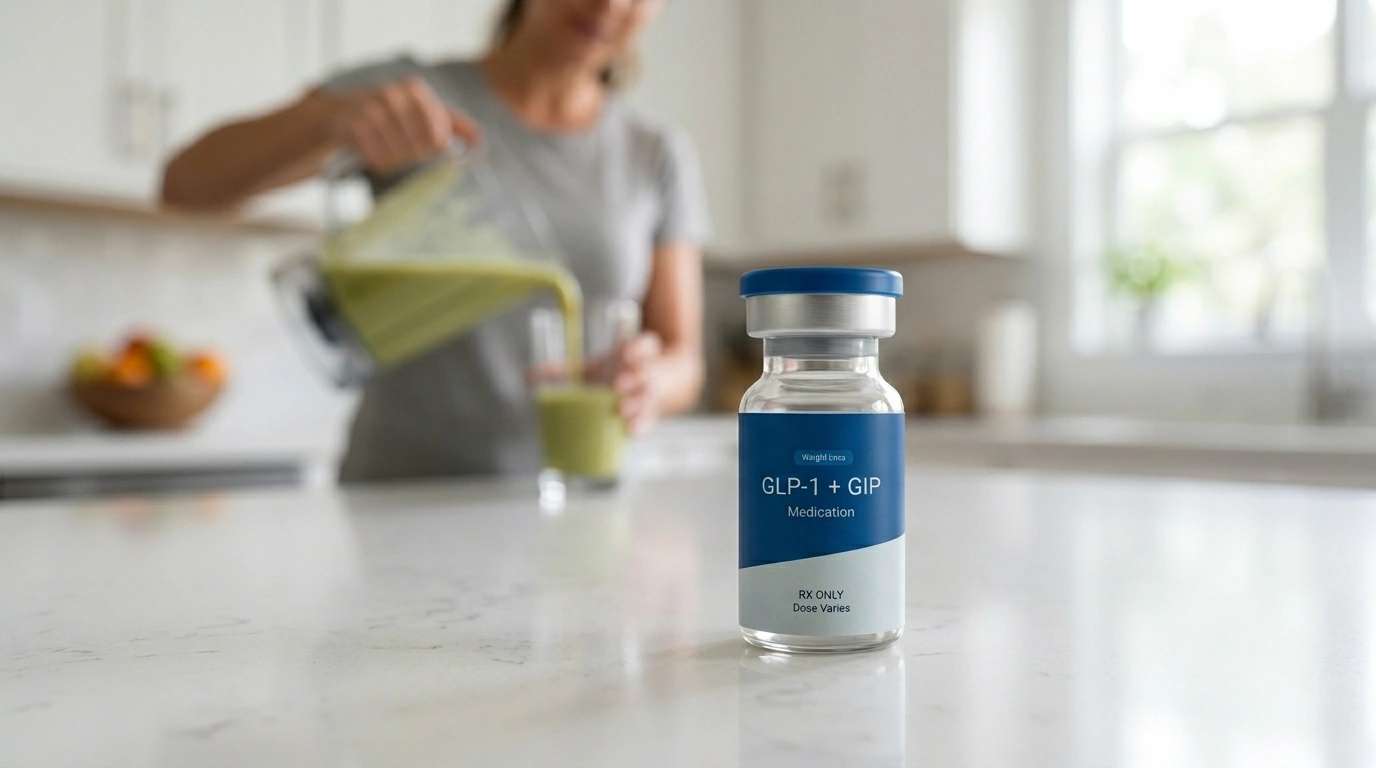
Table of Contents
- Introduction
- Understanding the Subcutaneous Injection
- Why the Injection Generally Isn’t Painful
- Best Injection Sites for Comfort
- Common Sensations: What is Normal?
- Practical Tips to Minimize Discomfort
- Step-by-Step for a Pain-Free Routine
- Side Effects vs. Injection Pain
- Managing Needle Anxiety
- How TrimRx Supports Your Journey
- Summary Checklist for a Better Experience
- Conclusion
- FAQ
Introduction
The thought of starting a new medication often brings a mix of hope and hesitation. If you are considering a GLP-1 (glucagon-like peptide-1) medication for weight management, you likely have one pressing question: is the injection going to hurt? This is a completely natural concern. Most of us grew up associating needles with painful childhood vaccinations or blood draws, which can create significant “needle anxiety.” If you are still deciding whether treatment is right for you, you can take the free assessment quiz to see which personalized program fits your goals.
At TrimRx, we believe that understanding your treatment is the first step toward a successful and stress-free journey. Whether you are using a branded medication like Mounjaro® or a compounded alternative, the injection process is designed to be as gentle as possible. For a deeper look at discomfort and technique, our guide to why Mounjaro injections hurt and how to fix it is a helpful companion. This article will break down exactly what the Mounjaro® injection feels like, which sites are the least sensitive, and how you can make your weekly routine virtually painless. By the end of this guide, you will have the practical tools and clinical context needed to approach your health goals with confidence.
Understanding the Subcutaneous Injection
To understand the level of discomfort you might feel, it is helpful to know where the medication is actually going. Mounjaro® is a subcutaneous injection. Subcutaneous means the medication is delivered into the fatty tissue layer just beneath the skin but above the muscle.
This is a critical distinction because subcutaneous injections are significantly less painful than the intramuscular injections you might receive for a flu shot. Muscle tissue is dense and contains many nerve endings, whereas the fatty layer has fewer nerves and is much more “forgiving.”
Quick Answer: For most people, the Mounjaro® injection feels like a brief, minor pinch or a small sting that lasts only a few seconds. Because the needles used are extremely thin and short, many users report feeling almost nothing at all.
The Role of Needle Gauge
The “gauge” of a needle refers to its thickness. The higher the gauge number, the thinner the needle. Most GLP-1 and GIP (glucose-dependent insulinotropic polypeptide) injection pens use 31-gauge or 32-gauge needles. To put that in perspective, these needles are about as thin as two human hairs. They are designed specifically to glide through the skin with minimal resistance.
Why the Injection Generally Isn’t Painful
The design of the Mounjaro® “KwikPen” or the syringes used for compounded medications focuses heavily on user comfort. There are three main reasons why you likely won’t find the process painful:
- Small Needle Length: The needles are typically only 4mm to 5mm long. This ensures the medication stays in the fatty tissue and does not reach the muscle.
- Automated Delivery: Branded pens use an internal spring mechanism. This means you do not have to manually push a needle into your skin; the pen does it for you at a controlled, rapid speed that minimizes the sensation.
- Site Options: You have the flexibility to choose areas of your body with higher concentrations of subcutaneous fat, which naturally cushions the injection.
Best Injection Sites for Comfort
Where you choose to inject can have a direct impact on how much you feel the needle. The three approved areas for Mounjaro® injections are the abdomen, the thigh, and the back of the upper arm. If you want a fuller breakdown of site selection, the article Does Injection Site Matter for Mounjaro? explains how each location can affect your experience.
The Abdomen
The stomach area is the most common choice for many patients. It typically has a generous layer of subcutaneous fat, making it one of the least painful options.
- Placement: You should stay at least two inches away from your belly button.
- Pro: Usually the easiest area to access and often the least sensitive.
- Con: Some people notice more gastrointestinal side effects like nausea in this area.
The Thigh
The front of the thigh is another popular option, especially for those who are a bit squeamish about injecting into their stomach.
- Placement: Aim for the middle third of the front or outer part of the thigh.
- Pro: Easy to see and stabilize the pen against the skin. Some patients report fewer side effects when using the thigh.
- Con: If you have very little body fat on your legs, you may feel the “sting” slightly more than in the abdomen.
The Back of the Upper Arm
This site is generally recommended only if you have someone else to help you.
- Placement: The fleshy part of the back of the arm.
- Pro: A good alternative if you need to rotate away from the stomach or legs.
- Con: Difficult to reach on your own; injecting at the wrong angle can increase discomfort.
Comparing the Sites
| Site | Pain Level | Ease of Use | Best For |
|---|---|---|---|
| Abdomen | Very Low | Excellent | Beginners and self-administration |
| Thigh | Low | Good | Those experiencing nausea |
| Upper Arm | Moderate | Requires Help | Rotating sites over long-term use |
Key Takeaway: While all approved sites are effective for medication absorption, the abdomen is widely considered the most comfortable starting point for those worried about pain.
Common Sensations: What is Normal?
It is helpful to distinguish between the physical act of the injection and the “feeling” of the medication entering the body.
The Initial Pinch
When the needle first enters the skin, you might feel a sharp, tiny pinch. This sensation usually dissipates in less than two seconds. If you are using an auto-injector pen, the “click” of the pen is often louder and more startling than the needle itself.
The Cold Sting
If you take your medication directly out of the refrigerator and inject it immediately, you may feel a cold, stinging sensation as the liquid enters the tissue. This is not caused by the needle, but by the temperature of the medication.
Post-Injection Tenderness
A few minutes after the injection, the site might feel slightly “bruised” or tender to the touch. This is normal and typically goes away within an hour. Some people may also notice a tiny drop of blood or a small clear drop of medication on the skin; this is common and does not mean the dose was lost.
Practical Tips to Minimize Discomfort
If you are still nervous about the pain, follow these steps to ensure the most comfortable experience possible. Our goal at TrimRx is to help you integrate these treatments into your life with as little friction as possible.
1. Let the Medication Reach Room Temperature
This is perhaps the most important tip. Cold liquid is much more likely to cause a “sting.” Take your pen or vial out of the fridge about 30 to 60 minutes before you plan to inject. As long as the medication stays below 86°F (30°C), it is safe to leave out for this short duration.
2. Use an Alcohol Prep Pad Correctly
Clean the skin with an alcohol swab to prevent infection, but wait for the alcohol to dry completely before injecting. If the skin is still wet with alcohol when the needle goes in, it can cause a sharp burning sensation.
3. Rotate Your Sites
Never inject into the exact same spot two weeks in a row. This helps prevent “lipohypertrophy,” which is a buildup of fatty lumps under the skin. These lumps can make the skin tougher and the injections more painful over time.
4. Relax Your Muscles
If you are tense, your skin and underlying tissue will be tighter, which can make the needle entry more noticeable. Take a deep breath and consciously relax the area (especially the thigh) before you press the button.
5. Numb the Area (Optional)
If you are extremely sensitive, you can apply an ice cube to the injection site for about 30 seconds before cleaning it with alcohol. This numbs the surface nerves and can make the prick virtually undetectable.
Step-by-Step for a Pain-Free Routine
Follow this process for a smooth experience:
- Step 1: Preparation. Wash your hands and gather your supplies. Check that your medication is clear and colorless.
- Step 2: Acclimation. Let the pen sit at room temperature for at least 30 minutes.
- Step 3: Site Selection. Choose a fleshy area on your abdomen or thigh.
- Step 4: Sanitization. Wipe with alcohol and wait 30 seconds for it to air dry.
- Step 5: Injection. Hold the pen firmly against the skin. Unlock the pen, press the button, and hold for 10 seconds. You will hear two clicks—one when it starts and one when it finishes.
- Step 6: Completion. Check the window of the pen to ensure the gray plunger is visible. This confirms the dose is complete.
Side Effects vs. Injection Pain
It is important to distinguish between the pain of the needle and a localized skin reaction. While the needle prick is over quickly, some people experience “injection site reactions.”
For a closer look at that difference, the article Why Does My Mounjaro Injection Site Hurt? explains the common causes of irritation and tenderness. Symptoms include:
- Redness or “flushing” around the site.
- Itching.
- Small, firm bumps or swelling.
- Minor bruising.
These reactions are usually mild and represent your body’s immune system responding to the medication or the needle. They often decrease in frequency as your body gets used to the treatment. If you experience severe swelling, hives, or difficulty breathing, you should seek medical attention immediately, as these can be signs of an allergic reaction.
Managing Needle Anxiety
For many, the “pain” is more psychological than physical. If you find yourself procrastinating on your injection day, try these mental strategies:
- The 5-Second Rule: Once you have the pen ready and the skin cleaned, count down: 5, 4, 3, 2, 1—and press the button. Don’t give your brain time to overthink it.
- Distraction: Listen to a favorite song or watch a quick video while you do the injection.
- Focus on the Goal: Remind yourself why you are doing this. Whether it is improving your metabolic health, gaining energy, or reaching a target weight, the two-second pinch is a very small part of the process.
How TrimRx Supports Your Journey
We understand that starting a medical weight loss program is a significant decision. We provide more than just access to a platform; we offer a path toward a healthier lifestyle. If you want help deciding whether treatment is a fit, you can see if you qualify through the free assessment quiz.
When you work with licensed providers through our platform, you receive guidance on everything from dosage to administration. We are here to help you feel more confident about the process, including how to make your injections more comfortable.
Bottom line: While the fear of needles is real, the reality of the Mounjaro® injection is that it is a quick, minor sensation that most people find very easy to manage.
Summary Checklist for a Better Experience
- Check the temperature: Always let the pen warm up for 30 minutes.
- Dry the skin: Let the alcohol evaporate before the needle touches the skin.
- Stay in the fat: Choose the abdomen or thigh for the most “cushion.”
- Don’t hover: Place the pen firmly against the skin before activating it.
- Rotate weekly: Move the site at least one inch away from your previous spot.
Conclusion
The question of whether Mounjaro® injections are painful is one we hear often, and the answer is overwhelmingly positive: most patients find the process much easier than they expected. By using thin, high-gauge needles and subcutaneous delivery, the manufacturers have minimized discomfort to a brief, manageable sting. With a few simple steps—like allowing the medication to reach room temperature and rotating your injection sites—you can make your weekly routine a seamless part of your life.
Our mission is to help you embrace a healthier lifestyle through science and empathy. We are here to support you with a transparent, personalized approach that removes the barriers to sustainable weight loss. If you are ready to take the next step toward your health goals, we invite you to take the free assessment quiz to see which personalized program is right for you.
FAQ
Does Mounjaro® hurt more than Ozempic®?
Most patients report that the sensation is nearly identical because both medications use very thin, high-gauge needles and are injected into the same subcutaneous tissue. If you want another perspective on the experience, our Do Mounjaro Injections Hurt? guide covers the basics in more detail.
What should I do if I see a drop of blood after the injection?
Seeing a tiny drop of blood or a small bruise is completely normal and happens when the needle occasionally nicks a small capillary under the skin. Simply blot the area with a clean tissue or cotton ball; it does not mean that the medication did not work or that you did anything wrong.
Can I inject Mounjaro® into my muscle to make it work faster?
No, you should never intentionally inject Mounjaro® into a muscle. It is specifically designed for subcutaneous (under the skin) absorption, which allows the medication to be released into your system at the correct, steady rate. Injecting into a muscle can increase pain and may affect how the medication works.
Why does the injection sting sometimes but not others?
The most common reason for a “sting” is injecting medication that is still cold from the refrigerator. Other factors include injecting into an area with less body fat, not letting the alcohol dry on your skin, or accidentally tensing your muscles during the process.
Disclaimer: This content is for informational purposes only and does not constitute medical advice. It is not intended to diagnose, treat, cure, or prevent any disease or condition. Individual results may vary. Always consult a qualified healthcare professional before starting any weight loss program or medication.

Transforming Lives, One Step at a Time
Keep reading
Purim on Mounjaro: The Fast, the Seudah, and the Drinking
Purim celebrates the story of Esther with some of the most joyful customs of the Jewish year. The Fast of Esther, from dawn until…
Celebrating Nowruz on Mounjaro
Nowruz, the New Year celebrated at the spring equinox, is one of the most joyful times of the year for Iranian, Afghan, Kurdish, Azerbaijani,…
Memorial Day Weekend at the Lake on Mounjaro
For many families, Memorial Day weekend opens the summer at the lake. There are boat rides, tubing, swimming off the dock, coolers full of…


