A History of Yo-Yo Dieting on Ozempic
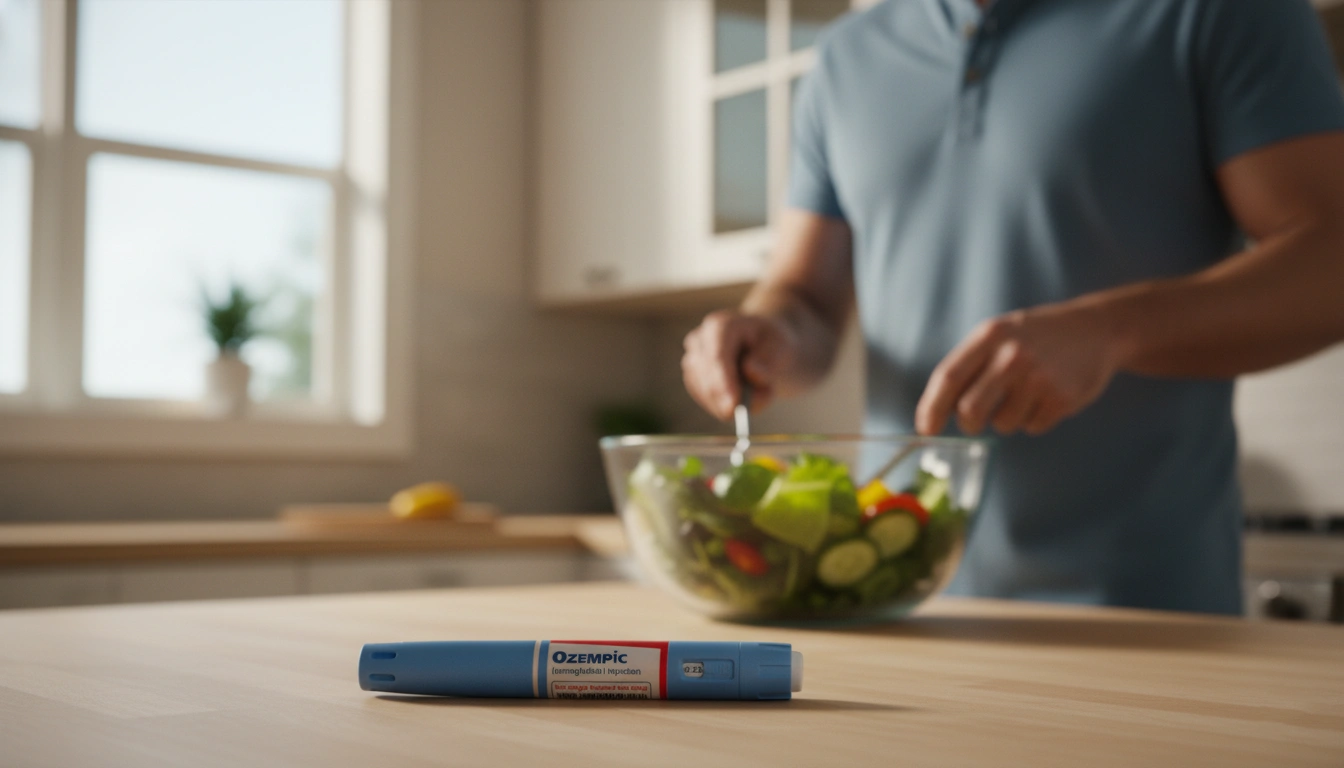
Many people who start Ozempic or another GLP-1 have been here before. Years of diets, programs, cleanses, and restarts, each one ending with the weight coming back. That history shapes how you approach treatment. Some people hope this will finally be the one that sticks. Others brace for failure, or quietly try to lose as fast as possible before it “stops working.”
If you have a history of weight cycling, here is how to approach treatment in a way that breaks the old pattern instead of repeating it.
This is not another diet
Diets usually depend on willpower against constant hunger. GLP-1 medications work differently, by changing appetite and fullness signals. That can make eating less feel easier than ever. The risk for long-time dieters is treating that ease as permission to restrict as hard as possible. Eating very little might speed up the scale at first, but it can cost you muscle, energy, and health.
Drop the crash-diet habits
Old habits that may not serve you now include:
- Skipping meals because you are not hungry.
- Cutting out whole food groups overnight.
- Weighing yourself several times a day.
- Seeing any food as “cheating.”
- Trying to “make up” for a bigger meal by not eating the next day.
Instead, aim to eat something small and often, with protein at each meal. Our guide on getting the most out of your GLP-1 treatment covers why protein and strength training matter.
Protect your muscle
Repeated rounds of fast loss and regain can leave people with less muscle over time. Eat enough protein, keep strength training in your week, and do not chase the fastest possible drop on the scale. Watch for persistent fatigue, feeling cold, hair shedding, dizziness when you stand, losing strength, and losing weight faster than you and your provider intended. These are signs you may be under-eating, and your provider should hear about them.
Expect the medication to do ongoing work
It helps to know what tends to happen when treatment stops. In the extension of the STEP 1 trial, people who came off semaglutide regained about two thirds of the weight they had lost over the following year, with cardiometabolic markers drifting back toward where they started. That is an average across a group, not a prediction about you. But it shows the medication is doing ongoing work, and that obesity is a long-term condition rather than a problem a short diet can fix.
Plan for the long term
Talk with your provider early about what success looks like over years, not weeks. Discuss what happens if you reach a plateau, how long you might stay on treatment, and what a careful plan for stopping would look like if you and your provider ever decide on it. Our guide on taking a break and restarting covers why stopping and restarting is more involved than it sounds.
Never skip doses to “save” the medication
Some long-time dieters ration doses, skip weeks to stretch a supply, or stop as soon as they hit a number. Talk to your provider instead. Changing your schedule on your own can bring back side effects and make treatment less predictable. Our guide on the Ozempic starting dose covers what the first weeks usually look like.
Store your medication properly
If you have ever bought supplies in bulk “while you were motivated,” be careful with medication. Keep only what your pharmacy supplies, follow the storage instructions, and do not keep pens or vials past their dates. Our guide on storing compounded semaglutide or tirzepatide at home covers the basics.
Change how you measure progress
The scale is only one number, and long-time dieters often have a complicated relationship with it. Consider weighing less often, and track other changes such as energy, strength, sleep, blood pressure, or how far you can walk.
Work on the thoughts as well as the food
Years of dieting can leave a lot of guilt and shame around food and your body. Treatment can bring up those feelings, especially when old clothes fit again or when you have a bigger meal. A counselor who works with people around food and weight can help. If you ever have thoughts of harming yourself, call or text 988 any time.
If you have diabetes
The prescribing information for Wegovy, which contains semaglutide, the same active ingredient as Ozempic, at a higher dose, notes that patients with diabetes mellitus taking it in combination with insulin or an insulin secretagogue, such as a sulfonylurea, may have an increased risk of hypoglycemia, including severe hypoglycemia. If that is you, skipping meals carries extra risk, so plan your eating with your provider.
Consider this scenario: a woman who has dieted on and off for 20 years starts Ozempic and decides to “go all in.” She eats one small meal a day, weighs herself every morning and night, and plans to stop the medication as soon as she reaches her goal. By month four she is exhausted and losing strength. Eating something small and often with protein, weighing herself less, talking with her provider about a long-term plan, and seeing a counselor about her history with dieting would very likely have set her up for lasting change.
The short version
With a history of yo-yo dieting, treat Ozempic as long-term care, not another crash diet. Drop the old habits of skipping meals and extreme restriction, eat something small and often with protein, protect your muscle, and watch for signs of under-eating. Remember the medication does ongoing work, plan for the long term with your provider, never skip doses on your own, and get support for the thoughts and feelings that years of dieting leave behind.
If you want a provider who will help you plan for the long term, TrimRx includes ongoing provider access alongside treatment.
This information is for educational purposes and is not medical advice. Consult with a healthcare provider before starting any medication. Individual results may vary.

Transforming Lives, One Step at a Time
Keep reading

A Keto Diet on Ozempic
Many people come to GLP-1 treatment after trying low-carb or ketogenic diets, and some want to combine the two. Keto can feel familiar, and…

A Night Owl Schedule on Ozempic
Not everyone lives on a morning schedule. Some people naturally sleep late, eat dinner late, and do their best thinking after dark. A night…

Being a Picky Eater on Ozempic
Some people have always had a short list of foods they enjoy. Strong preferences about texture, taste, or smell can make many protein foods…


