Is It Normal to Not Feel Anything After Taking Ozempic?
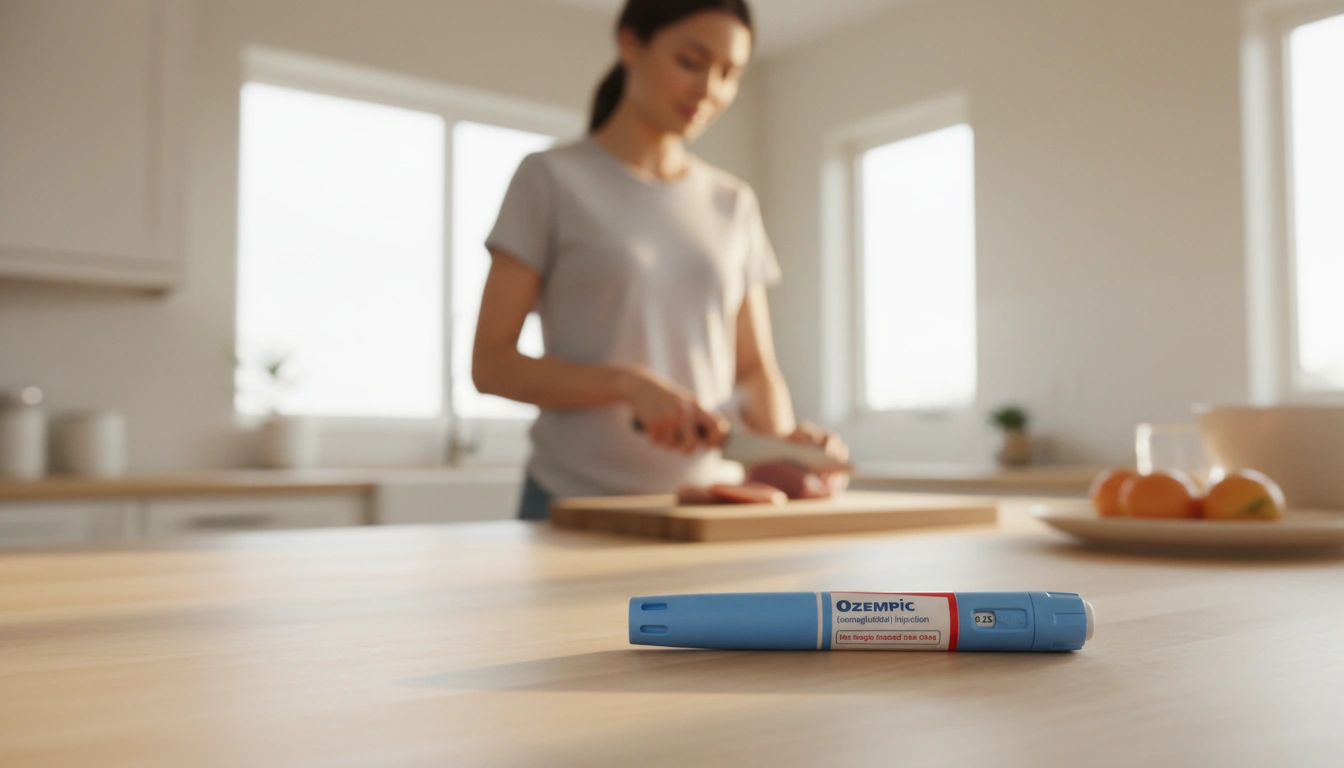
You have heard stories about people losing interest in food overnight or feeling queasy after their first dose. Then you take your own first shots of Ozempic or another GLP-1 and feel nothing at all. No change in appetite, no side effects, nothing. It is natural to wonder whether it is working, or whether something went wrong.
Here is what is often going on and what to check.
The short answer
Yes, it can be normal to feel little or no change in the first weeks, especially at a starting dose. These medications are started low on purpose and stepped up over time. But if you still feel no change after several weeks, it is worth checking your storage, your injection technique, and talking to your provider.
Why you might not feel much at first
- The starting dose is low by design. It is meant to help your body adjust and reduce side effects, not to produce the full effect right away. Our guide on the Ozempic starting dose covers what the first weeks usually look like.
- Effects build over time. Many people notice more change as the dose is gradually increased. Our guide on semaglutide dose escalation covers how dose steps usually work.
- People respond differently. Some feel strong effects early, others more gradually.
- No side effects is a good thing. Not feeling nausea does not mean the medication is not working.
Check how your medication is stored
These medications are proteins, and the pharmaceutical literature on protein aggregation shows that heat, freezing, and vigorous agitation can all cause proteins to unfold and clump, which can reduce potency without any visible change. You usually cannot tell by looking. If your medication was left in a hot car, frozen, or left out, call your pharmacy. Our guide on storing compounded semaglutide or tirzepatide at home covers the basics.
Check your injection technique
Make sure you are following the instructions for your pen or vial, injecting into the fatty tissue under the skin, and giving the full dose. If medication leaks out, or you are unsure you are doing it right, ask your provider or pharmacist to walk you through it. Our guide on GLP-1 injection sites covers where to inject.
Do not increase your dose yourself
It can be tempting to take more to “make it work.” Do not change your dose on your own. Taking more than prescribed can cause severe side effects. Talk to your provider instead.
Look beyond the scale and appetite
Changes can be subtle at first: slightly smaller portions, fewer cravings, less snacking, or feeling full a little sooner. Our guide on tracking your progress covers ways to notice changes beyond your weight.
When to talk to your provider
Tell your provider if you notice no change after several weeks at your current dose, if you think your medication may have been damaged, or if you are unsure about your injection technique. They can review your plan and decide whether and when to adjust your dose.
If you have diabetes
The prescribing information for Wegovy, which contains semaglutide, the same active ingredient as Ozempic, at a higher dose, notes that patients with diabetes mellitus taking it in combination with insulin or an insulin secretagogue, such as a sulfonylurea, may have an increased risk of hypoglycemia, including severe hypoglycemia. Even if you do not feel different, keep checking your blood sugar as directed, and never change those medicines on your own.
Keep building healthy habits
While the dose is being adjusted, focus on habits that support treatment: protein at each meal, regular small meals, strength training, sleep, and fluids. These make a difference no matter how quickly you feel the medication.
Watch for the signs of under-eating too once your appetite does drop: persistent fatigue, feeling cold, hair shedding, dizziness when you stand, losing strength, and losing weight faster than you and your provider intended.
It can also help to remember that treatment is measured in months, not days. Early weeks are about getting used to the medication and building a routine. Many people who felt little at first notice clearer changes once they reach a dose that suits them, and the habits they built early make those changes easier to sustain.
Consider this scenario: a woman on Ozempic feels no change after her first two doses and considers doubling her next dose. She also keeps her pen in the fridge door, which gets bumped constantly. Remembering that the starting dose is meant to be low, moving her pen to a middle shelf in a labeled box, asking her pharmacist to check her injection technique, and talking to her provider rather than changing the dose herself would very likely have kept her treatment safe and on track.
The short version
Not feeling anything after taking Ozempic can be normal in the first weeks, because treatment starts at a low dose and is stepped up over time. Check that your medication has been stored correctly and that your injection technique is right, look for subtle changes, and never increase your dose on your own. Talk to your provider if you notice no change after several weeks.
If you want a provider who will review your progress and adjust your plan, TrimRx includes ongoing provider access alongside treatment.
This information is for educational purposes and is not medical advice. Consult with a healthcare provider before starting any medication. Individual results may vary.

Transforming Lives, One Step at a Time
Keep reading

Is It Normal to Have Dark Urine on Ozempic?
Noticing that your urine is darker than usual can be worrying. On Ozempic or another GLP-1, the most common reason is simple: you are…

Is It Normal to Feel Like Food Is Stuck on Ozempic?
Some people on Ozempic or another GLP-1 describe a heavy, pressured feeling after eating, as if food is sitting high in the stomach or…

Is It Normal to Feel Shaky on Ozempic?
A trembling, jittery, or shaky feeling can be unsettling, especially if it comes with sweating, a fast heartbeat, or feeling weak. Some people on…


