Is It Normal for an Ozempic Injection Site to Itch?
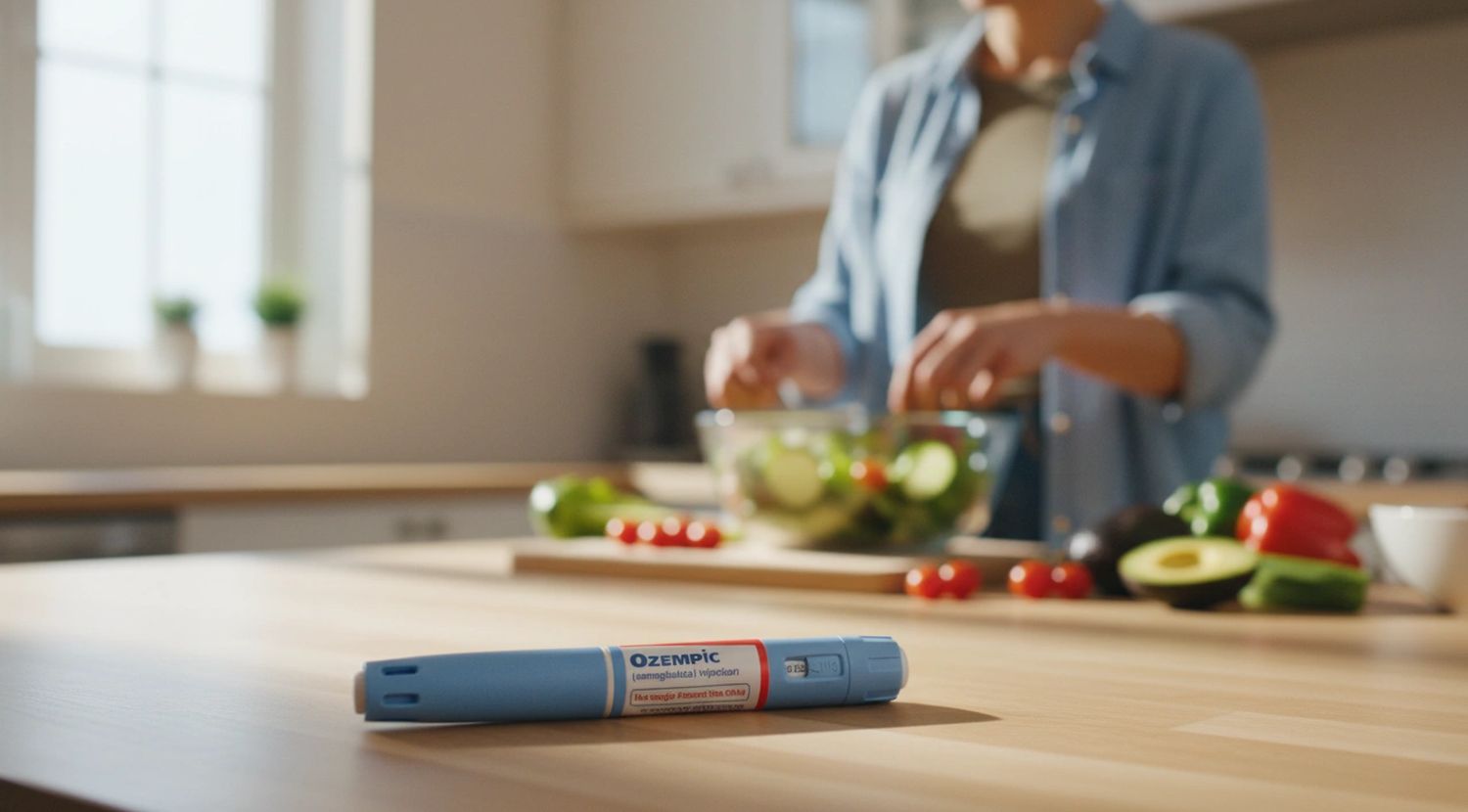
A small pink patch, a slightly raised spot, or an itch that shows up a few hours or a day after your injection is something many people on Ozempic or another GLP-1 notice at some point. It is usually a minor skin reaction that fades on its own. People with diabetes are often extra careful about their skin, which is sensible, so it helps to know what is typical and which signs need attention.
The short answer
Yes, mild itching, redness, or a small bump at the injection site is fairly common and usually fades within a few days. It is often linked to injection technique, cold medication, using the same spot too often, or sensitive skin. Redness that spreads, warmth, pus, fever, or signs of an allergic reaction such as hives elsewhere, facial swelling, or trouble breathing are not normal and need care.
Why it happens
- Your skin reacting to the needle and the liquid under it.
- Injecting into the same spot too often.
- Injecting medication that is still cold.
- Alcohol not fully dry before you inject.
- Rubbing the site afterward.
- Sensitive skin, or a reaction to an ingredient in the solution.
What helps
- Leave it alone and try not to scratch.
- Apply a cool compress for a few minutes at a time.
- Ask your pharmacist about an anti-itch cream or antihistamine that is safe for you.
- Wear loose clothing over the area.
- Keep an eye on it for a few days.
How to prevent it
- Let the medication sit out briefly before injecting, if your instructions allow.
- Let alcohol dry completely before you inject.
- Rotate sites each week, moving at least an inch from your last spot.
- Do not rub the site afterward.
- Avoid skin that is bruised, scarred, irritated, or tender.
Our guide on GLP-1 injection sites covers each option in detail, and our guide on storing compounded semaglutide or tirzepatide at home covers keeping medication at the right temperature.
When it is not normal
Call 911 for trouble breathing or swallowing, swelling of the face, lips, tongue, or throat, a fast heartbeat, or feeling faint after an injection. Seek care promptly for redness or swelling that keeps spreading, warmth, pus, red streaks, fever, or a site that becomes very painful. People with diabetes can be more prone to skin infections, so do not wait if a site looks infected. Tell your provider if reactions happen with every injection or last more than a week.
Does an itchy spot mean the dose did not work?
Usually not. The prescribing information for Wegovy, which contains semaglutide, the same active ingredient as Ozempic, at a higher dose, states that the medication reaches its highest levels in the blood 1 to 3 days after an injection and has a half-life of about a week. A mild reaction at the skin’s surface is separate from how the medication works through your body.
Dose increases
Our guide on the Ozempic starting dose covers what the first weeks usually look like. Skin reactions are not usually tied to dose, but a dose change is a good time to review your technique with your provider.
Do not stop on your own
If skin reactions are bothering you, talk to your provider before stopping or skipping doses. Our guide on taking a break and restarting covers why stopping and restarting is more involved than it sounds.
If you have diabetes
The prescribing information for Wegovy, which contains semaglutide, the same active ingredient as Ozempic, at a higher dose, notes that patients with diabetes mellitus taking it in combination with insulin or an insulin secretagogue, such as a sulfonylurea, may have an increased risk of hypoglycemia, including severe hypoglycemia. If you also inject insulin, keep your sites separate and follow your care team’s advice. Never change those medicines on your own.
Watch for the signs of under-eating too: persistent fatigue, feeling cold, hair shedding, dizziness when you stand, losing strength, and losing weight faster than you and your provider intended.
Taking a photo of a reaction can be useful. Skin changes look different from one day to the next, and a quick picture lets your provider see what it looked like at its worst. Note the date, the site, and how long it lasted, so you can spot whether one area reacts more than others.
A simple site map also helps. Dividing the abdomen and thighs into zones and moving to the next zone each week takes the guesswork out of rotation and gives irritated skin time to settle.
Consider this scenario: a man with type 2 diabetes on Ozempic notices an itchy red patch the day after each injection, always in the same spot just left of his belly button, close to where he injects insulin. He injects straight from the fridge and swabs with alcohol right before the needle goes in. Letting the pen sit out first, waiting for the alcohol to dry, rotating between both sides of his abdomen and his thighs away from his insulin sites, and using a cool compress would very likely have stopped the itchy patches.
The short version
Mild itching, redness, or a small bump at an Ozempic injection site is fairly common and usually fades within a few days. Do not scratch, use a cool compress, and ask your pharmacist about anti-itch options. Prevent it by letting the medication sit out briefly, letting alcohol dry, rotating sites, and not rubbing. Seek care for spreading redness, warmth, pus, or fever, and call 911 for signs of a serious allergic reaction.
If you want a provider who will help with injection questions as they come up, TrimRx includes ongoing provider access alongside treatment.
This information is for educational purposes and is not medical advice. Consult with a healthcare provider before starting any medication. Individual results may vary.

Transforming Lives, One Step at a Time
Keep reading

Is It Normal to Be Gassy on Ozempic?
Rumbling after meals, burping that will not settle, or passing far more gas than usual: being gassy is a side effect many people on…
Is It Normal to Bruise After an Ozempic Injection?
A small purple or yellowish mark a day after your injection, a tender spot on your belly or thigh, or a bruise that seems…

Is It Normal to Have Heartburn on Ozempic?
A burning feeling behind the breastbone after dinner, a sour taste at the back of your throat, or waking at night with reflux: many…


