Can You Wear a CGM on Mounjaro?
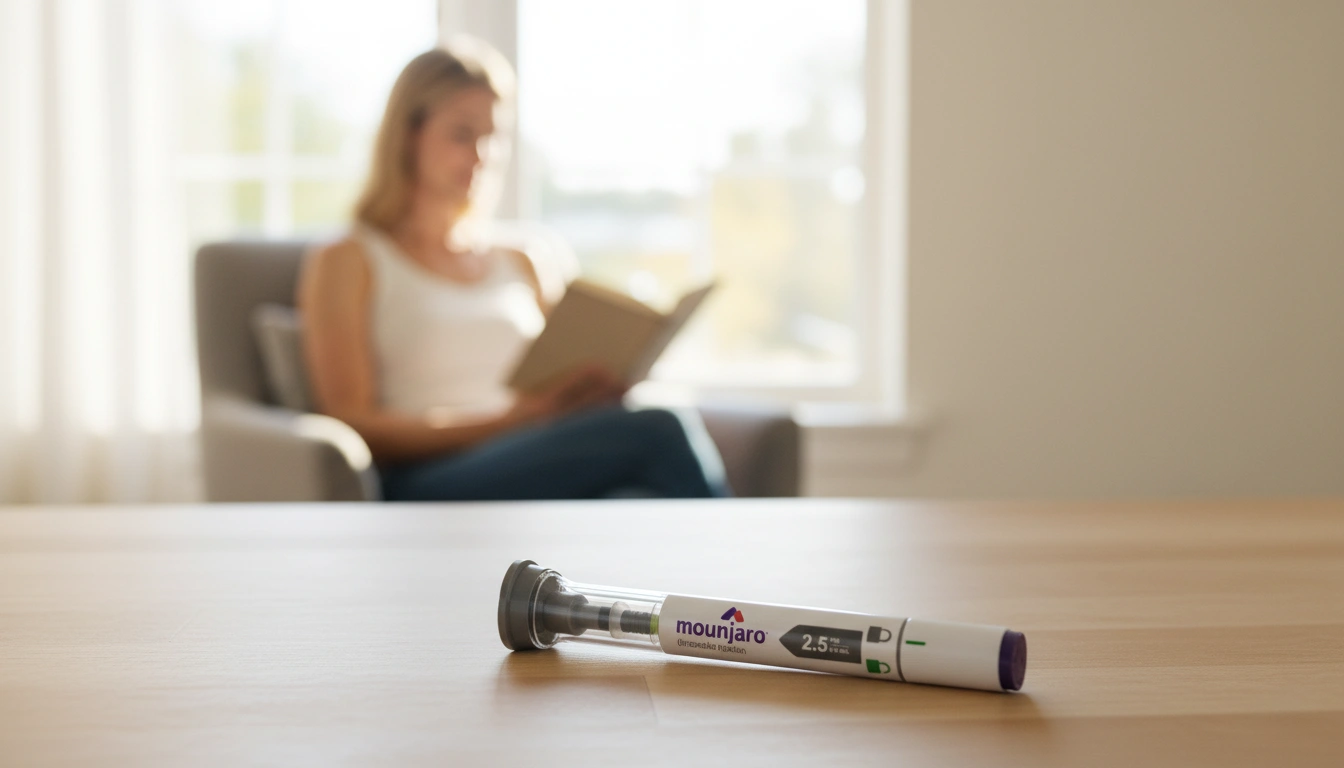
A continuous glucose monitor, or CGM, is a small sensor worn on the arm or belly that checks your glucose every few minutes. Many people with type 2 diabetes use one, and plenty of them also take Mounjaro or compounded tirzepatide. If you are wondering whether the two work together, the answer for most people is yes, and a CGM can be one of the most useful tools you have while your blood sugar and medicines are changing.
The short answer
Yes, many people wear a CGM while taking Mounjaro. A CGM can show how your glucose changes as Mounjaro starts working, help you spot lows early, and give your provider detailed data for adjusting other diabetes medicines. Place your sensor and your injection sites apart, follow your device’s instructions, and share your reports with your care team.
Why a CGM can help on Mounjaro
The prescribing information for Mounjaro says people who take it with insulin or an insulin secretagogue, such as a sulfonylurea, may have an increased risk of hypoglycemia, including severe hypoglycemia. In a 40-week trial that added Mounjaro to basal insulin, blood sugar below 54 mg/dL was reported by 14% to 19% of adults across the three doses, compared with 13% on placebo. A CGM can alert you to falling glucose, including overnight, before a low becomes serious.
What a CGM can show
- Overnight trends, including lows you might sleep through.
- Post-meal spikes, and how they change as your appetite and portions shrink.
- Time in range, a helpful summary of how steady your glucose is.
- Patterns around injection day and after dose increases.
Placing your sensor and injections
- Keep injection sites away from your sensor, so swelling or bruising does not affect readings.
- Follow your CGM’s instructions for approved wear sites.
- Rotate injection sites as usual. The prescribing information for Mounjaro lists the abdomen and thigh, or the back of the upper arm if someone else gives the injection.
Our guide on GLP-1 injection sites covers each option, and our guide on rotating injection sites covers how to build a simple rotation.
Use the data with your provider
A CGM is most useful when your provider sees the reports. Share them before and after dose increases, and whenever you notice lows. Never use CGM numbers to change your insulin or sulfonylurea on your own. Our guide on tracking your progress covers how to combine glucose data with notes on meals, activity, and how you feel.
When to check with a fingerstick
If your CGM reading does not match how you feel, such as feeling shaky with a normal reading, check with a fingerstick if you have a meter. Follow your device’s guidance on when fingerstick checks are needed.
Dose steps
The Mounjaro label starts at 2.5 mg once weekly for 4 weeks, then 5 mg. After that, the dose may be increased in 2.5 mg steps after at least 4 weeks on the current dose. Glucose often drops further after each step up. Our guide on the starting dose of tirzepatide covers what the first weeks usually look like.
When it is an emergency
Call 911 for confusion, fainting, a seizure, or a low that does not come up with treatment. Seek care promptly for very high readings that do not come down, especially with vomiting, stomach pain, or extreme thirst.
Watch for the signs of under-eating too, since eating very little raises the risk of lows: persistent fatigue, feeling cold, hair shedding, dizziness when you stand, losing strength, and losing weight faster than you and your provider intended.
Alarms can feel annoying at first, especially overnight. Work with your provider to set low and high alerts at levels that are safe for you, so the alarms help rather than overwhelm.
Many people find that watching their glucose respond to smaller portions, walks after meals, and fewer sugary drinks is motivating. Seeing a flatter line after dinner can make new habits feel worth it.
If your sensor falls off early or gives readings that seem off, contact the device maker or your pharmacy for support. Keep a spare sensor and your meter handy, especially when traveling, so a sensor problem never leaves you without a way to check your glucose.
Consider this scenario: a man with type 2 diabetes on Mounjaro and insulin starts wearing a CGM and notices his glucose dipping below his target most nights around 3 a.m. after a recent dose increase. He had been waking with headaches but did not know why. Sharing the CGM report with his provider, who could lower his evening insulin, and keeping glucose tablets by the bed would very likely have stopped the overnight lows.
The short version
Many people wear a CGM while on Mounjaro, and it can be especially helpful for spotting lows, including overnight, as your blood sugar and medicines change. Keep injection sites away from your sensor, follow your device’s instructions, and share your reports with your provider, especially around dose increases. Never adjust insulin or a sulfonylurea on your own based on CGM readings.
If you want a provider who will use your CGM data to fine-tune your plan, TrimRx includes ongoing provider access alongside treatment.
This information is for educational purposes and is not medical advice. Consult with a healthcare provider before starting any medication. Individual results may vary.

Transforming Lives, One Step at a Time
Keep reading
Can You Use an Insulin Pump on Mounjaro?
Insulin pumps are not only for type 1 diabetes. Some people with type 2 diabetes who need a lot of insulin use a pump…
Is It Normal to Get New Side Effects Months Later on Mounjaro?
The first weeks were bumpy, then things settled. Your blood sugar improved, the nausea faded, and you stopped thinking much about side effects. Now,…

Is It Normal to Crave Sweets on Mounjaro?
You expected your sweet tooth to fade. Your appetite is smaller and meals feel easier, yet mid-afternoon you find yourself thinking about cookies or…


