Are Chills a Side Effect of Semaglutide?

Introduction
Starting a journey toward better metabolic health is a significant step, but it often comes with a learning curve as your body adjusts to new medication. If you have recently begun a weight loss program or shifted your dosage, you might notice sensations that feel unexpected, such as a sudden shivering or a lingering feeling of being cold. While gastrointestinal symptoms are more frequently discussed, many people find themselves asking: are chills a side effect of semaglutide?
At TrimRx, we believe that understanding the “why” behind your body’s signals is essential for a successful and sustainable health transformation. Whether you are experiencing mild temperature fluctuations or more intense shivering, knowing when these sensations are a standard part of metabolic adjustment and when they signal a need for medical attention is vital. This article will explore the relationship between semaglutide and chills, the underlying biological reasons for these sensations, and how our personalized approach helps you navigate these changes with confidence.
What Is Semaglutide?
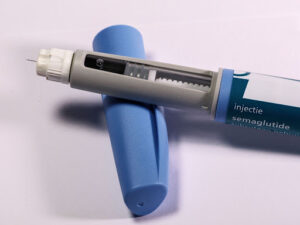
To understand why chills might occur, it is helpful to first define what the medication is and how it interacts with your system. Semaglutide is a GLP-1 receptor agonist, which is a type of medication that mimics the glucagon-like peptide-1 (GLP-1) hormone naturally produced in your intestines. This hormone plays a critical role in regulating blood sugar and appetite.
When you take semaglutide, it signals the pancreas to release insulin when blood sugar is high and slows down “gastric emptying,” which is the rate at which food leaves your stomach. This process helps you feel fuller for longer and supports more stable energy levels. However, because this medication influences the endocrine system—the network of glands that produce hormones—it can have a ripple effect on various bodily functions, including how your body perceives and regulates temperature. For additional background, you can review this guide to how semaglutide works for weight loss.
Quick Answer: Yes, chills can be a side effect of semaglutide. They are often secondary to other conditions like low blood sugar or gastrointestinal distress, though they may also result from the body’s metabolic shift during rapid weight loss.
Are Chills a Common Side Effect?
In clinical trials for medications like Wegovy® and Ozempic®, chills are not typically listed as the most “common” side effect. The most frequent reports usually involve nausea, vomiting, or changes in bowel habits. However, chills are recognized as a potential symptom that can occur alongside other reactions.
It is important to distinguish between “chills” as a standalone sensation and “chills” as part of a cluster of symptoms. If you feel a mild coolness or the occasional shiver, it may simply be your metabolism adjusting. If the chills are accompanied by a fever or intense pain, they may point toward a more specific medical issue that requires a consultation with a healthcare provider. You can also read about common semaglutide side effects for broader context.
Potential Causes for Chills While Taking Semaglutide
There isn’t a single reason why an individual might experience chills on this medication. Instead, several different biological pathways can lead to this sensation.
1. Hypoglycemia (Low Blood Sugar)
While semaglutide is designed to stabilize blood sugar rather than cause it to drop dangerously low, hypoglycemia can still occur. This is especially true for individuals who are also taking other medications for type 2 diabetes, such as insulin or sulfonylureas.
When blood sugar levels dip below the normal range, the body triggers a “fight or flight” response. This can lead to “cold sweats,” shakiness, and chills. The body is essentially trying to signal that it needs a quick source of glucose to maintain basic functions.
Key Takeaway: Chills accompanied by dizziness, sweating, or confusion may indicate low blood sugar, which requires immediate attention and a conversation with your provider about dosage or timing.
2. Pancreatitis and Inflammatory Responses
A more serious, though less common, side effect of GLP-1 medications is pancreatitis, which is inflammation of the pancreas. One of the hallmark signs of an inflammatory response in the body is the development of a fever followed by chills.
In the case of pancreatitis, these chills are almost always accompanied by severe abdominal pain that may radiate to the back. Because the pancreas is so involved in the digestive process, inflammation there can cause a systemic reaction that disrupts your internal thermostat. Learn more about pancreatitis warning signs associated with GLP-1 medications.
3. Gallbladder Issues
Rapid weight loss and changes in bile production can sometimes lead to gallbladder problems, such as gallstones or cholecystitis (inflammation of the gallbladder). Similar to pancreatitis, if the gallbladder becomes blocked or inflamed, the body may respond with a fever and chills. This is often paired with pain in the upper right side of the abdomen.
4. Metabolic Shifts and Fat Loss
For many on a weight loss journey, the sensation of being “always cold” is a result of the weight loss itself rather than the medication’s direct chemical impact. Subcutaneous fat acts as insulation for the body. As you lose this fat, your body becomes less efficient at retaining heat.
Furthermore, when you are in a significant calorie deficit, your basal metabolic rate (BMR)—the energy used while at rest—may slow down slightly to conserve energy. This can lead to a lower core body temperature, making you more susceptible to chills or feeling cool in environments that previously felt comfortable.
5. Dehydration
Semaglutide can reduce your thirst cues just as it reduces your hunger cues. Additionally, gastrointestinal side effects like diarrhea or vomiting can lead to a loss of fluids. Dehydration affects your blood volume and circulation, making it harder for your body to move heat to your extremities. This can manifest as cold hands, cold feet, and occasional shivering. Staying hydrated is also an important part of managing semaglutide side effects.
Comparing Sensations: What Are You Feeling?
It helps to categorize the “chills” to determine the next step. Not all chills are created equal in a clinical context.
| Type of Sensation | Potential Cause | Recommended Action |
|---|---|---|
| Mild shivering/Always cold | Fat loss or calorie deficit | Layer clothing; ensure adequate protein intake. |
| Cold sweats/Shakiness | Low blood sugar (Hypoglycemia) | Consume a small amount of glucose; contact provider. |
| Chills with high fever | Infection or inflammation | Seek medical evaluation immediately. |
| Chills with severe stomach pain | Pancreatitis or Gallbladder issues | Seek emergency medical care. |
Managing Chills and Temperature Fluctuations
If your healthcare provider has ruled out serious complications, there are several ways to manage the sensation of chills and stay comfortable during your program.
- Prioritize Hydration: Ensure you are drinking enough water throughout the day. Electrolyte supplements can also help maintain the fluid balance necessary for proper circulation.
- Monitor Blood Sugar: If you have a history of blood sugar issues, keep a log of your levels when you feel chills. This data is invaluable for your medical team.
- Adjust Your Wardrobe: It sounds simple, but layering is the most effective way to manage a changing internal thermostat. Opt for moisture-wicking base layers if you also experience occasional “cold sweats.”
- Focus on Nutrient Density: Ensure that the calories you do consume are high in protein and healthy fats. This supports your metabolic rate and helps provide the “fuel” your body needs to generate heat.
- Check for Fever: Always keep a thermometer handy. If your chills are accompanied by a temperature over 100.4°F, it is likely an immune or inflammatory response rather than a simple side effect.
For additional nutritional support during treatment, explore the Weight Loss Boost supplement.
The Importance of Medical Supervision
Because chills can range from a harmless metabolic quirk to a sign of a serious condition like pancreatitis, professional oversight is non-negotiable. At TrimRx, our platform connects you with licensed providers who understand these nuances.
Personalized programs are essential because everyone’s “normal” is different. One person might experience chills because they are losing weight rapidly, while another might be experiencing a reaction to a dosage increase. We facilitate continuous access to specialists so that you are never left guessing about a symptom.
Note: If you experience sudden, severe abdominal pain along with chills, nausea, or vomiting, you should stop using the medication and contact a healthcare professional or seek emergency services immediately.
Why Personalization Matters in GLP-1 Therapy
No two bodies react to semaglutide in the exact same way. Factors such as your starting BMI (body mass index), your current diet, and your existing medical history all play a role in how you experience side effects.
When you use a telehealth platform like ours, your treatment is not a “set it and forget it” prescription. It is a dynamic process. If you find that chills are becoming bothersome, your provider can help determine if a dosage adjustment is needed or if supplemental support might help. For example, our Weight Loss Boost or GLP-1 Daily Support supplements are designed to provide the body with the nutrients it needs to stay balanced during this transition.
If you are considering prescription treatment, you can complete a free eligibility assessment for review by a licensed provider.
Identifying “Red Flag” Symptoms
While we want you to feel empowered and calm, we also want you to be safe. If you are asking “are chills a side effect of semaglutide,” you should also be aware of the “red flags” that indicate the chills are part of a larger problem.
Seek immediate medical attention if chills occur alongside:
- Severe, persistent abdominal pain (especially pain that moves to your back).
- Persistent vomiting that prevents you from keeping liquids down.
- Yellowing of the skin or the whites of the eyes (jaundice).
- A high fever or a very rapid heartbeat while at rest.
- Shortness of breath or swelling of the face and throat.
How to Get Started Safely
If you are considering starting a weight loss journey involving GLP-1 medications, the first step is always a thorough health assessment. This helps ensure that the medication is appropriate for your health profile and that any risks are identified early.
The Onboarding Process:
- Step 1: Complete the Assessment: Use our free assessment quiz to provide details about your medical history, goals, and any concerns you have about side effects.
- Step 2: Provider Consultation: A licensed healthcare provider reviews your profile to determine if a prescription for compounded semaglutide or other options like Mounjaro® or Zepbound® is right for you.
- Step 3: Personalized Plan: If eligible, a plan is created that includes the medication, medical support, and guidance on managing side effects like chills or nausea.
- Step 4: Medication Delivery: Your medication is shipped from FDA-registered, inspected compounding pharmacies directly to your door, with no need for in-person pharmacy visits.
The Role of Compounded Medications
In many cases, patients choose compounded semaglutide or compounded tirzepatide. These medications are prepared by specialized pharmacies to meet specific patient needs. It is important to understand that while these compounded versions are not FDA-approved, they are produced in facilities that must follow strict quality and safety standards.
Using compounded versions through a trusted platform like TrimRx allows for flexibility in dosing, which can be a key strategy in minimizing side effects. If a patient is highly sensitive to the medication and experiences chills or nausea at standard doses, a provider may be able to tailor the titration schedule—the process of slowly increasing the dose—to help the body adapt more comfortably. Read more about compounded semaglutide side effects.
Long-Term Outlook
For the majority of people, side effects like chills are temporary. They often appear during the “titration phase” when the dose is being increased every four weeks. As the body becomes accustomed to the presence of the GLP-1 agonist, the internal thermostat tends to stabilize.
If the chills are related to fat loss and a lower BMR, they may persist as long as you are in a calorie deficit. However, once you move into a maintenance phase and your caloric intake increases, your body’s heat production typically returns to a more comfortable level.
Key Takeaway: Most side effects of semaglutide are manageable and tend to diminish as the body reaches a “steady state” with the medication.
Conclusion
Experiencing chills while taking semaglutide can be unsettling, but in most cases, it is a manageable symptom. Whether it is caused by your body’s metabolic adjustment to weight loss, a minor fluctuation in blood sugar, or a need for better hydration, being proactive is the best approach. By staying in close contact with your medical team and paying attention to your body’s signals, you can navigate these sensations without derailing your progress.
At TrimRx, we are committed to providing the clinical expertise and empathetic support needed to make your weight loss journey as smooth as possible. We believe that everyone deserves a personalized, science-backed path to better health, free from the stress of navigating complex medical changes alone. Our mission is to empower you with the tools, medications, and 24/7 specialist access required to achieve sustainable results.
If you are ready to take the next step toward a healthier version of yourself, we invite you to begin with a free assessment quiz. This simple step opens the door to a program tailored specifically to your needs, ensuring you have professional guidance every step of the way—chills and all.
FAQ
Are chills a common side effect of semaglutide?
While not as common as nausea or constipation, chills are a recognized side effect that many patients report. They often occur during the first few weeks of treatment or after a dose increase as the body adjusts to the medication. In many cases, these chills are mild and temporary.
Can semaglutide cause you to feel cold all the time?
Yes, many people report feeling colder than usual while taking semaglutide, often due to rapid weight loss and a decrease in insulating body fat. Additionally, a significant calorie deficit can slightly lower your basal metabolic rate, which may reduce your body’s internal heat production. Wearing layers and staying hydrated can help manage this sensation.
Should I be worried if I have chills and stomach pain?
If chills are accompanied by severe, persistent stomach pain that radiates to your back, you should contact a healthcare provider immediately. This combination of symptoms can sometimes indicate pancreatitis or gallbladder issues, which require professional medical evaluation. Always prioritize safety and seek advice if you are concerned about the intensity of your symptoms. For more information, review these pancreatitis warning signs.
Does the feeling of chills go away?
For most individuals, chills and other side effects improve as the body becomes accustomed to the medication. This adjustment period typically happens over several weeks as you stay on a consistent dose. If the chills are related to weight loss, they may persist until your weight stabilizes and your caloric intake increases during the maintenance phase.
Disclaimer: This content is for informational purposes only and does not constitute medical advice. It is not intended to diagnose, treat, cure, or prevent any disease or condition. Individual results may vary. Always consult a qualified healthcare professional before starting any weight loss program or medication.

Transforming Lives, One Step at a Time
Keep reading
Semaglutide vs Tirzepatide: Comparing Weight Loss, Blood Sugar, and Side Effects
Semaglutide and Tirzepatide are one of the most common comparisons in medical weight loss. The two medications share a clear family resemblance. Both are…

How Much Weight Can You Lose on Semaglutide?
How much weight can you lose on semaglutide? The answer varies depending on your starting weight, dosage, treatment duration, and individual response to the…

Hair Shedding Months Into Semaglutide
It shows up in the shower drain first, then on the pillow, then in the brush. By the time most people search this, they…


