Is Bruising a Side Effect of Mounjaro? What You Need to Know
Introduction
Finding a small, blue or purple mark at your injection site can be a source of sudden anxiety. You might wonder if you are doing something wrong or if the medication is causing an adverse reaction. Many individuals starting their weight loss journey with Mounjaro® (tirzepatide) notice occasional bruising where they administer their weekly dose.
At TrimRx, we understand that these small physical changes can feel significant when you are navigating a new treatment plan. Bruising is a documented, though often manageable, side effect of the injection process rather than a direct result of the medication’s chemical makeup. This article will cover why these marks appear, how to distinguish a normal bruise from a more serious concern, and the best techniques to keep your skin clear. We believe that with the right knowledge and a personalized approach, you can manage these minor hurdles with confidence. If you are considering prescription GLP-1 treatment, you can complete a free eligibility assessment.
Quick Answer: Bruising is a common injection site reaction for individuals using Mounjaro®, occurring in roughly 1 in 10 patients. It is typically caused by the needle disrupting small blood vessels (capillaries) under the skin and is usually not a cause for medical concern.
How Mounjaro and Tirzepatide Work
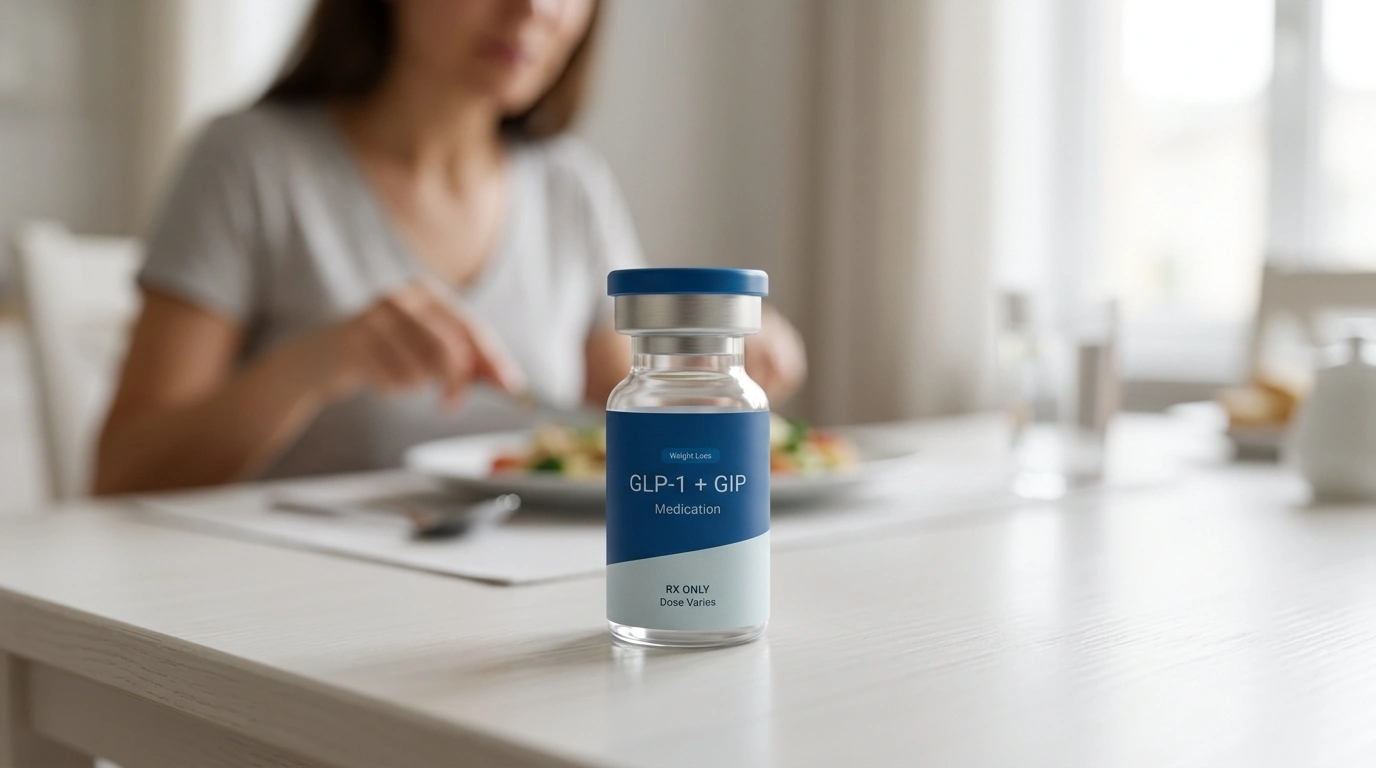
To understand why bruising might occur, it helps to understand what the medication is and how it enters your system. Mounjaro® is a branded medication that contains the active ingredient tirzepatide. Tirzepatide is a dual-acting receptor agonist. This means it mimics two naturally occurring hormones in your body: glucagon-like peptide-1 (GLP-1) and glucose-dependent insulinotropic polypeptide (GIP).
These hormones work together to regulate your appetite and how your body processes sugar. By activating these pathways, the medication helps you feel full longer and slows down the rate at which your stomach empties. Because tirzepatide is a large protein molecule, it cannot be taken as a traditional pill because your stomach acid would break it down before it could be absorbed. Instead, it must be delivered through a subcutaneous injection. For a broader explanation of the process, see this guide to how GLP-1 injections work.
A subcutaneous injection is a delivery method where a small needle deposits the medication into the fatty tissue layer just beneath the skin. This layer sits above the muscle. The medication is absorbed slowly from this fatty tissue into your bloodstream over several days. Because you are physically piercing the skin and the tissue beneath it once a week, the site of the injection becomes a focus for potential side effects.
Understanding Injection Site Reactions
Bruising falls under a broader category known as injection site reactions. These reactions are common with many types of injectable medications, from insulin to various vaccines. When you use Mounjaro®, you may experience a variety of sensations or visual changes at the spot where the needle entered.
Clinical data suggests that up to 10% of people using this class of medication will experience some form of localized reaction. These may include:
- Redness (Erythema): A small pink or red circle around the puncture point.
- Itching (Pruritus): A mild desire to scratch the area.
- Swelling (Edema): A slight raised bump where the liquid was deposited.
- Bruising: A discoloration caused by blood leaking into the surrounding tissue.
Most of these reactions are mild and temporary. They typically appear within a few hours of the injection and fade away over several days. Many patients find that these reactions happen more frequently during the first few weeks of treatment as their skin and immune system adjust to the routine. You can also review this tirzepatide injection side-effect management guide for additional context.
Key Takeaway: Most bruising associated with tirzepatide is a localized reaction to the physical act of injecting, not a systemic problem with the medication itself.
Why Bruising Happens During Treatment
A bruise, or ecchymosis, occurs when the small blood vessels near the surface of the skin—called capillaries—are broken. When the needle passes through the skin, it may occasionally nick one of these tiny vessels. The blood then leaks into the surrounding fatty tissue, creating the visible discoloration we recognize as a bruise. For a closer look at this process, read why bruising can happen after a Mounjaro injection.
Several factors can influence how likely you are to bruise during your weekly dose:
1. Needle Angle and Depth
If the needle is inserted at an awkward angle or if it moves while the medication is being dispensed, it is more likely to cause trauma to the underlying tissue. Most modern delivery devices are designed to minimize this, but manual technique still plays a role.
2. Blood Vessel Density
Some areas of the body have a higher concentration of small capillaries near the surface. If you happen to inject directly into a spot with more vessels, a bruise is almost guaranteed. This is often just a matter of chance, which is why you may bruise one week and have no mark at all the following week.
3. Skin Sensitivity and Thickness
As we age, or as we lose significant amounts of body fat, our skin can become thinner. Thinner skin provides less “cushion” for the capillaries, making them easier to disrupt. Furthermore, certain individuals naturally have more sensitive skin that reacts more visibly to any form of minor trauma.
4. Medication Temperature
Injecting cold medication can be more irritating to the tissue than injecting medication that has reached room temperature. Cold liquid is more viscous and can cause a “stinging” sensation, which might lead a person to flinch or tense their muscles. Tensing up during an injection increases the internal pressure in the tissue, making capillary breakage more likely.
Branded Medications vs. Compounded Alternatives
When discussing Mounjaro®, it is important to understand the different ways patients access tirzepatide. Mounjaro®, along with Zepbound®, Wegovy®, and Ozempic®, are trademarked branded medications. These products are manufactured by specific pharmaceutical companies and have received FDA approval for specific uses, such as the treatment of type 2 diabetes or chronic weight management. TrimRx does not provide or ship these branded products; instead, we connect patients with licensed healthcare providers who can determine if these or other options are appropriate.
Due to high demand and shortages, many patients utilize compounded tirzepatide or compounded semaglutide. It is critical to note that compounded medications are not FDA-approved. However, they are prepared and shipped by FDA-registered and inspected compounding pharmacies. These pharmacies follow strict quality guidelines to ensure the medication is prepared safely.
Whether you are using a branded pen or a vial and syringe from a compounding pharmacy, the active ingredient (tirzepatide or semaglutide) and the injection method remain largely the same. Therefore, the risk of bruising at the injection site is a shared characteristic across both branded and compounded formats. The key to minimizing these marks lies in your technique and how you support your body during the process. If you are exploring your options, see if you qualify for a personalized program.
Step-by-Step Guide to Minimizing Bruising
If you find that you are bruising frequently, a few small adjustments to your routine can make a significant difference. Following a consistent, gentle process helps protect the delicate capillaries in your subcutaneous tissue. This GLP-1 injection technique guide provides additional preparation and aftercare tips.
Step 1: Temperature Check
Remove your medication from the refrigerator about 15 to 30 minutes before you plan to inject. Allow it to reach room temperature. This reduces the “sting” and prevents the muscle tensing that often leads to bruising.
Step 2: Choose and Clean Your Site
The three recommended areas for injection are the abdomen (at least two inches away from the belly button), the front of the thighs, or the back of the upper arm. Use an alcohol swab to clean the area and let the alcohol dry completely before injecting. Piercing wet alcohol into the skin can cause unnecessary irritation.
Step 3: Rotate Regularly
Never inject into the exact same spot two weeks in a row. Use a “clock” method on your stomach, moving the site an inch or two each week. Avoid areas with existing bruises, scars, or firm lumps. Rotating sites allows the tissue to heal fully between doses. For more guidance, review where to inject GLP-1 medications.
Step 4: Relax Your Muscles
Whether you are sitting or standing, try to ensure the target muscle is completely relaxed. For example, if injecting into your thigh, sit down so your leg isn’t supporting your weight. If injecting into your stomach, take a deep breath and exhale as you trigger the device.
Step 5: The 90-Degree Technique
Insert the needle straight in at a 90-degree angle to the skin. Do not move or tilt the device once it is inserted. If using a pen, hold it firmly against the skin but do not press so hard that you create a deep indentation. If using a syringe, depress the plunger slowly and steadily.
Step 6: Post-Injection Care
After the needle is withdrawn, you may see a tiny drop of blood or clear liquid. This is normal. Do not rub the area. Rubbing increases the spread of any blood that may have leaked from a capillary, making a bruise look much larger. Instead, apply firm, gentle pressure with a clean cotton ball or gauze for 10–20 seconds.
Bottom line: Preparation and a calm, steady technique are your best defenses against injection site bruising. Small changes like warming the medication and avoiding rubbing the site can lead to much clearer skin.
When Bruising Becomes a Concern
While a small bruise at the injection site is usually nothing to worry about, there are times when bruising can indicate a more serious issue. It is important to distinguish between a localized “needle bruise” and “systemic bruising.” For another look at normal and abnormal injection-site changes, see what a red bump after a tirzepatide injection can mean.
Systemic bruising refers to bruises that appear in places where you have not injected medication. If you notice bruises appearing on your shins, forearms, or torso without a clear cause, this could indicate a change in your body’s ability to clot blood or a potential issue with your kidneys or liver.
You should contact a healthcare provider immediately if you experience any of the following:
- Bruises that are unusually large (larger than a quarter) and do not go away.
- Bruising accompanied by unexplained bleeding, such as nosebleeds or bleeding gums.
- Bruises appearing in areas far away from your injection sites.
- A “metallic taste” in your mouth or a significant decrease in urination, which can be signs of kidney stress.
- Extreme pain, warmth, or spreading redness at the injection site, which could indicate an infection.
In rare clinical cases, GLP-1 and GIP medications have been associated with kidney problems, especially if a patient becomes severely dehydrated due to other side effects like vomiting or diarrhea. While bruising is not a primary symptom of kidney issues, unexplained or widespread bruising is a signal that your body needs a professional evaluation.
Myth vs. Fact: Bruising and Weight Loss Medications
Myth: Bruising means the medication isn’t working or didn’t go in correctly. Fact: A bruise has no impact on the effectiveness of the medication. The tirzepatide is still absorbed by the surrounding tissue and will work as intended, regardless of whether a small blood vessel was disrupted.
Myth: Only “bad” injectors get bruises. Fact: Even medical professionals get bruises when they receive injections. Sometimes the needle simply hits a tiny vessel that is impossible to see from the surface. It is often a matter of anatomy, not skill.
Supporting Your Skin and Metabolic Health
Maintaining healthy skin can help minimize the visible impact of injections. As you lose weight on a program like the one offered through our platform, your skin goes through significant changes. Ensuring you have the right nutrient foundation is key to maintaining skin elasticity and capillary strength.
Hydration is perhaps the most important factor. Dehydrated skin is less resilient and more prone to irritation. We recommend drinking plenty of water throughout the day, especially since GLP-1 medications can sometimes mute your thirst signals.
Furthermore, certain vitamins and minerals support the structural integrity of your blood vessels. Vitamin C, for instance, is essential for collagen production, which strengthens the walls of your capillaries. If you are struggling with side effects or nutritional gaps, we often suggest looking into targeted support. Our GLP-1 Daily Support supplement is designed to provide the essential nutrients that can sometimes be lacking during rapid weight loss, helping your body remain resilient as it transforms.
The TrimRx Approach to Personalized Care
At TrimRx, we believe that weight loss is more than just a number on a scale; it is a journey that requires empathy, clinical expertise, and ongoing support. We know that side effects like bruising, nausea, or fatigue can feel overwhelming when you are trying to make a positive change. That is why our platform is built around the idea of a comprehensive service model.
We connect you with healthcare providers who take the time to understand your unique health profile and goals. Our programs are fully personalized, ensuring that your treatment plan is tailored specifically to you. Whether you are using compounded medications shipped from FDA-registered pharmacies or seeking guidance on managing side effects, our team is available 24/7 to provide the support you need. We aim to remove the barriers to sustainable weight loss by providing a telehealth-first experience—no waiting rooms and no hidden fees.
Conclusion
Bruising while taking Mounjaro® or a compounded tirzepatide alternative is a common experience that usually stems from the physical process of injection rather than the medication itself. By refining your technique, rotating your sites, and allowing your medication to reach room temperature, you can significantly reduce the frequency of these marks. While most bruises are harmless, always stay vigilant for bruises that appear away from your injection site or occur alongside other unusual symptoms.
Sustainable weight loss is a marathon, not a sprint. Minor side effects are often just signs that your body is adjusting to a powerful new tool in your health arsenal. Our mission is to help you navigate these changes with science-backed information and compassionate care. If you are ready to take the next step toward a healthier lifestyle with a team that prioritizes your individual needs, we invite you to start your journey with a free assessment.
Key Takeaway: Focus on proper injection technique and site rotation to minimize bruising. If bruising occurs systemically or is accompanied by severe symptoms, consult your healthcare provider immediately.
Your Next Step: Ready to see if a personalized weight loss program is right for you? Take our free assessment quiz to explore your options and connect with a dedicated clinical team.
FAQ
Is it normal to get a bruise every time I inject Mounjaro?
While bruising is common, it should not necessarily happen every single time. If you are bruising with every dose, it may be time to review your injection technique, ensure you are rotating sites correctly, and check that you are not rubbing the area after the needle is withdrawn.
Can I still inject Mounjaro if I already have a bruise in that area?
You should avoid injecting directly into an existing bruise, as the tissue is already inflamed and healing. Using a bruised area can be more painful and may slow down the absorption of the medication. Choose a clear, healthy patch of skin at least one inch away from any existing marks.
How long do bruises from tirzepatide injections usually last?
Most injection site bruises will fade within 7 to 10 days, following the typical healing cycle of a minor bruise (changing from purple/blue to green/yellow before disappearing). If a bruise lasts longer than two weeks or appears to be getting larger, consult your healthcare provider.
Does the dose of Mounjaro affect how much I bruise?
The dosage of the medication itself does not typically increase the risk of bruising. However, as you stay on the medication longer and lose weight, your skin and the fatty tissue layer beneath it may change, which can sometimes make the skin more sensitive or the capillaries more accessible to the needle.
If you are considering whether a supervised prescription program fits your goals, you can complete a free eligibility assessment.
Disclaimer: This content is for informational purposes only and does not constitute medical advice. It is not intended to diagnose, treat, cure, or prevent any disease or condition. Individual results may vary. Always consult a qualified healthcare professional before starting any weight loss program or medication.

Transforming Lives, One Step at a Time
Keep reading

Mounjaro Alternatives: What Else to Consider
If Mounjaro isn’t the right fit, the closest alternatives are other GLP-1 medications, chiefly semaglutide (Ozempic for diabetes, Wegovy for weight), along with a…

Mounjaro vs Zepbound: Same Drug, Two Brands
Like their semaglutide counterparts, Mounjaro and Zepbound are the same medication (tirzepatide) sold under two names for two purposes: Mounjaro is approved for type…

Retatrutide vs Mounjaro: Triple Agonist vs Dual Agonist
The core difference between retatrutide and Mounjaro comes down to how many hormone targets each hits: retatrutide activates three receptors, while Mounjaro (tirzepatide) activates…


