Is Bloating a Side Effect of Wegovy?
Introduction
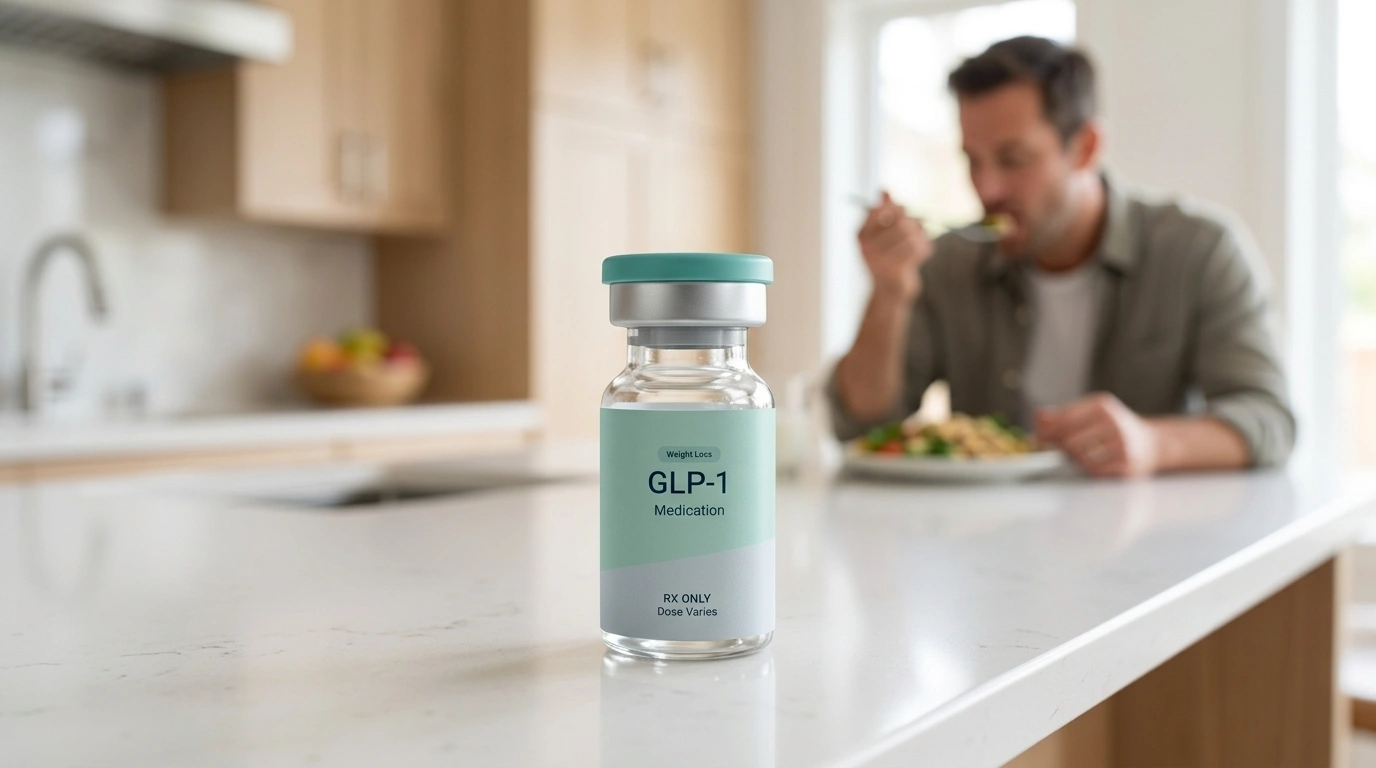
Starting a medical weight loss journey often brings a mix of excitement and uncertainty, especially when your body begins to react to new medication. If you have recently started Wegovy® (semaglutide) and noticed your clothes feeling tighter around the waist or a persistent feeling of fullness, you are not alone. Many individuals experience digestive changes as their systems adjust to GLP-1 medications. At TrimRx, we believe that understanding the “why” behind these physical responses is the first step toward a more comfortable and successful health transformation. If you are wondering whether this treatment is right for you, you can take the free assessment quiz to see whether you qualify for a personalized prescription program. This article explores whether bloating is a common side effect of Wegovy®, the biological reasons your stomach might feel distended, and practical strategies to manage discomfort. By equipping yourself with the right knowledge, you can navigate these temporary hurdles and stay focused on your long-term metabolic health goals.
Why Wegovy® May Cause Bloating
Bloating is a frequently reported side effect for individuals taking Wegovy®, a prescription medication used for chronic weight management. Wegovy® belongs to a class of drugs known as GLP-1 receptor agonists. A GLP-1 receptor agonist is a medication that mimics a natural hormone in your body called glucagon-like peptide-1, which regulates appetite and digestion. While these medications are highly effective at helping the brain signal fullness, they also significantly impact the speed of the digestive tract. For a broader look at how this class works, our guide on what GLP-1 medications are and how they work is a helpful next read.
The Role of Delayed Gastric Emptying
The primary reason you may feel bloated while taking this medication is a process called delayed gastric emptying. In simple terms, the medication slows down the rate at which food leaves your stomach and enters your small intestine. This is a deliberate mechanism designed to help you feel satisfied with smaller portions for longer periods. However, when food remains in the stomach for an extended time, it can lead to a sensation of heaviness, pressure, or visible distention in the abdominal area.
Gas Production and Gut Bacteria
When digestion slows down, the natural bacteria in your gut have more time to interact with the food you have consumed. This interaction can lead to increased fermentation, which produces gas as a byproduct. This excess gas often manifests as flatulence (excessive gas), belching, or that uncomfortable “trapped” feeling in the midsection. If you want a deeper dive into this exact symptom, our article on gas and bloating on Ozempic or semaglutide explains the pattern in more detail.
Key Takeaway: Bloating occurs because GLP-1 medications slow down the movement of food through the stomach, providing more time for gas to build up during digestion.
Common Digestive Side Effects Linked to Bloating
It is rare for bloating to occur in total isolation; it is often part of a cluster of gastrointestinal symptoms. Because the entire digestive system is slowing down, several other side effects can contribute to or worsen the feeling of being bloated. Understanding these related issues can help you identify the root cause of your discomfort. Our broader overview of common GLP-1 side effects is a good companion piece if you want the full picture.
Constipation and Fullness
Constipation is one of the most common contributors to chronic bloating for those on a weight loss program. When waste moves slowly through the colon, it can lead to a backup that causes the lower abdomen to feel hard and distended. This physical backup makes it difficult for gas to pass through the system, creating a cycle of persistent bloating and discomfort.
Nausea and Heartburn
Many patients report that their bloating is accompanied by nausea or acid reflux. Because food sits higher in the digestive tract for longer, it can put pressure on the lower esophageal sphincter, leading to heartburn or GERD (gastroesophageal reflux disease). This “fullness” can make the stomach feel tight and sensitive to the touch, especially shortly after eating a meal that may be too large or too high in fat.
Managing Bloating and Digestive Discomfort
The good news is that for most people, bloating is a temporary side effect that improves as the body acclimates to the medication. Most digestive issues are most prominent during the first few weeks of treatment or immediately following a dose increase. Implementing specific lifestyle adjustments can significantly reduce the intensity of these symptoms and make your transition much smoother.
Prioritize Smaller, Frequent Meals
Adjusting your eating patterns is the most effective way to manage a slow-moving digestive system. Instead of eating three large meals a day, try consuming five or six very small portions. This prevents the stomach from becoming over-filled, which reduces the pressure that leads to bloating. It is also helpful to eat slowly and chew your food thoroughly, as this reduces the amount of air you swallow—a common and preventable cause of gas.
Focus on Hydration and Movement
Staying hydrated is essential for keeping the digestive tract moving, especially if you are experiencing constipation-related bloating. Water helps fiber move through the system and prevents stools from becoming hard and difficult to pass. Additionally, gentle physical activity, such as a fifteen-minute walk after meals, can stimulate the natural contractions of the gut (peristalsis). For a deeper look at how hydration fits into a weight loss plan, our article on hydration and weight loss is worth reading.
Dietary Choices to Reduce Gas
Certain foods are known to exacerbate bloating and should be consumed with caution while your body adjusts to GLP-1 therapy. High-fat, greasy, or fried foods are particularly difficult to digest and can sit in the stomach even longer than healthier options. You may also want to temporarily limit “gas-producing” vegetables like broccoli, cabbage, and beans until your symptoms stabilize.
- Avoid carbonated beverages, which introduce excess air into the stomach.
- Limit sugar alcohols (like sorbitol or xylitol) often found in “sugar-free” snacks.
- Focus on lean proteins and cooked vegetables rather than raw ones.
- Incorporate ginger or peppermint tea, which are natural aids for soothing the digestive lining.
The Importance of Gradual Dosing
The way your medication is introduced plays a major role in how much bloating you might experience. Standard protocols for medications like Wegovy® involve a “titration” period. This means starting at a very low dose and gradually increasing it every four weeks. This slow climb allows your gastrointestinal tract to adapt to the hormonal changes without being overwhelmed.
If you experience severe bloating after a dose increase, it is important to discuss this with your healthcare provider. In some cases, a provider may recommend staying at a lower dose for an additional month to allow your body more time to stabilize. If you want to understand more about the broader side effect pattern, our semaglutide side effects guide covers what many people experience during the adjustment period.
Key Takeaway: Most bloating is a result of the body adjusting to new medication levels; following a strict titration schedule and eating smaller meals can mitigate the majority of discomfort.
When Bloating Becomes a Concern: Warning Signs
While mild to moderate bloating is common, there are certain instances where abdominal symptoms require immediate medical attention. It is important to distinguish between the “normal” fullness associated with GLP-1 medications and signs of more serious complications like pancreatitis or gallbladder issues.
Identifying Pancreatitis
Pancreatitis is an inflammation of the pancreas that is a rare but serious side effect of GLP-1 medications. If your bloating is accompanied by severe, persistent abdominal pain that radiates to your back, you should contact a healthcare professional immediately. This pain is typically much more intense than standard bloating and may be accompanied by fever and repeated vomiting.
Gallbladder and Kidney Health
Rapid weight loss and changes in digestion can sometimes lead to gallbladder problems, such as gallstones. Symptoms often include pain in the upper right side of the stomach and jaundice (yellowing of the skin or eyes). Furthermore, if severe bloating is accompanied by a significant decrease in urination or severe dehydration from vomiting, it could impact kidney function. Always consult a qualified healthcare professional if your side effects feel unmanageable or if you experience sharp, localized pain.
Note: If you experience severe abdominal pain that does not go away, stop taking the medication and seek medical help immediately.
Personalized Care and Support
Every individual reacts differently to GLP-1 medications, which is why a “one-size-fits-all” approach rarely works for sustainable weight loss. At TrimRx, we connect you with licensed providers who understand the nuances of these treatments. Whether you are using branded Wegovy® or are prescribed a compounded alternative through our partner pharmacies, having 24/7 access to a dedicated team of specialists ensures you never have to navigate side effects like bloating alone. If you are ready for a more personalized next step, complete the free assessment quiz and see what treatment path may fit your goals.
We also offer specialized supplements to support your body during this transition. Our GLP-1 Daily Support supplement is designed specifically to help manage the nutritional needs and common digestive hurdles that arise during a weight loss journey. By combining medical supervision with targeted nutrient support, you can address the root causes of discomfort while staying on track toward your health goals.
The Role of Compounded Medications
In times of medication shortages or for those seeking different delivery methods, some individuals may consider compounded semaglutide. It is important to understand that compounded semaglutide and compounded tirzepatide are not FDA-approved. However, these medications are prepared and shipped by FDA-registered and inspected compounding pharmacies. These pharmacies follow strict quality standards to ensure you receive high-quality care. If your symptoms are making treatment harder to tolerate, the best next step is still to take the free assessment quiz and discuss your options with a licensed provider.
Conclusion
Bloating is a normal and manageable part of the adjustment period for many people taking Wegovy®. While the sensation of a distended stomach can be frustrating, it is usually a sign that the medication is working to slow your digestion and help you achieve satiety. By eating smaller meals, staying hydrated, and following a gradual dosing schedule, most people find that their bloating subsides within a few weeks. TrimRx is dedicated to providing a science-backed, empathetic environment where your weight loss journey is supported every step of the way. If you are ready to see whether a personalized prescription program is a fit for you, take the free assessment quiz and take the next step.
Ready to start your journey?
- Step 1: Complete our free online health assessment.
- Step 2: Connect with a licensed provider to discuss your goals.
- Step 3: Receive your personalized treatment plan delivered to your door.
- Step 4: Benefit from unlimited support as you reach your milestones.
Bottom line: Bloating is a common result of slowed digestion, but with proper meal pacing and medical guidance, it shouldn’t stand in the way of your weight loss success.
FAQ
Is bloating a permanent side effect of Wegovy®?
For the vast majority of people, bloating is not permanent and typically occurs most frequently during the first few weeks of treatment or after a dose increase. As your body becomes accustomed to the hormone-mimicking effects of the medication, your digestive system usually finds a new balance, and the bloating subsides. If bloating persists for several months or worsens, you should consult your healthcare provider to adjust your treatment plan.
Can I take over-the-counter gas relief while on this medication?
Many people find relief using over-the-counter (OTC) products like simethicone to help break up gas bubbles in the digestive tract. However, you should always consult with your healthcare provider before adding any new OTC medications or supplements to your routine to ensure there are no interactions. Your provider may also suggest specific digestive enzymes or probiotics to help your gut manage the slower pace of digestion.
Does drinking carbonated water make Wegovy® bloating worse?
Yes, carbonated beverages like soda or seltzer water introduce extra air into an already slow-moving digestive system, which can significantly increase bloating and belching. If you are struggling with abdominal discomfort, it is highly recommended to stick to plain water, herbal teas, or water infused with fruit. Reducing the amount of air you swallow is a simple but effective way to minimize stomach pressure.
Why does bloating feel worse after I increase my dose?
When you increase your dose of a GLP-1 medication, the effect on your stomach’s emptying speed becomes more pronounced. This sudden change can catch your digestive system off guard, leading to a temporary increase in gas and fullness. This is why a gradual titration schedule is used; it gives your gut bacteria and stomach muscles time to adjust to the higher levels of the medication. For more context on common symptoms, our GLP-1 side effects guide can help you understand the full adjustment period.
Disclaimer: This content is for informational purposes only and does not constitute medical advice. It is not intended to diagnose, treat, cure, or prevent any disease or condition. Individual results may vary. Always consult a qualified healthcare professional before starting any weight loss program or medication.

Transforming Lives, One Step at a Time
Keep reading

Horseback Riding on Wegovy or Ozempic
For a lot of people, horseback riding is one of the activities weight once put out of reach. Stables and trail outfitters set rider…
Should You Suggest Wegovy to a Family Member?
When a treatment changes your life, you want the people you love to have the same chance. Maybe your sister has struggled with her…
Injecting Wegovy With Stiff or Shaky Hands
A weekly injection takes a minute for most people. If you have arthritis in your hands, a tremor, weak grip strength, or numb fingers,…


