Is Gas a Side Effect of Zepbound? What You Need to Know
Introduction
Starting a weight loss journey often brings a sense of hope, but it can also bring a few unexpected physical hurdles. If you have recently started a weight loss program or are considering medications like Zepbound®, you might be wondering about certain digestive changes. Many people report feeling more “gassy” or bloated than usual after their first few doses. This can be frustrating, especially when you are trying to focus on your health and feel your best.
At TrimRx, we believe that understanding the “why” behind your body’s reactions is the first step toward a more comfortable and successful experience. This post will cover why gas occurs, how the medication affects your digestion, and what you can do to manage these symptoms. Our goal is to provide you with the tools to navigate your metabolic health journey with confidence and ease. While gas is a common side effect of Zepbound®, it is usually manageable with a few simple adjustments. If you are considering prescription weight loss treatment, you can complete a free eligibility assessment.
Quick Answer: Yes, gas (flatulence), bloating, and burping are common side effects of Zepbound®. These symptoms typically occur because the medication slows down the digestive process, allowing food to stay in the stomach longer. For most individuals, these effects are mild and tend to improve as the body adjusts to the medication.
How Zepbound Affects the Digestive System
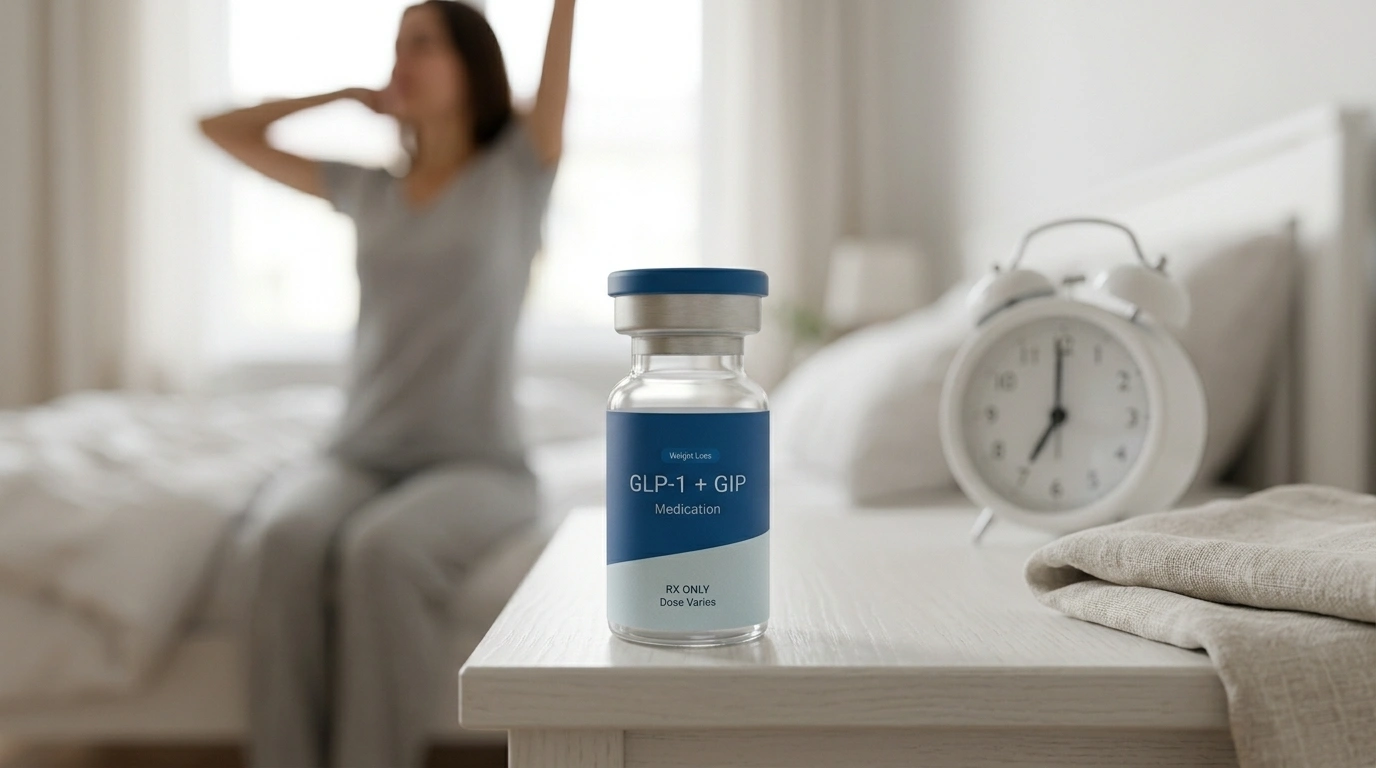
To understand why you might be experiencing more gas, it is helpful to look at how Zepbound® works within the body. The active ingredient in this medication is tirzepatide. Tirzepatide is a dual agonist, which means it mimics two naturally occurring hormones in your body: glucagon-like peptide-1 (GLP-1) and glucose-dependent insulinotropic polypeptide (GIP).
These hormones play a major role in how your body processes food and signals hunger. When you take the medication, it interacts with receptors in your brain to help you feel full sooner and stay full longer. However, these hormones also interact directly with your gastrointestinal tract. For a broader overview, read this guide to tirzepatide side effects and management.
The Role of Delayed Gastric Emptying
One of the primary ways Zepbound® helps with weight loss is through a process called delayed gastric emptying. In simple terms, this means the medication slows down the speed at which food leaves your stomach and enters your small intestine. While this is great for keeping you full, it means food sits in your digestive system for a longer period.
When food stays in the stomach or upper intestine longer than usual, the natural bacteria in your gut have more time to interact with it. As these bacteria break down carbohydrates and fibers, they produce gas as a byproduct. This slow-motion digestion is often the root cause of the bloating and flatulence many people experience. You can also explore this explanation of why Zepbound may cause bloating.
GIP and GLP-1 Interactions
The “dual action” of tirzepatide is what makes it unique compared to medications that only target GLP-1. The addition of GIP is thought to help improve how the body breaks down fats and sugars. However, any time you alter the hormonal balance of the digestive system, there is a period of adjustment.
Your gut is highly sensitive to these chemical signals. When the GIP and GLP-1 receptors are activated, the muscles of the digestive tract may move more slowly. This change in motility—the way your gut moves food along—can lead to a buildup of air and gas.
Common Digestive Side Effects
While gas is a frequent topic of conversation among those taking Zepbound®, it is often part of a broader group of digestive symptoms. Knowing what to expect can help you feel less anxious if these issues arise.
Commonly reported digestive symptoms include:
- Flatulence: The medical term for passing gas.
- Bloating: A feeling of fullness or pressure in the abdomen, often making clothes feel tight.
- Sulfur Burps: Burps that have a distinct “rotten egg” smell, caused by food sitting in the stomach longer.
- Indigestion: General discomfort or a burning sensation in the upper abdomen.
- Nausea: A feeling of stomach upset that often occurs shortly after an injection or after eating a large meal.
Most of these symptoms are classified as mild to moderate. In clinical trials, digestive issues were the most frequently reported side effects. They are often most noticeable when you first start the medication or when your provider increases your dosage. For more on burping and sulfur burps, read why tirzepatide can cause frequent burping.
Key Takeaway: Gas and bloating are biological side effects of slowed digestion. As your body spends more time breaking down food, natural gas production increases, but this typically levels off as your system adapts to the new hormonal balance.
Why Some Foods Trigger More Gas
When you are taking a medication that slows your digestion, what you eat matters more than ever. Certain foods are naturally more difficult to break down, and when they stay in your system longer, they can lead to significant gas production.
High-Fiber Vegetables
While vegetables are a vital part of a healthy diet, some are known for causing gas. Broccoli, cabbage, cauliflower, and Brussels sprouts contain a complex sugar called raffinose. Because your digestion is slower on Zepbound®, these vegetables have more time to ferment in the gut, leading to increased flatulence.
Carbonated Beverages
Sparkling water, soda, and seltzer add extra air to your digestive tract. When your stomach is emptying slowly, that air has nowhere to go but up (as burps) or down (as gas). Avoiding “bubbles” can often provide immediate relief from bloating.
Fried and Fatty Foods
Fat naturally slows down digestion even further. When you combine the slowing effects of the medication with the heavy burden of fried foods, your stomach can feel incredibly heavy. This often leads to nausea and the uncomfortable feeling of “food sitting in your chest.”
Sugar Alcohols
Many “low-sugar” or “diet” snacks use sugar alcohols like xylitol or erythritol. These are known to cause gas and diarrhea in many people, and these effects can be amplified when your gut motility is altered. For additional food guidance, review what to eat before a Zepbound injection.
Managing Gas and Bloating: A Step-by-Step Approach
If you are currently struggling with gas while on your weight loss journey, you do not have to just “tough it out.” There are several practical steps you can take to minimize discomfort. At TrimRx, we encourage our community to take a proactive approach to side effect management.
Step 1: Adjust Your Meal Size and Frequency
Instead of three large meals, try eating five or six smaller snacks throughout the day. This puts less “load” on your stomach at any one time, making it easier for your slowed digestive system to keep up.
Step 2: Hydrate Strategically
Drink plenty of water, but try to avoid drinking large amounts during your meals. Drinking too much liquid while eating can fill the stomach too quickly, contributing to that “overstuffed” feeling and subsequent bloating.
Step 3: Prioritize Movement
A gentle walk after eating can do wonders for digestion. Physical activity helps stimulate the muscles in your gut, encouraging gas to move through your system rather than getting trapped in the intestines.
Step 4: Chew Thoroughly
Digestion starts in the mouth. By chewing your food into a fine paste, you take some of the workload off your stomach. This also prevents you from swallowing excess air, which is a major contributor to gas.
Step 5: Track Your Triggers
Keep a simple food journal for one week. Note what you ate and when you felt the most gas. You might find a specific pattern, such as a certain protein shake or vegetable, that is the primary culprit.
The TrimRx Approach to Personalization
One reason people experience varying levels of side effects is that every body is unique. A dosage that works perfectly for one person might cause significant gas for another. This is why we focus on a telehealth-first model that prioritizes your individual health profile.
Through our platform, you gain access to a dedicated team of specialists who can help you navigate these side effects. If the gas and bloating become too bothersome, we provide the medical supervision necessary to adjust your program. Our mission is to help you find the “sweet spot” where you see results without feeling miserable.
By using our free assessment quiz, we gather the information needed to tailor a program to your specific needs. Whether you are prescribed compounded semaglutide or compounded tirzepatide, we ensure the medication is shipped from FDA-registered, inspected compounding pharmacies. This commitment to quality and personalization is at the heart of our service.
When Gas Becomes a Concern
While gas is usually a minor inconvenience, it is important to know when it might be a sign of something more serious. In rare cases, GLP-1 and GIP medications can lead to complications that require medical attention.
You should contact a healthcare provider immediately if your gas or bloating is accompanied by:
- Severe, persistent abdominal pain: Especially pain that radiates to your back, which can be a sign of pancreatitis.
- Persistent vomiting: If you cannot keep liquids down, you are at risk for dehydration.
- Long-term constipation: If you go several days without a bowel movement and experience intense bloating, it could indicate a blockage.
- Fever and chills: These are often signs of an underlying infection or inflammation.
Note: It is always better to be cautious. If you are unsure whether your symptoms are “normal,” reach out to your licensed healthcare provider for guidance. They can help determine if you need a dosage adjustment or a different course of action.
Compounded Medications and Side Effects
Many individuals choose to use compounded versions of tirzepatide or semaglutide. It is a common myth that compounded medications are more likely to cause side effects like gas. In reality, the side effects are typically linked to the active ingredient itself—the tirzepatide or semaglutide—rather than the pharmacy that prepares it.
Myth: Compounded medications are less safe and cause more bloating than branded versions.
Fact: Compounded medications from FDA-registered, inspected compounding pharmacies contain the same type of active ingredients found in branded drugs. Side effects like gas are usually a result of how the medication interacts with your body’s hormones, regardless of whether the medication is branded or compounded.
Because we connect you with pharmacies that adhere to strict safety standards, you can focus on your health goals with peace of mind. The personalized nature of a compounded program also allows for more precise dosing, which can be a vital tool in minimizing digestive upset.
The Importance of Nutrient Support
When your digestion is slow and you are eating less, it is crucial to make sure the food you do eat is nutrient-dense. Sometimes, the gas people experience is actually a sign of a gut microbiome that is struggling to adapt to a lower-calorie, higher-protein diet.
We often recommend looking into supplemental support to help your body through this transition. For example, our GLP-1 Daily Support is designed to provide the body with essential nutrients that may be lacking during weight loss. For more context on how supplements can complement a prescription program, read about GLP-1 supplements and clinical programs.
Additionally, some people find that our Weight Loss Boost supplement helps maintain energy levels. When you feel better overall, it is easier to stay active, and as we’ve discussed, activity is one of the best ways to keep gas moving through your system.
What to Expect Over Time
The good news for most people is that gas and bloating are usually temporary. Your body is an incredibly adaptable machine. After a few weeks of consistent use, your digestive system often “recalibrates” to the presence of the medication.
The Typical Timeline:
- Weeks 1–4: This is the peak time for side effects as you introduce the medication. You may notice more burping and flatulence.
- Months 2–3: As your dosage stabilizes and your body adjusts, many people find that gas becomes much less frequent.
- Long-term: Most patients find that they can eat a wide variety of foods without major issues, provided they stick to smaller portions and avoid known triggers.
If you find that the gas returns every time you increase your dose, talk to your specialist. It may be helpful to stay at a lower dose for an extra week or two to give your gut more time to adapt.
Final Thoughts on Managing Your Journey
Navigating the side effects of medications like Zepbound® is a journey of patience and self-discovery. While gas is a common and often embarrassing side effect, it is a manageable part of the process. By understanding the biological mechanism of delayed gastric emptying and making smart dietary choices, you can significantly reduce your discomfort.
At TrimRx, our mission is to stand by you as an empathetic and knowledgeable guide. We believe weight loss should be a personalized, supportive experience that focuses on your long-term metabolic health. We are here to help you embrace a healthier lifestyle through science and transparent care.
Bottom line: Gas is a normal, albeit annoying, response to the way tirzepatide changes your digestion. Focus on smaller meals, gentle movement, and staying hydrated to find relief.
If you are ready to take the next step toward a healthier version of yourself, our team is ready to support you. You don’t have to navigate these questions alone.
Your Next Steps:
- Take the Assessment: Complete a free health assessment to see which program is right for your health profile.
- Monitor Your Diet: Start a food journal today to identify which foods might be causing your gas.
- Support Your Body: Explore targeted nutritional and energy support during your weight loss journey.
FAQ
Is gas a permanent side effect of Zepbound?
No, for most people, gas and bloating are temporary side effects that occur during the initial weeks of treatment or when increasing the dose. As your body adjusts to the medication and the changes in digestion, these symptoms usually subside. If they persist, a healthcare provider may suggest a dosage adjustment.
Can I take over-the-counter gas relief while on Zepbound?
Many people find relief using standard over-the-counter gas medications containing simethicone. However, because Zepbound® slows your digestion, you should always consult with your healthcare provider before adding new medications or supplements to your routine. They can ensure that there are no interactions and that the medication is appropriate for your specific situation.
Why do I have “sulfur burps” while taking this medication?
“Sulfur burps” occur because food is staying in your stomach for an extended period due to slowed gastric emptying. As the food breaks down slowly, it can release hydrogen sulfide gas, which has a distinct odor. Eating smaller, more frequent meals and avoiding heavy, fatty foods can help reduce this specific side effect. You can also review this guide to frequent burping on tirzepatide for additional context.
Does the dosage of Zepbound affect how much gas I have?
Yes, higher dosages are often associated with more frequent or intense digestive side effects. This is why providers typically start patients on a low “loading dose” and gradually increase it over several months. This slow titration gives your digestive system time to adapt to the hormonal changes.
Disclaimer: This content is for informational purposes only and does not constitute medical advice. It is not intended to diagnose, treat, cure, or prevent any disease or condition. Individual results may vary. Always consult a qualified healthcare professional before starting any weight loss program or medication.

Transforming Lives, One Step at a Time
Keep reading

Why Is There a Bruise Where I Injected My Zepbound?
A bruise means a small blood vessel was disturbed under the skin and blood spread into the surrounding tissue. It is one of the…

My Zepbound Pen Won’t Click Past a Certain Dose
Start by checking which device you are holding, because the answer depends entirely on that. Zepbound has commonly been supplied in the United States…

Zepbound Alternatives: Your Options Compared
If Zepbound isn’t the right fit, the main alternative is semaglutide (sold as Wegovy), which produces slightly less weight loss but works similarly, along…


