Is Chest Pain a Side Effect of Ozempic? Safety and Next Steps
Introduction
Starting a new medication often brings a mix of hope and hesitation. You might feel excited about the potential for better health, but any unfamiliar sensation in your body can trigger immediate concern. If you are taking Ozempic® (semaglutide) and suddenly feel a tightness or discomfort in your chest, it is natural to feel anxious. At TrimRx, we believe that understanding your body’s signals is the first step toward a successful and safe weight loss journey.
This article will explore whether chest pain is a direct side effect of semaglutide, how to distinguish between minor digestive issues and serious medical concerns, and what you should do if you experience these symptoms. We will also discuss how a personalized, medically supervised program can help you navigate these challenges with confidence. Our goal is to provide you with the clarity you need to move forward safely.
Quick Answer: Chest pain is not a common side effect of Ozempic®, but it can occur as a symptom of serious underlying complications like severe acid reflux, pancreatitis, or an allergic reaction. If you experience sudden, severe chest pain, shortness of breath, or pain radiating to the arm or jaw, seek emergency medical attention immediately.
Understanding Ozempic and How It Affects Your Body
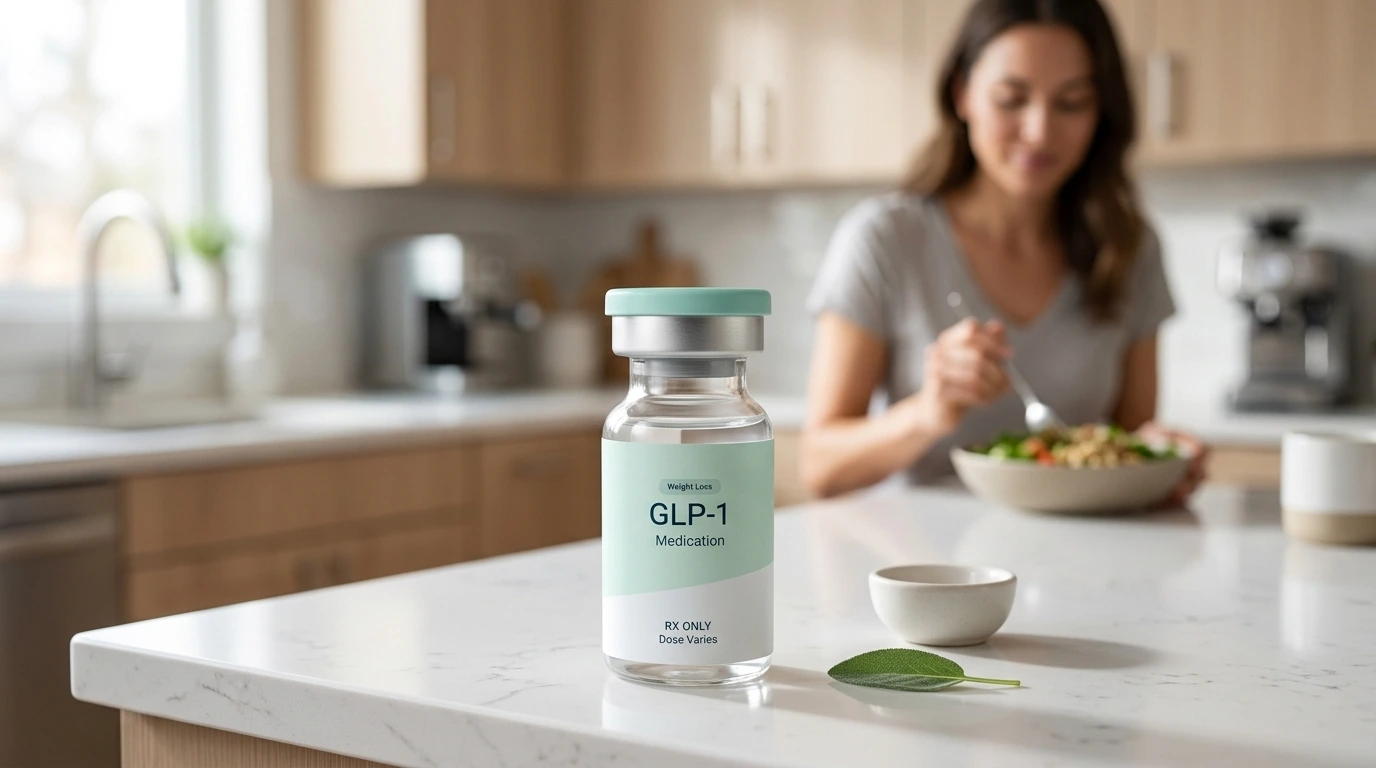
Ozempic® is a brand-name medication used primarily for managing type 2 diabetes and, in some cases, prescribed for chronic weight management. The active ingredient, semaglutide, belongs to a class of drugs called GLP-1 receptor agonists. GLP-1 stands for glucagon-like peptide-1, which is a hormone your body naturally produces to regulate blood sugar and appetite.
When you take this medication, it mimics the natural GLP-1 hormone in three main ways. First, it tells your pancreas to release more insulin after you eat. Second, it stops your liver from releasing too much sugar into your bloodstream. Third, it significantly slows down gastric emptying—the rate at which food leaves your stomach.
While this third mechanism is excellent for making you feel full longer and reducing your calorie intake, it is also the primary driver for many side effects. When food stays in the stomach for an extended period, it can lead to various sensations in the upper body and chest area that might be mistaken for cardiac pain. You can also review this overview of common GLP-1 side effects for additional context.
Is Chest Pain a Common Side Effect?
Technically, chest pain is not listed by the manufacturer as a “common” side effect. The most frequent issues reported in clinical trials are gastrointestinal, such as nausea, vomiting, and diarrhea. However, “chest discomfort” or “chest pressure” does appear in reports related to rare but serious complications.
It is vital to distinguish between “chest pain” (sharp, localized, or radiating pain) and “chest pressure” or “heartburn” (a burning sensation behind the breastbone). Because the medication slows digestion, acid reflux becomes more common. For many people, severe acid reflux can feel exactly like heavy pressure in the center of the chest. Our guide to heartburn as a possible semaglutide side effect explains this overlap in more detail.
Distinguishing Between Heartburn and Cardiac Pain
Because Ozempic® slows the digestive tract, the acid in your stomach has more time to back up into the esophagus. This is known as gastroesophageal reflux disease (GERD). Many patients are surprised by how much GERD can mimic a heart-related issue.
| Feature | Heartburn (Reflux) | Cardiac Chest Pain |
|---|---|---|
| Sensation | Burning, sharp, or acidic taste | Pressure, squeezing, or “elephant on chest” |
| Location | Behind the breastbone, may move toward throat | Center of chest, may radiate to left arm, jaw, or back |
| Triggers | Occurs after eating, worse when lying down | Occurs with exertion or stress, but can happen at rest |
| Relief | Often improved by antacids or sitting up | Does not improve with antacids; requires medical intervention |
Serious Side Effects That May Involve the Chest
While acid reflux is the most likely culprit for chest discomfort, we must address the serious conditions where chest pain acts as a warning sign. These require immediate consultation with a healthcare professional.
Pancreatitis
Pancreatitis is the inflammation of the pancreas. It is a rare but serious side effect of GLP-1 medications. The hallmark of pancreatitis is severe abdominal pain that often radiates to the back. In some cases, this pain can be felt high enough in the torso that it is perceived as lower chest pain. If you experience intense pain accompanied by persistent vomiting and fever, contact a provider immediately.
Allergic Reactions
A severe allergic reaction, or anaphylaxis, is very rare but can cause chest tightness. If your body reacts to the medication, your airways may constrict, making it feel like your chest is being squeezed. This is usually accompanied by a rash, swelling of the face or throat, and difficulty breathing.
Kidney Stress and Dehydration
In some cases, the medication can lead to kidney injury, especially if a patient becomes severely dehydrated from vomiting or diarrhea. Chest pain or pressure can sometimes be a secondary symptom of kidney distress or significant electrolyte imbalances. Staying hydrated is one of the most important things you can do while on a GLP-1 program.
Heart Rate Changes
Clinical studies have shown that semaglutide can cause a slight increase in resting heart rate. For most people, this is a minor change of a few beats per minute. However, some individuals may experience heart palpitations—a feeling that the heart is racing, fluttering, or skipping a beat. While palpitations are not “pain,” they occur in the chest and can be very frightening, leading to perceived chest discomfort.
Key Takeaway: Most chest-related discomfort on Ozempic® is due to slowed digestion and acid reflux, but you should never self-diagnose. Any new chest pain should be reported to your medical team to rule out serious issues like pancreatitis or heart irregularities.
The Importance of Medical Supervision
Navigating side effects is much easier when you are not doing it alone. At TrimRx, we prioritize a telehealth-first approach that connects you with licensed providers who understand these medications inside and out. Our personalized programs are designed to monitor your progress and help you manage symptoms as they arise. If you are considering prescription support, you can complete a free eligibility assessment.
When you start a program through our platform, you receive more than just a prescription. You get access to a dedicated team available 24/7 to answer questions about what you are feeling. This level of support is crucial for distinguishing between a normal adjustment period and a symptom that requires a change in dosage or treatment.
Managing Reflux-Related Chest Discomfort
If your medical provider determines that your chest discomfort is related to acid reflux, there are several practical steps you can take:
- Eat Smaller Portions: Since your stomach empties slowly, large meals can create excessive pressure.
- Avoid Trigger Foods: Spicy, greasy, or highly acidic foods, such as citrus and caffeine, can worsen reflux.
- Stay Upright After Eating: Do not lie down for at least two to three hours after your last meal.
- Hydrate Early: Try to get most of your water intake between meals rather than during them to avoid overfilling the stomach.
For more strategies, read this guide to Ozempic acid reflux and ways to manage it.
How to Get Started Safely
If you are considering a GLP-1 medication for weight loss, the process should always begin with a thorough health assessment. We make this process simple and accessible from the comfort of your home.
Step 1: Complete the Free Assessment Quiz.
This initial step helps us understand your medical history, current health goals, and any pre-existing conditions that might influence your treatment plan.
Step 2: Consult with a Licensed Provider.
After your quiz, you will be connected with a healthcare professional. This is the time to discuss any concerns you have about side effects, including heart health or previous experiences with indigestion.
Step 3: Receive Your Personalized Plan.
If appropriate, the provider will issue a prescription. This may include branded medications like Ozempic®, Wegovy®, Mounjaro®, or Zepbound®. Alternatively, they may prescribe compounded semaglutide or compounded tirzepatide.
Step 4: Medication Delivery and Ongoing Support.
Prescriptions for compounded medications are filled by FDA-registered and inspected compounding pharmacies and shipped directly to your door. You will then have ongoing access to our team for any questions about your dosage or side effects.
Note: Compounded semaglutide and compounded tirzepatide are not FDA-approved. However, they are prepared in pharmacies that follow strict federal and state regulations to ensure quality and safety.
Myths and Facts About Heart Health and GLP-1s
There is a lot of misinformation online regarding how these medications affect the heart. Let’s clear up a few common misconceptions.
Myth: Ozempic causes heart attacks.
Fact: Clinical research actually suggests the opposite for many patients. Ozempic® is FDA-approved to reduce the risk of major cardiovascular events, like heart attacks and strokes, in adults with type 2 diabetes and established heart disease.
Myth: If my heart is racing, I am having a heart attack.
Fact: A slightly increased heart rate is a known, usually benign side effect of GLP-1s. However, if a racing heart is accompanied by chest pain, dizziness, or fainting, you must seek medical help.
Myth: Compounded medications are more dangerous for the heart.
Fact: Compounded semaglutide contains the same base active ingredient as the branded versions. While they are not FDA-approved, they are monitored for safety when prescribed by licensed providers and dispensed by reputable pharmacies.
Support Beyond Prescription Medication
Sometimes, the transition to a GLP-1 medication requires extra support for your digestive system and overall metabolism. To help our members succeed, we offer quick-access supplements that do not require a prescription or a quiz.
For those concerned about the gastrointestinal side effects that often mimic chest pain, our GLP-1 Daily Support supplement is designed to assist with digestive comfort and nutrient absorption. Additionally, our Weight Loss Boost supplement can help maintain energy levels as your body adjusts to a lower-calorie intake. These tools are part of our commitment to a holistic, personalized approach to your health.
When to Contact Your Doctor Immediately
While we emphasize that many chest sensations are digestive, you must never ignore certain “red flag” symptoms. Contact a healthcare provider or emergency services if you experience:
- Sudden, crushing chest pain or pressure.
- Pain that spreads to the neck, jaw, shoulders, or arms.
- Shortness of breath or extreme difficulty breathing.
- Fainting, severe dizziness, or a sudden cold sweat.
- Severe abdominal pain that does not go away and radiates to the back.
Your safety is the absolute priority. It is always better to have a symptom evaluated and find out it is “just heartburn” than to ignore a potential cardiac event or a serious complication like pancreatitis.
The TrimRx Philosophy on Sustainable Weight Loss
We believe that weight loss is a deeply personal journey that requires more than just a pill or an injection. It requires a partnership between you and a clinical team that actually cares about your progress and your safety. TrimRx was built to bridge the gap between traditional medicine and modern convenience.
By combining the latest science in GLP-1 medications with 24/7 specialist access and personalized care, we empower you to take control of your metabolic health. We know that the fear of side effects can be a barrier to starting, which is why we emphasize education and personalized care every step of the way.
Bottom line: While chest pain is not a standard side effect of Ozempic®, it can be a symptom of manageable issues like acid reflux or rare, serious complications. Working with a dedicated medical team ensures you can distinguish between the two and stay on track toward your goals safely.
Conclusion
Feeling chest discomfort while on Ozempic® can be startling, but in many cases, it is a manageable byproduct of how the medication changes your digestion. By understanding the difference between simple heartburn and more serious warning signs, you can navigate your treatment with peace of mind. Remember, you should always report new or worsening symptoms to your healthcare provider to ensure your plan remains safe and effective for your unique health profile.
At TrimRx, our mission is to provide an empathetic, science-backed path to sustainable health. We are here to help you move past the frustrations of the past and into a future where you feel supported, informed, and equipped to succeed.
- Take the first step: Complete a free eligibility assessment to see if a personalized weight loss program is right for you.
- Optimize your journey: Explore our GLP-1 Daily Support supplement to support your nutritional needs during treatment.
- Stay connected: Use your portal to message our team of specialists whenever you have a question about your symptoms.
FAQ
Can Ozempic cause heart palpitations that feel like chest pain?
Yes, Ozempic® can cause a slight increase in resting heart rate, which some people perceive as palpitations or a fluttering sensation in the chest. While this is usually not painful, the sensation can be uncomfortable or cause anxiety, which may lead to a feeling of chest tightness. If you experience palpitations along with dizziness or shortness of breath, you should contact your healthcare provider.
Is the chest pain I feel actually acid reflux?
It is very common for Ozempic® to cause acid reflux because it slows down the rate at which your stomach empties. This back-up of stomach acid can cause a sharp or burning pain behind the breastbone that many people mistake for heart pain. If the sensation happens after eating or worsens when you lie down, it is likely reflux-related, but you should still have it confirmed by a professional.
Should I stop taking my medication if I have chest pressure?
You should not stop or change your dosage of any prescription medication without first consulting your healthcare provider. If the chest pressure is severe or accompanied by emergency symptoms like jaw pain or difficulty breathing, seek immediate medical attention. For mild discomfort, contact your TrimRx provider to discuss your symptoms and determine if a dosage adjustment is necessary. If you are not yet working with a provider, you can see whether a personalized program may be appropriate.
How can I prevent chest discomfort while on semaglutide?
To minimize the risk of reflux-related chest pain, try eating smaller meals, avoiding “trigger” foods like fat and spice, and staying upright for several hours after eating. Staying well-hydrated and using supportive supplements like GLP-1 Daily Support can also help support your digestive routine. Always follow the titration schedule provided by your doctor to give your body time to adjust to the medication.
Disclaimer: This content is for informational purposes only and does not constitute medical advice. It is not intended to diagnose, treat, cure, or prevent any disease or condition. Individual results may vary. Always consult a qualified healthcare professional before starting any weight loss program or medication.

Transforming Lives, One Step at a Time
Keep reading

Playing in a Tennis League on Ozempic
Joining a tennis league is one of the best things you can do for fitness, friendship, and a bit of friendly competition. Many adults…

Sledding and Ice Skating With the Grandkids on Ozempic
Winter break with grandchildren often means sledding hills, outdoor rinks, and snowball fights in the yard. For many grandparents who have lost weight on…

Hosting a Quinceañera on Ozempic
A quinceañera is one of the biggest days in a family’s life. There is a Mass or blessing, photos, a grand entrance, the court’s…


