Can I Use FSA for Compounded Semaglutide?

Introduction
Struggling with the weight of both physical health goals and the financial logistics of modern healthcare is a common frustration for many Americans. When you discover a medication that finally feels like it might work, the next logical question is usually, “How do I pay for it?” If you have been setting aside pre-tax dollars into a Flexible Spending Account (FSA), you are likely wondering if those funds can be used for compounded semaglutide.
At TrimRx, we believe that navigating the path to better metabolic health should be as transparent and stress-free as possible. This includes understanding how to maximize your employer-sponsored benefits to support your wellness journey. The short answer is that yes, you can typically use FSA or HSA funds for compounded medications, provided they are prescribed by a licensed provider for a diagnosed medical condition. This article will explain the rules, the documentation you might need, and how to navigate the process effectively. For additional information, review this guide to FSA coverage for compounded semaglutide.
Quick Answer: Compounded semaglutide is generally an eligible expense for FSA and HSA funds when prescribed by a healthcare provider to treat a specific medical condition like obesity or type 2 diabetes. You will likely need a receipt and, in some cases, a Letter of Medical Necessity (LMN) to satisfy IRS requirements.
What is Compounded Semaglutide?
Before diving into the financial specifics, it is important to understand what you are potentially purchasing. Semaglutide belongs to a class of medications known as GLP-1 receptor agonists (glucagon-like peptide-1). These medications mimic a natural hormone in your body that regulates appetite and blood sugar levels. By slowing down how quickly your stomach empties and signaling to your brain that you are full, semaglutide helps reduce overall calorie intake.
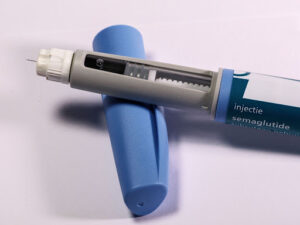
Compounded semaglutide is a version of the medication prepared by a specialized pharmacy to meet the specific needs of a patient. While branded versions like Ozempic® or Wegovy® are produced in mass quantities by large manufacturers, compounded medications are mixed by licensed pharmacists in FDA-registered and inspected facilities. This process often occurs when there are drug shortages or when a patient needs a specific dosage that is not commercially available. You can learn more about how compounded semaglutide is prepared.
Note: While compounded semaglutide is prepared in FDA-registered facilities, the compounded medication itself is not FDA-approved. Only the branded versions like Wegovy® have received specific FDA approval for weight management.
IRS Rules for FSA and HSA Eligibility
To determine if you can use your FSA for compounded semaglutide, we have to look at the rules set by the Internal Revenue Service (IRS). The IRS defines “medical care” expenses as amounts paid for the diagnosis, cure, mitigation, treatment, or prevention of disease.
Under these guidelines, prescription medications are almost always considered a qualifying medical expense. Because compounded semaglutide requires a prescription from a licensed healthcare professional, it fits the primary criteria for eligibility. However, the intent behind the prescription is what matters most to your account administrator.
The Importance of Medical Necessity
The IRS distinguishes between “medical care” and “cosmetic” or “general health” expenses. For a medication to be eligible for FSA funds, it must be used to treat a specific medical condition. If a provider prescribes semaglutide to treat obesity (typically defined as a BMI of 30 or higher) or to manage weight-related comorbidities like high blood pressure or type 2 diabetes, it is a qualified medical expense.
If the medication were used purely for aesthetic reasons without an underlying medical diagnosis, an FSA administrator might deny the claim. This is why having a clear treatment plan and a documented diagnosis is essential. If you are considering prescription treatment, you can complete a free eligibility assessment to begin the clinical review process.
Qualifying Medical Conditions
For many patients, the path to eligibility starts with a conversation about their health history. Most FSA and HSA administrators will approve the use of funds for semaglutide when it is prescribed for the following:
- Obesity: Defined as having a Body Mass Index (BMI) of 30 or greater.
- Overweight with Comorbidities: Defined as a BMI of 27 or greater, accompanied by at least one weight-related health issue such as hypertension (high blood pressure), high cholesterol, or sleep apnea.
- Type 2 Diabetes: Managing blood sugar levels is a primary medical use for GLP-1 medications.
- Metabolic Syndrome: A cluster of conditions that increase the risk of heart disease and stroke.
When you participate in a program through a platform like TrimRx, you work with licensed providers who evaluate these specific health markers. This clinical oversight helps ensure that your treatment is medically appropriate and, by extension, more likely to qualify for your pre-tax benefits. Learn more about how online GLP-1 prescriptions work.
The Letter of Medical Necessity (LMN)
While a standard prescription and a receipt are often enough to justify an expense, some FSA administrators require a Letter of Medical Necessity (LMN). This is a formal document written by your healthcare provider that explains why the medication is essential for your health.
What is included in an LMN?
A typical LMN for compounded semaglutide will include:
- Patient Information: Your name and date of birth.
- Diagnosis: The specific medical condition being treated (e.g., Obesity, ICD-10 code E66.01).
- Treatment Plan: A statement that the provider has prescribed semaglutide as part of a medically supervised weight loss program.
- Duration: How long the treatment is expected to last.
- Provider Signature: The name and credentials of the licensed professional.
Key Takeaway: Always save a digital or physical copy of your prescription and your Letter of Medical Necessity. Even if your FSA card works at the time of purchase, your administrator may request these documents weeks or months later to verify the expense.
How to Use Your FSA Funds for the Program
There are generally two ways to use your FSA or HSA funds for weight loss treatment. The method you choose often depends on the type of card your plan provides and the specific rules of your employer’s benefits package.
Option 1: Using Your FSA Debit Card
Many FSA plans provide a debit card that allows you to pay for healthcare expenses at the point of sale. If your provider or the platform accepts these cards, this is the most convenient route. The funds are deducted directly from your account, and the transaction is recorded immediately.
Option 2: Paying Out-of-Pocket and Seeking Reimbursement
If you do not have an FSA debit card, or if the card is declined, you can pay using a personal credit or debit card. Afterward, you submit a claim to your FSA administrator. You will typically need to provide:
- An itemized receipt showing the date of service.
- The name of the medication or service.
- The amount paid.
- A copy of your prescription or LMN.
Bottom line: Whether you pay upfront with a benefits card or seek reimbursement later, the eligibility remains the same. The goal is to prove to the IRS that the money was spent on a legitimate medical treatment prescribed by a professional.
FSA vs. HSA: Key Differences to Remember
While “can I use my FSA” is the most common question, many people have Health Savings Accounts (HSA) and wonder if the rules differ. While the eligibility for compounded semaglutide is the same for both, the management of the funds is different.
| Feature | Flexible Spending Account (FSA) | Health Savings Account (HSA) |
|---|---|---|
| Eligibility | Through an employer-sponsored plan. | Requires a High-Deductible Health Plan (HDHP). |
| Ownership | Owned by the employer. | Owned by the individual. |
| Rollover | “Use it or lose it” (with small exceptions). | Funds roll over indefinitely. |
| Changes | Contributions set during open enrollment. | Can change contribution amounts anytime. |
| Medication Rule | Prescribed meds are eligible. | Prescribed meds are eligible. |
If you are using an FSA, pay close attention to your plan’s deadline. Most FSA funds must be spent by December 31st, though some plans offer a “grace period” through March or allow a small amount to carry over. If you have remaining funds at the end of the year, starting a weight loss program is a productive way to invest in your health rather than losing those dollars.
Maximizing Your Benefits with TrimRx
Navigating the healthcare system shouldn’t feel like a second job. We designed our platform to bridge the gap between clinical expertise and modern convenience. Our mission is to help individuals embrace healthier lifestyles through a transparent, personalized approach to sustainable weight loss.
Our personalized programs include the medical consultation, the medication (if prescribed), and ongoing support. Because our program is medically supervised, it is designed to meet the criteria for FSA and HSA eligibility. When you choose us, you are not just getting a prescription; you are getting a dedicated team of specialists available 24/7 to guide you through every step of the process, including the paperwork you might need for your benefits administrator.
Managing Costs and Expectations
It is important to have realistic expectations. Weight loss with GLP-1 medications like semaglutide is a journey, not an overnight fix. Most clinical studies show that the best results occur when the medication is combined with lifestyle changes, such as improved nutrition and increased physical activity.
Myth: You can only use FSA for branded drugs like Wegovy®. Fact: You can use FSA funds for compounded semaglutide as long as it is a prescribed medication for a legitimate medical condition.
Potential Challenges with FSA Claims
While most claims for compounded semaglutide are processed without issue, there are a few reasons an administrator might flag or deny a transaction:
- Incomplete Documentation: If the receipt does not clearly state that the charge is for a prescription medication, it may be questioned.
- General Wellness Labels: If the administrator perceives the program as a “gym membership” or “wellness club” rather than medical treatment, they may ask for an LMN.
- Plan-Specific Exclusions: Rarely, some employers may specifically exclude certain types of weight loss treatments from their FSA coverage. It is always wise to check your Summary Plan Description (SPD).
If a claim is denied, do not panic. Most administrators allow you to appeal by providing additional documentation, such as a letter from your provider at TrimRx or a more detailed itemized receipt.
Steps to Start Your Journey Using FSA
If you are ready to use your pre-tax dollars to support your health, here is the process you will likely follow:
Step 1: Check Your Balance Verify how much you have remaining in your FSA for the current plan year. Remember the year-end deadlines if you are in the fourth quarter of the year.
Step 2: Complete a Medical Assessment Take a free assessment quiz to provide your health history, BMI, and goals. This information is reviewed by a licensed provider to determine if you are a candidate for semaglutide.
Step 3: Consult with a Provider Through our telehealth-first platform, you will have a consultation with a healthcare professional. This is where your diagnosis is established and your prescription is written.
Step 4: Request Documentation If you know your FSA administrator is strict, ask for a Letter of Medical Necessity during your onboarding. Having this on file from the start saves time later.
Step 5: Pay and Save Receipts Use your FSA card or your personal card. Immediately save the digital receipt or confirmation email in a folder dedicated to “Healthcare Expenses.”
Why Clinical Supervision Matters
Using FSA funds requires the medication to be part of a legitimate medical treatment. This is one of the many reasons why clinical supervision is vital. Beyond the financial aspect, having a doctor or nurse practitioner monitor your progress is essential for safety.
GLP-1 medications can cause side effects like nausea or digestive upset as your body adjusts to the new hormone levels. A dedicated medical team can help you manage these side effects, adjust your dosage, and ensure that the medication is working effectively for your specific body chemistry. You can also review these semaglutide side effect management tips. Our specialists are here to ensure that your path to a healthier weight is both safe and sustainable.
Conclusion
Using your FSA for compounded semaglutide is a smart financial move that makes medically supervised weight loss more accessible. By leveraging pre-tax dollars, you can invest in a personalized program that addresses the root causes of metabolic health. At TrimRx, we are committed to providing the clinical expertise and administrative support you need to succeed. Whether you are just starting to research GLP-1 medications or are ready to begin your program today, understanding your benefits is a powerful step toward a healthier future.
Key Takeaway: Compounded semaglutide is an eligible FSA expense when prescribed for conditions like obesity or diabetes. To ensure a smooth process, maintain clear documentation including your prescription, receipts, and a Letter of Medical Necessity.
If you are ready to see if you qualify, the best next step is to complete a free eligibility assessment. This will help our licensed providers determine the best course of action for your unique health profile and give you the medical foundation needed to use your FSA or HSA funds with confidence.
FAQ
Can I use my FSA for a weight loss program?
Yes, in most cases, if the program covers medical consultations and prescription medication for a diagnosed condition like obesity, it is considered a qualifying medical expense. You should keep an itemized receipt that breaks down these services to provide to your plan administrator if requested.
What happens if my FSA card is declined at checkout?
If your FSA debit card is declined, it may be because the merchant category code is not automatically recognized by your plan. You can simply pay with a personal credit card and submit the itemized receipt and your prescription to your FSA administrator for manual reimbursement.
Is a Letter of Medical Necessity required for all compounded medications?
While not all administrators require an LMN for prescription drugs, it is highly recommended for weight loss treatments. Since some plans may initially view weight management as a “wellness” or “cosmetic” expense, an LMN provides the clinical proof that the treatment is a medical necessity for your specific health condition.
Can I use my FSA to buy GLP-1 supplements without a prescription?
No, the IRS rules for supplements are different than for prescription medications. While prescription semaglutide is eligible, over-the-counter supplements usually require a specific prescription or LMN from a doctor to be covered by FSA funds; otherwise, they are considered general health expenses and are not eligible. If you are discussing nutritional support with your healthcare provider, review the GLP-1 Daily Support supplement and confirm eligibility with your plan administrator.
Disclaimer: This content is for informational purposes only and does not constitute medical advice. It is not intended to diagnose, treat, cure, or prevent any disease or condition. Individual results may vary. Always consult a qualified healthcare professional before starting any weight loss program or medication.

Transforming Lives, One Step at a Time
Keep reading
Semaglutide vs Tirzepatide: Comparing Weight Loss, Blood Sugar, and Side Effects
Semaglutide and Tirzepatide are one of the most common comparisons in medical weight loss. The two medications share a clear family resemblance. Both are…

How Much Weight Can You Lose on Semaglutide?
How much weight can you lose on semaglutide? The answer varies depending on your starting weight, dosage, treatment duration, and individual response to the…

Hair Shedding Months Into Semaglutide
It shows up in the shower drain first, then on the pillow, then in the brush. By the time most people search this, they…


