Where Are Compounding Pharmacies Getting Semaglutide?
Introduction
Finding a path toward sustainable weight loss often feels like a series of closed doors. You might have faced high costs at the pharmacy counter or found that your local clinic is out of stock of the medications you need. These frustrations have led many individuals to explore compounded semaglutide as a personalized alternative. However, a common question arises: where exactly do these pharmacies get the raw materials to make this medication?
At TrimRx, we believe that transparency is the foundation of a successful health journey. When you understand the sourcing, regulations, and safety standards behind your treatment, you can move forward with confidence. This post will explain how compounding pharmacies source their ingredients, the legal frameworks that govern them, and how we help you access high-quality options through a personalized program. Our goal is to ensure you feel supported and informed as you take the next step toward your wellness goals.
What Is Semaglutide?
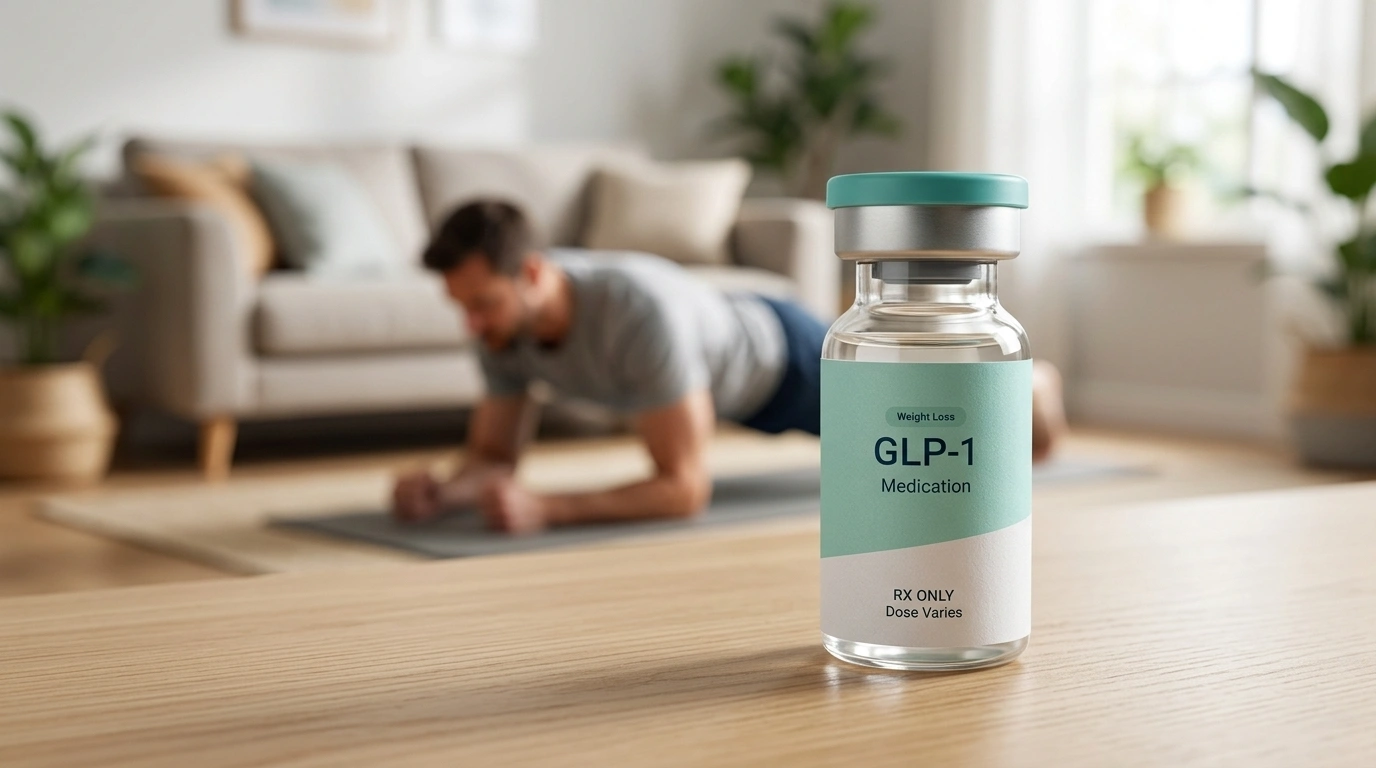
Before we look at where the ingredients come from, it is helpful to understand what the medication actually is. Semaglutide is a GLP-1 receptor agonist. GLP-1 stands for glucagon-like peptide-1, which is a hormone your body naturally produces in the gut. This hormone plays a vital role in managing how your body processes food and signals fullness to your brain.
A receptor agonist is a type of substance that mimics a natural hormone. When you take semaglutide, it acts like the GLP-1 hormone, telling your brain you are full and slowing down the rate at which your stomach empties. This dual action helps reduce appetite and can support long-term weight management when combined with healthy lifestyle changes. For a broader explanation, read this guide on how compound GLP-1 medications work.
While many people recognize the brand names Ozempic® and Wegovy®, these are specific finished products made by one manufacturer. Semaglutide itself is the “active ingredient” inside those medications. Compounding pharmacies use this same active ingredient to create customized versions of the medication for individual patients.
The Source: Active Pharmaceutical Ingredients (API)
The primary “source” for any compounding pharmacy is the Active Pharmaceutical Ingredient, or API. This is the pure, raw form of the medication before it is mixed into a liquid for injection or a tablet for oral use. Compounding pharmacies do not simply “buy” branded pens and repackage them. Instead, they start from the raw chemical component. You can also review this ingredient breakdown for compounded semaglutide.
FDA-Registered Manufacturers
Compounding pharmacies in the United States are required by law to source their API from facilities that are registered with the Food and Drug Administration (FDA). These manufacturing plants specialize in producing bulk drug substances. They must follow strict guidelines and undergo regular inspections to ensure that the chemicals they produce meet high standards for purity and potency.
It is important to note that while the final compounded medication is not FDA-approved, the API used to make it must come from these inspected and registered facilities. This oversight ensures that the raw powder used by the pharmacist is the correct chemical structure and is free from dangerous contaminants.
The Certificate of Analysis (COA)
When a compounding pharmacy receives a shipment of semaglutide API, it comes with a document called a Certificate of Analysis (COA). This document is like a birth certificate for that specific batch of medication. The COA provides detailed laboratory results showing the purity of the substance, its potency, and the results of tests for heavy metals or bacteria.
Reputable pharmacies often go a step further. They may send a sample of the raw API or the finished compounded medication to an independent, third-party laboratory. This “double-check” confirms that what is inside the vial matches exactly what the manufacturer claimed on the COA.
Key Takeaway: Compounding pharmacies source semaglutide from the same types of FDA-registered chemical manufacturers that supply the global pharmaceutical industry.
Why Compounding Is Allowed
You might wonder why a pharmacy is allowed to make a version of a medication that already exists under a brand name. Under the Federal Food, Drug, and Cosmetic Act, compounding is generally permitted for two reasons: specific patient needs or drug shortages.
Addressing Medication Shortages
The FDA maintains an official list of drugs that are currently in shortage across the United States. When a medication like Wegovy® or Ozempic® is on this list, it means the manufacturer cannot produce enough to meet the demand of the American public.
When a drug is officially in shortage, the FDA allows licensed compounding pharmacies to create “essentially copies” of the medication. This legal pathway ensures that patients do not have to interrupt their treatment just because a large manufacturer has a supply chain issue. If you are exploring whether a personalized program may be appropriate, you can complete a free eligibility assessment.
Personalization and Patient Needs
Beyond shortages, compounding exists to help people who cannot use standard, mass-produced medications. For example, a patient might be allergic to a specific dye or preservative used in the branded version. A compounding pharmacist can remove that allergen while keeping the active semaglutide. Others might need a specific dosage that is not available in pre-filled pens. Compounding allows for a “made-to-order” approach to medicine.
503A vs. 503B Pharmacies
Not all compounding pharmacies are the same. In the United States, they are categorized into two groups based on how they are regulated and who they serve. Understanding these differences can help you feel more secure about where your medication is coming from. This guide to buying compounded semaglutide safely provides additional context about pharmacy standards.
503A Pharmacies (State-Licensed)
The majority of compounding pharmacies are 503A pharmacies. These are the traditional pharmacies you might find in your community. They are primarily regulated by State Boards of Pharmacy.
A 503A pharmacy can only create a medication after they receive a specific prescription for a specific patient. They are not allowed to make large batches in advance. These pharmacies must follow the standards set by the United States Pharmacopeia (USP), which outlines how medications should be prepared, stored, and tested.
503B Pharmacies (Outsourcing Facilities)
A 503B pharmacy is known as an “outsourcing facility.” These are often larger operations that can produce medications in bulk without having an individual prescription for every vial immediately.
Because they produce larger quantities, 503B pharmacies are held to much stricter standards. They are required to follow Current Good Manufacturing Practices (cGMP), which are the same rigorous standards that apply to major pharmaceutical drug manufacturers. These facilities are also subject to direct inspections by the FDA.
TrimRx connects you with providers who work with high-quality, inspected compounding pharmacies. This ensures that the medication you receive is handled with the highest level of care and professional oversight.
Identifying High-Quality Sourcing
As the demand for GLP-1 medications has grown, it is more important than ever to know how to spot a legitimate pharmacy. Not every website offering semaglutide is following the law or using safe ingredients. For more information, read about where compounding pharmacies source semaglutide.
Avoid “Salt” Forms
One of the biggest red flags in the compounding world is the use of semaglutide sodium or semaglutide acetate. These are “salt” forms of the drug. The FDA has issued warnings stating that these salt forms have not been shown to be safe or effective for human use.
Legitimate compounding pharmacies use the “base” form of semaglutide. This is the same chemical form used in clinical trials and branded medications. When we partner with pharmacies, we ensure they are using the correct, high-quality base form of the medication.
The Role of the Prescriber
A legitimate pharmacy will never send you medication without a valid prescription from a licensed healthcare provider. If a website offers to ship you semaglutide without a consultation or a prescription, it is a sign that the pharmacy may not be operating legally.
Our platform ensures that every patient goes through a medical screening. This process involves a free assessment quiz and a review by a licensed professional. Only after a provider determines that the medication is safe and appropriate for you will a prescription be sent to one of our pharmacy partners.
Note: Always consult a licensed healthcare professional before starting any new medication. They can help you determine if semaglutide is right for your specific health history and goals.
The Onboarding Process with TrimRx
We have designed our program to be as straightforward and transparent as possible. We know that starting a weight loss journey can be overwhelming, so we handle the logistics so you can focus on your health.
Step 1: Complete the Free Assessment.
Our online quiz gathers information about your medical history, your weight loss goals, and any previous treatments you have tried. This helps the medical team understand if you are a good candidate for the program.
Step 2: Medical Review.
A licensed healthcare provider reviews your information. They may request lab work or ask follow-up questions to ensure the program is safe for you. This telehealth-first approach means you never have to sit in a waiting room.
Step 3: Pharmacy Preparation.
Once approved, your prescription is sent to one of our partner compounding pharmacies. These pharmacies source high-quality API and prepare your medication according to the provider’s exact instructions.
Step 4: Discrete Shipping.
The medication is shipped directly to your door in temperature-controlled packaging. We include all the supplies you need, such as syringes and alcohol pads, along with clear instructions on how to use the medication.
Step 5: Ongoing Support.
Your journey does not end when the package arrives. We provide 24/7 access to specialized support. Whether you have questions about side effects or need help adjusting your routine, our team is there to guide you.
Quality Control and Safety Standards
Maintaining the integrity of the medication from the manufacturer to your doorstep is a complex process. Compounding pharmacies must adhere to several layers of safety protocols.
Sterility Testing
Because most GLP-1 medications are injectables, they must be sterile. This means they are free from any bacteria, fungi, or other microorganisms. Pharmacies use specialized equipment, such as cleanrooms and laminar flow hoods, to prepare these medications. They also perform sterility testing on finished batches to ensure the highest safety levels.
Potency and Stability
Medications can lose their effectiveness if they are not stored or prepared correctly. Compounding pharmacies perform stability testing to determine the “Beyond Use Date” (BUD). This date tells you how long the medication will remain potent and safe to use. Our shipping process uses insulated packaging to maintain the correct temperature, ensuring the medication arrives at your home in optimal condition.
Potential Alternatives to Compounded Semaglutide
While many people find success with compounded options, it is important to know that other paths exist. Depending on your health profile and insurance coverage, your provider might discuss different options with you.
Branded medications like Mounjaro®, Zepbound®, Wegovy®, and Ozempic® are FDA-approved for specific conditions such as Type 2 diabetes or chronic weight management. These medications are made by large pharmaceutical companies and are dispensed through traditional retail pharmacies. While we do not ship these branded products directly, our providers can write prescriptions for them if they are the best fit for your needs.
If you are looking for non-prescription ways to support your journey, we also offer quick-access supplements. Products like GLP-1 Daily Support or Weight Loss Boost are designed to complement a healthy lifestyle and do not require a medical quiz for purchase.
Common Misconceptions About Sourcing
There is a lot of misinformation online regarding where compounded medications come from. Let’s address a few of the most common myths.
Myth: Compounded semaglutide is “fake” or “counterfeit.”
Fact: Legitimate compounded semaglutide is a real medication prepared by licensed pharmacists using high-quality ingredients. Counterfeit products are those sold by unlicensed sources, often without a prescription.
Myth: Pharmacies are making semaglutide in “backrooms” without oversight.
Fact: Compounding pharmacies are highly regulated entities. They must follow USP standards, maintain state licenses, and, in the case of 503B facilities, undergo FDA inspections.
Myth: The ingredients in compounded versions are completely different from the brands.
Fact: Compounded versions use the same active pharmaceutical ingredient (semaglutide) found in the branded versions, provided they are using the “base” form of the drug.
Why Personalization Matters
No two bodies are exactly the same. One person might find that a low dose of semaglutide works perfectly, while another might need a different titration schedule to avoid side effects like nausea or fatigue.
Our personalized programs at TrimRx are built around this reality. We don’t believe in a one-size-fits-all approach. By connecting you with licensed providers and specialized pharmacies, we ensure that your treatment plan is tailored to your unique biology. This personalized care is what helps our members see sustainable, long-term results rather than short-term fixes.
Managing Your Journey
Starting a GLP-1 medication is a significant step, and it works best when viewed as part of a larger lifestyle change. Sourcing a high-quality medication is the first hurdle, but managing the day-to-day experience is where the real work happens.
- Hydration is Key: Many people find that drinking plenty of water helps manage minor side effects.
- Prioritize Protein: As you eat less, it is important to ensure the calories you do consume are nutrient-dense to protect your muscle mass.
- Listen to Your Body: If you feel full, stop eating. The medication is designed to help you recognize these signals.
- Stay in Touch: Always report any unusual symptoms to your healthcare team immediately.
Conclusion
The question of where compounding pharmacies get semaglutide has a clear, regulated answer: they source from FDA-registered chemical manufacturers that produce high-quality bulk drug substances. By using these ingredients, licensed pharmacists can create personalized treatments that fill the gaps left by medication shortages and high costs.
At TrimRx, our mission is to simplify this process for you. We bridge the gap between science and your daily life, providing a platform where you can access expert medical guidance and high-quality medications without the stress of traditional doctor visits. We believe that everyone deserves a transparent, empathetic partner in their weight loss journey.
If you are ready to see if a personalized program is right for you, the best next step is to take the free assessment quiz. It only takes a few minutes and provides the information our medical team needs to help you start your journey toward better health.
Bottom line: Compounding pharmacies use the same raw active ingredients as major manufacturers, but they offer the flexibility to customize the medication to your specific needs during shortages.
FAQ
Is compounded semaglutide as effective as the branded versions?
Clinical studies on the active ingredient, semaglutide, show it is highly effective for weight management when paired with lifestyle changes. While the branded versions have undergone specific FDA clinical trials as finished products, compounded versions use the same active ingredient to achieve similar biological effects.
How do I know if a compounding pharmacy is safe?
A safe pharmacy will always require a prescription, be licensed in your state, and be willing to provide a Certificate of Analysis for their ingredients. Working through a platform like ours ensures that the pharmacies have already been vetted for quality and compliance. You can see if you qualify for a personalized program and begin the medical review process.
Why is semaglutide compounded instead of just sold as a generic?
Traditional generics can only be manufactured after a brand’s patent expires. Because semaglutide is still under patent, “generics” do not exist yet. Compounding is a separate legal pathway allowed during shortages or for specific patient needs.
Can I get semaglutide without a doctor’s prescription?
No. Semaglutide is a powerful medication that requires medical oversight to ensure it is safe for you. Any source offering to sell it without a prescription is likely operating illegally and may be selling unsafe products.
Disclaimer: This content is for informational purposes only and does not constitute medical advice. It is not intended to diagnose, treat, cure, or prevent any disease or condition. Individual results may vary. Always consult a qualified healthcare professional before starting any weight loss program or medication.

Transforming Lives, One Step at a Time
Keep reading
Semaglutide vs Tirzepatide: Comparing Weight Loss, Blood Sugar, and Side Effects
Semaglutide and Tirzepatide are one of the most common comparisons in medical weight loss. The two medications share a clear family resemblance. Both are…

How Much Weight Can You Lose on Semaglutide?
How much weight can you lose on semaglutide? The answer varies depending on your starting weight, dosage, treatment duration, and individual response to the…

Hair Shedding Months Into Semaglutide
It shows up in the shower drain first, then on the pillow, then in the brush. By the time most people search this, they…


