Is It Safe to Take Compounded Semaglutide?
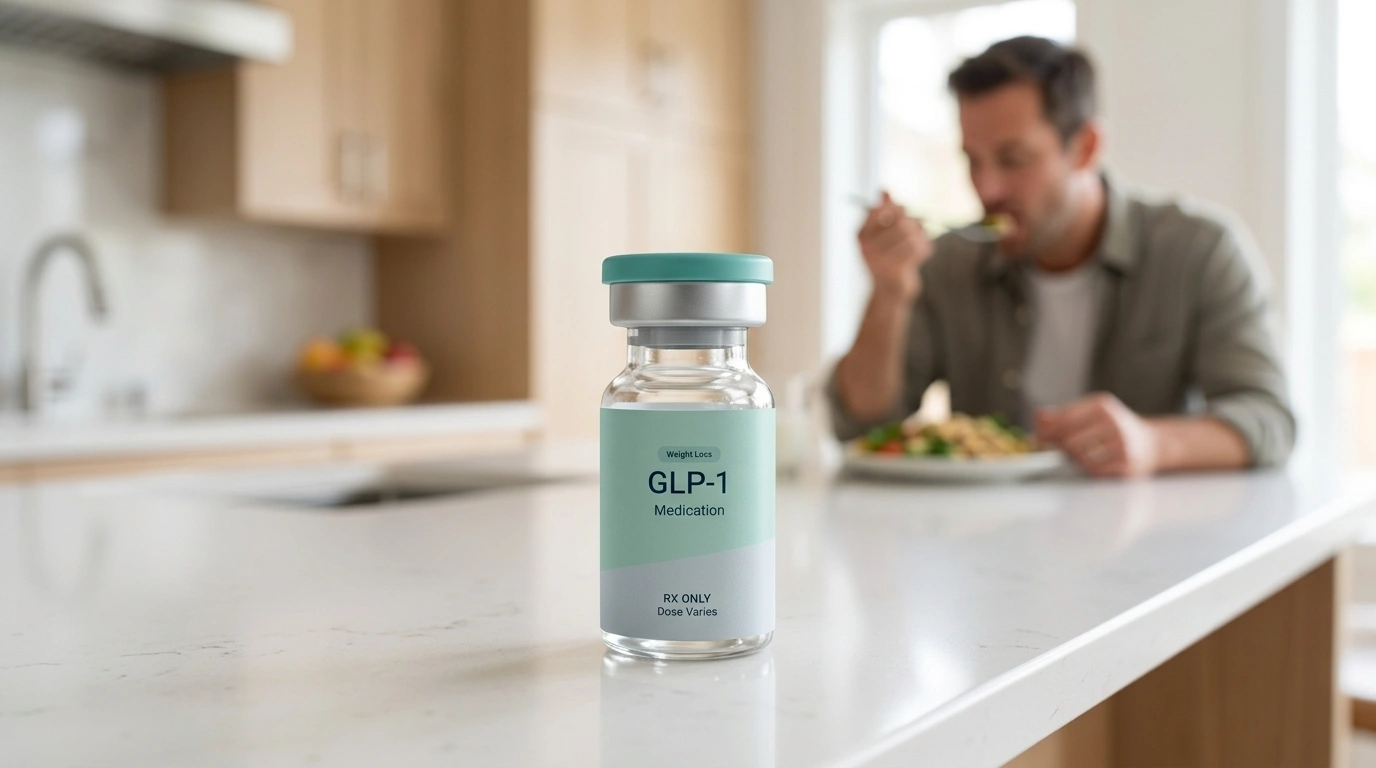
Table of Contents
- Introduction
- What is Compounded Semaglutide?
- The Critical Safety Distinction: Sourcing and Quality
- Dosing Safety and the Vial/Syringe Model
- Side Effects and Management
- Branded vs. Compounded: A Practical Comparison
- Who Should Avoid Semaglutide?
- How Personalized Telehealth Enhances Safety
- Red Flags of Unsafe Providers
- Action Steps for Starting Safely
- The Role of Lifestyle and Nutrition
- Conclusion
- FAQ
Introduction
The search for a weight loss solution that actually works can be exhausting. Many people spend years navigating restrictive diets or demanding exercise routines only to see the scale stay still. The rise of GLP-1 medications has offered new hope, but the high cost or frequent shortages of branded versions often leave individuals searching for alternatives. This search leads to one central question: is it safe to take compounded semaglutide?
At TrimRx, we believe that transparency is the foundation of a successful health journey. In this article, we will explore the safety profile of compounded semaglutide and how it differs from branded medications. We will also discuss the critical role that medical supervision plays in your safety. By the end of this guide, you will have a clear understanding of how to prioritize your health while pursuing sustainable weight management through our personalized programs. If you are considering prescription treatment, you can complete a free eligibility assessment.
Quick Answer: Compounded semaglutide is generally considered safe when it is prescribed by a licensed healthcare provider and dispensed by a reputable, FDA-registered or state-licensed compounding pharmacy. Safety depends on using the correct “base” form of the medication and receiving continuous medical oversight to manage dosing and side effects.
What is Compounded Semaglutide?
To determine if these medications are safe, it is important to first understand what they are. Compounding is a long-standing medical practice where a licensed pharmacist combines, mixes, or alters ingredients to create a medication tailored to the needs of an individual patient. This might occur if a patient has an allergy to a specific dye in a mass-produced drug or needs a liquid version of a pill.
In the context of weight loss, semaglutide is a GLP-1 receptor agonist. This means it mimics a hormone naturally produced in your body that regulates appetite and blood sugar. While branded versions like Ozempic® and Wegovy® are manufactured by a single company, compounded semaglutide is prepared by specialized pharmacies. For additional background, read this guide to compounding pharmacy safety and semaglutide quality.
The Mechanism of Action
Semaglutide works by targeting areas of the brain that regulate hunger. It mimics the glucagon-like peptide-1 (GLP-1) hormone, which is released after you eat. This signaling helps you feel full faster and stay full longer. It also slows down stomach emptying, which helps stabilize blood sugar levels. When prepared correctly in a compounding pharmacy, the active ingredient remains the same as that used in clinical studies.
Why Compounding is Permitted
Compounding pharmacies are permitted to produce versions of medications during national shortages. When the FDA determines that a drug like semaglutide is in short supply, regulated pharmacies can create compounded versions to ensure patients do not lose access to their care. This allows for continued treatment even when the branded supply chain is disrupted.
The Critical Safety Distinction: Sourcing and Quality
The safety of compounded semaglutide depends largely on the quality of the pharmacy and the ingredients used. There is a significant difference between a legitimate pharmacy and the unregulated “peptide” websites found online.
Base Form vs. Salt Forms
Legitimate compounding pharmacies use the “base” form of semaglutide. This is the exact chemical structure that has been tested for safety and efficacy in clinical trials. Some unregulated sources use “semaglutide salts” such as semaglutide sodium or semaglutide acetate. The FDA has expressed concerns about these salt forms because they have not been shown to be safe or effective in the same way as the base molecule.
503A and 503B Facilities
Medications should only come from highly regulated facilities. There are two main types of compounding pharmacies:
- 503A Pharmacies: These are state-licensed facilities that prepare medications for specific, individual patients based on a prescription.
- 503B Outsourcing Facilities: These are larger operations that produce batches of medications and are subject to more rigorous FDA inspections and Good Manufacturing Practices (CGMP).
We ensure that all medications in our program come from pharmacies that are FDA-registered and regularly inspected. This oversight helps prevent contamination and ensures the medication remains stable and potent.
Dosing Safety and the Vial/Syringe Model
One of the practical safety differences between branded and compounded semaglutide is the delivery method. Branded medications often come in pre-filled pens that automatically deliver a set dose. Compounded semaglutide usually arrives in a multi-dose vial with separate syringes. For more guidance, review this semaglutide first-dose and injection safety guide.
Avoiding Measurement Errors
Errors in measurement are one of the leading causes of adverse effects. If a patient misreads the markings on a syringe or confuses “units” with “milligrams,” they may accidentally take too much medication. This can lead to severe nausea or vomiting. A safe program will provide clear, written instructions and access to medical professionals who can explain the administration process.
Key Takeaway: Precision is essential. Always verify your dose with your provider and ensure you are using the correct syringe size provided by your pharmacy.
Sterile Technique
Injectable medications must be handled with care to prevent infection. Because semaglutide is injected under the skin, maintaining sterility is a safety priority. This involves washing your hands, cleaning the top of the vial with alcohol, and using a fresh, sterile needle for every single dose. Reusing needles or failing to clean the injection site can lead to skin infections or abscesses.
Side Effects and Management
Whether you take a branded or compounded version, the active ingredient carries the same potential for side effects. Most of these are gastrointestinal as your body adjusts to the medication.
Common Digestive Side Effects
Most patients experience mild to moderate side effects during the first few weeks. These occur because the medication slows down digestion. Common symptoms include:
- Nausea and occasional vomiting
- Diarrhea or constipation
- Abdominal bloating or cramping
- Heartburn and acid reflux
These symptoms usually subside as your body acclimates to the medication. We recommend starting at a very low dose and “titrating” up slowly over several months to minimize these issues. You can also review strategies in this guide to managing side effects during the first weeks of semaglutide treatment.
Serious But Rare Risks
While uncommon, there are more serious risks that require medical attention. You should contact a healthcare provider immediately if you experience:
- Pancreatitis: Severe abdominal pain that may radiate to your back.
- Gallbladder issues: Intense pain in the upper right stomach, fever, or yellowing of the skin.
- Kidney problems: Often a result of dehydration from persistent vomiting or diarrhea.
- Allergic reactions: Swelling of the face, tongue, or throat, or difficulty breathing.
Note: Staying hydrated is one of the most effective ways to protect your kidneys while taking GLP-1 medications. If you struggle with nausea, drinking small sips of water throughout the day is essential.
Branded vs. Compounded: A Practical Comparison
Understanding how these two options compare side-by-side helps you evaluate which path is right for your health goals and budget. You can also explore this overview of compounded semaglutide and how it differs from branded medications.
| Feature | Branded Semaglutide (e.g., Wegovy®) | Compounded Semaglutide |
|---|---|---|
| FDA Status | FDA-approved as a finished drug | Not FDA-approved; prepared in regulated pharmacies |
| Active Ingredient | Semaglutide base | Semaglutide base (in reputable pharmacies) |
| Delivery Method | Pre-filled, single-use pen | Multi-dose vial and syringe |
| Availability | Often subject to national shortages | More readily available during shortages |
| Personalization | Fixed dosages | Dosages can be customized by a provider |
| Additives | Standardized formula | May include B12 to support energy |
Who Should Avoid Semaglutide?
Safety also means knowing who should not take the medication. During your medical assessment, providers look for specific contraindications that might make semaglutide unsafe for you.
Medical Red Flags
Semaglutide is not safe for everyone regardless of their weight loss goals. You should avoid this medication if you have:
- A personal or family history of Medullary Thyroid Carcinoma (MTC).
- Multiple Endocrine Neoplasia syndrome type 2 (MEN 2).
- A history of severe allergic reactions to semaglutide.
- Active pancreatitis or severe gallbladder disease.
Pregnancy and Breastfeeding
The safety of semaglutide has not been established for pregnant or breastfeeding individuals. If you are planning to become pregnant, most providers recommend stopping the medication at least two months before conception. This ensures the drug is completely out of your system to protect the developing fetus.
How Personalized Telehealth Enhances Safety
The TrimRx approach to weight loss is built on the belief that medication is only one piece of the puzzle. Safety is significantly enhanced when a licensed healthcare provider oversees your treatment from start to finish.
The Medical Assessment
Every patient must complete a thorough health history review. This is not just a formality; it is a critical safety screen. A licensed provider reviews your medical history, current medications, and health goals to ensure you are a safe candidate for semaglutide. If semaglutide is not the right fit, they may suggest an alternative like compounded tirzepatide. Learn more about how online GLP-1 prescriptions work from assessment through delivery, then see if you qualify for a personalized program.
Professional Oversight
Weight loss is a journey that requires ongoing monitoring. When you access medication through our platform, you are not just buying a product; you are joining a program. This includes:
- Dose management: Your provider will help you increase your dose at a pace that maximizes weight loss while minimizing side effects.
- Access to specialists: You have 24/7 access to a team that can answer questions about your symptoms or administration technique.
- Nutrient support: We offer supplements like GLP-1 Daily Support to help manage common side effects like nausea and provide essential nutrients during your journey.
Red Flags of Unsafe Providers
As interest in GLP-1s grows, so does the number of illegitimate sellers. To stay safe, you must be able to distinguish between a legitimate telehealth platform and a dangerous “black market” site.
Watch Out for These Signs
If a website or clinic exhibits these behaviors, it is a significant safety risk:
- No Prescription Required: Selling these medications without a doctor’s consultation is illegal and dangerous.
- “For Research Purposes Only”: This is a tactic used to bypass safety regulations. These products are not intended for human use and have no quality guarantees.
- Unusually Low Prices: If the price seems too good to be true, the product may be counterfeit, expired, or improperly stored.
- No Pharmacy Information: A legitimate provider will be transparent about where your medication is being made.
The Importance of US-Based Sourcing
Medications should only be sourced from US-based pharmacies. Pharmacies located outside the United States are not subject to the same strict FDA inspections or sterility standards. Sourcing from a domestic, regulated pharmacy is the only way to ensure the purity and potency of your medication.
Action Steps for Starting Safely
If you and your provider decide that compounded semaglutide is right for you, following a structured process will help you achieve the best results with the least risk.
Step 1: Complete a free assessment.
Provide an honest and detailed medical history so a licensed provider can accurately screen for any contraindications or potential drug interactions.
Step 2: Review your instructions.
Once your medication arrives from the pharmacy, read all the included materials. Ensure you understand how to store the vial and how to measure your specific dose.
Step 3: Begin the titration schedule.
Start at the lowest possible dose as prescribed. Do not be tempted to “speed up” the process. The slow ramp-up is designed to help your digestive system adjust safely.
Step 4: Monitor your body.
Keep a log of how you feel. If you experience persistent nausea or other symptoms, reach out to your support team. They can offer strategies or adjust your dose to help you feel better.
Bottom line: Safety is a partnership between you, your healthcare provider, and a high-quality pharmacy. When you use a trusted source and follow a medically supervised protocol, the risks are manageable and well-documented.
The Role of Lifestyle and Nutrition
Medications like compounded semaglutide are powerful tools, but they work best when integrated into a healthier lifestyle. Safety also involves ensuring your body gets the nutrients it needs while your appetite is suppressed.
Prioritizing Protein and Hydration
Because you will be eating less, every bite must count. Focus on high-quality proteins to help maintain muscle mass as you lose weight. Staying hydrated is equally important to support kidney function and prevent constipation. If you find it difficult to get enough nutrients, our Weight Loss Boost supplement can provide additional support during your transition.
Long-Term Metabolic Health
The goal isn’t just to lose weight quickly; it’s to improve your overall metabolic health. This involves learning new habits that will help you maintain your results long after you reach your goal weight. A personalized program provides the clinical expertise and the support you need to navigate these lifestyle changes with confidence.
Conclusion
At TrimRx, our mission is to help individuals embrace healthier lifestyles through science, empathy, and a transparent approach to sustainable weight loss. We provide a telehealth-first experience that merges clinical expertise with the convenience of modern technology. By connecting patients with licensed providers and high-quality compounding pharmacies, we help remove the barriers of high costs and insurance frustrations.
Compounded semaglutide can be a safe and effective tool for weight management when it is handled with the care and professionalism it deserves. By choosing a path that prioritizes medical supervision and high-quality sourcing, you are taking a significant step toward a healthier version of yourself. If you are ready to see if a personalized program is right for you, the next step is to complete the free assessment quiz.
FAQ
Is compounded semaglutide legal in the United States?
Yes, it is legal when prepared by a licensed compounding pharmacy according to federal and state regulations. Under the Federal Food, Drug, and Cosmetic Act, pharmacies can compound versions of medications that are on the FDA’s official drug shortage list. It must be prescribed by a licensed healthcare provider for a specific patient. You can review additional compounded semaglutide regulatory and pharmacy considerations.
Why do some compounding pharmacies add Vitamin B12?
Many pharmacies include Vitamin B12 (cyanocobalamin) in their semaglutide formulations to help support energy levels and manage common side effects like nausea or fatigue. This is a common example of how compounding allows for a more personalized approach to treatment based on a patient’s specific needs.
How do I know if my medication is coming from a safe pharmacy?
A safe pharmacy will be located in the U.S., be state-licensed, and ideally be an FDA-registered 503A or 503B facility. These pharmacies are subject to regular inspections and must follow strict guidelines for sterility and ingredient quality. A legitimate telehealth platform will always be transparent about its pharmacy partners.
Can I switch from branded Ozempic or Wegovy to compounded semaglutide?
Many people successfully transition to compounded versions, particularly during shortages or when insurance coverage changes. However, you should never make this switch without consulting a healthcare provider. They must evaluate your current dosage and provide new instructions, as the administration process with a vial and syringe is different than using a pre-filled pen. If you are considering a medically supervised transition, you can start with a free eligibility assessment.
Disclaimer: This content is for informational purposes only and does not constitute medical advice. It is not intended to diagnose, treat, cure, or prevent any disease or condition. Individual results may vary. Always consult a qualified healthcare professional before starting any weight loss program or medication.

Transforming Lives, One Step at a Time
Keep reading
Semaglutide vs Tirzepatide: Comparing Weight Loss, Blood Sugar, and Side Effects
Semaglutide and Tirzepatide are one of the most common comparisons in medical weight loss. The two medications share a clear family resemblance. Both are…

How Much Weight Can You Lose on Semaglutide?
How much weight can you lose on semaglutide? The answer varies depending on your starting weight, dosage, treatment duration, and individual response to the…

Hair Shedding Months Into Semaglutide
It shows up in the shower drain first, then on the pillow, then in the brush. By the time most people search this, they…


