What Color Is Semaglutide Compound? A Visual Guide for Patients
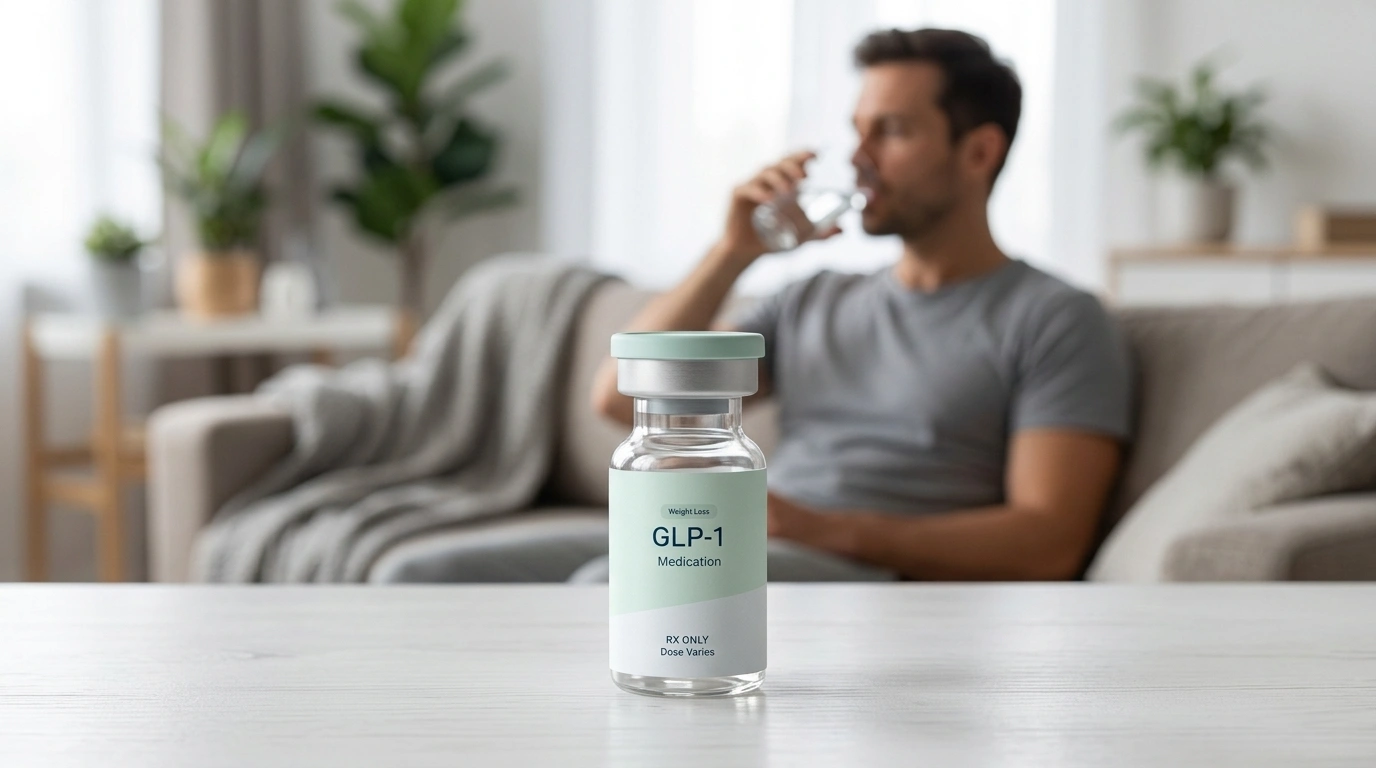
Table of Contents
- Introduction
- The Standard Appearance: Clear and Colorless
- Why Some Compounded Semaglutide Is Pink or Red
- Understanding Other Tints: Yellow and Amber
- Warning Signs: When Color and Clarity Indicate Danger
- The Difference Between Branded and Compounded Appearance
- How to Properly Inspect Your Medication
- Storage and Handling to Preserve Color and Quality
- The Role of the Assessment Quiz
- Why Quality Standards at TrimRx Matter
- Conclusion
- FAQ
Introduction
Starting a personalized weight loss journey often begins with a sense of anticipation and a few practical questions. When your medication arrives, your first instinct is likely to inspect the vial or syringe to ensure everything looks correct. Many people expect to see a crystal-clear liquid, but they are sometimes surprised to find a pink or reddish tint. At TrimRx, we understand that these visual details matter for your peace of mind and safety. This article covers the science behind the different colors of compounded semaglutide, what a “normal” appearance looks like, and which color changes serve as warning signs. Understanding these visual cues helps you stay confident as you navigate your treatment. While the color is often a result of beneficial additives, knowing the baseline for safety is a critical part of a successful program.
The Standard Appearance: Clear and Colorless
In its most basic form, semaglutide is a white, freeze-dried powder that, when mixed with a liquid solution, should appear clear and colorless. This baseline appearance is what most people are familiar with because it matches the standard for major branded medications. Branded medications like Ozempic® and Wegovy®, which are FDA-approved for specific uses like type 2 diabetes or chronic weight management, are formulated to be as clear as pure water.
Semaglutide is a glucagon-like peptide-1 (GLP-1) receptor agonist. This means it is a medication that mimics a natural hormone in your body responsible for regulating appetite and blood sugar levels. When this active ingredient is prepared in a laboratory or a compounding pharmacy without any additional vitamins or dyes, the resulting liquid is transparent. For additional background, read this guide to what compounded semaglutide should look like.
Key Takeaway: The standard, pure form of semaglutide in solution is clear and colorless, similar in appearance to water but with a slightly thicker consistency.
A “clear” appearance means you should be able to look through the vial and see objects on the other side without any distortion or blurriness. Even if the medication has a tint, which we will discuss in the next section, it must remain transparent. If you cannot see through the liquid, or if it looks “milky,” this is a different visual property called turbidity, which often signals a problem with the medication’s stability.
Why Some Compounded Semaglutide Is Pink or Red
The most common reason a person sees pink or red in their vial is the addition of Vitamin B12. Compounded medications are customized pharmaceutical products prepared by a pharmacist to meet the specific needs of an individual patient. Because these are prepared in specialized pharmacies, healthcare providers have the flexibility to “stack” or combine ingredients that might improve the patient experience.
Vitamin B12 is naturally a deep, vibrant red in its concentrated form. This color comes from the cobalt atom at the center of the B12 molecule. When even a small amount of this vitamin is added to the clear semaglutide solution, it tints the entire vial. Depending on the concentration and the specific type of B12 used, the color can range from a very pale, rose-petal pink to a bright cherry red. You can also review this explanation of semaglutide with B12.
Cyanocobalamin vs. Methylcobalamin
There are two primary forms of B12 used in these mixtures, and each can affect the color differently:
- Cyanocobalamin: This is a very stable, common form of B12. It typically results in a bright pink or light red hue.
- Methylcobalamin: This is often considered a “pre-activated” form of the vitamin. It is frequently a much darker red, which can lead to a deeper magenta or ruby color in the final compound.
The addition of these vitamins is a common practice in personalized weight loss programs because B12 is essential for energy production and nerve health. Since GLP-1 medications can sometimes lead to feelings of fatigue as your body adjusts to a lower caloric intake, the B12 is intended to support your vitality. For more information about fatigue during treatment, explore this guide to semaglutide-related tiredness.
Note: If your medication label lists “cyanocobalamin,” “methylcobalamin,” or “Vitamin B12,” a pink or red color is entirely normal and expected.
Understanding Other Tints: Yellow and Amber
While pink and clear are the most frequent colors you will see, some patients notice a very faint yellow or straw-colored tint. This can sometimes be attributed to the preservatives used in the formulation. Many compounded medications use bacteriostatic water, which contains a small amount of benzyl alcohol or phenol to prevent the growth of bacteria.
In some cases, these preservatives can lend a very subtle yellow hue to the liquid. If the medication has been this way since the moment you received it and the pharmacy confirms this is their standard formulation, a very light yellow tint is generally not a cause for concern.
However, a shift toward a darker yellow, amber, or brown is often a sign of oxidation. Oxidation occurs when the medication is exposed to air, light, or heat, causing the chemical bonds to break down. This doesn’t necessarily make the medication “toxic,” but it does suggest that the semaglutide is losing its potency. If your medication was clear or pink when it arrived and has slowly turned yellow over several weeks, it may be time to consult your provider or the pharmacy.
Warning Signs: When Color and Clarity Indicate Danger
Visual inspection is your first line of defense in ensuring your medication is safe. While we have established that pink or clear is usually fine, there are specific “red flags” that mean you should not inject the medication. If you see any of the following, do not use the dose and contact the pharmacy immediately.
Cloudiness or Turbidity
A safe medication should always be transparent. If the liquid looks “foggy,” “milky,” or “cloudy,” it is a sign of a serious issue. Cloudiness can indicate:
- Bacterial Contamination: Microorganisms growing in the vial can turn the liquid murky.
- Precipitation: This happens when the ingredients in the medication separate and form a solid suspension. It often occurs if the vial has been frozen or exposed to extreme temperature swings.
- Protein Aggregation: Since semaglutide is a peptide (a small protein), the molecules can “clump” together if they are damaged by heat or vigorous shaking.
Visible Particles or Flakes
You should never see anything floating in your vial. This includes white flakes, dark specks, or tiny crystals. These are often signs that the medication has “crashed” out of the solution or that the vial was contaminated during the manufacturing process. Injecting solid particles into the subcutaneous tissue can cause significant irritation, inflammation, or even a localized infection.
Brown or Rust Discoloration
If a vial turns brown or a dark “rusty” color, it is a sign of advanced degradation. This level of color change usually means the active ingredients have been compromised by excessive heat or light. This medication is unlikely to be effective and should be discarded according to safe disposal guidelines.
| Color/Appearance | Likely Cause | Safety Status |
|---|---|---|
| Clear & Colorless | Pure semaglutide | Safe |
| Pink or Red | Added Vitamin B12 | Safe (if on label) |
| Faint Yellow | Standard preservatives | Usually Safe |
| Cloudy/Milky | Contamination or freezing | DO NOT USE |
| Visible Particles | Precipitation or debris | DO NOT USE |
| Brown/Dark Amber | Advanced oxidation/heat damage | DO NOT USE |
The Difference Between Branded and Compounded Appearance
It is helpful to remember that branded medications and compounded medications serve different roles in the healthcare system. Branded products like Ozempic® and Wegovy® are produced in massive, standardized batches by pharmaceutical companies. They are held to a single, rigid visual standard: they must be clear and colorless.
Compounded semaglutide, on the other hand, is a customized alternative. Because these are prepared by state-licensed compounding pharmacies in response to an individual prescription, they can vary. While our partner pharmacies at TrimRx are FDA-registered and inspected, the final “recipe” might include those extra B-vitamins mentioned earlier.
Key Takeaway: Branded medications like Wegovy® are always clear because they lack additives. Compounded versions can be pink or red because they are often tailored with extra nutrients like B12 to support your energy levels.
This distinction is why you might see conflicting information online. A person using a branded pen might tell you that “red liquid is a scam,” while a person in a supervised medical program might tell you that “pink is normal.” Both can be true depending on the specific product they are using. The most important rule is to ensure the color of the liquid matches the ingredients listed on your prescription label.
How to Properly Inspect Your Medication
We recommend performing a quick visual check before every single injection. It only takes a few seconds and ensures you are always using a high-quality product.
- Step 1: Check the label. / Verify that the ingredients listed match your expectations. If it says Vitamin B12, expect a pink or red tint.
- Step 2: Hold it to the light. / Use a bright, natural light source or a lamp. Hold the vial or syringe up so light passes through the liquid.
- Step 3: Look for clarity. / Confirm that the liquid is transparent. You should be able to see through it clearly, even if it is tinted pink.
- Step 4: Check for particles. / Gently swirl the vial (do not shake it) and look for any floating debris or sediment at the bottom.
- Step 5: Verify the date. / Check the “Beyond Use Date” (BUD) or expiration date printed on the pharmacy label.
If you ever feel uncertain about what you see, take a clear photo of the vial and send it to your healthcare team or the pharmacy. They can provide a definitive answer on whether the appearance is consistent with that specific batch.
Storage and Handling to Preserve Color and Quality
Because semaglutide is a delicate peptide, its color and chemical structure are sensitive to the environment. Improper storage is the most common reason for unexpected color changes. To keep your medication stable and effective, follow these guidelines. For additional guidance, review this overview of semaglutide storage and handling.
Refrigeration is Mandatory
Most GLP-1 medications should be stored in the refrigerator between 36°F and 46°F. Cold temperatures slow down the natural chemical reactions that lead to degradation and color shifts. However, you must be careful not to place the vial too close to the cooling element, as freezing will ruin the medication and likely cause it to turn cloudy.
Protect from Light
Both semaglutide and Vitamin B12 are light-sensitive. Exposure to UV rays from the sun or even strong indoor lighting can cause the molecules to break down, which may lead to the yellowing or fading of the pink tint. Many pharmacies dispense these in amber-colored glass vials to provide an extra layer of protection, but it is best to keep the vial inside its original box or a dark drawer in the refrigerator.
Avoid Aggressive Agitation
When you need to mix the medication, especially if it contains B12, do not shake the vial vigorously. Shaking can create micro-bubbles that lead to foaming and can physically “denature” or break the peptide strings. Instead, gently roll the vial between your palms for a few seconds.
Myth: If the medication turns from red to clear, it means it is getting stronger. Fact: Fading color usually means the B12 is breaking down due to light exposure. While the semaglutide might still be active, the fading is a sign of poor storage.
The Role of the Assessment Quiz
If you are just beginning to explore these options, you might feel overwhelmed by the different versions of medication and their varying appearances. The best way to ensure you are getting a program that fits your specific health profile is to start with a free assessment quiz.
Our personalized program starts with a free assessment quiz. This process allows a licensed healthcare provider to review your medical history, goals, and any concerns you may have. From there, they can determine if a compounded formulation with B12—the one that might be pink or red—is the right choice for you, or if another path is more appropriate. This clinical oversight is what ensures your medication is not only the right color but also the right fit for your body.
Why Quality Standards at TrimRx Matter
At TrimRx, our goal is to merge clinical expertise with the convenience of modern technology. We believe that everyone deserves a transparent and supportive weight loss experience. By partnering with high-quality, FDA-registered compounding pharmacies, we ensure that the medications our providers prescribe are prepared with the highest attention to safety and purity.
Whether your medication is clear or pink, our mission remains the same: to provide a personalized, science-backed approach to metabolic health. We provide 24/7 access to specialists who can answer questions about your medication’s color, side effect management, or dosing schedules. This continuous support removes the guesswork and helps you focus on what really matters—achieving sustainable, long-term health.
Bottom line: A pink or red color in your compounded semaglutide is a normal result of added Vitamin B12, provided the liquid remains clear and free of particles.
Conclusion
The color of your semaglutide compound serves as a helpful indicator of its ingredients and its overall health. While the “standard” for branded drugs is clear and colorless, the world of personalized compounding often introduces a rosy hue through the addition of Vitamin B12. This additive is designed to support your energy and metabolic function, making it a common feature of many modern weight loss plans.
As you move forward, keep these key points in mind:
- Pink or red liquid is normal if your label lists Vitamin B12.
- Clear and colorless is the baseline for pure semaglutide.
- Cloudiness, particles, or a shift to brown are warning signs to stop usage.
- Proper refrigeration and light protection are the best ways to maintain your medication’s quality.
Our mission at TrimRx is to help you embrace a healthier lifestyle through transparency, empathy, and scientific rigor. We are here to ensure that every step of your journey is clear—from your initial assessment to the color of the medication in your vial.
If you are ready to explore a medically supervised, personalized weight loss program, complete the free online assessment.
FAQ
Why is my compounded semaglutide red while my friend’s is clear?
The difference usually comes down to the specific ingredients your healthcare provider prescribed. If your version includes Vitamin B12 (cyanocobalamin or methylcobalamin), it will have a pink or red tint. If your friend’s version is pure semaglutide without those additives, it will remain clear and colorless. You can compare the differences in this guide to pink, red, and clear compounded semaglutide.
Is the pink color a dye that might cause an allergic reaction?
The pink or red color is not a synthetic dye; it is the natural pigment of the Vitamin B12 molecule itself. While people can be allergic to any substance, the color is an inherent property of the vitamin and not an added food coloring or aesthetic dye.
My medication arrived clear but turned pink after a week. Is this okay?
This is unusual and should be reported to the pharmacy. Typically, medication that contains B12 is pink from the moment it is compounded. A color change that happens after you receive it could indicate a chemical reaction or a change in the environment, and it should be verified by a professional before you continue your doses.
Can I still use the medication if it is slightly yellow?
A very faint, pale yellow tint that has been present since the vial was new is often just the result of preservatives like benzyl alcohol. However, if the yellow is dark or if the liquid has changed from clear to yellow over time, it could indicate oxidation or heat damage, and you should contact your pharmacy.
Disclaimer: This content is for informational purposes only and does not constitute medical advice. It is not intended to diagnose, treat, cure, or prevent any disease or condition. Individual results may vary. Always consult a qualified healthcare professional before starting any weight loss program or medication.

Transforming Lives, One Step at a Time
Keep reading
Semaglutide vs Tirzepatide: Comparing Weight Loss, Blood Sugar, and Side Effects
Semaglutide and Tirzepatide are one of the most common comparisons in medical weight loss. The two medications share a clear family resemblance. Both are…

How Much Weight Can You Lose on Semaglutide?
How much weight can you lose on semaglutide? The answer varies depending on your starting weight, dosage, treatment duration, and individual response to the…

Hair Shedding Months Into Semaglutide
It shows up in the shower drain first, then on the pillow, then in the brush. By the time most people search this, they…


