Why Is Compounded Semaglutide Only Good for 28 Days?
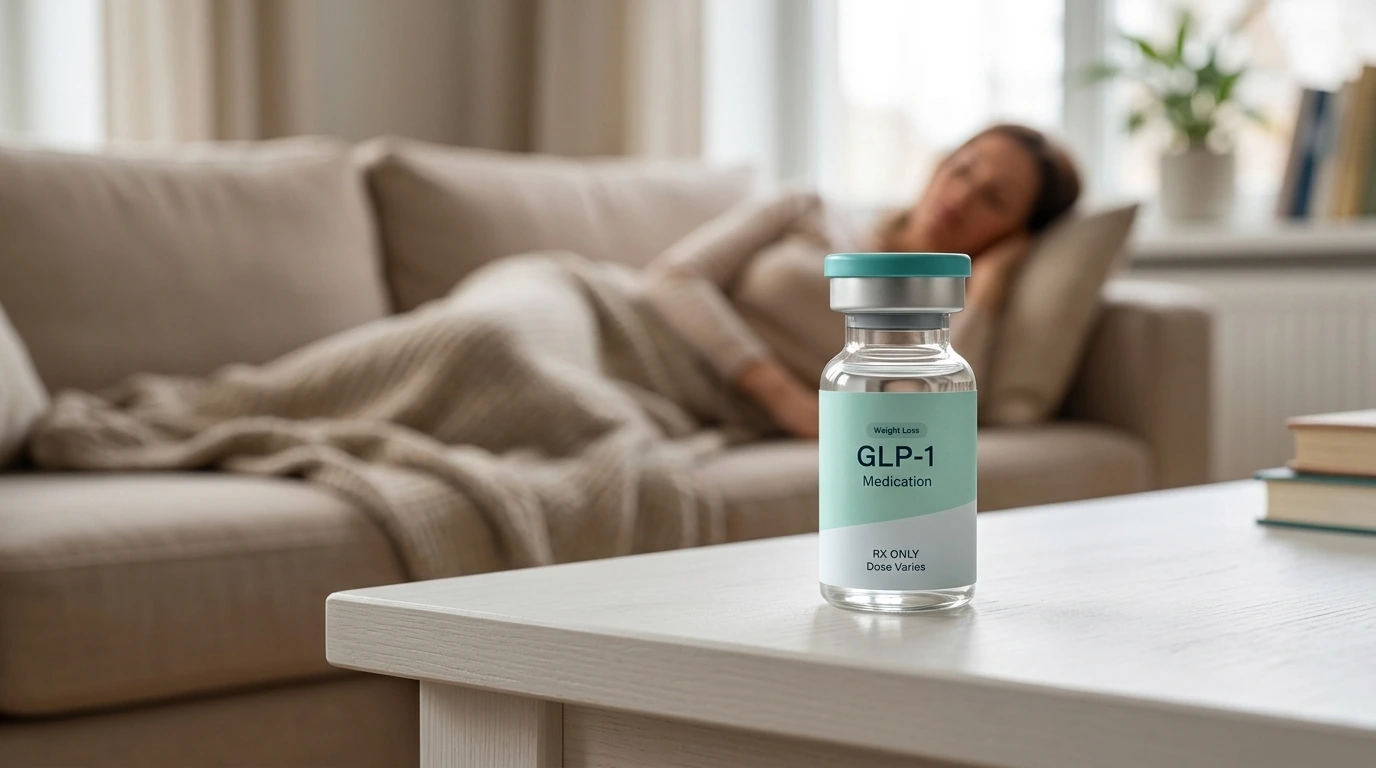
Table of Contents
- Introduction
- The Dual Nature of Medication Safety: Potency vs. Sterility
- The Impact of the “First Puncture”
- Understanding Beyond-Use Dates (BUD)
- The Chemistry of Peptide Fragility
- Comparing Timelines: Branded vs. Compounded
- The Risks of Using Past the 28-Day Mark
- Visual Signs Your Medication Has Gone Bad
- Storage Best Practices to Protect Your Supply
- Handling Travel and Power Outages
- Disposal: Doing It the Right Way
- Maintaining Your Momentum
- The TrimRx Mission
- FAQ
Introduction
Standing in front of the refrigerator, holding a half-full vial of medication, it is natural to feel a sense of hesitation. You might see that you have several doses of compounded semaglutide left, yet the label clearly states to discard the vial 28 days after your first use. It feels wasteful, and you may wonder if the medication suddenly expires at midnight on the twenty-ninth day. At TrimRx, we understand that navigating the logistics of a weight loss journey is just as important as the clinical treatment itself. We prioritize your safety and the effectiveness of your program by adhering to strict pharmacy standards. This article will explain why the 28-day window exists, focusing on the critical balance between peptide stability and microbiological sterility. Understanding these timelines ensures that every dose you take is both safe and effective in helping you reach your metabolic health goals.
If you are considering whether a medically supervised prescription program may be appropriate for you, you can complete a free eligibility assessment.
Quick Answer: Compounded semaglutide is generally limited to 28 days after the first puncture because of sterility concerns and the breakdown of preservatives. Once the vial’s rubber stopper is pierced, the risk of bacterial contamination increases, and the preservatives meant to keep the liquid safe begin to lose their effectiveness.
The Dual Nature of Medication Safety: Potency vs. Sterility
When people ask why their medication is only “good” for a month, they are often thinking about potency—whether the drug still works. While potency is a major factor, the 28-day rule is primarily driven by sterility. There is a significant difference between a medication that has lost a bit of strength and a medication that has become a breeding ground for microscopic bacteria.
For additional context, review this guide to what compounded semaglutide medicines are.
What is Potency?
Potency refers to the chemical strength of the active ingredient. In this case, semaglutide is a GLP-1 (glucagon-like peptide-1) receptor agonist, which is a synthetic version of a hormone your body produces naturally. For this hormone to signal your brain that you are full, the molecule must remain in its perfect, original shape. Over time, heat, light, and age cause these molecules to break down, or “denature.”
What is Sterility?
Sterility refers to the absence of living organisms, such as bacteria, fungi, or mold, within the medication. Compounded semaglutide is a sterile injectable. This means it is prepared in a highly controlled environment to ensure no contaminants are present. However, as soon as you take that vial home and begin using it, maintaining that sterility becomes a race against time.
The Impact of the “First Puncture”
The clock for the 28-day rule does not necessarily start when the pharmacy mixes the medication; it starts the moment you insert a needle into the rubber stopper for your first dose. This is known as the “first puncture.”
For a closer look at how first use affects dating, read about compounded semaglutide storage and shelf life.
Microscopic Breaches
The rubber stopper on a multi-dose vial is designed to be self-sealing. However, every time a needle passes through that rubber, it creates a microscopic entry point. While the rubber closes back up, it is never quite as perfect as the original, factory-sealed state.
Air Displacement
When you draw a dose into a syringe, you often inject a small amount of air into the vial to equalize the pressure. This air comes from your environment. Even in a clean home, air contains microscopic particles and spores. Once these are introduced into the liquid solution, the environment inside the vial changes.
Bacterial Introduction
Even with the most diligent use of alcohol swabs, it is impossible to achieve 100% sterilization of the vial top or the needle at home. Each subsequent puncture provides an opportunity for a stray bacterium to find its way into the medication. Because semaglutide is a protein-based solution, it provides a “food source” that can support the growth of certain microbes if the environment is not kept strictly stable.
Understanding Beyond-Use Dates (BUD)
In the world of pharmacy, there is a technical difference between an expiration date and a Beyond-Use Date (BUD). If you have used branded medications like Ozempic® or Wegovy®, you may have seen expiration dates that were a year or more away. Compounded medications work differently.
Manufacturer Expiration Dates
Branded drugs are mass-produced and undergo multi-year stability testing by large pharmaceutical companies. They are often packaged in specialized delivery pens that have unique stabilizing agents and mechanical seals. These manufacturers can guarantee a long shelf life because of the massive amount of data they have collected on that specific, unchanging formula.
Pharmacy-Assigned BUDs
Compounded medications are customized preparations. Because they are mixed in smaller batches and may include different concentrations or added ingredients like Vitamin B12, they do not have a standardized, multi-year expiration date. Instead, the pharmacist assigns a BUD based on the standards set by the United States Pharmacopeia (USP), specifically USP 797, which governs sterile compounding.
Key Takeaway: A BUD is a conservative, science-backed limit. It represents the last date the pharmacy can guarantee that the medication is both chemically potent and microbiologically sterile.
If you are ready to discuss whether prescription treatment may be appropriate for you, take the free assessment quiz.
The Chemistry of Peptide Fragility
To truly understand the 28-day limit, it helps to look at the chemistry of semaglutide. Semaglutide is a peptide, which is essentially a short chain of amino acids—the building blocks of proteins. Peptides are notoriously fragile compared to “small molecule” drugs like aspirin or cholesterol medication.
Molecular Denaturation
Imagine a peptide as a carefully folded piece of origami. For the “origami” to do its job, it must stay in that specific shape. When exposed to room temperature, light, or simply the passage of time, the folds begin to come undone. This is called denaturation. Once a semaglutide molecule denatures, it can no longer bind to the GLP-1 receptors in your body. It becomes “biological junk” that your body simply filters out without receiving any weight loss benefits.
Aggregation and Clumping
In some cases, instead of just unfolding, the damaged peptides can begin to stick together. This is called aggregation. These clumps can make the solution look cloudy or hazy. More importantly, injecting “clumped” proteins can sometimes trigger an immune response at the injection site, leading to redness, itching, or swelling that you might not have experienced with a fresh vial.
For more information about freezing and peptide damage, see how long compounded semaglutide lasts in the freezer.
The Role of Preservatives
Compounded semaglutide typically contains a preservative, such as benzyl alcohol or phenol. These ingredients are included specifically to kill any bacteria that might enter the vial during a puncture. However, these preservatives have a limited lifespan. They are designed to work for a specific number of “challenges” (punctures) and a specific amount of time. After 28 days, the concentration of active preservative can drop below the level required to keep the solution safe.
Comparing Timelines: Branded vs. Compounded
It can be confusing to see different “rules” for different GLP-1 medications. The variation usually comes down to the delivery system and the specific preservatives used in the formulation.
| Medication Type | Typical In-Use Limit | Storage Condition |
|---|---|---|
| Compounded Semaglutide | 28 Days | Must be refrigerated |
| Ozempic® (Branded) | 56 Days | Fridge or Room Temp |
| Wegovy® (Branded) | Single Use / 28 Days | Single-dose pens; 28 days if out of fridge |
| Mounjaro® / Zepbound® | Single Use / 21 Days | Single-dose pens; 21 days if out of fridge |
Note: TrimRx provides access to compounded medications from FDA-registered compounding pharmacies. We do not provide or ship branded products like Ozempic® or Wegovy®; these are mentioned for educational comparison only.
The longer “in-use” window for some branded products is due to the mechanical design of their pens, which are engineered to minimize air exposure and include different proprietary stabilizers. Compounded medications, which are usually dispensed in glass vials, follow the standard 28-day rule for multi-dose sterile containers to maximize patient safety.
The Risks of Using Past the 28-Day Mark
It is tempting to try and “stretch” your medication to save money or avoid a refill. However, the clinical risks of using a vial past the 28-day mark are real and can significantly set back your health journey.
If you are unsure whether prescription treatment is appropriate for your health profile, see if you qualify for a personalized program.
1. Reduced Efficacy and “Food Noise”
The most common consequence is that the medication simply stops working. You might find that your appetite returns, your cravings increase, and your weight loss stalls. This can be incredibly frustrating and may lead you to believe the program isn’t working for you, when in reality, the medication has simply lost its potency.
2. Injection Site Infections
As preservatives fail, the risk of injecting contaminated liquid increases. Because you are injecting the medication into the subcutaneous tissue (the fat layer under the skin), any bacteria in the vial can cause:
- Cellulitis: A painful, spreading skin infection.
- Abscesses: Pockets of infection that may require medical drainage.
- Localized Inflammation: Heat, redness, and swelling that lasts for days.
3. Unpredictable Immune Responses
As proteins degrade and form “degradants,” your body’s immune system may react to these new, unrecognized molecules. This can cause unexpected side effects that weren’t present when the medication was fresh, ranging from skin rashes to increased nausea.
Visual Signs Your Medication Has Gone Bad
While you should always follow the date on your label, you should also perform a “visual audit” of your vial before every single injection. Even if it is only day 14, improper storage could cause the medication to spoil early.
For additional visual guidance, review how to identify degraded compounded semaglutide.
- Cloudiness or Milkiness: Semaglutide should be crystal clear, like water. If it looks “foggy” or milky, the proteins have likely denatured or bacteria are growing.
- Visible Particles: If you see tiny flakes, “floaties,” or crystals in the liquid, do not use it. These are aggregates of degraded protein.
- Color Changes: Most compounded semaglutide is colorless. If your formulation includes Vitamin B12, it may have a pinkish hue. However, if the color changes from its original state—such as turning yellow or brownish—it is a sign of oxidation.
- A “Stringy” Appearance: If the liquid seems thicker or has a different consistency when you draw it into the syringe, the chemical bonds have been compromised.
Note: If you notice any of these signs, discard the vial immediately. Do not risk an injection. Consult a healthcare provider if you are unsure about the appearance of your medication.
Storage Best Practices to Protect Your Supply
How you handle your medication at home can determine whether it stays effective for the full 28 days or degrades within the first week.
For a step-by-step guide, read how to store compounded semaglutide or tirzepatide at home.
The “Center Fridge” Rule
Always store your compounded semaglutide in the refrigerator between 36°F and 46°F. Avoid storing it in the refrigerator door. The temperature in the door fluctuates every time you open the fridge, which can stress the delicate peptides. Place the vial on a middle shelf toward the back, but not so far back that it touches the cooling element and freezes.
Light Protection
Semaglutide is photosensitive. Exposure to direct sunlight or even strong indoor lighting can break the chemical bonds in the peptide chain. Keep your vial in its original box or a dark container within the refrigerator to provide an extra layer of protection.
The No-Freeze Policy
Freezing is catastrophic for semaglutide. When the liquid freezes, it forms ice crystals that physically shred the protein molecules. Once a vial has been frozen, it is completely useless, even after it thaws. If your refrigerator accidentally freezes your medication, it must be discarded.
Cleanliness and Technique
- Wash Your Hands: Always wash your hands thoroughly before handling the vial.
- The Alcohol Swab: Scrub the rubber stopper with a fresh alcohol swab for at least 15 seconds and let it air dry before inserting the needle.
- One Needle, One Use: Never reuse a syringe or needle. Reusing needles is the fastest way to introduce bacteria into your medication.
Handling Travel and Power Outages
Life happens, and sometimes you need to take your medication on the road or deal with a home maintenance issue.
Travel Tips
If you are traveling, use a dedicated insulated medical cooler bag with a small gel ice pack. Ensure the ice pack does not directly touch the vial; wrap the vial in a small cloth or keep it in its box to prevent accidental freezing. If you are flying, keep your medication in your carry-on luggage. The cargo hold of an airplane can experience extreme temperature fluctuations that could ruin the medication.
For more guidance, review this semaglutide storage, travel, and handling guide.
What to do in a Power Outage
If the power goes out, keep the refrigerator door closed to maintain the cold temperature for as long as possible. If the power is out for more than 4 hours, or if the internal temperature of the fridge rises above 59°F for an extended period, the medication’s stability may be compromised. In these cases, it is best to contact your specialist through the TrimRx platform for guidance on whether the vial is still safe to use.
Disposal: Doing It the Right Way
Once you reach the 28-day mark, or if your medication has expired or spoiled, you must dispose of it safely.
- Do Not Flush: Never pour medication down the sink or flush it down the toilet. This can contaminate local water systems.
- Sharps Containers: Any used needles must go into an FDA-cleared sharps container. If you do not have one, you can use a heavy-duty plastic container (like an empty laundry detergent bottle) with a tight-fitting, puncture-resistant lid.
- Vial Disposal: The vial itself can usually be placed in the sharps container or disposed of according to your local household hazardous waste guidelines.
- Protect Your Privacy: Remove or black out any personal information on the pharmacy label before discarding the outer packaging or box.
Maintaining Your Momentum
The 28-day rule can feel like a hurdle, but it is actually a safeguard for your success. By using fresh, potent medication, you ensure that your body is receiving the precise hormonal signal it needs to manage hunger and support metabolic change.
Using degraded medication often leads to a “yo-yo” effect where you feel the results one week and feel nothing the next. This inconsistency can be emotionally draining and may lead to a loss of motivation. At TrimRx, we believe that the journey to a healthier you should be built on a foundation of clinical excellence and transparent education. Our personalized programs are designed to provide you with the right amount of medication at the right time, minimizing waste while maximizing your results.
Bottom line: The 28-day rule for compounded semaglutide is a critical safety standard based on USP 797 guidelines. It protects you from the risks of bacterial contamination and ensures you are using a potent medication that effectively supports your weight loss goals.
If you are ready to explore a supervised prescription program, take the free assessment quiz.
The TrimRx Mission
Our mission is to help individuals embrace healthier lifestyles through science, empathy, and a transparent, personalized approach to sustainable weight loss. We believe that everyone deserves access to high-quality care without the confusion of hidden fees or the inconvenience of in-person waiting rooms. By merging clinical expertise with modern technology, we provide a telehealth-first experience that supports you at every step—including helping you manage the technical details of your medication safety.
FAQ
Is it safe to use my compounded semaglutide on day 30 if it looks clear?
No, it is not recommended. Even if the liquid appears clear, the antimicrobial preservatives may have dropped below effective levels, increasing the risk of infection. Additionally, the peptide may have lost enough potency that the dose will be less effective, potentially stalling your weight loss progress.
Why does my vial say 28 days when my friend’s Ozempic® lasts 56 days?
Branded products like Ozempic® are packaged in specialized mechanical pens and use different proprietary stabilizing agents that allow for a longer in-use window. Compounded medications follow the standardized 28-day safety limit for multi-dose vials set by USP 797 to ensure the highest level of patient safety in a home setting.
Can I still use the medication if it was left out of the fridge for 4 hours?
Most formulations can handle being at room temperature (below 86°F) for a short period, but you should return it to the refrigerator immediately. If the environment was very warm or the vial was in direct sunlight, the peptide may have degraded. If you are a TrimRx member, contact your specialist through our platform to verify if that specific batch is still safe to use.
For more detailed guidance, read how long compounded semaglutide can stay out of the fridge.
What happens if I accidentally inject semaglutide that has been frozen?
You should not inject medication that has been frozen. Freezing destroys the delicate protein structure of the semaglutide peptide, rendering it biologically inactive. Even if it looks normal after thawing, it will not provide the appetite suppression or metabolic benefits you need, and the “clumped” proteins could cause an injection site reaction.
If you are considering treatment and want to discuss your eligibility with a qualified provider, complete the free assessment quiz.
Disclaimer: This content is for informational purposes only and does not constitute medical advice. It is not intended to diagnose, treat, cure, or prevent any disease or condition. Individual results may vary. Always consult a qualified healthcare professional before starting any weight loss program or medication.

Transforming Lives, One Step at a Time
Keep reading
Semaglutide vs Tirzepatide: Comparing Weight Loss, Blood Sugar, and Side Effects
Semaglutide and Tirzepatide are one of the most common comparisons in medical weight loss. The two medications share a clear family resemblance. Both are…

How Much Weight Can You Lose on Semaglutide?
How much weight can you lose on semaglutide? The answer varies depending on your starting weight, dosage, treatment duration, and individual response to the…

Hair Shedding Months Into Semaglutide
It shows up in the shower drain first, then on the pillow, then in the brush. By the time most people search this, they…


