Is Compound Semaglutide Safe? What You Need to Know
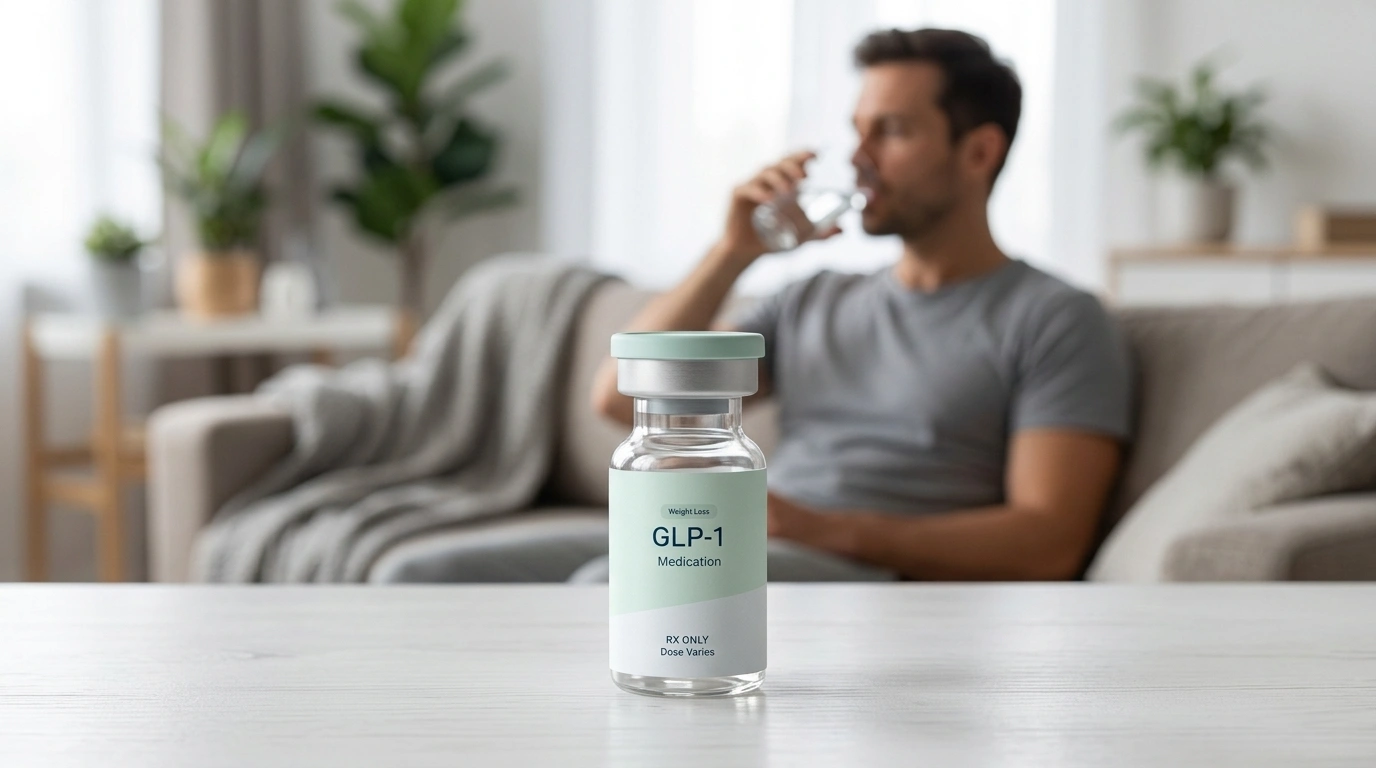
Table of Contents
- Introduction
- What is Compounded Semaglutide?
- Is Compound Semaglutide FDA-Approved?
- Key Safety Considerations and Risks
- Common Side Effects and How to Manage Them
- How to Choose a Safe Program
- Who is a Candidate for This Medication?
- The Role of Personalized Care
- Managing the Emotional Side of the Journey
- Conclusion
- FAQ
Introduction
The frustration of a weight loss plateau can be overwhelming, especially when you feel like you have tried every diet and exercise plan available. Many individuals have turned to GLP-1 medications for help, only to face high costs or insurance denials for branded options like Wegovy® or Ozempic®. This has led to a surge in interest regarding compounded semaglutide. At TrimRx, we believe that everyone deserves access to safe, effective weight management tools, but it is natural to ask: is compound semaglutide safe? This post will examine the clinical background of compounded medications, the safety standards required for high-quality production, and how a medically supervised program can help minimize risks while maximizing results. While compounded medications are not FDA-approved, their safety and efficacy depend heavily on the standards of the pharmacy and the level of professional supervision involved.
Quick Answer: Compounded semaglutide can be a safe option when it is prescribed by a licensed healthcare provider and prepared by an FDA-registered, inspected compounding pharmacy. Safety primarily depends on using the correct “base” form of the medication rather than salt versions and ensuring precise dosing under medical supervision.
What is Compounded Semaglutide?
To determine if these medications are safe, it is important to first understand what they are. Compounding is the process where a licensed pharmacist combines, mixes, or alters ingredients to create a medication tailored to the needs of an individual patient. This is a long-standing practice in the medical world, often used when a patient has an allergy to a specific dye in a mass-produced drug or needs a liquid version of a pill.
In the context of weight loss, compounded semaglutide is a customized version of the active ingredient found in certain GLP-1 (glucagon-like peptide-1) receptor agonists. These medications work by mimicking a hormone naturally produced in the gut that signals the brain to feel full and helps regulate blood sugar. During times of drug shortages, the FDA allows these pharmacies to produce versions of medications that are otherwise unavailable to ensure patients do not lose access to essential care. For additional background, read this guide to compounding pharmacy semaglutide.
The Role of FDA-Registered Pharmacies
There is a critical distinction between different types of compounding facilities. 503A compounding pharmacies are state-licensed facilities that prepare medications for specific, individual patients based on a prescription. 503B outsourcing facilities are larger operations that can produce batches of medications and are subject to more rigorous FDA inspections and Good Manufacturing Practices (CGMP).
When we discuss safety, the source is the most important factor. Medications should only be sourced from pharmacies that are FDA-registered and regularly inspected to ensure they meet strict sterility and quality standards. Oversight helps prevent contamination and ensures the medication remains stable during shipping and storage. You can also review this trusted safety guide for compounded semaglutide for additional considerations.
Is Compound Semaglutide FDA-Approved?
One of the most common points of confusion is whether compounded semaglutide has the same federal approval as branded medications. It is important to understand that compounded medications are not FDA-approved.
The FDA approves specific branded drugs, such as Ozempic® and Wegovy®, after extensive clinical trials that test a fixed formulation for safety and efficacy. Because compounded drugs are made-to-order and can vary in their exact mixture—such as adding Vitamin B12 or other nutrients—they do not go through the same individual drug approval process.
However, being “unapproved” is not the same as being “illegal” or “unregulated.” The pharmacies themselves are regulated, and the active pharmaceutical ingredients (APIs) they use should come from FDA-registered manufacturers. If you want to discuss whether a medically supervised prescription program may be appropriate, complete the free eligibility assessment.
| Feature | Branded Semaglutide (e.g., Wegovy®) | Compounded Semaglutide |
|---|---|---|
| FDA Approval | Yes, the specific drug is approved | No, but the pharmacy is regulated |
| Formulation | Standardized, fixed dose | Customized for the patient |
| Delivery | Pre-filled single-use pens | Vials and syringes |
| Availability | May be subject to shortages | Often available during shortages |
| Additives | None | May include B12 or other boosters |
Key Safety Considerations and Risks
While many people have successfully used compounded semaglutide to reach their health goals, there are specific risks that you should be aware of. Understanding these risks is the first step in avoiding them.
The Problem with Salt Forms
The FDA has issued warnings regarding “semaglutide salts,” such as semaglutide sodium or semaglutide acetate. These are chemical variations of the active ingredient that have not been tested for safety or effectiveness in humans. High-quality compounding pharmacies use the “base” form of semaglutide, which is the same chemical structure used in clinical trials. This guide to compounded semaglutide safety provides more information about pharmacy quality and ingredient sourcing.
Key Takeaway: Always verify that your medication is made from semaglutide base rather than salt forms. Salt forms have not been proven safe for human use and may not work the same way in the body.
Dosing Precision
Branded medications often come in pre-filled pens that automatically deliver a set dose. Compounded semaglutide usually arrives in a multi-dose vial. This means the patient must manually draw the medication into a syringe. For more guidance, review this overview of your first semaglutide dose.
Errors in measurement are one of the leading causes of adverse effects. If a patient misreads the markings on a syringe or confuses “units” with “milligrams,” they may accidentally take too much medication. This can lead to severe nausea, vomiting, or even hospitalization. A safe program will provide clear, written instructions and access to medical professionals who can walk you through the injection process.
Medication Stability and Purity
Semaglutide is a peptide, which is a fragile chain of amino acids. Peptides are sensitive to heat and light. If a medication is not prepared in a sterile environment or is shipped without proper refrigeration, it can lose its potency or become contaminated. This is why it is vital to avoid “research chemicals” sold online or medications from unlicensed “med spas” that do not provide documentation of their pharmacy’s credentials.
Common Side Effects and How to Manage Them
The side effects of compounded semaglutide are generally the same as those associated with the branded versions. Because the medication slows down the rate at which your stomach empties, most side effects are related to the digestive system. For practical food strategies, see these GLP-1 nausea management tips.
Common side effects include:
- Nausea
- Vomiting
- Diarrhea
- Constipation
- Stomach pain or bloating
How to manage these effects:
- Start low and go slow: A responsible program uses a “titration” schedule, starting with a very small dose and slowly increasing it over several months to let your body adjust.
- Hydration: Drinking plenty of water is essential, especially if you experience nausea.
- Small meals: Eating smaller portions more frequently can help prevent the feeling of being overly full.
- Nutrient support: Many patients find that adding B-vitamins helps with energy levels and stomach comfort.
When to Contact a Healthcare Provider
While mild digestive upset is common, there are “red flag” symptoms that require immediate medical attention. These include severe, persistent abdominal pain that radiates to your back (which could indicate pancreatitis), persistent vomiting that leads to dehydration, or signs of an allergic reaction like hives or difficulty breathing. Always consult a licensed healthcare provider if you experience symptoms that feel outside the norm.
How to Choose a Safe Program
Navigating the world of telehealth and compounding can feel like a maze. To ensure your safety, you should look for a platform that prioritizes clinical oversight over quick sales. Our approach at TrimRx is built on transparency and medical rigor to ensure every patient feels supported. This online semaglutide prescription guide explains what a legitimate assessment and prescribing process can involve.
Steps to ensure your program is safe:
- Step 1: Required Medical Assessment. Never trust a website that offers these medications without a thorough health history review or a consultation with a licensed provider.
- Step 2: Pharmacy Transparency. Ask where the medication is being made. It should come from a US-based, state-licensed pharmacy that is FDA-registered.
- Step 3: Ongoing Support. Weight loss is a journey, not a one-time transaction. You should have 24/7 access to a team that can answer questions about dosing or side effects.
- Step 4: No “Research Grade” Labels. If a product says “not for human consumption” or “for research purposes,” it is not a regulated medication and is not safe to use.
Bottom line: Safety is found in the combination of high-quality pharmacy standards and continuous medical supervision. When these two factors are present, compounded semaglutide can be a reliable tool for weight management.
Who is a Candidate for This Medication?
Compounded semaglutide is not for everyone. It is typically reserved for adults who have a body mass index (BMI) of 30 or greater, or a BMI of 27 or greater with at least one weight-related health condition, such as high blood pressure or high cholesterol. You can review the eligibility process before deciding whether to pursue an assessment.
Your healthcare provider will also check for contraindications. For example, individuals with a personal or family history of medullary thyroid carcinoma or Multiple Endocrine Neoplasia syndrome type 2 (MEN 2) should not use GLP-1 medications. It is also not recommended for those who are pregnant or breastfeeding.
The Role of Personalized Care
No two bodies are exactly alike, and weight loss should not be a one-size-fits-all solution. Personalized programs are designed to adapt to your specific health profile. This includes adjusting your dosage based on how well you tolerate the medication and how much weight you are losing.
At TrimRx, we connect you with licensed providers who evaluate your medical history to determine if semaglutide is the right fit for you. By using FDA-registered compounding pharmacies, we ensure that the medications meet high standards of quality. Our goal is to provide a path to sustainable health that removes the barriers of high costs and complex insurance requirements. If you are ready to begin, take the free assessment quiz.
Managing the Emotional Side of the Journey
Struggling with weight is not just a physical challenge; it is an emotional one. Many people feel a sense of failure when traditional methods do not work. It is important to remember that obesity is a complex biological condition, not a lack of willpower.
Modern medications like semaglutide address the biological signals that make weight loss difficult, such as “food noise”—the constant intrusive thoughts about eating. When this noise is silenced, it becomes much easier to stick to healthy habits. Using these tools under the guidance of a supportive team can help you reclaim your health and your confidence.
Conclusion
Safety should always be the primary concern when starting any new medication. While compounded semaglutide is not FDA-approved, it can be used safely when sourced from reputable, FDA-registered pharmacies and managed by experienced healthcare professionals. By avoiding unverified “salt” forms, ensuring precise dosing, and maintaining regular communication with your medical team, you can mitigate risks and focus on your progress.
Next Steps for Your Journey:
- Verify your source: Ensure any pharmacy used is state-licensed and FDA-registered.
- Review your history: Consult with a provider to ensure you have no contraindications.
- Focus on the long term: Combine medication with healthy lifestyle choices for sustainable results.
Our mission is to empower you with the tools, science, and empathy needed for lasting change. If you are ready to see if a personalized program is right for your health goals, we invite you to complete a free health assessment.
Take the First Step: Complete our free health assessment quiz to see if you are eligible for a personalized, medically supervised weight loss program.
FAQ
Is compounded semaglutide legal?
Yes, compounding is a legal practice in the United States under the Federal Food, Drug, and Cosmetic Act. During periods of drug shortages, pharmacies are permitted to compound versions of medications to ensure patient access, provided they follow strict state and federal regulations.
How do I know if a compounding pharmacy is safe?
A safe compounding pharmacy should be located in the U.S., be licensed by its state board of pharmacy, and ideally be an FDA-registered 503A or 503B facility. You should always ask your provider for the name of the pharmacy and confirm that they use “base” semaglutide rather than salt forms.
Are the side effects worse with compounded versions?
Side effects are generally the same as the branded versions, but the risk of severe side effects can increase if the dosage is calculated incorrectly. Using a program that provides clear dosing instructions and medical supervision is the best way to minimize this risk. If you are considering supervised care, you can begin with a free eligibility assessment.
Why do some people add Vitamin B12 to compounded semaglutide?
Many compounding pharmacies include Vitamin B12 to help manage potential side effects like fatigue and nausea. While this combination is customized for the patient, it is one of the reasons why the final mixture is considered a compounded drug rather than a direct copy of a branded medication.
Disclaimer: This content is for informational purposes only and does not constitute medical advice. It is not intended to diagnose, treat, cure, or prevent any disease or condition. Individual results may vary. Always consult a qualified healthcare professional before starting any weight loss program or medication.

Transforming Lives, One Step at a Time
Keep reading
Semaglutide vs Tirzepatide: Comparing Weight Loss, Blood Sugar, and Side Effects
Semaglutide and Tirzepatide are one of the most common comparisons in medical weight loss. The two medications share a clear family resemblance. Both are…

How Much Weight Can You Lose on Semaglutide?
How much weight can you lose on semaglutide? The answer varies depending on your starting weight, dosage, treatment duration, and individual response to the…

Hair Shedding Months Into Semaglutide
It shows up in the shower drain first, then on the pillow, then in the brush. By the time most people search this, they…


