Can You Stay on Zepbound 5 mg for Weight Loss?
Introduction
Finding the right rhythm with a new medication often involves a period of adjustment and observation. For many individuals starting their weight loss journey with Zepbound®, the transition from the initial starting dose to the 5 mg dose marks a significant milestone. It is often the point where the body begins to respond more noticeably to the medication, and the scales may finally start to move in a consistent direction. However, as the end of the first month on this dosage approaches, a common question arises: can you stay on Zepbound 5 mg, or is it mandatory to keep increasing the dose?
At TrimRx, we understand that every weight loss journey is deeply personal and that “one size fits all” rarely applies to metabolic health. Whether you are experiencing excellent results at this level or are concerned about potential side effects at higher doses, understanding the clinical logic behind dosing schedules is essential. This article explores the feasibility of staying at the 5 mg dose, how your body interacts with these medications, and how a personalized weight loss program can help you navigate these decisions. Our goal is to provide you with the clarity needed to discuss your progress confidently with a healthcare provider.
Understanding the Zepbound® Dosing Schedule
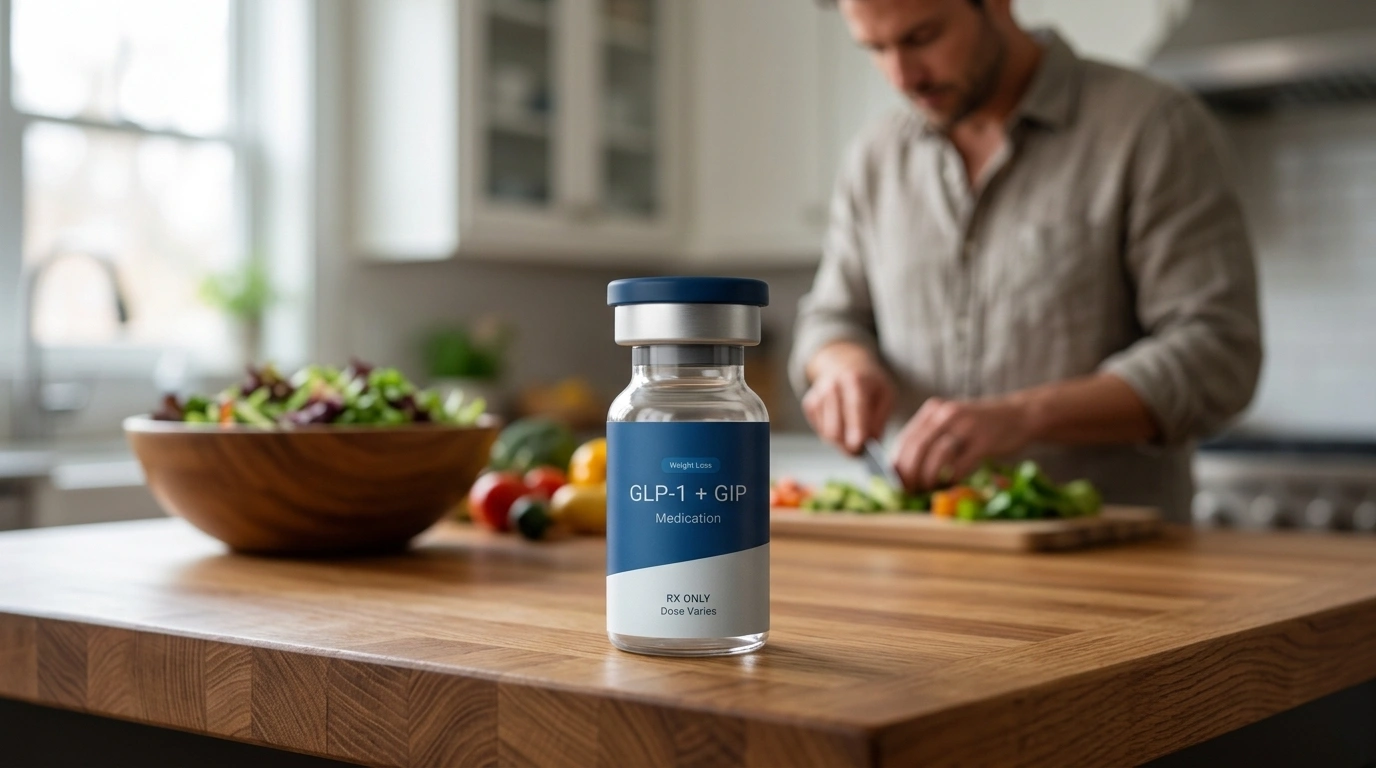
To understand if staying at 5 mg is an option, it helps to first look at how the medication is designed to work. Zepbound® contains the active ingredient tirzepatide. This is a dual-receptor agonist, meaning it mimics two different hormones in the body: glucagon-like peptide-1 (GLP-1) and glucose-dependent insulinotropic polypeptide (GIP). These hormones work together to regulate blood sugar, slow down how quickly your stomach empties, and signal to your brain that you are full.
The standard dosing schedule for this medication is built on a “titration” model. Titration is a medical term for slowly increasing the amount of a drug to find the most effective dose while minimizing side effects. Most people begin at a 2.5 mg dose for the first four weeks. This is primarily an initiation dose designed to introduce the medication to your system rather than to produce significant weight loss. After four weeks, the dose typically increases to 5 mg.
For a closer look at available strengths and gradual dose adjustments, review this step-by-step guide to tirzepatide dosing.
From a clinical standpoint, 5 mg is considered the first “maintenance” dose. In the prescribing guidelines provided by the manufacturer, doses are often categorized into two groups: transition doses and maintenance doses. While doses like 2.5 mg, 7.5 mg, and 12.5 mg are generally intended to be used for only four weeks as you move to a higher level, the 5 mg, 10 mg, and 15 mg doses are levels where a patient may stay for an extended period if their healthcare provider deems it appropriate.
The Science of the 5 mg “Sweet Spot”
For many individuals, 5 mg becomes a “sweet spot” in their treatment. At this level, the concentration of tirzepatide is often high enough to provide significant appetite suppression and improved metabolic function without overwhelming the digestive system. Because everyone’s metabolism and sensitivity to hormones differ, the 5 mg dose may be exactly what one person needs to reach their goals, while another may require a higher dose to see the same effect.
Key Takeaway: While the manufacturer suggests a path toward higher doses, the 5 mg dose is clinically recognized as a maintenance level where some individuals can remain if they are meeting their weight loss targets and tolerating the medication well.
Clinical studies involving tirzepatide have shown that weight loss is generally dose-dependent, meaning higher doses often lead to greater total weight loss. However, these studies also show that significant results occur at the 5 mg level. If an individual is losing 1% to 2% of their body weight per week on 5 mg, a healthcare provider may see no immediate clinical reason to increase the dosage. Rapid weight loss is not always superior to steady, sustainable progress, especially when considering the preservation of muscle mass and the management of side effects.
For additional context, explore this overview of Zepbound dosage and maintenance levels.
Factors Influencing the Decision to Stay at 5 mg
The decision to remain at a specific dosage is usually made during a consultation with a licensed healthcare provider. Several factors are typically evaluated to determine if staying at 5 mg is the right path for you.
Rate of Weight Loss
The primary indicator of whether a dose is working is your progress on the scale. Most clinical guidelines define successful weight loss as a steady decline. If you are consistently losing weight at the 5 mg dose, your provider might suggest staying there to see how much progress can be made before “using up” the higher dosage options. This approach allows for future dose increases to be held in reserve for when or if a plateau occurs.
Symptom Management and Tolerability
GLP-1 and GIP medications are known to cause gastrointestinal side effects, such as nausea, indigestion, or changes in bowel habits. These symptoms often occur or intensify shortly after a dose increase. If an individual finds that their side effects are manageable at 5 mg but were difficult to handle during the transition from 2.5 mg, staying at 5 mg may be a strategic choice to maintain a high quality of life while still working toward health goals.
Learn more about common tirzepatide side effects and supervised dose adjustments.
Appetite and Food Cravings
The medication works by reducing “food noise”—the intrusive, constant thoughts about eating. If the 5 mg dose effectively silences this noise and allows you to make healthy, conscious food choices without feeling deprived, it is performing its primary psychological function. If, however, hunger returns prematurely in the week or cravings become difficult to manage, it may be a signal that a higher dose is necessary.
Metabolic Health Markers
For those also managing conditions like insulin resistance or high blood pressure, a provider will look at more than just the scale. Improvements in blood sugar levels, waist circumference, and energy levels are all vital markers. If these metrics are improving significantly on 5 mg, the clinical argument for staying at that dose becomes stronger.
The Role of Personalised Programs in Dosing
One of the challenges of traditional weight loss approaches is the lack of frequent communication with a clinical team. This can lead to patients following a rigid titration schedule even if it doesn’t suit their body. At TrimRx, we believe in a more personalized approach. Our platform connects you with licensed providers who can evaluate your specific response to the medication and adjust your plan accordingly.
Through our telehealth-first model, you can report your progress and any side effects from the comfort of home. This level of access ensures that the decision to stay at 5 mg or move to 7.5 mg is based on real-time data and professional guidance rather than a pre-set calendar. We facilitate access to medications like compounded tirzepatide, which are prepared by FDA-registered, inspected compounding pharmacies. This can offer providers the flexibility to tailor your treatment program to your unique physiological needs.
Note: Compounded medications are not FDA-approved, though they are prepared by pharmacies that must adhere to strict federal and state regulations. Always consult with your provider about which medication format is best for your health profile.
When Should You Consider Moving to 7.5 mg?
While staying at 5 mg is possible, it is not always the best long-term strategy for everyone. There are clear indicators that a dose increase may be beneficial.
- Weight Loss Plateaus: If your weight remains unchanged for several weeks despite consistent nutrition and exercise, your body may have adapted to the 5 mg dose. This is often a sign that the metabolic “push” provided by a higher dose is needed to overcome a new set point.
- Return of Food Noise: If you find yourself thinking about food more frequently or struggling with portion control as the week progresses, the current dose may no longer be providing sufficient hormone receptor activation.
- Waning Satiety: If you no longer feel full after small or moderate meals, the slowing of gastric emptying (one of the medication’s key effects) may be diminishing at the current dosage.
It is important to remember that the goal of titration is not to reach the maximum dose as quickly as possible, but to reach the “minimum effective dose”—the lowest dose that provides the desired results with the fewest side effects.
Managing Your Experience on 5 mg
If you and your provider decide that you can stay on Zepbound 5 mg, there are several ways to optimize your results and manage your health at this level.
Focus on Protein Intake
Weight loss is most beneficial when you lose fat rather than muscle. Because medications like tirzepatide reduce overall appetite, it is crucial to prioritize high-quality protein at every meal. This supports metabolic rate and helps maintain physical strength as your body composition changes.
For more guidance, review these strategies for protecting muscle while losing weight on GLP-1 medications.
Hydration and Electrolytes
Changes in digestion can sometimes lead to dehydration or a loss of minerals. Staying consistently hydrated is one of the simplest ways to reduce common side effects like headaches or fatigue. Many people find that adding an electrolyte supplement to their daily routine makes a significant difference in how they feel.
Supportive Supplementation
To bridge any nutritional gaps that may occur due to a reduced appetite, targeted supplements can be helpful. We offer options like GLP-1 Daily Support, which is designed to complement your program by providing essential nutrients that support energy and digestive health. These quick-access supplements do not require a prescription and can be a valuable addition to your daily regimen.
The Importance of Professional Supervision
Navigating the nuances of GLP-1 and GIP medications should never be done alone. The complexities of hormone regulation mean that what works for one month might need adjustment the next. Telehealth platforms like ours provide a bridge between advanced science and your daily life.
By working with the specialists accessible through our platform, you receive a program that is medically supervised from start to finish. This includes the initial health assessment, lab work if necessary, and ongoing consultations to discuss your dosage. This level of care ensures that if you choose to stay at 5 mg, it is a clinical decision backed by data and professional insight.
If you are considering a medically supervised program, you can complete a free eligibility assessment.
Key Takeaway: The best dose is the one that allows you to live your life fully while making steady progress toward your health goals. Open communication with your clinical team is the most effective way to identify that dose.
Potential Challenges of Staying at a Lower Dose
While there are many benefits to staying at 5 mg, there are also potential drawbacks to consider. One of the primary risks is the “slow down.” If weight loss becomes too slow, it can lead to frustration and a loss of motivation. Furthermore, some research suggests that staying at a lower dose for too long might make the eventual transition to a higher dose slightly more noticeable in terms of side effects, as the body has become very accustomed to the lower concentration.
There is also the factor of insurance and coverage. Some insurance providers have strict “quantity limits” or specific rules about how long a patient can stay on certain doses. While 5 mg is generally considered a maintenance dose, it is always wise to verify how your specific plan views long-term use of this dosage level.
Why Personalization Matters
At the heart of the question “can you stay on Zepbound 5 mg” is the reality that biology is not linear. Your age, starting weight, activity level, and genetic makeup all play a role in how you process tirzepatide.
A personalized program doesn’t just look at the number on the scale; it looks at the whole person. It considers how you feel when you wake up, your energy levels during a workout, and your relationship with food. By focusing on these qualitative measures alongside the quantitative data of weight loss, we can help you build a lifestyle that is sustainable long after you reach your goal weight.
Maximizing 5 mg Through Lifestyle Choices
If you choose to remain at the 5 mg dose, your lifestyle choices become even more impactful. When the medication provides a moderate level of assistance, your daily habits can help “amplify” its effects.
- Strength Training: Focus on resistance exercises to protect your muscle mass. This keeps your metabolism high, even at a lower dosage.
- Fiber Intake: Ensure you are getting enough fiber from whole foods. This supports digestive health and works in tandem with the medication to promote a feeling of fullness.
- Mindful Eating: Use the reduced food noise at the 5 mg level to practice listening to your body’s natural hunger and fullness cues. This is a skill that will serve you for a lifetime.
- Consistency: The medication works best when blood levels remain stable. Taking your dose at the same time each week and maintaining consistent habits is key to long-term success.
For another perspective on weight management support, read about what to do when weight loss slows on a GLP-1.
Conclusion
The journey toward a healthier weight is not a race to the highest dose. For many, staying on the 5 mg dose of Zepbound® is a viable, effective, and clinically sound strategy that balances weight loss with comfort and sustainability. Whether this dose remains your long-term maintenance level or serves as a extended plateau before moving higher, the decision should always be rooted in how your body responds and the guidance of your healthcare provider.
At TrimRx, we are dedicated to helping you find that balance. Our mission is to provide a science-backed, empathetic environment where your weight loss program is as unique as you are. We merge clinical expertise with the convenience of modern technology, ensuring you have the support you need at every step of the titration process. By focusing on transparency and personalized care, we help you transform your health in a way that feels manageable and rewarding.
If you are ready to see if a personalized weight loss program is right for you, the best next step is to engage with our community and clinical resources.
- Take the free health assessment quiz to explore your eligibility for a personalized program.
- Discuss your current progress and dosing concerns with a licensed provider.
- Consider supportive products like our Weight Loss Boost supplement to enhance your daily routine.
Bottom line: Staying at 5 mg is a common and often successful path, provided it continues to meet your health goals and is supervised by a medical professional.
FAQ
Is 5 mg of Zepbound® considered a maintenance dose?
Yes, in clinical guidelines, 5 mg, 10 mg, and 15 mg are recognized as maintenance doses. Unlike the 2.5 mg starting dose or the 7.5 mg transition dose, patients can often remain on 5 mg for multiple months if they are achieving their desired weight loss results and tolerating the medication well.
For more detail, read this guide to finding the most effective Zepbound dose.
What should I do if my weight loss stalls on 5 mg?
If you experience a plateau where your weight does not change for four consecutive weeks, it may be time to consult your healthcare provider about a dose increase. They will evaluate your nutrition, activity levels, and current response to the medication to determine if moving to 7.5 mg is the appropriate next step for your program.
Can I stay on 5 mg to avoid side effects?
Many patients choose to remain at the 5 mg dose because it offers a balance of effective weight loss and minimal side effects. If higher doses cause significant gastrointestinal distress that impacts your quality of life, your provider may recommend staying at the 5 mg level as long as you are still seeing health improvements.
Will I lose less weight if I don’t increase my dose to 15 mg?
While clinical trials generally show that higher doses of tirzepatide result in more significant total weight loss across a large population, individual results vary. Some people reach their goal weight entirely on lower doses. The most important factor is consistent progress and your overall health, rather than reaching the maximum possible dose.
If you are unsure which treatment path may fit your needs, find out if GLP-1 medications may be appropriate for you.
Disclaimer: This content is for informational purposes only and does not constitute medical advice. It is not intended to diagnose, treat, cure, or prevent any disease or condition. Individual results may vary. Always consult a qualified healthcare professional before starting any weight loss program or medication.

Transforming Lives, One Step at a Time
Keep reading

Massage on Zepbound: What to Know Before Your Appointment
A massage or a spa day should be relaxing. If you take Zepbound or compounded tirzepatide, a few simple steps make sure it is:…

College Move-In Day on Zepbound
Moving a child into college is one of the bigger days in a parent’s life. It is also physically demanding: a long drive, waiting…

Dental Hygienists on Zepbound
Dental hygiene is close, physical work. You see a patient roughly every hour, spend most of the day leaning over the chair, wear a…


