Why Do Zepbound Doses Increase? Understanding Titration
Introduction
Starting a new medical weight loss journey often brings a mix of excitement and questions. If you have recently begun using Zepbound®, you may have noticed that your initial dose is relatively low and is scheduled to change over time. It is common to feel a sense of urgency when you are ready to see results, leading many to ask why they cannot simply start at the highest effective dose. At TrimRx, we believe that understanding the science behind your treatment is the first step toward long-term success. The process of gradually increasing a medication dose is known as titration. It is a strategic, evidence-based approach designed to help your body adapt to the medication while minimizing discomfort. This article explains the clinical reasons behind the Zepbound dose escalation schedule and what you can expect as you progress through your personalized program.
If you are exploring whether a medically supervised program may be appropriate for you, you can complete a free eligibility assessment.
The Science of Titration: Why “Low and Slow” Matters
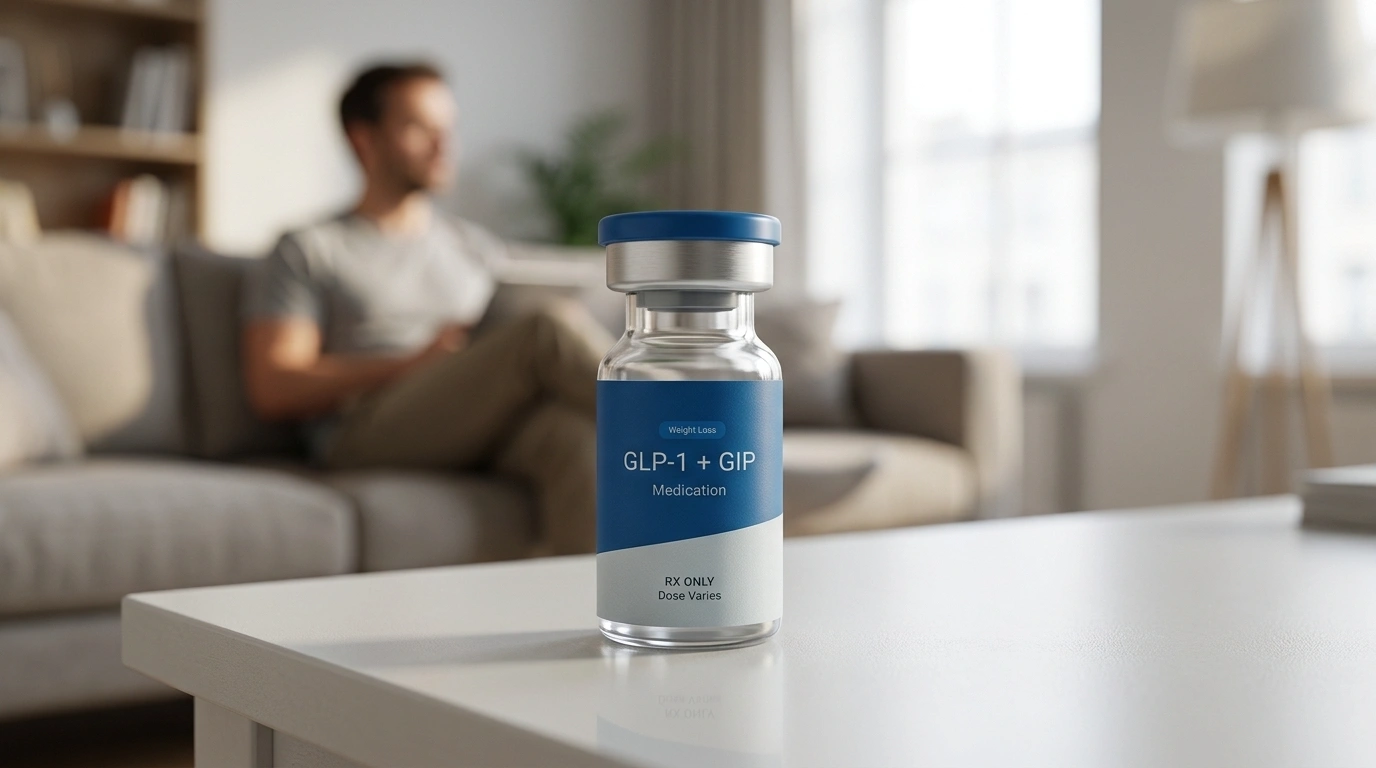
The term titration refers to the process of adjusting the dose of a medication to reach the maximum benefit with the fewest side effects. For medications like Zepbound (tirzepatide), this process is essential. Tirzepatide is a dual agonist, which means it mimics two different natural hormones in your body: glucagon-like peptide-1 (GLP-1) and glucose-dependent insulinotropic polypeptide (GIP). These hormones play a critical role in how your body processes sugar and signals feelings of fullness to your brain.
When you first introduce a medication that mimics these hormones, your digestive system and your brain need time to recalibrate. If you were to start at a high dose immediately, the sudden surge in hormone signaling could overwhelm your system. By starting with a low “initiation dose,” your healthcare provider allows your body to build a tolerance. This “low and slow” approach is the standard of care for GLP-1 and GIP receptor agonists because it prioritizes patient safety and comfort.
For a closer look at the step-by-step process, read this guide to Zepbound dose progression.
Quick Answer: Zepbound doses increase gradually to allow the body to adapt to the medication’s hormonal effects, which helps minimize gastrointestinal side effects like nausea while slowly reaching a dose that provides maximum weight loss benefits.
The Biological Role of GLP-1 and GIP
To understand why the dose must increase, it helps to understand what these hormones actually do. GLP-1 is a hormone produced in the gut that responds to food intake. It tells your pancreas to release insulin, slows down how quickly your stomach empties (gastric emptying), and signals the brain that you are full. GIP is a sister hormone that also supports insulin secretion and may help the body break down fats more efficiently while potentially reducing the nausea sometimes associated with GLP-1 alone.
Because Zepbound targets both receptors, it is highly effective. However, the receptors for these hormones are located throughout the body, including the stomach, intestines, and parts of the brain that control appetite. A gradual increase in the medication ensures that these receptors are not overstimulated too quickly. As the dose increases every four weeks, the “volume” of these signals is turned up, leading to a more significant reduction in appetite and a more profound impact on metabolic health.
Managing the Adaptation Phase
The most common reason for the specific titration schedule is the management of gastrointestinal side effects. Because these medications slow down gastric emptying—the rate at which food leaves your stomach—you may feel full much longer than usual. While this is the desired effect for weight loss, a sudden and dramatic slowing of digestion can lead to:
- Nausea and occasional vomiting
- Indigestion or acid reflux
- Bloating and stomach discomfort
- Changes in bowel habits, such as constipation or diarrhea
Clinical trials have shown that these side effects are most common during the first few days after a dose increase. By staying at a specific dose for at least four weeks, your body completes a cycle of adaptation. Most patients find that side effects are most noticeable in the first week of a new dose and then gradually fade as the body adjusts. If the dose were increased every week instead of every month, the body would never have the chance to reach a state of equilibrium, potentially making the medication difficult to tolerate.
For related guidance, explore this overview of what can happen when tirzepatide doses increase.
The Zepbound Dosing Schedule Explained
The typical dosing schedule for Zepbound follows a very specific path. It begins at 2.5 mg and can go as high as 15 mg. Each step is designed to serve a specific purpose in your weight loss journey.
The 2.5 mg Initiation Dose
The 2.5 mg dose is strictly for initiation. It is generally not considered a “therapeutic” dose for significant weight loss, though some individuals may notice a slight change in appetite. The primary goal of this first month is to introduce the molecule to your receptors. It sets the foundation for the higher doses to come.
The 5 mg Dose
After four weeks at 2.5 mg, most individuals move to 5 mg. This is often where the first noticeable trends in weight loss begin. For some, 5 mg may be a highly effective maintenance dose, while for others, it is simply the next step in the ladder.
For more detail about the difference between initiation and maintenance levels, review this explanation of therapeutic Zepbound doses.
Escalation to 7.5 mg, 10 mg, 12.5 mg, and 15 mg
If the 5 mg dose is well-tolerated but the individual has not yet reached their weight loss goals, the provider may recommend increasing the dose by 2.5 mg increments every four weeks. Each increase is an opportunity to overcome weight loss plateaus. The 10 mg and 15 mg doses are often referred to as high-strength doses and are typically reserved for those who need significant metabolic support and have shown they can handle the medication without severe side effects.
Key Takeaway: The 2.5 mg starting dose is meant to prepare your body for the medication, not to produce immediate, drastic weight loss. Patience during the first month is key to long-term success.
Why Some People Increase Faster or Slower
While there is a standard schedule, medical weight loss is not a one-size-fits-all experience. A licensed healthcare provider will monitor your progress and may adjust the timing of your dose increases based on two primary factors: efficacy and tolerability.
Efficacy: Is the dose working?
If an individual is losing weight steadily on a 5 mg dose and feels satisfied with their reduced appetite, there may be no immediate need to move to 7.5 mg. The goal is to find the lowest effective dose that helps you reach your health goals.
Tolerability: How do you feel?
If a patient experiences significant nausea or fatigue after moving to a higher dose, a provider might suggest staying at the current dose for an extra month or even moving back down temporarily. Forcing a dose increase when the body is struggling can lead to “treatment fatigue,” where the patient becomes so uncomfortable that they want to stop the medication entirely. Personalization through a platform like TrimRx allows for these nuances to be addressed by clinical professionals.
If you are considering prescription support, find out whether you may qualify for a personalized program.
Clinical Evidence for Higher Doses
Data from clinical studies, such as the SURMOUNT trials, have shown a clear correlation between dose strength and the percentage of body weight lost. In these studies, participants who reached the 10 mg and 15 mg doses generally saw more significant weight reduction than those who remained at lower doses.
However, these studies also highlighted that the most substantial weight loss occurs over several months, not several days. The gradual increase ensures that the weight loss is sustainable. Losing weight too rapidly can sometimes lead to a loss of muscle mass or nutritional deficiencies. By following the titration schedule, you are more likely to lose fat while giving your body time to preserve lean muscle and adjust its metabolic rate.
For a week-by-week look at the process, see this Zepbound weight loss timeline.
Overcoming Weight Loss Plateaus
It is normal for weight loss to fluctuate. You might lose several pounds in one week and nothing the next. Sometimes, the body reaches a “set point” where it tries to defend its current weight by slowing down your metabolism or increasing hunger signals. This is often when a dose increase is most beneficial.
Increasing the dose provides a fresh stimulus to the GLP-1 and GIP receptors. This can help “break” a plateau by further slowing gastric emptying and increasing the brain’s satiety signals. If you find that your progress has stalled for several weeks, it is a sign to discuss a dose adjustment with your healthcare provider.
You can also review this guide to recognizing when a Zepbound dose increase may be appropriate.
Support During Dose Increases
As you move up the dosing ladder, supporting your body with the right nutrients is essential. Because you are eating less, every bite of food needs to count. This is also the time when certain supplements may be helpful. For instance, our GLP-1 Daily Support supplement is designed to help bridge nutritional gaps and support digestive comfort during the titration process.
Additionally, maintaining high protein intake and staying hydrated can significantly reduce the “heavy” feeling or fatigue that sometimes accompanies a dose increase. Many people find that drinking electrolytes and eating small, frequent, protein-rich meals helps their body process the higher levels of the medication more smoothly.
Key Takeaway: Dose increases are a tool to overcome plateaus, but they work best when paired with high protein intake, proper hydration, and nutritional support.
The Role of Personalized Programs
At TrimRx, we recognize that navigating the world of GLP-1 medications can be confusing. Whether you are using a branded medication like Zepbound® or a compounded alternative, having professional oversight is vital. We connect you with licensed providers who specialize in these treatments and can help determine when a dose increase is appropriate for your specific health profile.
Compounded tirzepatide is an option many consider when looking for a personalized approach. While compounded tirzepatide is not FDA-approved, it is prepared and shipped by FDA-registered, inspected compounding pharmacies. This allows for a streamlined experience where your medication is delivered directly to your door, and your dosing schedule is managed through our telehealth platform without the need for in-person waiting rooms.
Common Myths About Dosing
There are several misconceptions about why doses increase, and clearing these up can help reduce anxiety about the process.
Myth: “A higher dose means I’m failing to lose weight on my own.” Fact: A higher dose is simply a higher level of metabolic support. Obesity is a complex biological condition, and needing a higher dose is no different than needing a higher dose of blood pressure or cholesterol medication to reach a healthy target.
Myth: “I should move to the highest dose as fast as possible to get it over with.” Fact: Moving too fast significantly increases the risk of severe side effects and may actually hinder your progress if you become too sick to eat or exercise.
Myth: “Once I reach the max dose, the medication will stop working.” Fact: Most people find a “maintenance dose” where their weight stabilizes. The medication continues to provide metabolic support and help with appetite regulation even after you have reached your goal weight.
Preparing for Your Next Dose Increase
If you are approaching the end of your first or second month, you might be preparing for a dose increase. Here are the steps you can take to make the transition as smooth as possible:
- Prioritize Hydration: Increase your water and electrolyte intake 24 hours before and after your first shot of a new dose.
- Eat Light: On the day of your injection, stick to bland, easy-to-digest foods like lean protein and steamed vegetables. Avoid heavy, fried, or high-sugar foods.
- Monitor Your Symptoms: Keep a simple log of how you feel. Note if your hunger levels change or if you experience any new side effects.
- Communicate with Your Provider: If you are nervous about moving up, or if your current side effects haven’t gone away, talk to your healthcare team before taking the next step.
Long-Term Sustainability and Maintenance
The journey doesn’t end once you reach the 15 mg dose. For many, the goal is to reach a target weight and then find a long-term maintenance strategy. Some individuals remain on a high dose, while others may eventually work with their provider to find a lower maintenance dose that keeps their weight stable.
The strategy of increasing doses is about more than just a number on a scale; it is about retraining your body’s metabolic signals. By following the clinical titration schedule, you are giving your body the best chance to adapt to a new, healthier “normal.” Our mission at TrimRx is to support this transition with empathy and clinical expertise, ensuring you never have to navigate these changes alone.
Summary of the Dosing Journey
The process of increasing Zepbound doses is a vital part of a successful weight loss strategy. It is designed to maximize the incredible potential of GLP-1 and GIP receptor agonists while protecting your well-being. By moving from 2.5 mg up through the therapeutic stages, you allow your body to become a partner in your weight loss rather than an obstacle.
- Adaptation: The first month at 2.5 mg is about safety and tolerance.
- Titration: Monthly increases of 2.5 mg help find the most effective level for your body.
- Personalization: Not everyone needs the maximum dose; your journey is unique.
- Support: Proper nutrition and clinical guidance make dose increases more manageable.
FAQ
Why can’t I start at 15 mg if I have a lot of weight to lose?
Starting at 15 mg would likely cause severe gastrointestinal distress because your body has had no time to build a tolerance to the high levels of GLP-1 and GIP hormones. The titration process is essential for safety and to ensure you can stay on the medication long enough to see results.
What should I do if a dose increase makes me feel sick?
If you experience significant side effects after a dose increase, contact your healthcare provider immediately. They may recommend staying at your current dose for another month or temporarily moving back down until your body is better adjusted.
How do I know if it is time to increase my dose?
Usually, doses are increased every four weeks according to the standard schedule. However, if you are still losing 1–2 pounds per week and feel satisfied on your current dose, your provider may decide to keep you at that level rather than increasing it.
For additional context, read this guide to finding the right therapeutic Zepbound dose.
Will I lose weight faster if I increase my dose every two weeks?
No, and it is not recommended. Increasing the dose too quickly does not allow for proper metabolic adaptation and significantly increases the risk of side effects that could force you to stop treatment. Stability and consistency are more important for long-term weight loss than speed.
If reduced appetite makes it harder to maintain consistent nutrition, GLP-1 Daily Support may be worth discussing with a qualified healthcare professional.
Disclaimer: This content is for informational purposes only and does not constitute medical advice. It is not intended to diagnose, treat, cure, or prevent any disease or condition. Individual results may vary. Always consult a qualified healthcare professional before starting any weight loss program or medication.

Transforming Lives, One Step at a Time
Keep reading

Surfing on Zepbound: Paddling Strength, Cold Water, and Dawn Patrol
Surfing asks a lot of your body. Paddling out through broken waves takes shoulder, back, and core strength. Cold water drains energy. Dawn sessions…

Skydiving on Zepbound: Planning a Tandem Jump
For many people who have lost weight, a skydive is a goal they set years ago and finally feel ready for. Some dropzones have…

A Day at the Renaissance Faire on Zepbound
A Renaissance faire is a full day out: jousts, stage shows, artisan stalls, dusty lanes, and food built for spectacle, from giant turkey legs…


