Can You Eat Cheese on Zepbound? Tips for Success
Introduction
Standing in front of the refrigerator, wondering if a simple slice of sharp cheddar will trigger hours of discomfort, is a common experience for those starting a new weight loss medication. When you begin a journey with Zepbound®, your relationship with food undergoes a significant shift. You might find that foods you once loved no longer appeal to you, or worse, they cause unexpected digestive issues. At TrimRx, we believe that understanding how your body interacts with specific foods is essential for a sustainable and comfortable transformation. This post covers the science behind how dairy affects your body while on tirzepatide, which cheeses are safest to enjoy, and how to manage potential side effects. While you can certainly eat cheese on this medication, doing so successfully requires a strategy focused on moderation, timing, and type.
Understanding Zepbound and Digestion
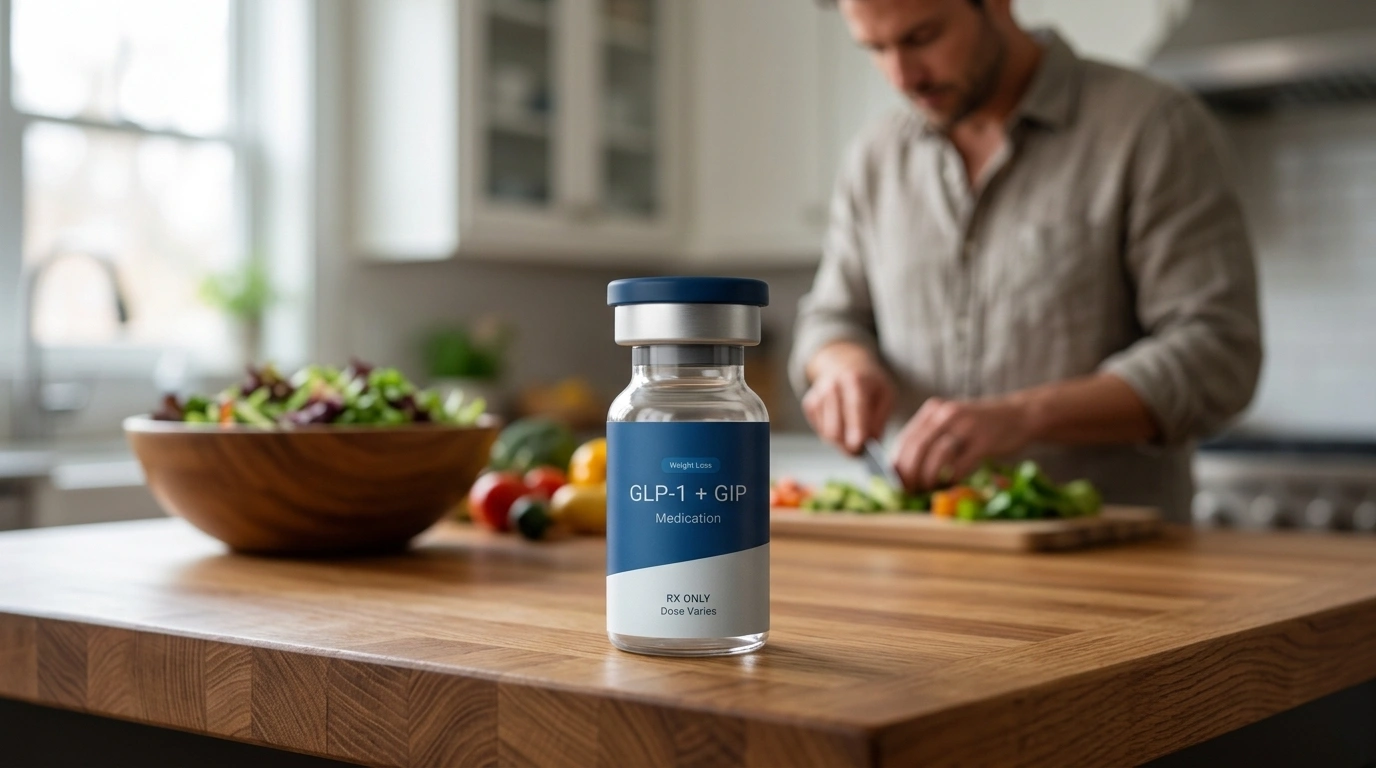
Zepbound® is a brand-name medication that contains the active ingredient tirzepatide. It belongs to a class of drugs known as dual GLP-1 (glucagon-like peptide-1) and GIP (glucose-dependent insulinotropic polypeptide) receptor agonists. These are substances that mimic natural hormones in your body to help regulate appetite and blood sugar. One of the primary ways these medications support weight loss is by slowing down gastric emptying. This is the plain-English term for how quickly food moves out of your stomach and into your small intestine.
When gastric emptying slows down, you feel full much longer after eating a small meal. However, this physiological change also means that whatever you eat sits in your stomach for an extended period. For foods that are difficult to digest—such as those high in fat or heavy dairy—this can lead to feelings of heaviness, bloating, or nausea. For a deeper explanation, read about why tirzepatide can cause nausea.
Quick Answer: Yes, you can eat cheese while taking Zepbound®, but it is best to choose low-fat or hard varieties in small portions. Because the medication slows digestion, high-fat cheeses may stay in the stomach longer, potentially increasing the risk of nausea or indigestion.
The Role of Cheese in a Weight Loss Diet
Cheese is often vilified in traditional dieting due to its calorie density and saturated fat content. However, when you are eating significantly fewer calories on a personalized program, the nutritional quality of every bite becomes more important.
Protein is the most critical nutrient when losing weight because it helps preserve lean muscle mass. When the body is in a calorie deficit, it may try to burn muscle for energy instead of just fat. Consuming adequate protein helps signal the body to prioritize fat loss. Cheese provides high-quality protein that can help you reach your daily targets even when your appetite is low. For more guidance, review these protein requirements on GLP-1 medications.
Additionally, cheese is an excellent source of calcium and Vitamin D. These nutrients are vital for bone health, especially as your body mechanics shift during weight loss. For many, a small amount of cheese makes healthy meals like salads or lean turkey wraps more satisfying, which can help with long-term adherence to a nutritious eating plan.
Why Some Cheeses Might Cause Issues
The reason you might feel hesitant about eating cheese on Zepbound® usually stems from its fat content. High-fat foods are notorious for causing side effects when taking medications that slow your digestion. Adding a high-fat “logjam” like a heavy triple-cream brie or a greasy fast-food cheese slice can cause the digestive system to feel overwhelmed.
When fat sits in the stomach for too long, it can begin to break down in ways that produce gas. This often leads to sulfur burps, a common side effect where burps have a distinct, unpleasant odor. Additionally, if the stomach remains too full for too long, it can trigger the brain’s nausea centers, making you feel ill hours after your meal has ended. You can also review this guide to tirzepatide side effects and what to expect.
Key Takeaway: The goal isn’t to eliminate cheese entirely but to choose versions that provide the protein and flavor you want without the excessive fat that triggers digestive slowing and discomfort.
Best Cheese Options While on Medication
If you want to include cheese in your routine, some varieties are much easier on the digestive system than others. Selecting cheeses that are higher in protein and lower in fat is a smart way to optimize your results.
Lower-Fat and Fresh Cheeses
Fresh cheeses are often higher in moisture and lower in fat, making them less “heavy” in the stomach. These are generally the best choices for those on a TrimRx program.
- Cottage Cheese: Often considered the gold standard for weight loss, cottage cheese is exceptionally high in protein. It is soft and easy to digest, making it less likely to cause a “heavy” feeling.
- Part-Skim Ricotta: This is a great way to add creaminess to a dish without the grease associated with melted hard cheeses.
- Low-Fat Mozzarella: Especially in the form of “string cheese,” this is a convenient, portion-controlled snack that provides protein with relatively low fat.
Hard, Aged Cheeses
While aged cheeses can be high in fat, they are also incredibly dense in flavor. This means you can use a very small amount to get a lot of taste.
- Parmesan or Pecorino: Grating a tablespoon of real Parmesan over vegetables adds a savory flavor for very few calories.
- Sharp Cheddar: A small, one-ounce cube of high-quality sharp cheddar can satisfy a craving more effectively than a larger amount of mild, processed cheese.
- Swiss Cheese: Swiss is naturally lower in sodium than many other cheeses and provides a good amount of protein per slice.
Cheeses to Approach with Caution
Not all cheese is created equal, especially when your digestion is modified by medication. Certain types are more likely to cause the “heavy” feeling that leads to nausea or acid reflux.
- Fried Cheese: Mozzarella sticks or any cheese that has been breaded and deep-fried should generally be avoided. The combination of refined carbohydrates and high-temperature oils is a recipe for gastrointestinal distress on this medication.
- Highly Processed “Cheese Foods”: Products like canned cheese, processed American singles, or jarred cheese dips often contain additives and oils that are not found in natural cheese. These can be much harder for a sensitive stomach to process.
- Heavy Cream-Based Sauces: Alfredo sauce or rich cheese fondues are extremely high in fat. Even a small portion can stay in the stomach for a long time, leading to significant bloating.
How to Test Your Tolerance
If you are new to Zepbound® or are increasing your dosage, it is wise to re-test your tolerance for dairy. Your body’s reaction at a 2.5 mg dose might be very different from its reaction at a 10 mg dose. If you are still deciding whether prescription support may be appropriate, you can complete a free eligibility assessment.
Step 1: Start with a small portion. Limit yourself to half an ounce or one tablespoon of cheese to see how your stomach handles it over the next four to six hours.
Step 2: Eat it early in the day. Avoid eating cheese right before bed. Since digestion is slow, lying down with fat in your stomach can cause acid reflux.
Step 3: Pair it with fiber. Eat your cheese alongside a piece of fruit or some raw vegetables. Fiber helps keep the digestive tract moving.
Step 4: Monitor your symptoms. Take note of any bloating, gas, or changes in bowel habits. If you feel fine, you can likely keep that specific cheese in your rotation.
Managing Digestive Side Effects
Even if you are careful, you might occasionally experience discomfort after eating dairy. Many individuals find that supporting their gut health is a full-time job while on weight loss medications.
If you find that cheese is causing mild indigestion, staying hydrated is your first line of defense. Water helps the digestive system process food more efficiently. Some individuals also find that ginger tea or peppermint can soothe a stomach that feels “stuck.” For additional guidance, explore these tirzepatide nausea-management strategies.
For those looking for targeted support, we offer the GLP-1 Daily Support supplement. This is designed to help bridge the nutritional gaps and support digestive comfort for those on a weight loss journey. Additionally, if you feel your energy levels dropping as you adjust your diet, our Weight Loss Boost supplement can provide the necessary nutrients to keep you feeling vibrant.
Note: If you experience severe abdominal pain, persistent vomiting, or a complete inability to have a bowel movement, stop eating solid foods and contact a healthcare provider immediately. While rare, these can be signs of more serious complications that require professional guidance.
The Importance of Personalized Guidance
The question of whether you can eat cheese isn’t just about the cheese itself; it is about your unique health profile. Factors like your starting weight, your metabolic health, and your history with food all play a role. This is why we emphasize a personalized approach.
Our platform connects you with licensed providers who help you navigate the complexities of medical weight loss. Instead of a one-size-fits-all solution, our programs are designed to adapt to your specific health profile and goals. Through our platform, individuals can access compounded tirzepatide or compounded semaglutide, which are prepared by FDA-registered, inspected compounding pharmacies. These options allow for a high degree of personalization in your treatment plan.
We emphasize a telehealth-first approach, meaning you can get the support and medical oversight you need without the hassle of a traditional clinic visit. This includes 24/7 access to specialists who can answer specific questions about your diet and side effects as they arise. If you want to explore whether a prescription program may fit your needs, take the free assessment quiz.
Comparing Popular Cheese Types
| Cheese Type | Primary Benefit | Potential Drawback |
|---|---|---|
| Cottage Cheese | Very high protein, low calorie | Texture may not appeal to everyone |
| Parmesan | Intense flavor, small portions | High in sodium |
| Mozzarella | Easy to digest, melts well | Can be high in fat if not part-skim |
| Feta | Tangy flavor for salads | High salt content |
| Goat Cheese | Often easier to digest | Distinct earthy flavor |
Common Myths About Dairy and Weight Loss Meds
Myth: You must go dairy-free to lose weight on Zepbound®. Fact: There is no clinical requirement to eliminate dairy. Many people successfully reach their goals while including moderate amounts of cheese, yogurt, and milk.
Myth: Cheese will automatically stall your weight loss. Fact: Weight loss is about a consistent calorie deficit and metabolic health. As long as cheese fits within your daily nutritional needs and doesn’t cause side effects that prevent you from eating other healthy foods, it can be part of a successful plan.
Practical Tips for Cheese Lovers
If you aren’t ready to give up your favorite snack, use these practical tips to keep it in your life safely:
- Use a Microplane: Use a fine grater to turn a small amount of hard cheese into a large, fluffy pile. It looks like more and covers more surface area on your food, giving you the flavor without the excess calories.
- Focus on the Intensity: Stronger-smelling cheeses like blue cheese or goat cheese have a more intense impact. You only need a tiny crumble to transform a salad.
- Watch for “Hidden” Cheese: Be mindful of cheese hidden in restaurant meals, such as in omelets, sandwiches, or salads. Always ask for it on the side so you can control the portion.
- Listen to Your “Full” Signal: These medications enhance your body’s satiety signals. If you are halfway through a cheesy snack and feel a “stop” sensation, listen to it immediately. Pushing through and finishing the portion is what usually leads to the worst side effects.
The Impact of High-Fat Foods on Long-Term Success
While the immediate concern with cheese is often nausea, there is also the long-term view of your health. Medication is a powerful tool for weight management, but it works best when paired with a shift toward heart-healthy eating habits.
Saturated fat, which is found in high concentrations in many cheeses, can impact cholesterol levels. For an individual with a BMI over 30 who may already be at risk for cardiovascular issues, choosing lower-fat dairy options isn’t just about avoiding a stomach ache—it’s about protecting your heart as you get healthier.
Bottom line: Cheese is a nutrient-dense food that provides valuable protein, but its high fat content requires a cautious approach while your digestion is slowed by medication.
Moving Forward with Your Program
Starting a journey toward better metabolic health is a major step. It is natural to have questions about every meal and snack. The beauty of a telehealth-first approach is that you don’t have to navigate these choices alone.
At TrimRx, our mission is to help individuals embrace healthier lifestyles through science, empathy, and a transparent, personalized approach to sustainable weight loss. We provide the clinical expertise and modern technology needed to deliver medically supervised programs without the need for in-person visits.
The most important thing to remember is that your diet should feel like a lifestyle, not a temporary restriction. If you love cheese, there is a way to keep it in your life while still reaching your goal weight. It simply requires a little more mindfulness and a focus on quality over quantity. To explore whether you may qualify for personalized prescription support, start with the free assessment.
FAQ
Will eating cheese make my nausea worse on Zepbound?
It can, especially if the cheese is very high in fat or if you eat a large portion. Because the medication slows your stomach from emptying, the fat in cheese stays in your system longer, which is a common trigger for nausea and indigestion. Stick to small portions of low-fat varieties like cottage cheese or part-skim mozzarella to minimize this risk.
Can I have pizza while taking tirzepatide?
Pizza is often difficult to tolerate because it combines high fat (cheese), refined carbohydrates (crust), and sometimes acidic ingredients (tomato sauce). While you can have a slice, many people find it causes significant bloating or heartburn. If you do eat pizza, try to limit yourself to one thin-crust slice and avoid heavy meat toppings.
Is cottage cheese a good snack for someone on a GLP-1?
Yes, cottage cheese is one of the best dairy options while on these medications. It is very high in protein, which helps maintain muscle mass, and is generally much lower in fat than hard cheeses. It is also soft and easy to digest, making it less likely to cause a heavy feeling in the stomach. You can review more guidance on protein needs during GLP-1 treatment.
What should I do if I feel sick after eating cheese?
If you feel nauseous or bloated, stop eating and focus on sipping clear liquids like water or ginger tea. Avoid lying down for at least two to three hours after eating to prevent acid reflux. If the feeling persists or becomes severe, you should discuss your symptoms with a licensed healthcare provider. If you are considering prescription support, you can check your eligibility with a free assessment.
Disclaimer: This content is for informational purposes only and does not constitute medical advice. It is not intended to diagnose, treat, cure, or prevent any disease or condition. Individual results may vary. Always consult a qualified healthcare professional before starting any weight loss program or medication.

Transforming Lives, One Step at a Time
Keep reading

Massage on Zepbound: What to Know Before Your Appointment
A massage or a spa day should be relaxing. If you take Zepbound or compounded tirzepatide, a few simple steps make sure it is:…

College Move-In Day on Zepbound
Moving a child into college is one of the bigger days in a parent’s life. It is also physically demanding: a long drive, waiting…

Dental Hygienists on Zepbound
Dental hygiene is close, physical work. You see a patient roughly every hour, spend most of the day leaning over the chair, wear a…


