Can You Eat Pasta on Zepbound? Tips for Success
Introduction
Sitting down to a warm bowl of pasta is a comfort many of us aren’t willing to give up, even when starting a new health journey. If you have recently begun treatment with Zepbound®, a common question likely crossed your mind as you looked at a menu: “Can I still eat this?” The fear that your favorite foods are now “off-limits” can be a significant source of stress during medical weight loss. At TrimRx, we believe that sustainable progress comes from balance and education rather than strict deprivation. In this article, we will explore how your body processes carbohydrates while on tirzepatide, how to choose the best types of pasta for your goals, and how to manage your portions to avoid discomfort. You can enjoy pasta while on Zepbound®, provided you understand how to adapt your eating habits to support your body’s new digestive pace.
If you’re still deciding whether a personalized GLP-1 program is right for you, you can take the free assessment quiz to see whether you may be a candidate.
Understanding Zepbound and Digestion
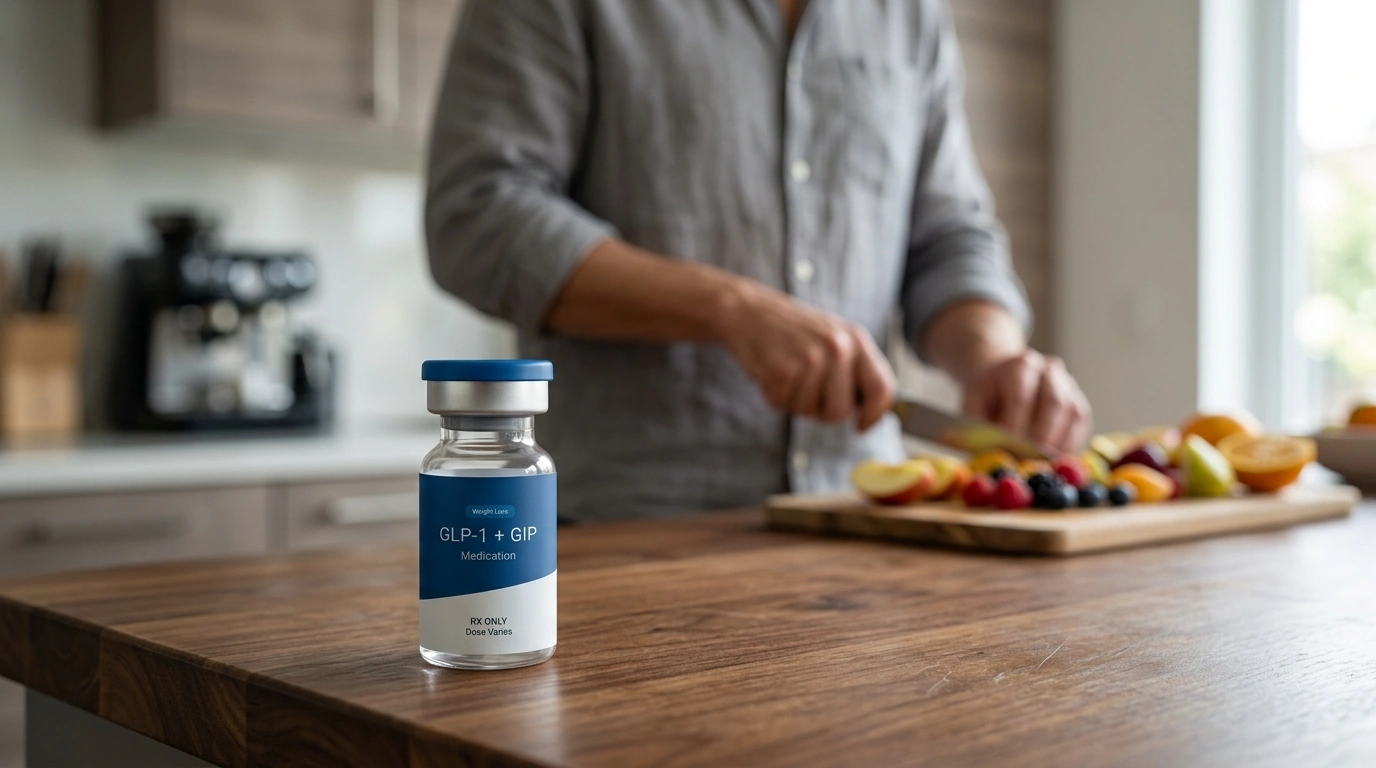
To understand how pasta fits into your life now, it is helpful to understand how your medication works. Zepbound® contains an active ingredient called tirzepatide. This is a dual-receptor agonist, meaning it mimics two natural hormones in your body: glucagon-like peptide-1 (GLP-1) and glucose-dependent insulinotropic polypeptide (GIP). These hormones play a critical role in how your body manages hunger and processes food.
One of the primary ways this medication helps with weight loss is by slowing down gastric emptying. This means that food stays in your stomach for a longer period of time. While this is excellent for helping you feel full and satisfied with less food, it also means that what you eat matters more. High-carbohydrate foods like traditional pasta can sit in the stomach longer, which may lead to feelings of heaviness, bloating, or even nausea if the meal is too large or too rich.
Quick Answer: Yes, you can eat pasta while taking Zepbound®. There are no “forbidden” foods on this medication, but because the drug slows your digestion, you may find that smaller portions and higher-fiber pasta options help you avoid common side effects like bloating or nausea.
For a broader overview of how this hormone pathway supports weight loss, our what is GLP-1 guide is a helpful companion read.
The Relationship Between Carbohydrates and Tirzepatide
Carbohydrates are the body’s primary energy source, but they react differently when your metabolic signals are altered. When you consume refined carbohydrates, such as white flour pasta, your body typically breaks them down into glucose (sugar) quite rapidly. On a medication like Zepbound®, your insulin sensitivity is improved, and your body becomes more efficient at managing these blood sugar spikes.
However, because the medication slows your digestive tract, a large bowl of refined pasta can become a “logjam” in your system. This can lead to a significant rise in blood sugar followed by a heavy feeling as the stomach works overtime to move the dense starch along. This is why many people on a personalized program find that their “relationship” with pasta changes—not because they can’t eat it, but because their body’s feedback loop becomes much more sensitive to high-starch meals.
Choosing the Best Type of Pasta
Not all pasta is created equal when you are focusing on metabolic health. If you are looking to maintain your weight loss momentum while still enjoying your favorite Italian-inspired dishes, the type of noodle you choose can make a significant difference.
Whole Wheat and Whole Grain
Whole wheat pasta contains the entire grain kernel, including the bran and germ. This means it is higher in fiber and protein than refined white pasta. Fiber is your best friend when taking a GLP-1 or GIP medication. It helps regulate digestion and can prevent the constipation that some individuals experience.
Legume-Based Pastas
Pasta made from lentils, chickpeas, or edamame has become a staple for those on medical weight loss programs. These options are naturally gluten-free and packed with protein. Since maintaining muscle mass is a priority during weight loss, choosing a pasta that contributes to your daily protein goals is a smart strategic move.
Low-Carb and Vegetable Alternatives
For those who want the texture of a noodle without the heavy starch, vegetable-based alternatives are excellent.
- Zucchini Noodles (Zoodles): Very low in calories and high in water content.
- Spaghetti Squash: Provides a similar “string” texture with a mild, sweet flavor.
- Shirataki Noodles: Made from the konjac plant, these are almost entirely fiber and have very few calories.
The Importance of the “Protein First” Rule
Prioritizing protein at every meal is a cornerstone of success on a personalized weight loss program. When you are eating pasta, it should ideally be the “side act” rather than the “main event.” We recommend a “Protein First” approach to your plate.
Before you take your first bite of pasta, ensure you have a high-quality protein source on your plate. This could be grilled chicken, lean ground turkey, shrimp, or tofu. Protein helps to further stabilize blood sugar levels and ensures that your body is getting the nutrients it needs to maintain lean muscle while you lose fat. By eating your protein and vegetables first, you are less likely to overconsume the pasta, which helps prevent the uncomfortable fullness that can occur when gastric emptying is delayed.
Key Takeaway: To avoid digestive discomfort, treat pasta as a side dish. Fill half your plate with non-starchy vegetables, one-quarter with lean protein, and the remaining quarter with your pasta of choice.
Managing Side Effects When Eating Pasta
Many individuals worry that eating pasta will trigger the common gastrointestinal side effects associated with Zepbound®. While pasta itself is not a “trigger food” for everyone, the way it is prepared often is. If you find yourself feeling unwell after a pasta meal, consider the following factors:
- The Sauce: Heavy, cream-based sauces (like Alfredo) or very oily sauces (like Pesto) are high in fat. High-fat meals combined with slowed digestion are the most frequent cause of nausea and heartburn on this medication.
- The Volume: Because you feel full much sooner, a “normal” portion of pasta might actually be twice what your body can currently handle.
- The Speed: Eating too quickly can lead to “over-shooting” your fullness cues. Because the signal from your stomach to your brain is enhanced by the medication, you need to give your body time to register that it is satisfied.
If nausea or digestion changes have been part of your experience, our guide to semaglutide side effects offers practical strategies that also apply to many GLP-1 treatment journeys.
Myth: You have to follow a strict Keto or zero-carb diet for Zepbound® to work. Fact: While lower-carb diets can be helpful, the medication works by regulating your body’s own hormonal response to food. You can lose weight while eating carbohydrates, as long as you maintain a calorie deficit and focus on nutrient density.
Tips for Preparing “Zepbound-Friendly” Pasta
You don’t have to sacrifice flavor to make your pasta dishes work with your treatment plan. Small adjustments in the kitchen can make a big difference in how you feel after dinner.
- Use Acid and Herbs: Instead of heavy butter or cream, use a squeeze of lemon, a splash of balsamic vinegar, or fresh herbs like basil and oregano to add flavor.
- Bulk Up with Veggies: Mix your pasta with an equal amount of sautéed spinach, roasted peppers, or steamed broccoli. This increases the volume of the meal and the fiber content without adding many calories.
- Choose Red Over White: Tomato-based sauces are generally lower in fat and calories than white, creamy sauces. Just be mindful of added sugars in store-bought jars.
- Al Dente is Better: Cooking pasta “al dente” (firm to the bite) actually lowers its glycemic index slightly compared to overcooked, mushy pasta. This means it breaks down a little more slowly in your system.
How to Handle Dining Out
Eating at an Italian restaurant can feel like a minefield when you are trying to be mindful of your portions and side effects. However, it is entirely possible to navigate a menu successfully.
Look for “Primi” portions. In traditional Italian dining, pasta is served as a smaller “first course” rather than a massive entrée. Ordering a starter-sized portion of pasta along with a side of grilled fish or a large salad is a perfect way to satisfy the craving without overdoing it.
Be wary of the breadbasket. If you are planning to have pasta, the extra refined carbs from white bread before the meal can lead to significant bloating. It is often better to save your “carb budget” for the high-quality pasta you actually want to enjoy.
The Role of Fiber and Supplements
Maintaining regular digestion is vital when your system is slowed down by medication. Pasta, especially refined white pasta, lacks the fiber necessary to keep things moving. If you find that eating pasta occasionally leads to sluggish digestion, you might consider incorporating supportive measures.
At TrimRx, we often suggest that patients look into targeted support for their digestive health. Our GLP-1 Daily Support supplement is designed to help bridge the gap in nutrients and support the digestive system as it adapts to the medication’s effects. Ensuring you are hydrated and getting enough fiber through your diet or supplements can make the occasional pasta night much more comfortable.
Listening to Your Body’s Cues
The most important skill you can develop on your journey is the ability to listen to your body. Zepbound® changes the way your “fullness” (satiety) signals work. You may find that after just five or six bites of pasta, you feel a distinct sensation of being “done.”
In the past, you might have been raised to “clean your plate,” but on this medication, that can lead to physical pain or vomiting. When you eat pasta, pay close attention to that first sign of satiety. It might feel like a slight pressure in your chest or simply a sudden loss of interest in the food. As soon as you feel it, stop. The pasta will still be there for leftovers tomorrow.
Step-By-Step: Incorporating Pasta Into Your Week
If you are nervous about how pasta will affect you, follow these steps to reintroduce it safely:
- Step 1: Choose your timing. Try your first pasta meal on a day when you don’t have a big social event the next morning, just in case you experience mild bloating.
- Step 2: Measure your portion. Start with a half-cup of cooked pasta. This looks smaller than you’re used to, but remember, you are pairing it with protein and veggies.
- Step 3: Eat slowly. Take at least 20 minutes to finish your meal. Chew thoroughly to help your stomach process the starch more easily.
- Step 4: Assess how you feel. Wait two hours after the meal. If you feel energized and comfortably full, that portion and preparation style work for you. If you feel sluggish or nauseous, adjust the sauce or the portion size next time.
Why Personalization Matters
Every body reacts differently to tirzepatide. Some people find they can eat a bowl of traditional spaghetti with no issues, while others find that even a small amount of starch causes discomfort. This is why a one-size-fits-all diet plan rarely works for long-term weight loss.
Our approach focuses on the individual. By using the platform to connect with providers and utilize a tailored program, you can find the specific balance of macronutrients (proteins, fats, and carbs) that makes you feel your best. Whether you prefer a Mediterranean-style diet with occasional whole-grain pasta or a higher-protein approach, the goal is to create a lifestyle you can actually maintain for the rest of your life.
For another practical look at treatment support, our tirzepatide supplement guide covers the kind of nutritional support many people look for during weight loss.
Navigating the Emotional Side of Food
For many, pasta represents more than just calories; it represents family, tradition, and joy. Using Zepbound® does not mean you have to sever your emotional connection to food. In fact, by removing the constant “food noise” and intense cravings, the medication often allows people to enjoy a small portion of pasta more than they ever did when they were struggling with overeating.
You may find that you actually enjoy the flavor of the food more when you aren’t fighting an uphill battle with your appetite. This “mindful eating” is a powerful tool that, when combined with medical support, leads to the sustainable results we strive for at TrimRx.
Summary of Best Practices
To wrap up, eating pasta on Zepbound® is perfectly acceptable and can be part of a healthy, balanced diet. The key is to move away from the “large bowl of noodles” model and toward a “balanced plate” model.
- Prioritize Fiber: Choose whole grain or legume-based noodles whenever possible.
- Protein is Key: Always pair pasta with a lean protein source to stabilize blood sugar.
- Watch the Fat: Avoid heavy cream or excessive oil in your sauces to prevent nausea.
- Portion Control: Use the medication’s satiety signals to guide you—smaller portions are usually better tolerated.
- Stay Hydrated: Drink plenty of water to help your body process the fiber and starch effectively.
The TrimRx Approach to Sustainable Health
We understand that the journey to a healthier weight is about more than just a number on a scale—it’s about regaining control and feeling good in your body. Our mission is to provide you with the medical expertise and personalized support you need to navigate these changes. By combining science-backed treatments with a compassionate, telehealth-first approach, we help you build a lifestyle where you can enjoy your favorite foods while reaching your health goals.
If you are ready to see how a personalized program can work for you, the first step is simple. By taking our free assessment quiz, you can provide the information our partnered providers need to determine the best path forward for your unique health profile.
Bottom line: Pasta can stay on the menu. By focusing on quality, portion size, and protein, you can enjoy your meals while your medication does the work of supporting your metabolism.
FAQ
Can I eat white pasta while taking Zepbound®?
Yes, you can eat white pasta, but it is important to be mindful of the portion size. Because white pasta is a refined carbohydrate with very little fiber, it can sit heavily in the stomach due to slowed gastric emptying. Pairing it with plenty of vegetables and a lean protein can help your body process it more comfortably.
Why does pasta make me feel nauseous now that I’m on Zepbound®?
Nausea after eating pasta is often caused by the medication’s effect on slowing down your digestion. If you eat a large portion of starch or a pasta dish with a high-fat sauce, it stays in your stomach longer than usual, which can lead to indigestion or nausea. Try reducing your portion size and choosing lighter, tomato-based sauces.
Is it better to eat pasta at lunch or dinner?
Many people find that eating their more carb-heavy meals at lunch is better while on Zepbound®. Because your digestion is slower, eating a heavy meal like pasta late at night might lead to acid reflux or a “heavy” feeling when you try to sleep. Eating it earlier in the day gives your body more time to process the meal.
Do I need to count calories if I eat pasta?
While Zepbound® helps regulate your appetite, weight loss still requires a calorie deficit. You don’t necessarily need to obsessively count every calorie, but being aware of your portions—especially with calorie-dense foods like pasta—is helpful. Most patients find that the medication makes it much easier to naturally eat the smaller portions required for weight loss.
If you’re ready to see whether a personalized program makes sense for you, complete the free assessment quiz to get started.
Disclaimer: This content is for informational purposes only and does not constitute medical advice. It is not intended to diagnose, treat, cure, or prevent any disease or condition. Individual results may vary. Always consult a qualified healthcare professional before starting any weight loss program or medication.

Transforming Lives, One Step at a Time
Keep reading

Can You Lower Your Zepbound Dose Without Losing Your Progress?
Often yes, and the honest caveat is that the evidence for dose reduction specifically is thinner than the evidence for stopping. We know a…
Why Is There a Bruise Where I Injected My Zepbound?
A bruise means a small blood vessel was disturbed under the skin and blood spread into the surrounding tissue. It is one of the…

My Zepbound Pen Won’t Click Past a Certain Dose
Start by checking which device you are holding, because the answer depends entirely on that. Zepbound has commonly been supplied in the United States…


