How Long Is Zepbound Good For: A Guide to Proper Storage
Introduction
Finding a weight loss treatment that works can feel like a major victory. After navigating the frustrations of traditional dieting, many individuals find that Zepbound® (tirzepatide) provides the biological support they need to finally see progress. However, once you have your medication, a new set of questions often arises regarding its care and longevity. You might wonder if a pen left on the counter is still safe or how long a box will last in the back of the refrigerator. At TrimRx, we believe that understanding the logistics of your treatment is just as important as the clinical results. This article explores the specifics of medication stability, including how long the medication remains effective under different conditions. Proper storage ensures that every dose you take is potent, safe, and ready to support your health goals.
Quick Answer: Zepbound® is good until the expiration date printed on the box when kept in the refrigerator. If stored at room temperature, it must be used within 21 days and should never be returned to the refrigerator after it has reached room temperature.
If you are considering a medically supervised weight loss program, you can take the free assessment quiz to see whether you may be a candidate.
Understanding Tirzepatide Stability
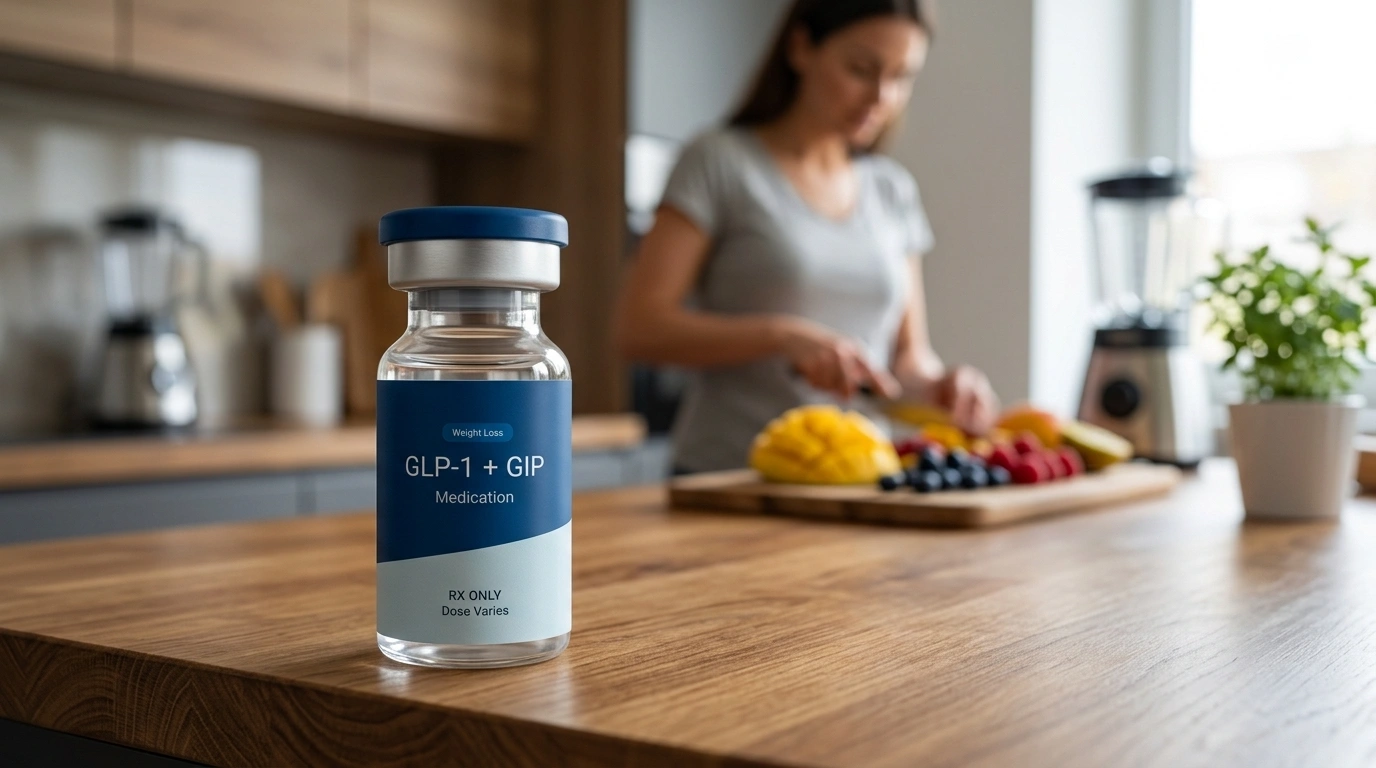
To understand the longevity of your medication, it helps to understand what is inside the pen. Zepbound® contains the active ingredient tirzepatide, which is a dual agonist. This means it mimics two naturally occurring hormones in the body: glucagon-like peptide-1 (GLP-1) and glucose-dependent insulinotropic polypeptide (GIP). These are protein-based molecules, or peptides, which are naturally delicate.
Because peptides are held together by specific chemical bonds, they are sensitive to their environment. Factors like heat, light, and extreme cold can cause these bonds to break down. When the structure of the peptide changes, the medication may lose its effectiveness. This is why following manufacturer guidelines for storage is not just a suggestion—it is a requirement for the medication to work as intended.
For a broader overview of handling and storage, read this tirzepatide storage, travel, and handling guide.
The Refrigerator Rule: Long-Term Storage
The gold standard for storing tirzepatide is in the refrigerator. Under ideal conditions, the medication is stable for a significant amount of time.
Checking the Expiration Date
Every box and individual pen comes with an expiration date clearly marked by the manufacturer. As long as the medication remains sealed in its original packaging and is kept at the correct temperature, it is considered “good” until that date. Usually, these dates are set several months or even a year into the future from the time of manufacture.
For more detail, review this guide on how long Zepbound can be stored in the refrigerator.
The Ideal Temperature Range
The medication should be kept between 36°F and 46°F (2°C to 8°C). This range is standard for most home refrigerators. However, where you place the medication inside the fridge matters.
- Avoid the door: The temperature in the refrigerator door fluctuates every time you open it.
- Avoid the back wall: The back of the fridge is often the coldest spot and can inadvertently freeze the liquid.
- Use the middle shelf: This area typically maintains the most consistent temperature.
You can also review these essential tirzepatide refrigeration and storage tips for additional guidance.
Managing a Multi-Week Supply
Most patients receive a one-month supply at a time. Because the medication is dispensed in a box of four single-dose pens, you will likely have several pens sitting in your fridge at once. By keeping them refrigerated, you ensure that the fourth pen is just as effective as the first. Our platform, TrimRx, helps facilitate a streamlined process so your next shipment arrives before your current supply runs out, minimizing the time medication spends in transit.
If you are ready to explore whether a personalized prescription program may be appropriate, complete a free eligibility assessment.
The Room Temperature Rule: The 21-Day Window
Life is unpredictable, and there are times when you may not have access to a refrigerator. Perhaps you are traveling, or maybe you accidentally left a pen on the bathroom counter.
The 21-day limit: Tirzepatide can be stored at room temperature (up to 86°F or 30°C) for up to 21 days. If a pen has been out of the fridge for longer than three weeks, it should be discarded, even if the expiration date on the box has not passed.
Key Takeaway: Once a pen reaches room temperature, the 21-day countdown begins. Do not put the pen back in the refrigerator once it has warmed up, as frequent temperature swings can compromise the stability of the peptide.
For a focused explanation of room-temperature storage, see can Zepbound be kept at room temperature.
Protecting Against Light
Even when stored at room temperature, the medication must be protected from light. The pens are designed to be opaque, but the manufacturer still recommends keeping them in their original carton. Sunlight and even strong indoor UV light can accelerate the degradation of the active ingredients.
What Happens if Zepbound Freezes?
While heat is a common concern, extreme cold is actually more damaging. Tirzepatide should never be allowed to freeze. If the liquid inside the pen freezes, the delicate molecular structure of the peptide is usually destroyed.
How to tell if it froze: If you notice ice crystals in the pen, or if the pen was stored in a part of the fridge that felt icy to the touch, it is best to assume it is compromised. Even if the liquid thaws and looks normal, the chemical integrity may be gone.
Important: Never use a pen that has been frozen. Using compromised medication can result in a lack of efficacy, meaning you won’t get the metabolic support you need for your weight loss journey.
Visual Inspection: How to Tell if the Medication Is Still Good
Before every injection, you should perform a quick visual check of the medication. This is a simple but effective way to ensure safety. The liquid inside the pen should be:
- Clear: It should look like water.
- Colorless: There should be no tint or hue.
- Free of particles: You should not see any flakes, “floaties,” or cloudiness.
If the medication looks cloudy, has changed color, or contains visible particles, do not use it. This can be a sign of bacterial contamination or chemical breakdown. In these cases, contact your healthcare provider or the pharmacy that dispensed the medication for guidance on a replacement.
For more handling guidance, read about what tirzepatide should look like before use.
Traveling with GLP-1 and GIP Medications
Travel shouldn’t stop you from staying consistent with your treatment. Because the medication is stable for 21 days at room temperature, many domestic trips do not require specialized cooling equipment.
Domestic Travel Tips
For a week-long trip, you can simply keep your pen in a carry-on bag (protected by its box). Avoid putting your medication in checked luggage. The cargo holds of airplanes are not temperature-controlled and can reach extreme temperatures—either freezing or excessively hot—that will ruin the medication.
See this tirzepatide travel and handling guide for additional travel considerations.
International and Long-Term Travel
If you are traveling for more than three weeks, you will need to keep the medication cool.
- Cooling Wallets: There are many “evaporative cooling” pouches designed for insulin that work perfectly for weight loss pens.
- Insulated Bags: A small insulated lunch bag with a gel ice pack can work, but ensure the ice pack does not directly touch the pen, as this could cause it to freeze.
Comparing Branded and Compounded Options
While Zepbound® is a specific branded medication, many people access the same active ingredient, tirzepatide, through other avenues. Understanding the difference in “good-by” dates is essential for safety.
For an overview of the differences in formulation and handling, read how compounded tirzepatide compares with brand-name medication.
Branded Medications
Branded products like Zepbound® or Mounjaro® (also tirzepatide) come in pre-filled, single-use pens. These pens are engineered for a specific shelf life determined by the manufacturer’s extensive clinical testing. The 21-day room temperature rule and the refrigerated expiration date are specific to these branded delivery systems.
Compounded Tirzepatide
Through a personalized program like those offered by TrimRx, a licensed provider may prescribe compounded tirzepatide. Compounded medications are prepared by FDA-registered, inspected compounding pharmacies. Because these are often dispensed in vials rather than pre-filled pens, the storage instructions may differ slightly.
- Beyond-Use Date (BUD): Instead of an “expiration date,” compounded medications have a “Beyond-Use Date.” This date is typically shorter than a branded expiration date because the medication is prepared in smaller, customized batches.
- Multi-dose Vials: Once a vial is punctured with a needle, it is usually only “good” for 28 days due to the risk of contamination, regardless of the temperature.
- Storage: Most compounded tirzepatide still requires refrigeration to maintain potency.
For more information, read this guide to compounded tirzepatide storage and shelf life.
Myth: Compounded medications are less stable than branded ones.
Fact: When prepared by high-quality, FDA-registered compounding pharmacies, compounded tirzepatide is held to strict standards. Its shorter “shelf life” (BUD) is simply a reflection of the customized, small-batch nature of the preparation.
Why Consistency Matters for Longevity
The reason we focus so much on “how long it is good for” is that consistency is the most important factor in weight loss success. If your medication loses its potency because it sat in a hot car, your body won’t receive the full signal to manage appetite and blood sugar. This can lead to a stall in progress or a return of “food noise”—the intrusive thoughts about eating that many GLP-1 and GIP medications help silence.
By maintaining a fresh, properly stored supply, you ensure that your biological environment remains stable. At TrimRx, we facilitate 24/7 access to specialists who can help you understand these nuances, ensuring you never have to guess whether your medication is still effective.
To see whether you may qualify for a personalized program, take the free assessment quiz.
Step-by-Step: Checking Your Medication Safety
If you are unsure if your medication is still good, follow these steps:
Step 1: Check the date. Look at the expiration date on the box or the individual pen. If that date has passed, discard the pen.
Step 2: Calculate the room temperature time. If the pen has been out of the fridge, determine how many days it has been. If it is 22 days or more, discard it.
Step 3: Perform a visual scan. Hold the pen up to a light source. Ensure the liquid is clear and free of any debris.
Step 4: Verify the history. Ask yourself: Did this pen ever freeze? Was it in direct sunlight? If the answer is yes, it is safer to dispose of it.
The Role of Telehealth in Managing Your Supply
One of the biggest challenges with traditional pharmacy pickups is the “gap” in supply. If a pharmacy is out of stock, you might find yourself holding onto an old pen past its prime, hoping it still works.
Telehealth-first platforms like TrimRx change this dynamic. By connecting you with licensed providers and specialized pharmacies that ship directly to your door, the time the medication spends “sitting on a shelf” is minimized. Our mission is to help individuals embrace healthier lifestyles through science and transparency. This includes making sure you have a fresh, effective supply of medication exactly when you need it, without unnecessary waiting rooms.
If you are interested in exploring a supervised prescription program, see if you qualify for a personalized program.
Disposing of Expired Medication
If you find that your medication is no longer good, you must dispose of it properly. You should not simply throw a pre-filled pen into the regular trash, as it contains a needle.
- Sharps Containers: Use an FDA-cleared sharps disposal container.
- Household Alternatives: If you don’t have a sharps container, you can use a heavy-duty plastic household container, such as a laundry detergent bottle with a tight-fitting lid.
- Safe Disposal Sites: Many communities have “take-back” programs or specific drop-off locations for medical waste.
Maximizing Your Investment in Your Health
Weight loss medications are an investment in your future health. Whether you are using branded Zepbound® or a compounded tirzepatide program, the goal is the same: sustainable, long-term metabolic health. Protecting the integrity of your medication is a simple way to protect that investment.
When you join a program through TrimRx, you aren’t just getting a prescription; you are getting a comprehensive support system. From lab work to doctor consultations and unlimited support, we ensure you have the knowledge to handle your medication correctly and the clinical guidance to see results.
Bottom line: Keep your medication in the fridge for long-term use. If it’s out of the fridge, use it within 21 days and keep it away from heat and light. When in doubt, a visual check for clarity is your best safety tool.
FAQ
Can I use Zepbound® if it was left in a hot car for a few hours?
If the temperature in the car exceeded 86°F (30°C), the medication may have begun to break down. Even a few hours of extreme heat can compromise the delicate peptides. It is best to consult with your healthcare provider or pharmacist before using medication that has been exposed to high heat.
Does Zepbound® expire sooner once the pen is taken out of the box?
The pen itself is opaque and provides some protection, but the medication is most stable when kept in the original carton to shield it from light. Taking a pen out of the box doesn’t change the 21-day room temperature limit, but it does increase the risk of light exposure, so keeping it boxed is always recommended.
What should I do if my medication arrives warm in the mail?
Most pharmacies ship these medications in insulated packaging with cold packs. If the medication arrives and the cold packs are completely melted or the medication feels warm to the touch, contact the pharmacy or the platform you used immediately. They can provide guidance on whether the shipment is still safe to use or if a replacement is necessary.
If I only use half a pen, can I save the rest for later?
No, the Zepbound® pen is a single-dose, auto-injector device. Once the button is pressed, the entire dose is delivered, and the needle retracts. You cannot save a partial dose. If you are using compounded medication from a vial, your provider will give you specific instructions on how to draw a dose and how long the remaining liquid in the vial is good for.
Disclaimer: This content is for informational purposes only and does not constitute medical advice. It is not intended to diagnose, treat, cure, or prevent any disease or condition. Individual results may vary. Always consult a qualified healthcare professional before starting any weight loss program or medication.

Transforming Lives, One Step at a Time
Keep reading

Can You Lower Your Zepbound Dose Without Losing Your Progress?
Often yes, and the honest caveat is that the evidence for dose reduction specifically is thinner than the evidence for stopping. We know a…
Why Is There a Bruise Where I Injected My Zepbound?
A bruise means a small blood vessel was disturbed under the skin and blood spread into the surrounding tissue. It is one of the…
My Zepbound Pen Won’t Click Past a Certain Dose
Start by checking which device you are holding, because the answer depends entirely on that. Zepbound has commonly been supplied in the United States…


