Can You Skip a GLP-1 + GIP Dose?
Introduction
A missed medication day can leave you wondering whether to take your dose late or wait until next week. The answer depends on your medication’s instructions and how much time has passed. For some prescriptions, those instructions say to skip a missed dose after a certain window and return to the usual schedule. Don’t take an extra dose to make up for it.
At TrimRx, we know a busy week or a delayed refill can interrupt a routine you’ve worked hard to build. Whether the missed dose was accidental or you’re considering a planned break, the safest next step is to check your specific instructions and involve a licensed provider when you need guidance.
What to Do After a Missed Dose
Start by checking the name and instructions on your own prescription label. Missed-dose rules are specific to the medication, so advice for another product may not apply to yours.
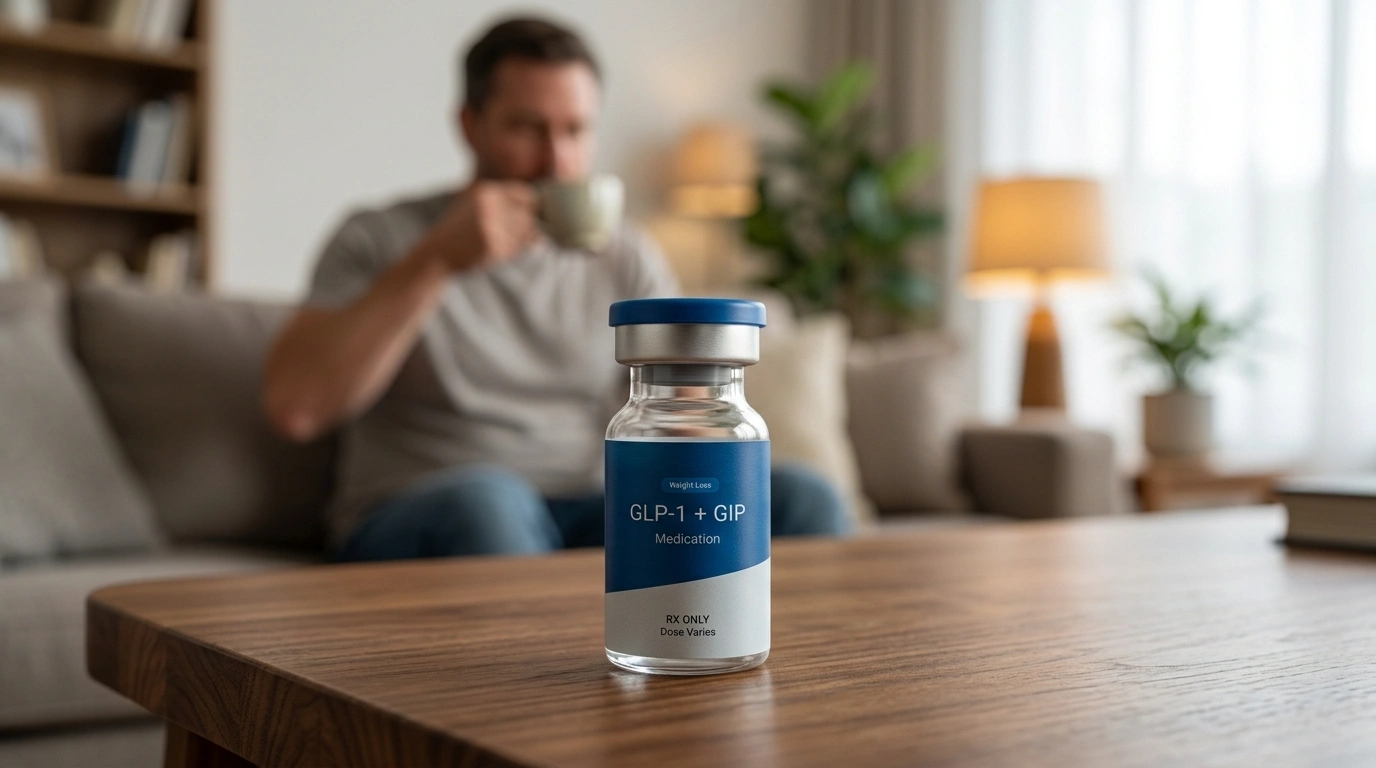
GLP-1 + GIP refers to a medication category that acts on pathways related to two natural hormones: glucagon-like peptide-1 (GLP-1) and glucose-dependent insulinotropic polypeptide (GIP). These pathways affect functions including appetite and blood sugar.
For one once-weekly GLP-1 + GIP prescription, missed-dose guidance says to take a missed dose within four days of when it was due. After that window, the guidance is to skip it and resume on the regular scheduled day.
That four-day window is not a universal rule for every prescription or compounded medication. Check the instructions for the exact medication you receive. If you can’t find them or aren’t sure how they apply, contact your licensed provider before deciding when to take another dose.
A few details will help you get an answer:
- Your usual dosing day and the date you last took a dose.
- How many scheduled doses you missed.
- The instructions on your prescription label.
- Whether you missed the dose because of illness, side effects, travel, or a refill delay.
If you’re unsure whether you already took a dose, don’t take another one just in case. Check your calendar or other records and contact your licensed provider for guidance.
Should You Take a Double Dose?
No. Don’t take two doses to make up for one you missed. Taking extra medication can cause harm, and your licensed provider can help you determine the next appropriate step.
If you accidentally take too much or take doses closer together than directed, contact your licensed provider or Poison Help at 1-800-222-1222 right away, even if you feel well. Call 911 for life-threatening symptoms, such as trouble breathing or being unable to stay awake.
Bottom line: Use the instructions for your exact prescription, and don’t guess or double up when the timing is unclear.
Can You Plan to Skip a Dose?
Sometimes you know a dose may be difficult to take before the scheduled day arrives. Travel, a procedure, illness, or an upcoming change in routine can all raise reasonable questions.
A planned skip is different from forgetting a dose. Contact your licensed provider before changing your schedule, especially if you’re considering a break because you feel unwell. They can review your situation and explain what to do next.
For Travel or a Schedule Change
You may not need to skip simply because your usual day has become inconvenient. Ask your licensed provider whether changing your regular dosing day is appropriate for your prescription.
The spacing instructions for your medication matter when changing days. Don’t assume that moving a dose earlier or later is safe without checking those instructions or getting guidance.
For a trip, review the storage and handling directions that came with your medication. If you’re unsure how to follow them while away, ask before you leave rather than planning to use medication that may not have been stored as directed.
Before a Procedure
If you have a procedure planned, tell the licensed provider overseeing it about your medication. Ask whether you need to make any changes and when you should follow up about restarting.
Don’t assume you need to skip a dose for every procedure. The instructions can depend on the procedure and your individual circumstances.
Because of Side Effects
If nausea or another side effect is making you consider skipping, tell your licensed provider what you’re experiencing. Include when the symptom started, how long it has lasted, and whether you can eat and drink.
A missed-dose window doesn’t answer whether you should take medication while you’re ill. Your licensed provider can help you decide what to do based on your symptoms.
What If You Miss Two or More Doses?
Contact your licensed provider before restarting after a longer gap, particularly if you have missed two doses. A single-dose instruction may not tell you how to resume after several weeks away from your medication.
After a longer interruption, returning to the previous dose without guidance may increase the chance of digestive side effects. A licensed provider can consider how long you’ve been off the medication and how well you tolerated it before the break. A health-system guide to treatment gaps recommends contacting the prescribing provider after a two-week gap.
Your provider may recommend a different restart plan, but that decision is individual. Don’t choose a new dose or make changes to your medication on your own.
Prepare for the Conversation
You don’t need to have every detail memorized. Gather what you can so your licensed provider has a clear picture.
- Check the date of your last dose and count the doses you missed.
- Have your prescription label or medication instructions available.
- Note any side effects you had before the break and whether you have symptoms now.
- Mention any other medications you take and any relevant changes in your health.
- Explain if a refill or travel issue may continue to affect your schedule.
If you can’t remember the exact date of your last dose, say so. An uncertain answer is more useful than a guess when your provider is helping you plan your next step.
What Might You Notice After a Missed Dose?
A missed dose does not mean your progress has disappeared. The medication does not leave your body immediately, and you may not notice a change after one missed dose.
As a gap continues, some people notice changes in hunger or fullness. Others feel little difference. There isn’t a reliable way to predict exactly how you will feel after a single missed dose, and a change in appetite is not a personal failure.
Day-to-day weight can also vary for many reasons. One missed dose does not automatically mean you will gain weight. If you’re worried about what you’re noticing, share that with your licensed provider rather than changing your medication to compensate.
During a gap, ordinary routines can still provide structure. Meals, fluids, rest, and movement that fit your life are reasonable ways to care for yourself. They are not a substitute for medication instructions, and you don’t need to follow a special diet to make up for a missed dose.
When to Seek Help for Symptoms
Contact your licensed provider if side effects are significant, persistent, or making it difficult to continue your routine. Tell them if you’ve missed a dose or are considering one, since that information may affect their guidance.
Seek urgent medical care if you have severe or persistent vomiting or cannot keep fluids down. Call 911 for life-threatening symptoms, including trouble breathing, fainting, or being unable to stay awake.
If you accidentally take too much medication, don’t wait for symptoms before asking for help. Contact Poison Help at 1-800-222-1222 or your licensed provider promptly.
Make Your Next Dose Easier to Remember
A reminder system should fit the life you actually have. You don’t need a perfect routine, but a few practical checks can help you know what happened and when to ask for support.
- Set a recurring reminder for your scheduled day and time.
- Record the dose after you take it, rather than relying on memory later.
- Keep the instructions accessible so you can find them if your schedule changes.
- Check your supply ahead of time and contact the appropriate service if a refill may be delayed.
- Plan before travel or a procedure if either could affect your usual routine.
If your current day repeatedly causes problems, discuss a possible schedule change with your licensed provider. The goal is a plan you can follow without making medication changes on your own.
Conclusion
Missing a dose can be unsettling, but you have a practical way forward. Check the instructions for your exact prescription, and ask a licensed provider when your circumstances don’t fit those instructions.
- Don’t double up to make up for a missed dose.
- Contact your provider before restarting after a longer gap.
- Ask for guidance before a planned break or schedule change.
A missed dose is a reason to check your plan, not a reason to blame yourself.
If you’re considering a prescription program, you can start the TrimRx intake. A licensed provider reviews your information and determines appropriate next steps.
FAQ
Can I take a GLP-1 + GIP dose two days late?
It depends on your specific prescription and its missed-dose instructions. Some medications have a window for taking a late dose, but you should check your label or ask your licensed provider before acting.
What if I missed my dose by five days?
Check your medication’s instructions rather than assuming the same rule applies to every prescription. For one once-weekly GLP-1 + GIP prescription, the guidance is to skip the missed dose after four days and resume on the usual scheduled day.
Will I gain weight if I skip one dose?
A single missed dose does not automatically cause weight gain. You may notice a change in hunger or fullness, or you may not notice a difference. Talk with your licensed provider if you’re concerned about a longer interruption or changes you’re experiencing.
Can I change my weekly dosing day?
A schedule change may be possible, but the timing instructions depend on your prescription. Ask your licensed provider how to make the change rather than taking doses closer together than directed.
TrimRX does not practice medicine or prescribe medications. Compounded medications are not FDA-approved and are not evaluated by the FDA for safety or efficacy. Results vary by individual and are not guaranteed.
Disclaimer: This content is for informational purposes only and does not constitute medical advice. It is not intended to diagnose, treat, cure, or prevent any disease or condition. Individual results may vary. Always consult a qualified healthcare professional before starting any weight loss program or medication.

Transforming Lives, One Step at a Time
Keep reading

Can You Eat Clam Chowder on Zepbound?
Clam chowder is a seaside classic, often served in a bread bowl on a chilly day. New England chowder is thick, creamy, and rich…

Can You Eat Korean BBQ on Zepbound?
Korean barbecue is a social, hands-on meal: platters of marinated meats grilled at the table, surrounded by small side dishes called banchan, with lettuce…
Can You Eat Brownies on Zepbound?
Brownies are a classic homemade treat, a bake sale staple, and a common office snack. They are also dense, rich, and very sweet, made…


