Can You Take Tirzepatide While Breastfeeding?
Introduction
The postpartum period is a time of immense change, both emotionally and physically. For many new parents, the desire to regain their pre-pregnancy health and energy levels is a high priority. With the rise of highly effective weight management medications, many nursing mothers are asking: can you take tirzepatide while breastfeeding? While the results seen with this class of medication are promising for many, the safety of the infant must always come first. If you are thinking ahead about treatment options for after weaning, you can complete a free assessment quiz to see what your next step could look like once breastfeeding is over.
What is Tirzepatide?
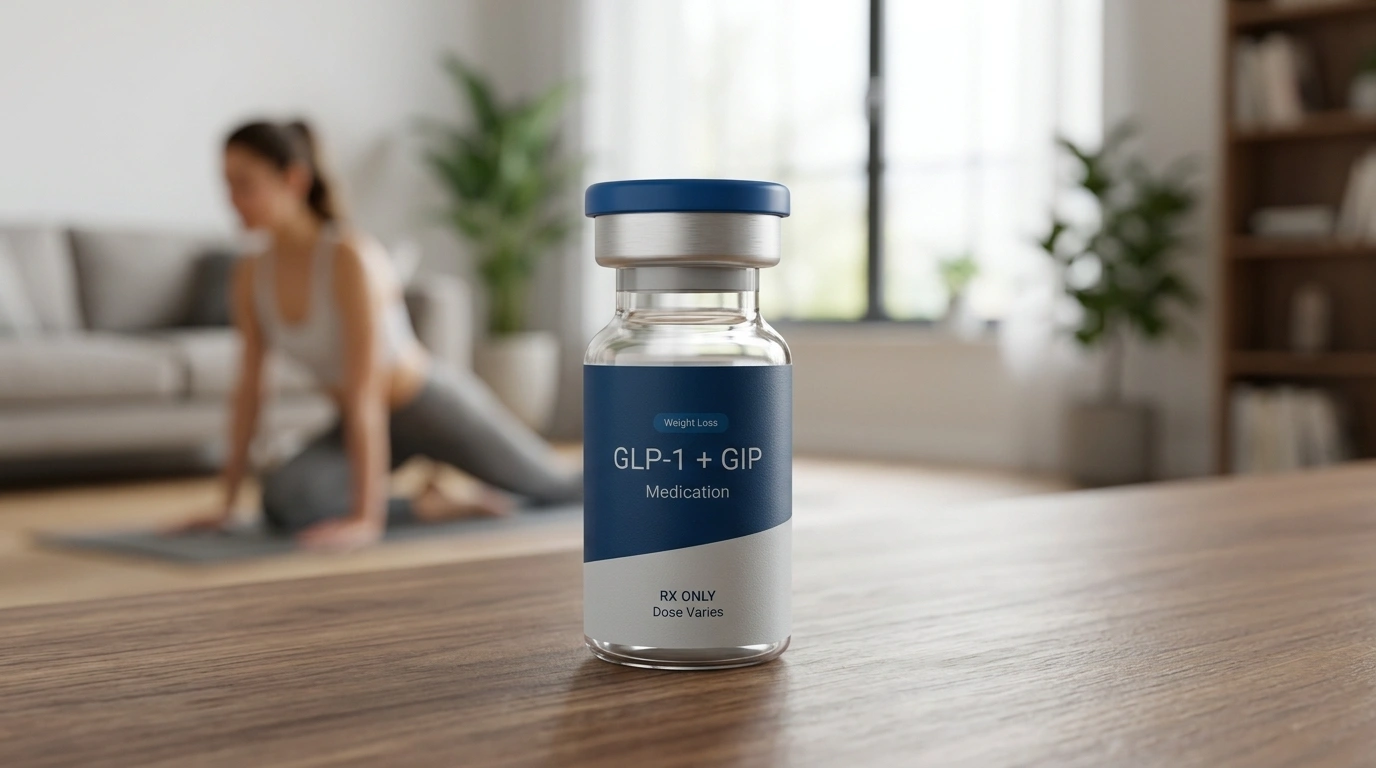
Tirzepatide is a dual-acting medication that belongs to a class of drugs known as receptor agonists. It is unique because it targets two different hormone receptors in the body: glucagon-like peptide-1 (GLP-1) and glucose-dependent insulinotropic polypeptide (GIP). These hormones are naturally produced in the gut and play a critical role in how your body manages blood sugar and appetite.
By mimicking these hormones, tirzepatide helps the body perform several functions that support weight management. It signals the brain to feel full sooner, slows down the rate at which the stomach empties, and improves how the body processes insulin. If you want a deeper look at that mechanism, our post on how GLP-1 actually works for weight loss is a helpful next read.
In clinical settings, tirzepatide is the active ingredient in branded medications like Mounjaro® and Zepbound®. It is also available as a compounded medication through specialized pharmacies. While the branded versions have received FDA approval for specific uses like Type 2 diabetes or chronic weight management, it is important to note that compounded tirzepatide is not FDA-approved.
Quick Answer: Currently, there is insufficient clinical data to confirm that tirzepatide is safe for use while breastfeeding. Most medical professionals recommend waiting until you have completely weaned your child before starting this medication to avoid potential risks to the infant’s development and nutrition.
How Medications Enter Breast Milk
To understand the concerns regarding tirzepatide, it is helpful to understand how any medication moves from a mother’s bloodstream into her breast milk. This process is known as passive diffusion. Several factors determine if a drug will cross over into the milk supply, including the drug’s molecular weight, its ability to dissolve in fats, and how strongly it binds to proteins in the blood.
Tirzepatide is a relatively large molecule. In many cases, very large protein-based molecules have a harder time passing into breast milk in significant quantities. However, “harder” does not mean “impossible.” Even a small amount of a potent metabolic medication could theoretically impact a developing infant. Because infants have immature digestive systems and developing metabolic pathways, they may be more sensitive to even trace amounts of a hormone-mimicking drug.
The Current Medical Guidance on Tirzepatide and Breastfeeding
As of now, the official guidance from manufacturers and regulatory bodies is one of caution. During the clinical trials for medications like Mounjaro® and Zepbound®, pregnant and breastfeeding individuals were excluded. This is standard practice in drug development to protect vulnerable populations, but it results in a “data gap.”
Without human clinical trials, researchers must rely on animal studies. In some animal reproductive studies, the use of GLP-1 medications was associated with lower birth weights and developmental variations. While animal data does not always translate directly to humans, it provides a necessary red flag.
Most healthcare providers follow the “precautionary principle.” If the benefits to the mother do not clearly and urgently outweigh the unknown risks to the infant, the medication is generally avoided. Because weight loss is typically considered an elective or non-emergency goal, doctors almost universally advise against taking tirzepatide while nursing.
Key Takeaway: The lack of human data means that the potential for tirzepatide to pass into milk or affect an infant’s growth is unknown. For this reason, medical guidelines suggest avoiding the medication during lactation.
Potential Risks for the Nursing Infant
The primary concern with a nursing infant ingesting tirzepatide is the effect on their developing metabolism. Infants require a precise balance of nutrients and hormones to grow at a healthy rate.
Metabolic Interference
Tirzepatide works by altering insulin secretion and slowing gastric emptying. If even small amounts were absorbed by an infant, it could potentially interfere with their blood sugar regulation or their own natural appetite signals. An infant who feels “too full” or has slowed digestion might not consume enough breast milk to meet their caloric needs for growth.
Growth and Development
The first year of life is a period of rapid brain and body development. Anything that disrupts the steady intake of nutrients could have long-term effects. Because there are no long-term studies on children exposed to tirzepatide through breast milk, we cannot say with certainty that it is safe for their cognitive or physical development.
The Impact on Milk Supply and Maternal Nutrition
Beyond the direct risk to the infant, tirzepatide can affect the breastfeeding process by changing the mother’s nutritional status. Breastfeeding is an energy-intensive process. A nursing mother typically requires an additional 300 to 500 calories per day to maintain a healthy milk supply.
Tirzepatide is highly effective at reducing appetite. Many people on the medication find it difficult to eat more than small portions. If a nursing mother is unable to consume enough calories or stay properly hydrated due to the effects of the medication, her milk supply may drop significantly.
Furthermore, rapid weight loss can sometimes lead to the release of toxins stored in fat cells into the bloodstream, which may then find their way into the breast milk. A slow, steady approach to weight loss is generally safer during the breastfeeding period to ensure both mother and baby receive adequate nutrition.
Myth: You can “pump and dump” your milk after a tirzepatide injection to keep your baby safe. Fact: Tirzepatide has a very long half-life, meaning it stays in your system for several days or even weeks. Pumping and discarding milk for a few hours or even a day will not clear the medication from your system.
Postpartum Weight Loss: The Emotional Struggle
We understand that the desire to start a weight loss program is often driven by a wish to feel like yourself again. After nine months of pregnancy, the physical changes can feel overwhelming. It is common to feel a sense of urgency to “get the weight off,” especially with the media attention surrounding GLP-1 and GIP medications.
It is important to remember that your body has just performed a remarkable feat. Hormonal shifts after birth are significant, and your metabolism is already in a state of flux. While tirzepatide might not be the right choice today, it can be a highly effective part of your future health plan. For more context on the treatment path itself, our guide on does GLP-1 work breaks down how these medications fit into a broader program.
At TrimRx, we believe in a personalized approach that respects your body’s timeline. We view weight loss as a marathon, not a sprint. Taking the time to nourish your child while focusing on gentle recovery can set a stronger foundation for when you are ready to begin a medically supervised program.
Planning for the Future with TrimRx
If you are currently breastfeeding but looking forward to starting a weight loss journey, you can begin preparing now. Use this time to focus on the foundations of metabolic health that will enhance the effectiveness of medications later.
Focus on Protein and Hydration
Adequate protein intake is essential for maintaining muscle mass, especially when you eventually start a medication like tirzepatide. Establishing high-protein eating habits now will make the transition to a formal program easier.
Gentle Movement
While intense dieting is not recommended during breastfeeding, gentle movement like walking can improve insulin sensitivity and support mental health.
Consulting with Specialists
You don’t have to wait until you stop breastfeeding to gather information. You can speak with a healthcare provider to discuss your medical history and determine if you might be a candidate for our program in the future. Our platform connects you with licensed providers who can help you map out a timeline.
Once you have finished breastfeeding and your hormone levels have started to stabilize, you can take our free assessment quiz. This is the first step in creating a personalized program tailored to your specific health profile and goals.
Safety and Compliance in Your Journey
When the time comes to start your program, it is vital to use a trusted source. The popularity of weight loss medications has led to an influx of low-quality options. We ensure that all medications prescribed through our platform are sourced from FDA-registered, inspected compounding pharmacies.
While we discuss branded options like Mounjaro® and Zepbound® for educational purposes, our platform focuses on providing access to compounded semaglutide and compounded tirzepatide. These options allow for personalized dosing and consistent support from a dedicated team of specialists. If you want to understand the dosing path before starting, the article on what a full dose of tirzepatide looks like is a useful companion read.
Steps to Prepare for Post-Breastfeeding Weight Loss
Step 1: Focus on nutrition. Prioritize whole foods and lean proteins to support your body while it is producing milk.
Step 2: Consult your OB/GYN. Discuss your long-term weight goals and ask for their recommended “wait period” after weaning before starting metabolic medications.
Step 3: Research your options. Learn about the differences between semaglutide and tirzepatide to see which mechanism might align better with your needs.
Step 4: Take the assessment. Once you have fully stopped breastfeeding, visit our platform to complete the health quiz and begin your personalized consultation.
Bottom line: Your safety and your baby’s health are the priority. While tirzepatide is not recommended during breastfeeding, it remains a powerful option for your health journey once weaning is complete.
Understanding Potential Side Effects
When you eventually start tirzepatide, it is important to be aware of the side effects. Knowing these in advance can help you decide when the “right time” to start is. If you are still caring for a young infant and experiencing sleep deprivation, managing side effects can be more challenging.
Common side effects include:
- Nausea or upset stomach
- Changes in bowel movements (constipation or diarrhea)
- Fatigue
- Heartburn or acid reflux
Most of these side effects are mild and tend to improve as your body adjusts to the medication. However, managing these symptoms while also meeting the demands of a nursing baby can be taxing. For readers who want a practical side-effect read, tirzepatide constipation solutions is a good place to start.
Supplementing Your Journey
For those who are not yet ready for prescription medication or who want to support their body naturally, there are options that do not involve systemic hormones. Our Weight Loss Boost supplement is designed to provide support alongside a weight management routine.
For those looking for nutritional support during treatment, the GLP-1 Daily Support supplement may be a helpful option to review after breastfeeding.
However, even with supplements, nursing mothers should always consult their doctor. Some herbal ingredients or high doses of certain vitamins can still affect breast milk or the infant. Always lead with transparency when talking to your medical team.
Frequently Asked Questions about Tirzepatide and Breastfeeding
It is natural to have questions about the timing and safety of these new treatments. Here are the most common inquiries regarding the use of tirzepatide during the postpartum and nursing period.
How long does tirzepatide stay in your system after the last dose?
Tirzepatide has a half-life of approximately five days. This means it takes about five days for the concentration of the drug in your body to reduce by half. It generally takes about 25 to 30 days for the medication to be almost entirely cleared from your system.
Can I take tirzepatide if I am only breastfeeding once or twice a day?
Medical professionals generally advise against the medication regardless of the frequency of nursing. Even a few sessions a day can transfer substances to the infant. The standard recommendation is to wait until you have stopped breastfeeding entirely to ensure zero exposure for the baby. If you want to see whether your future plan fits your health profile, you can start with the free assessment quiz.
Will tirzepatide affect my fertility while breastfeeding?
There is some evidence that GLP-1 and GIP medications can affect the absorption of oral contraceptives, potentially making them less effective. If you are using tirzepatide and wish to avoid another pregnancy shortly after birth, it is essential to discuss alternative birth control methods with your doctor.
Is there a specific amount of time I should wait after weaning to start?
Most providers suggest waiting until your milk has fully dried up and your menstrual cycle has returned to a regular pattern. This ensures your hormone levels have stabilized, which can help the medication work more effectively and allow your provider to get a clearer picture of your metabolic health.
Conclusion
The journey to health after childbirth is deeply personal and requires patience. While tirzepatide is a powerful tool for weight management, the current lack of safety data regarding its impact on breast milk and infant development makes it a choice that should be deferred until after breastfeeding. By waiting until weaning is complete, you protect your infant’s nutritional foundation and ensure that your own body is ready to respond optimally to the medication. Our mission at TrimRx is to support you with science-backed, personalized care that fits your life’s unique stages. We are here to help you navigate these decisions with empathy and clinical expertise. When you are ready to take that next step toward a healthier you, our team will be here to guide you through a program designed specifically for your needs. If you are ready to move from planning into action, take the free assessment quiz and begin the process.
Disclaimer: This content is for informational purposes only and does not constitute medical advice. It is not intended to diagnose, treat, cure, or prevent any disease or condition. Individual results may vary. Always consult a qualified healthcare professional before starting any weight loss program or medication.

Transforming Lives, One Step at a Time
Keep reading

How to Get Tirzepatide Hollywood — Prescribed Online Today
Get tirzepatide Hollywood through licensed telehealth — California residents receive FDA-registered compounded prescriptions shipped in 48 hours without

Tirzepatide Online Hollywood — Prescription Access &
Tirzepatide online Hollywood connects residents to licensed telehealth providers who prescribe and ship compounded GLP-1 medications directly to your door

Telehealth Tirzepatide Hollywood — Licensed RX Delivered
Telehealth tirzepatide Hollywood connects you with licensed providers remotely — compounded medication ships within 48 hours. No office visits required.


