What Not to Eat on Tirzepatide for Best Results
Introduction
Finding the right balance with your diet can feel like a secondary challenge once you begin a medical weight loss journey. Many individuals starting tirzepatide—a dual-acting medication that mirrors the body’s natural hormones—quickly realize that their old eating habits no longer align with how their body functions. You might find that a meal you once loved now leads to intense bloating or that a small snack feels like a heavy feast. At TrimRx, we believe that understanding these physical shifts is the key to minimizing discomfort and achieving sustainable results. This post covers the specific food categories to avoid, why certain ingredients trigger side effects, and how to structure your meals for success. By adjusting what you put on your plate, you can work with the medication rather than against it.
If you are exploring whether a medically supervised program may be appropriate for you, you can take the free assessment quiz.
How Tirzepatide Changes Your Digestion
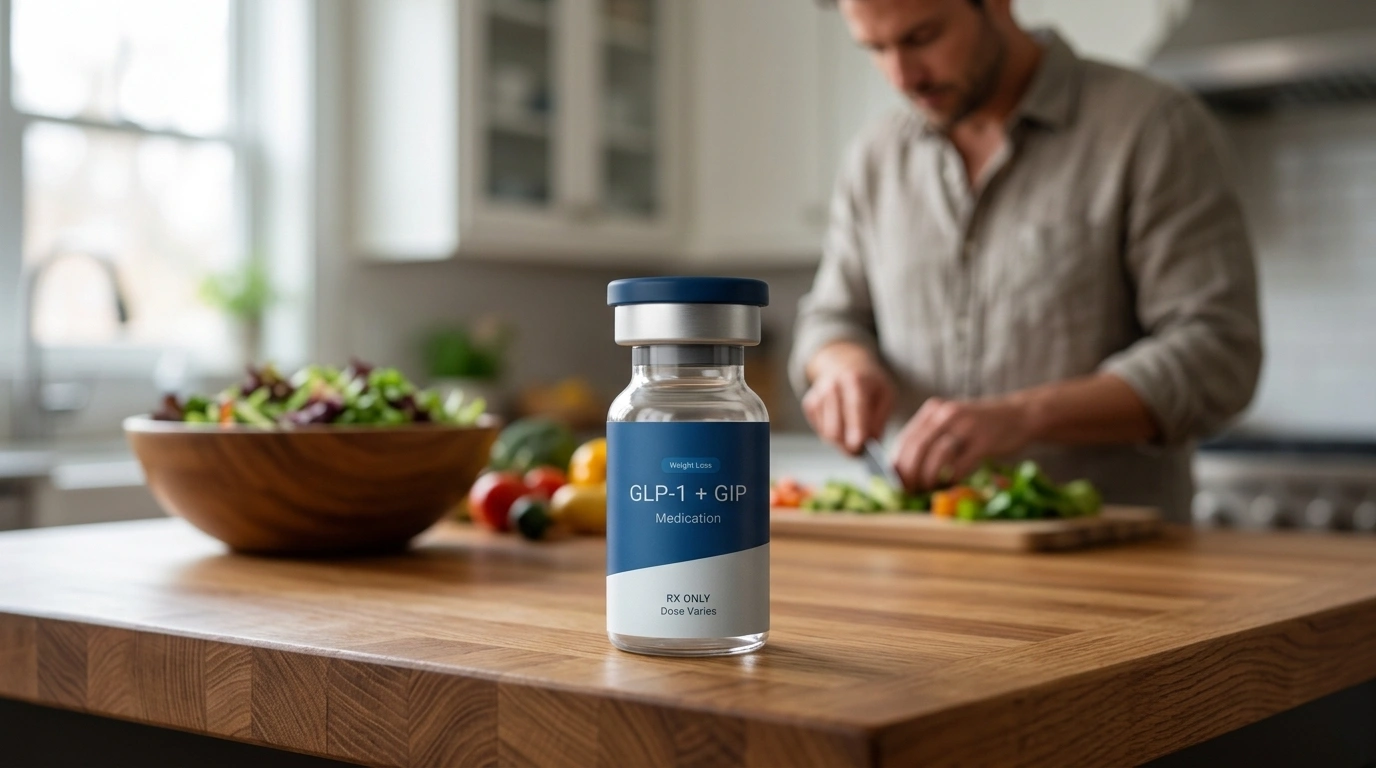
To understand why certain foods cause trouble, it is essential to understand how tirzepatide works. This medication is a dual GLP-1 (glucagon-like peptide-1) and GIP (glucose-dependent insulinotropic polypeptide) receptor agonist. In plain English, it mimics two hormones that naturally occur in your body to regulate blood sugar and appetite.
One of the primary ways it aids weight loss is by slowing down gastric emptying. This means food stays in your stomach for a significantly longer period than it used to. While this is excellent for feeling full on smaller portions, it creates a “traffic jam” if you eat foods that are difficult to break down. When food sits in the stomach too long, it can ferment or cause excess acid production, leading to the common side effects people report, such as nausea, heartburn, and “sulfur burps.”
For additional context, read this guide to what tirzepatide nausea can mean for digestion.
Key Takeaway: Because food leaves your stomach more slowly on this medication, eating heavy, greasy, or high-sugar foods can lead to significant digestive distress.
High-Fat and Fried Foods
High-fat foods are often the biggest culprit for side effects when taking medications like tirzepatide or Mounjaro®. Under normal circumstances, fat is already the slowest macronutrient to digest. When you add a medication that further delays gastric emptying, high-fat meals can sit in the stomach for hours or even days.
Fried foods, such as french fries, fried chicken, and onion rings, are particularly problematic. These items are often loaded with trans fats and saturated fats that irritate the stomach lining. When these fats linger in the digestive tract, they frequently trigger intense nausea, gallbladder strain, and greasy stools or diarrhea.
For more guidance on related symptoms, review this tirzepatide side effects guide.
Greasy Takeout and Heavy Sauces
It isn’t just deep-fried food that causes issues. Heavy cream-based sauces, buttery pasta dishes, and fatty cuts of red meat (like ribeye or brisket) can be just as disruptive. Many patients report that even a small amount of a high-fat sauce can trigger a “heavy” feeling that lasts for the rest of the day.
Better Alternatives
Instead of frying, focus on cooking methods that require little to no added fat.
- Grilling or broiling lean proteins.
- Air-frying for a crispy texture without the oil soak.
- Using lemon juice, vinegar, or fresh herbs for flavor instead of heavy butter or oil.
Sugary Foods and Refined Carbohydrates
Refined carbohydrates and high-sugar items can interfere with the blood sugar regulation benefits of your treatment. Tirzepatide is highly effective at improving insulin sensitivity, but flooding the system with simple sugars can lead to rapid “spikes and crashes.”
Sugary snacks, including candies, cookies, and pastries, often lead to what is known as “dumping syndrome” in some individuals. This occurs when sugar moves too quickly from the stomach into the small intestine, causing symptoms like shakiness, cold sweats, nausea, and rapid heart rate. Even if you do not experience full dumping syndrome, the combination of slowed digestion and high sugar often results in uncomfortable bloating and gas.
The Hidden Sugar Trap
Be cautious of “healthy” items that are secretly high in sugar, such as:
- Sweetened yogurts
- Certain protein bars with high sugar alcohol content
- Dried fruits
- White breads and highly processed cereals
Refined white flour acts much like sugar in the body. White bread, bagels, and regular pasta can sit in the stomach and expand, leading to a premature and uncomfortable feeling of fullness that may prevent you from eating the nutrient-dense proteins your body needs.
For broader nutrition ideas, explore this GLP-1 diet guide.
Carbonated and Sugary Beverages
What you drink is just as important as what you eat. Carbonated beverages, including sparkling water, soda, and beer, introduce air into a digestive system that is already moving slowly. This air often becomes trapped in the stomach, leading to painful bloating, pressure, and frequent burping.
Sugary drinks like fruit juices, sweet tea, and specialty coffee drinks are “empty calories” that can hinder your weight loss progress. Because tirzepatide reduces your overall appetite, every calorie you consume should ideally provide nutritional value. Drinking your calories in the form of sugar provides no satiety and can lead to the blood sugar fluctuations mentioned earlier.
Bottom line: Stick to still water, electrolyte-infused drinks without sugar, or herbal teas to stay hydrated without adding gas or unnecessary sugar to your digestive tract.
Alcohol Consumption
While there is no strict medical “ban” on alcohol for everyone using these medications, many people find their tolerance changes significantly. Alcohol is a gastric irritant. When combined with the slowed digestion caused by the medication, alcohol stays in contact with the stomach lining longer, which can worsen nausea and acid reflux.
Furthermore, alcohol is processed by the liver, which is also busy managing the metabolic changes brought about by your weight loss program. Alcohol can also lead to dehydration, a common side effect of GLP-1 treatments that can lead to headaches and fatigue.
Note: If you choose to drink, do so in moderation and monitor how your body reacts. Many people find they naturally lose the desire for alcohol while on this medication. Always consult your healthcare provider regarding alcohol use and potential interactions with your specific health profile.
High-Fiber and Gas-Producing Vegetables
This is often the most surprising category for many individuals. While fiber is generally healthy, “tough” fibers can be difficult to process when digestion is slowed. Cruciferous vegetables like broccoli, cauliflower, cabbage, and Brussels sprouts are notorious for causing gas.
In a stomach that is emptying slowly, these vegetables have more time to break down and release gases, which can lead to significant abdominal distension and discomfort. This doesn’t mean you should avoid vegetables entirely, but you may need to change how you prepare them.
Tips for Vegetable Consumption
- Cook them thoroughly: Raw vegetables are much harder to digest than steamed or roasted ones.
- Peel where possible: The skin of cucumbers, apples, or potatoes contains the toughest fiber.
- Start small: Introduce high-fiber foods in very small quantities to see how your stomach handles them.
Ultra-Processed Foods
Ultra-processed foods are typically designed to be hyper-palatable but offer very little in the way of actual nutrition. These include boxed snack cakes, frozen “TV” dinners, and highly processed deli meats. These foods often contain artificial preservatives, flavors, and emulsifiers that can irritate the gut.
Many people on a personalized weight loss program find that their taste buds change. Foods that are highly processed may begin to taste overly salty or chemically artificial. Following your body’s new cues and opting for “whole” foods—those with only one or two ingredients—is usually the best path toward avoiding the mysterious “upset stomach” that processed foods can cause.
Large Portions and Fast Eating
The “what” you eat is critical, but the “how” you eat is equally important. One of the most common mistakes is trying to eat the same portion sizes you were accustomed to before starting medication.
Because the signal of “fullness” takes a few moments to reach the brain, and because the stomach has less available space due to delayed emptying, eating a large meal quickly is a recipe for disaster. This often results in “the wall”—a moment where you suddenly feel painfully full, nauseated, or like the food is “sitting in your throat.”
For more practical guidance, read about taking tirzepatide with food.
The “20-Minute” Rule
It takes about 20 minutes for your brain to register that you are full.
- Eat slowly: Chew every bite thoroughly to aid the digestion process before the food even hits your stomach.
- Use smaller plates: This helps visually manage portion sizes.
- Stop before you’re full: Aim for “no longer hungry” rather than “stuffed.”
A Step-By-Step Guide to Transitioning Your Diet
If you are just starting your program with us, you don’t have to change everything overnight. Following a structured approach can help your body adjust to the medication more smoothly.
- Step 1: Prioritize Protein. / Target lean sources like chicken, turkey, fish, or tofu. Protein helps maintain muscle mass while you lose fat.
- Step 2: Hydrate Consistently. / Sip water throughout the day rather than gulping large amounts during meals, which can overfill the stomach.
- Step 3: Track Triggers. / Keep a simple log of what you eat and how you feel 2-4 hours later. This helps you identify personal “no-go” foods.
- Step 4: Eat Small, Frequent Meals. / If three large meals are too much, try five very small snack-sized meals to keep your energy up without overwhelming your digestion.
Optimizing Your Nutrition with TrimRx
At TrimRx, we understand that managing your diet is a personalized process. No two bodies react exactly the same way to Compounded Tirzepatide or other GLP-1 medications. Our program is designed to provide you with the medical oversight and support needed to navigate these changes.
While the medication handles the biological signals of hunger and insulin, your daily habits provide the fuel. To support this transition, some individuals find that targeted supplements can help bridge the gap. Our GLP-1 Daily Support is formulated to assist with common nutritional needs during weight loss, while the Weight Loss Boost supplement can complement your efforts by providing additional metabolic support.
You can also explore metabolic support during weight loss as part of your broader routine.
Key Takeaway: Success on tirzepatide is a partnership between the medication and your lifestyle choices. Avoiding high-fat, high-sugar, and gas-producing foods is the fastest way to feel your best.
Managing Common Side Effects Through Food
Even if you are careful, you may still experience some side effects as your body adjusts to the medication. Here is how to handle them:
Nausea
If you feel nauseated, stick to the BRAT diet (Bananas, Rice, Applesauce, Toast) for a meal or two. Avoid spicy or highly aromatic foods, as strong smells can often trigger further nausea. Ginger tea or peppermint can also be soothing.
For additional strategies, review this guide to what helps with nausea on tirzepatide.
Constipation
Slowed digestion can sometimes lead to constipation. Ensure you are getting enough water and “gentle” fiber like psyllium husk or cooked berries. If this persists, consult your healthcare provider about safe stool softeners or magnesium supplements.
Heartburn and Acid Reflux
Avoid lying down for at least two to three hours after eating. Avoid spicy foods, citrus, and caffeine, especially in the evening, as these can relax the esophageal sphincter and allow acid to rise.
Why Quality Matters
When you are eating significantly less, the quality of every bite becomes more important. You want to ensure your body is receiving the vitamins and minerals it needs to function. This is why a personalized program is so effective—it takes into account your specific health profile and goals.
We provide access to healthcare providers who can help you understand these nuances. Whether you are using Compounded Tirzepatide, Oral Semaglutide, or branded options like Zepbound® or Wegovy®, the dietary principles remain similar. The goal is to create an environment where the medication can work effectively without being hindered by inflammatory or difficult-to-digest foods.
If you are ready to explore your options, you can complete a free eligibility assessment.
Summary of Foods to Prioritize
While the focus of this article is what not to eat, knowing what to eat provides a helpful roadmap. Focus your diet around:
- Lean Proteins: White-meat poultry, white fish, egg whites, and lean legumes.
- Low-Glycemic Fruits: Berries, melon, and citrus (in moderation).
- Non-Cruciferous Vegetables: Zucchini, spinach, carrots, and green beans (cooked).
- Healthy Hydration: Water, bone broth, and herbal tea.
By shifting your focus to these easily digestible, nutrient-dense options, you significantly reduce the risk of the “stomach flu” feeling that many people associate with starting GLP-1 therapy.
Starting Your Journey
The path to sustainable weight loss is rarely a straight line, but having the right tools makes it much easier to navigate. Tirzepatide is a powerful tool for metabolic health, and by respecting the way it changes your digestion, you can enjoy the benefits of weight loss without the burden of constant digestive upset.
TrimRx is here to be your empathetic guide. Our telehealth-first approach means you can get the support you need from the comfort of your home. We offer a transparent process—from your initial free assessment quiz to receiving your medication from FDA-registered, inspected compounding pharmacies.
Conclusion
Success on tirzepatide is about more than just the medication; it is about learning to listen to your body’s new signals. By avoiding high-fat fried foods, sugary treats, and carbonated drinks, you give your digestive system the space it needs to process nutrients comfortably. Remember to eat slowly, prioritize protein, and stay hydrated. This journey is a marathon, not a sprint, and making these dietary adjustments will help you stay the course with confidence.
“Your weight loss journey is a commitment to your long-term health. By making mindful choices today, you are setting the stage for a more vibrant, energetic future.”
If you are ready to see if a personalized, medically supervised program is right for you, take the free assessment quiz.
FAQ
Can I eat spicy foods on tirzepatide?
While spicy foods do not interfere with the medication’s effectiveness, they are a common trigger for acid reflux and stomach irritation. Because the medication slows down how fast food leaves your stomach, spicy ingredients stay in contact with your stomach lining longer, which may cause significant discomfort for some people.
Why do I get “sulfur burps” after eating certain things?
Sulfur burps occur when food—especially proteins or high-fiber vegetables—sits in the stomach for an extended period and begins to break down or ferment. This produces gas that has a distinct “rotten egg” smell. Reducing portion sizes and avoiding heavy, fatty meals can help minimize this occurrence.
Is it okay to skip meals if I’m not hungry?
While you may not feel hungry, it is important to provide your body with consistent nutrition to maintain muscle mass and energy levels. Instead of skipping meals entirely, try having a small, protein-rich snack to ensure your metabolism stays supported and you don’t become lightheaded or fatigued.
If you are considering prescription support, find out if GLP-1 medications may be right for you.
Will I have to avoid these foods forever?
Many people find that as their body adjusts to the medication over several months, their sensitivity to certain foods decreases. However, most individuals discover that they naturally prefer “cleaner,” whole foods because they feel so much better when eating them. You may find your “trigger” foods change over time, so it is always best to listen to your body’s cues.
Disclaimer: This content is for informational purposes only and does not constitute medical advice. It is not intended to diagnose, treat, cure, or prevent any disease or condition. Individual results may vary. Always consult a qualified healthcare professional before starting any weight loss program or medication.

Transforming Lives, One Step at a Time
Keep reading

Starting Tirzepatide While on the Pill: The First Four Weeks
You have your first box and you take an oral contraceptive. There is a labeled instruction that applies to you, and the mistake almost…

Marathon Training on Tirzepatide When You Can’t Fuel
You have a plan on the fridge and a medication that has made eating feel optional. Those two things are in genuine conflict, and…

Paying Cash for Tirzepatide? Don’t Stretch Your Supply
When every vial comes out of your own pocket, the arithmetic is hard to ignore. If a month’s supply costs what it costs, and…


