What Time of Day to Take Tirzepatide for Best Results

Introduction
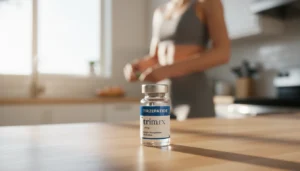
Standing in your kitchen with your medication ready, you might find yourself pausing to look at the clock. Is it better to take your dose now, or should you wait until right before bed? This is a common question for anyone beginning a weight loss journey with modern medications. While the clinical effectiveness of the treatment remains high regardless of the hour, the specific time you choose can significantly influence your daily comfort and how you manage potential side effects.
At TrimRx, we believe that understanding the nuances of your treatment is essential for long-term success. Whether you are using a branded medication or a version prepared by an FDA-registered compounding pharmacy, timing is about more than just biology—it is about fitting a powerful tool into your actual life. This post covers the factors that influence injection timing, how to minimize side effects through scheduling, and why consistency matters more than the specific hour on the clock. Choosing the right window for your weekly dose allows you to focus on your progress rather than your symptoms. If you are considering prescription treatment, you can complete a free eligibility assessment.
The Science of Tirzepatide Timing
Tirzepatide is a dual agonist, which means it works by mimicking two different hormones in your body: glucagon-like peptide-1 (GLP-1) and glucose-dependent insulinotropic polypeptide (GIP). These hormones help regulate blood sugar, slow down digestion, and signal to your brain that you are full. Unlike some medications that require daily administration, tirzepatide has a long half-life, meaning it stays active in your system for an extended period. This is why it is typically administered only once every seven days.
Because the medication builds up a “steady state” in your bloodstream over several weeks, the exact minute or hour you administer your dose does not change how the medication interacts with your receptors. The primary goal of the medication is to maintain a consistent level of hormone mimicry to support appetite suppression and metabolic health. However, many people find that their bodies react most strongly in the first 24 to 48 hours after an injection. This “peak” period is when the timing of your dose becomes most relevant for your lifestyle. For a broader explanation of weekly injection scheduling, read this tirzepatide timing guide.
Quick Answer: You can take tirzepatide at any time of day, with or without food. Most people choose their timing based on personal preference and side effect management, often opting for evening doses to sleep through initial nausea or weekend doses to allow for rest.
Morning vs. Evening Injections
When deciding between a morning or evening administration, there is no “wrong” answer, but there are distinct advantages to each approach depending on how your body responds to the medication.
The Case for Morning Injections
Choosing to take your dose in the morning allows you to monitor how you feel throughout the day. For individuals who do not experience significant nausea, a morning dose can be a helpful way to kickstart the “fullness” sensation as they head into their daily meals.
If you choose the morning, it is often helpful to have a small, protein-rich snack beforehand. While the medication does not require food for absorption, an entirely empty stomach may increase the sensation of queasiness for some. If you are someone who prefers to “set it and forget it” as part of your early routine, the morning might be your best fit.
The Case for Evening Injections
Many people find that taking their injection in the evening, shortly before bed, is the most effective way to manage early side effects. By administering the dose at night, you may be able to sleep through the initial rise of the medication in your system. This is particularly helpful if you experience mild dizziness or nausea shortly after administration. For additional strategies, see this guide to managing tirzepatide side effects.
Taking the dose at night also means that by the time you wake up, the medication has had several hours to begin working. This can lead to a reduced appetite starting with your very first meal of the next day. If you choose this route, ensure you stay hydrated throughout the previous day to keep your body supported as you sleep.
Choosing the Best Day of the Week
While the time of day is flexible, the day of the week you choose often has a much larger impact on your overall experience. Because the strongest effects (and potential side effects) often occur within the first two days following the dose, you should align your injection day with your weekly schedule.
The “Weekend Warrior” Strategy
Many individuals choose to take their dose on Friday evening or Saturday morning. This schedule allows the peak effects to occur over the weekend. If you experience fatigue or digestive changes, you have the flexibility to rest at home without it interfering with your professional responsibilities.
The “Weekday Focus” Strategy
Conversely, some people prefer to take their dose on a Monday or Tuesday. This ensures that appetite suppression is at its strongest during the work week, which can help those who struggle with office snacking or high-stress eating. If you generally feel energetic after your dose, a weekday start might help you stay disciplined during your busiest hours.
Key Takeaway: The biological efficacy of tirzepatide is not dependent on the clock, but your personal comfort is. Align your dose with a time that allows you to manage potential side effects without disrupting your work or social life.
Managing Side Effects Through Scheduling
The most common side effects of GLP-1 and GIP receptor agonists include nausea, diarrhea, and fatigue. These symptoms are usually temporary and occur most frequently when you first start the medication or when your dosage increases. Understanding the timeline of these symptoms can help you schedule your dose more effectively. This tirzepatide nausea guide offers more detail on why queasiness can occur.
The 24-48 Hour Window
Most patients report that if they are going to experience nausea, it usually begins roughly 6 to 12 hours after the injection and may last for a day or two. If you know that your “nausea window” is consistent, you can plan around it. For example, if you have a major presentation on Wednesday, you might want to avoid taking your dose on Tuesday morning.
Fatigue and Energy Levels
Some individuals experience a “dip” in energy levels the day after their injection. If you find yourself feeling particularly tired, scheduling your dose before a day of rest is ideal. This is why we often recommend that people starting their journey through our platform experiment with different days of the week until they find their “sweet spot.”
Note: If you experience severe or persistent side effects, it is important to consult with a licensed healthcare provider. They can help determine if your dosage needs adjustment or if there are other underlying factors at play.
Does Food Timing Matter?
One of the benefits of tirzepatide is that its absorption is not significantly affected by food. Unlike some oral medications that must be taken on a strictly empty stomach, this injectable medication can be administered whether you have just eaten or are in a fasted state. For more guidance, read about the best time to inject GLP-1 medications.
However, the type of food you eat around your injection time can make a difference in how you feel. Many people find that eating a heavy, high-fat, or greasy meal right before or after their injection increases the likelihood of stomach upset. Since the medication slows down gastric emptying (the speed at which food leaves your stomach), heavy meals can sit in the stomach longer, leading to discomfort or “sulfur burps.”
Recommendations for Food and Timing:
- Hydrate early: Drink plenty of water in the 24 hours leading up to your dose.
- Keep it light: Opt for a light meal focused on lean protein and fiber on your injection day.
- Avoid overeating: Because the medication starts working quickly to signal fullness, eating a large meal right after your dose might lead to feeling overly stuffed or nauseated.
Consistency and Changing Your Schedule
While the specific hour is flexible, consistency is the foundation of a successful program. Taking your medication on the same day every week helps maintain a stable level of the drug in your system. This stability is what leads to the sustained appetite suppression and metabolic benefits seen in clinical studies.
What if you need to change your day?
Life happens. You may have a vacation planned or a special event that conflicts with your usual injection day. Generally, you can change the day of your weekly dose as long as there are at least three days (72 hours) between doses. For more information about adjusting your schedule, read this guide to taking a tirzepatide shot early.
For example, if you usually take your dose on Sunday but want to move it to Friday, you can do so safely. If you want to move it from Sunday to Tuesday, that is also acceptable. Once you have shifted to the new day, simply continue with that new schedule for your subsequent doses.
Managing Missed Doses
If you miss a dose, the general rule of thumb is to take it as soon as you remember, provided it is within four days of the scheduled date. If more than four days have passed, it is often recommended to skip the missed dose and wait until your next regularly scheduled day. You should never take two doses at the same time to “make up” for a missed one.
The Importance of a Personalised Program
Every body is different. What works perfectly for one person might not be the ideal solution for another. This is where the value of a telehealth-based program becomes clear. Through our platform, we connect you with providers who understand these nuances.
When you participate in a program through TrimRx, your medical history and lifestyle are taken into account. Our providers can offer specific guidance on dose timing based on your unique reaction to the medication. This level of oversight ensures that you aren’t just following a generic set of instructions, but are instead following a plan designed for your specific needs. If you are ready to explore your options, you can see if you qualify for a personalized program.
Myth: You must take tirzepatide at the exact same hour every week for it to work. Fact: While the same day of the week is highly recommended for consistency, the specific hour does not impact the medication’s ability to support weight loss.
Supporting Your Journey with Nutrients
While tirzepatide focuses on the hormonal side of weight loss, your body still needs basic nutritional support to function at its best. Because your appetite will be significantly reduced, it becomes even more important to ensure that the food you do eat is nutrient-dense.
Many people on GLP-1 or GIP medications find that they struggle to get enough of certain vitamins and minerals. This is why we offer quick-access supplements like GLP-1 Daily Support and Weight Loss Boost. These are designed to complement your program by providing the essential nutrients your body needs when your caloric intake is lower. These supplements do not require a prescription and can be a helpful addition to your routine, regardless of what time of day you take your medication.
Clinical Context: Branded vs. Compounded Tirzepatide
It is helpful to understand the different forms of this medication. Branded medications like Mounjaro® and Zepbound® are FDA-approved for specific uses, such as type 2 diabetes and chronic weight management. These medications are typically provided in pre-filled pens.
On the other hand, many people access this treatment through compounded tirzepatide. Compounded medications are prepared by licensed pharmacists to meet the specific needs of an individual patient. While compounded tirzepatide itself is not FDA-approved, the pharmacies we work with are FDA-registered and inspected, ensuring high standards of quality and safety.
Regardless of whether you are using a branded pen or a compounded vial, the active ingredient works the same way. The rules for timing, side effect management, and consistency remain the same across both formats.
Preparing for Your Telehealth Consultation
If you are considering starting this journey, the first step is an honest conversation with a healthcare professional. At TrimRx, we facilitate this through a free assessment quiz. This quiz helps a provider review your health profile, BMI, and goals to determine if you are a candidate for a tirzepatide program.
During your consultation, you might want to ask:
- Based on my work schedule, which day of the week do you recommend for my first dose?
- What should I do if I experience nausea in the first few hours?
- How should I adjust my hydration if I choose evening injections?
- Are there specific supplements that would help with my energy levels?
Being prepared with these questions helps your provider give you the most relevant advice for your lifestyle.
Summary of Best Practices for Timing
To get the most out of your treatment and ensure a comfortable experience, keep these best practices in mind:
- Be Strategic: Choose a day of the week where you have the flexibility to rest if needed.
- Listen to Your Body: If you feel nauseous after morning doses, try switching to the evening for your next dose.
- Stay Hydrated: Water intake is critical, especially in the hours leading up to and following your injection.
- Don’t Overthink the Hour: Focus on the day of the week first; the specific time is a secondary tool for your comfort.
- Keep it Consistent: Once you find a time and day that works, stick with it to keep the medication levels stable.
Bottom line: While the biological effectiveness of tirzepatide is constant throughout the day, choosing a time that minimizes side effects—such as evening administration—can make your weight loss journey much more sustainable.
Conclusion
Finding the right time of day to take tirzepatide is a personal process of trial and observation. For many, an evening injection on a Friday provides the perfect balance of sleeping through early side effects and having the weekend to adjust. For others, a Tuesday morning dose keeps them on track during their busiest work days. The flexibility of this once-weekly medication is one of its greatest strengths, allowing it to adapt to your life rather than forcing you to adapt to it.
At TrimRx, our mission is to provide you with the tools, science, and professional support you need to make these decisions with confidence. We are committed to a transparent, empathetic approach that prioritizes your long-term health and well-being. By combining modern medication with a personalized plan, you can stop worrying about the clock and start focusing on the results.
If you are ready to see how a tailored program can support your goals, the next step is simple. Take our free assessment quiz to connect with a licensed provider and discover if a personalized weight loss program is right for you.
FAQ
Can I take tirzepatide on an empty stomach?
Yes, you can take tirzepatide with or without food. Its absorption is not affected by the presence of food in your stomach, though some people find that a light snack helps prevent initial nausea.
What should I do if I want to change my injection day?
You can change your injection day as long as there are at least three days (72 hours) between your last dose and your new scheduled dose. Once you have made the switch, simply continue with the new day every week.
Does taking it at night reduce nausea?
Many patients find that an evening or nighttime injection allows them to sleep through the peak period of initial side effects. If you struggle with daytime queasiness after your dose, switching to an evening schedule may help. You can also review these tirzepatide nausea management tips.
Is it okay if I take my dose a few hours later than usual?
Yes, the specific hour of the day is not critical for the medication’s effectiveness. As long as you take your dose on the same day each week, a variation of a few hours will not impact your results.
Disclaimer: This content is for informational purposes only and does not constitute medical advice. It is not intended to diagnose, treat, cure, or prevent any disease or condition. Individual results may vary. Always consult a qualified healthcare professional before starting any weight loss program or medication.

Transforming Lives, One Step at a Time
Keep reading

Should You Taper Off Tirzepatide or Just Stop? What the Evidence Says
There is very little direct evidence either way, and anyone who tells you otherwise is filling a gap with confidence. The withdrawal trials that…
Stalled on Tirzepatide Even After a Dose Increase: Your Options
The first thing to check is how long it has been since the increase, because most people ask this question too early. A dose…

Why Did Tirzepatide Stop Working After Three Months of Fast Loss?
Five things explain almost all of it, and the first is the least satisfying: the fast stretch was never going to last. Weight loss…


