What Is Microdosing Tirzepatide for Weight Loss
Introduction
The journey toward sustainable weight loss often feels like a series of extremes—restrictive diets, intense exercise regimes, or medications that, while effective, can sometimes feel overwhelming to the system. If you have researched GLP-1 medications, you may have encountered the term “microdosing” and wondered how it applies to modern weight management. At TrimRx, we believe that understanding the nuances of your treatment is the first step toward a successful health transformation. Microdosing tirzepatide involves using smaller, more frequent doses than the standard manufacturer-recommended schedule to achieve metabolic benefits while potentially minimizing discomfort. This article explains the science behind this approach, how it differs from traditional dosing, and why a personalized, medically supervised plan is essential for safety and efficacy.
What is Microdosing Tirzepatide?
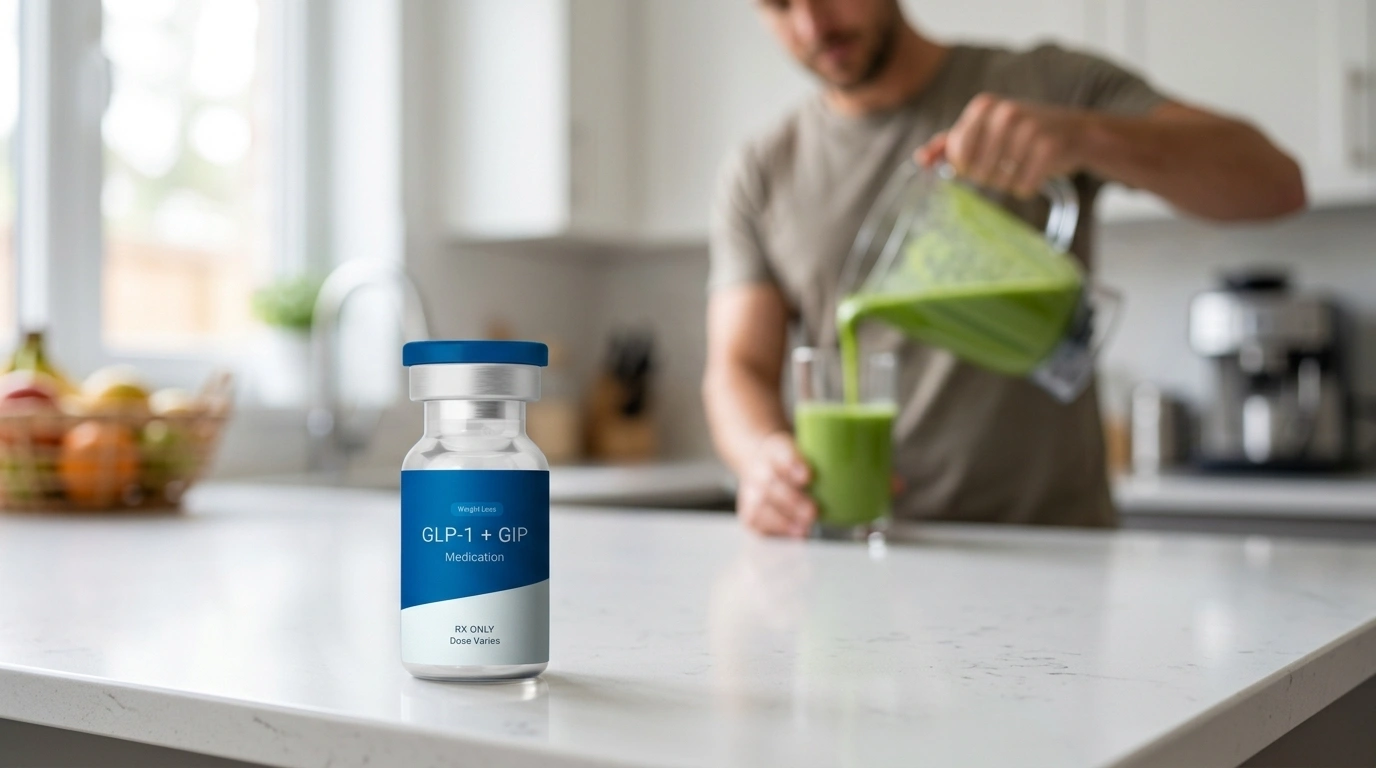
Microdosing tirzepatide refers to the practice of administering the medication in amounts smaller than the standard starting dose or at different intervals than the typical weekly injection. In a clinical setting, tirzepatide is a dual-agonist medication, meaning it mimics two different hormones in the body: glucagon-like peptide-1 (GLP-1) and glucose-dependent insulinotropic polypeptide (GIP). These hormones work together to regulate blood sugar, slow gastric emptying, and signal fullness to the brain.
The standard titration schedule for branded medications like Mounjaro® or Zepbound® usually begins at 2.5 mg once per week. For some individuals, however, this starting point may feel too potent, leading to gastrointestinal sensitivity. Microdosing is a personalized strategy where a healthcare provider might prescribe a lower initial amount—such as 1.0 mg or 1.5 mg—to allow the body to acclimate more gently to the hormonal changes.
Quick Answer: Microdosing tirzepatide is an off-label dosing strategy where an individual takes smaller amounts of the medication than the standard 2.5 mg starting dose. The goal is often to reduce side effects or achieve a more gradual introduction of the medication into the metabolic system.
It is important to note that microdosing should never be attempted without the direct oversight of a licensed healthcare professional. Because tirzepatide is a powerful metabolic tool, precise measurements and sterile administration are critical to preventing complications or sub-therapeutic results. If you are considering treatment, complete a free eligibility assessment so a provider can evaluate whether a personalized program may be appropriate.
The Science of Tirzepatide: A Dual-Action Mechanism
To understand why someone might consider microdosing, it is helpful to look at how the molecule actually functions. Tirzepatide is what scientists call a receptor agonist. An agonist is a substance that initiates a physiological response when combined with a receptor.
Tirzepatide is unique because it targets two specific receptors:
- GLP-1 Receptors: These are located in the gut and the brain. They help slow down how quickly your stomach empties (gastric emptying) and tell your brain that you are full.
- GIP Receptors: These play a role in fat metabolism and help the body respond better to insulin. Research suggests that the addition of GIP may help reduce some of the nausea often associated with pure GLP-1 medications.
By activating both pathways, the medication addresses the biological roots of “food noise”—those intrusive, constant thoughts about eating. For many, this dual action is highly effective for weight loss. However, because the medication is so active in the digestive system, the initial “loading” phase can be a transition for the body. This is where the concept of a “low and slow” approach, or microdosing, often enters the conversation.
Why Individuals Consider Microdosing Strategies
The primary motivation for exploring microdosing is usually tolerability. While many people handle the standard 2.5 mg starting dose well, others are more sensitive to hormonal shifts. For additional context, review this guide to tirzepatide side effects and management.
Managing Side Effects
The most common side effects of tirzepatide are gastrointestinal, including nausea, bloating, or indigestion. By starting with a “micro” amount, a patient may bypass the most intense period of adjustment. This allows the digestive tract to adapt to slower gastric emptying at a more manageable pace.
Precision and Control
Some individuals find that they reach their “sweet spot”—a dose where hunger is controlled but they can still enjoy nutritious meals—at a level lower than the standard increments (5 mg, 7.5 mg, 10 mg, etc.). Personalized programs allow for this level of nuance, ensuring that the medication supports a healthy lifestyle rather than making the patient feel unwell.
Maintaining “Food Noise” Reduction
For some, the goal isn’t the fastest weight loss possible, but the most sustainable. Microdosing may help maintain the suppression of intrusive food thoughts without causing the total appetite suppression that can lead to undereating or nutritional deficiencies.
Key Takeaway: Microdosing is primarily used to improve the patient experience by finding the minimum effective dose that provides appetite control with the fewest possible side effects.
The Role of Compounded Tirzepatide in Personalized Dosing
When discussing microdosing, the format of the medication matters significantly. Branded versions of tirzepatide, such as Mounjaro® and Zepbound®, are typically delivered in single-use, pre-filled auto-injector pens. These pens are set to specific doses (e.g., 2.5 mg or 5 mg) and cannot be easily adjusted for microdosing.
This is where Compounded Tirzepatide becomes a relevant option. Compounded medications are prepared by licensed pharmacists in FDA-registered and inspected compounding pharmacies. These pharmacies can prepare the medication in vials, which allows for more flexible dosing as directed by a healthcare provider.
Important Compliance Note:
Compounded tirzepatide is not FDA-approved in the same way branded drugs are. However, it is an essential resource during periods of drug shortages or when a patient requires a personalized strength not available in commercial products. At TrimRx, we connect our members with providers who can determine if a compounded format is appropriate for their specific health profile and goals. You can see if you qualify for a personalized program through the assessment process.
The Importance of Medical Supervision in Telehealth
While the internet is full of anecdotal advice about “splitting doses” or “microdosing,” these practices carry significant risks if done without professional guidance. Weight loss is a clinical process that involves changes to your insulin levels, heart rate, and hydration status. For more information, read how telehealth tirzepatide works.
Why Supervision is Non-Negotiable:
- Dose Accuracy: Calculating “micro” amounts requires precise knowledge of the medication’s concentration. An error could lead to taking too much or too little, rendering the treatment ineffective or unsafe.
- Monitoring for Complications: A provider needs to monitor for rare but serious issues, such as gallbladder problems or pancreatitis, which can occur regardless of the dose size.
- Lab Work Review: Metabolic health cannot be judged by the scale alone. Regular review of blood markers ensures the medication is helping your body, not causing unnecessary stress.
Our platform facilitates this connection between technology and clinical expertise. By utilizing telehealth, you can have ongoing conversations with a provider about how you are feeling, allowing them to adjust your dose with precision based on your real-time feedback.
Standard Titration vs. Microdosing: Which is Right?
The “right” way to take tirzepatide is the way that works for your unique biology. Most clinical trials for tirzepatide followed a strict 4-week titration schedule. This means patients stayed on 2.5 mg for four weeks, then moved to 5 mg for four weeks, and so on.
Standard Titration is often best for:
- Individuals who have used GLP-1 medications before without issues.
- Those with a higher BMI who require a more aggressive metabolic intervention.
- Patients who prefer the convenience of pre-filled, weekly pens.
Microdosing (Low-Dose Initiation) may be considered for:
- “Highly sensitive” individuals who historically react strongly to new medications.
- Individuals who experience significant nausea on the 2.5 mg starting dose.
- Those who want to find the lowest effective dose to sustain long-term weight maintenance.
Bottom line: While standard dosing is the evidence-based norm, microdosing is a patient-centered alternative that prioritizes comfort and long-term adherence under medical supervision.
Steps to Success with a Personalized Program
If you are considering a more tailored approach to weight loss, the process should be methodical and safe. Here is how a typical journey unfolds when prioritizing personalization:
Step 1: Complete a Health Assessment
Start by providing a detailed medical history. This includes any previous experience with weight loss drugs, your current BMI, and any underlying conditions like thyroid issues or digestive disorders.
Step 2: Consult with a Licensed Provider
A provider will review your assessment to determine if tirzepatide—standard or micro-dosed—is appropriate for you. They will discuss your goals and help set expectations for the first few weeks of treatment.
Step 3: Receive Your Medication and Supplies
If prescribed, your medication is shipped from a pharmacy to your door. If you are using a vial and syringe format (common for compounded versions), you will receive specific instructions on how to measure your dose accurately.
Step 4: Ongoing Monitoring and Support
This is the most critical step. You should have 24/7 access to a team that can answer questions about side effects, dosing schedules, and lifestyle adjustments.
Managing Side Effects and Nutrient Gaps
Regardless of whether you choose a standard dose or a microdose, your body needs extra support during weight loss. When you eat less, you run the risk of missing out on essential vitamins and minerals. Furthermore, even small doses of tirzepatide can lead to mild digestive changes.
To optimize your experience, consider the following:
- Hydration: GLP-1 and GIP agonists can change your thirst signals. Drinking plenty of water with electrolytes is essential.
- Protein Intake: To protect muscle mass while losing fat, aim for high-protein meals.
- Targeted Supplements: Products like GLP-1 Daily Support are designed to fill the nutrient gaps that often occur when appetite is suppressed.
If you find that even a microdose causes occasional “sour stomach” or fatigue, these supportive measures can make a significant difference in your daily quality of life. For additional nutrition guidance, explore what to eat while taking a GLP-1 medication.
The Future of Metabolic Health and Precision Medicine
The rise of interest in microdosing highlights a broader shift in healthcare toward precision medicine. We are moving away from the idea that every person with a high BMI needs the exact same milligram of medication. Every metabolism is different, and every person’s “hormonal thermostat” is set to a different level.
By focusing on a personalized program, you aren’t just “going on a diet.” You are using advanced science to recalibrate your body’s relationship with food. Whether that involves a standard weekly injection or a more conservative micro-dosing schedule, the ultimate goal remains the same: sustainable, healthy weight loss that improves your overall quality of life.
Conclusion
Microdosing tirzepatide is a modern, patient-focused strategy designed to make the power of dual-agonist therapy accessible to those who need a gentler start. By focusing on smaller increments and careful titration, individuals can often manage the common side effects of weight loss medications while still seeing meaningful metabolic progress. At TrimRx, our mission is to provide the clinical expertise, high-quality medication access, and continuous support necessary to navigate these choices safely. We believe that weight loss should be a personalized experience, not a “one-size-fits-all” mandate.
If you are ready to see if a tailored program is right for you, the next step is simple. By engaging with a dedicated team of specialists, you can move away from the frustration of failed diets and toward a science-backed plan built specifically for your body. Complete a free eligibility assessment to begin the process.
Key Takeaway: Success in weight loss isn’t defined by the speed of the journey, but by the sustainability of the results. Personalized dosing is a tool to help you reach that finish line comfortably.
FAQ
Is microdosing tirzepatide more effective than the standard dose?
Microdosing is not necessarily “more effective” in terms of total weight loss, but it may be more effective for adherence. If a patient can stay on a lower dose comfortably without quitting due to side effects, they are more likely to see long-term success than someone who starts at a high dose and stops treatment early.
Can I microdose using branded Mounjaro® or Zepbound® pens?
Standard pre-filled pens for Mounjaro® and Zepbound® are designed to deliver a single, fixed dose and are not intended to be adjusted. If a provider determines that a non-standard dose is necessary, they may explore Compounded Tirzepatide, which is dispensed in vials and allows for precise measurement of smaller amounts.
What are the risks of microdosing without a doctor?
Attempting to adjust your medication without professional guidance is dangerous. You risk improper dosing, which can lead to severe metabolic swings, or using incorrect administration techniques that increase the risk of infection. Always consult a licensed healthcare provider to manage your dosing schedule. Review your options through a free assessment.
How do I know if I should start with a microdose?
This decision should be made during your medical consultation. If you have a history of being highly sensitive to medications, or if you are concerned about specific side effects like nausea, your provider may suggest a “start low, go slow” approach to help your body adapt. You can also review practical ways to manage nausea on GLP-1 medications before speaking with your provider.
Disclaimer: This content is for informational purposes only and does not constitute medical advice. It is not intended to diagnose, treat, cure, or prevent any disease or condition. Individual results may vary. Always consult a qualified healthcare professional before starting any weight loss program or medication.

Transforming Lives, One Step at a Time
Keep reading

Marathon Training on Tirzepatide When You Can’t Fuel
You have a plan on the fridge and a medication that has made eating feel optional. Those two things are in genuine conflict, and…

Hormone Replacement Therapy and Tirzepatide: Is There an Interaction?
The question that matters is whether your hormone therapy is oral or transdermal, because that determines whether the one plausible interaction applies to you….

Can You Build Muscle While Losing Weight on Tirzepatide?
Possible for some people and unlikely for others, and the difference is mostly about where you are starting from. Someone new to resistance training…


