How Many mg Is 20 Units of Tirzepatide?
Introduction
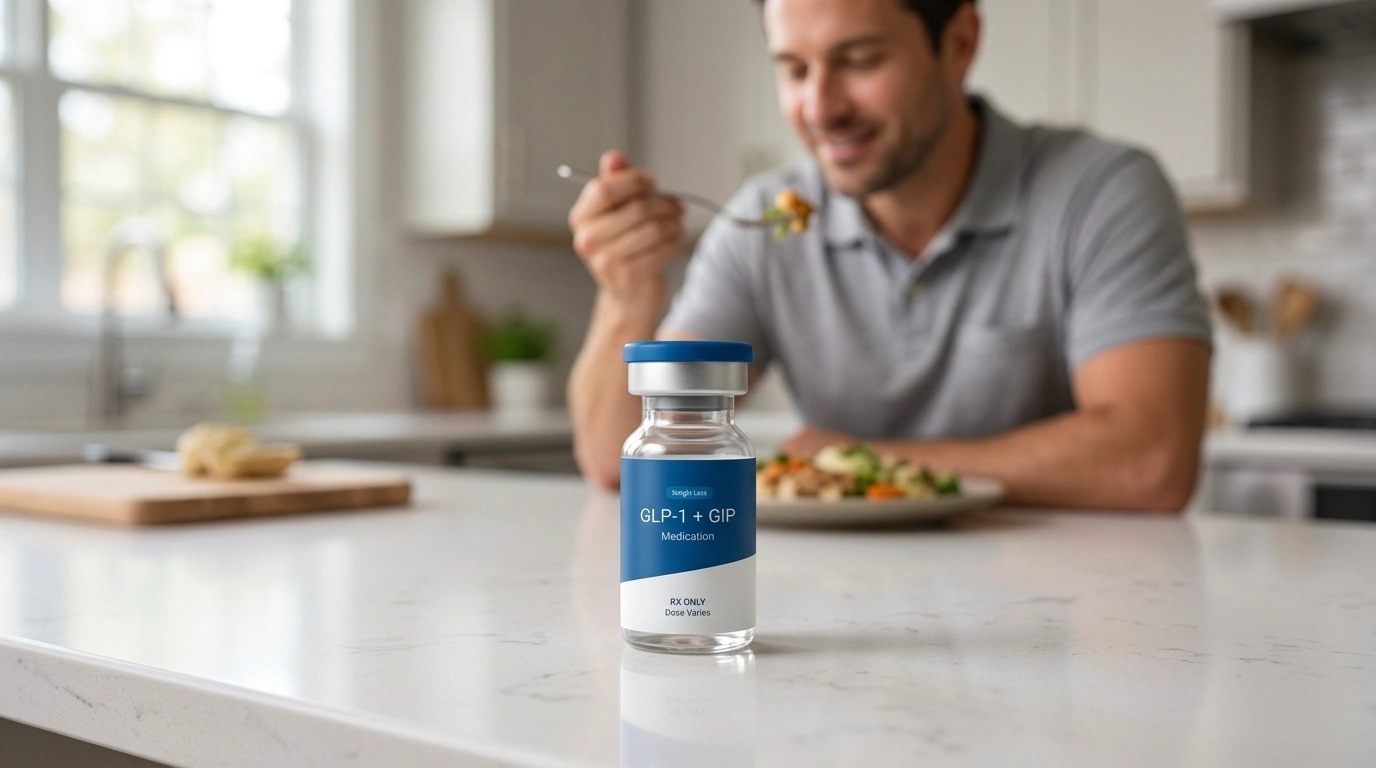
Standing in front of the bathroom mirror with a small vial and a syringe can feel like a high-stakes math problem. If you have been prescribed tirzepatide for weight management, you may have noticed that your dosage instructions are sometimes listed in “units” on the syringe, while the clinical studies and medication guides talk about “milligrams.” This creates a common point of confusion: how many mg is 20 units of tirzepatide? Because the answer depends entirely on the concentration of the liquid in your specific vial, there is no single universal number.
At TrimRx, we believe that understanding the mechanics of your treatment is essential for safety and peace of mind. This article will explain the vital distinction between volume and weight, how to calculate your specific dose based on your prescription, and what to expect as you navigate your metabolic health journey. Our goal is to provide a clear, supportive framework so you can focus on your progress rather than the math. If you are exploring whether a medically supervised prescription program may be appropriate, you can complete a free eligibility assessment.
Quick Answer: On a standard U-100 insulin syringe, 20 units is equal to 0.2 milliliters (mL) of liquid. The number of milligrams (mg) in those 20 units depends on the concentration of your medication; for example, if your tirzepatide is 10mg/mL, 20 units equals 2mg.
Understanding the Difference Between Units and Milligrams
The most important step in managing your medication is recognizing that “units” and “milligrams” measure two different things. When a healthcare provider talks about your dose of tirzepatide, they are referring to the weight of the active ingredient, which is measured in milligrams (mg). When you look at a syringe, you are looking at units, which measure the volume of liquid.
To use an everyday analogy, think of a cup of coffee. The “units” are the total amount of liquid in the mug, while the “milligrams” would be the amount of caffeine dissolved in that liquid. You could have a very small cup of espresso with a lot of caffeine, or a large cup of decaf with very little. In the world of weight loss medications, the “strength” or “concentration” of the liquid determines how many milligrams are packed into every unit.
What Is a Unit?
In the context of subcutaneous injections—injections given into the fatty tissue just under the skin—a unit is a standardized measurement of volume. Most patients use a U-100 insulin syringe. On these syringes, 100 units is equal to 1 milliliter (mL) of liquid. Therefore, 1 unit is 0.01 mL. When your provider instructs you to draw up 20 units, you are drawing up 0.2 mL of fluid. For another explanation of this distinction, review this guide to tirzepatide doses in units.
What Is a Milligram?
A milligram is a unit of mass. Tirzepatide dosages for weight management typically range from 2.5mg up to 15mg per week. Because the medication is concentrated into a liquid form for injection, the manufacturer or compounding pharmacy determines how much liquid is needed to hold that specific weight of medication.
How to Calculate mg from Units
To find out exactly how many milligrams are in your 20-unit dose, you must look at the concentration listed on your medication vial. This is usually written as a ratio, such as “10mg/mL” or “5mg/0.5mL.” You can also review this guide to converting tirzepatide units and milligrams for additional examples.
The Standard Concentration Calculation
If your medication vial says 10mg/mL, it means there are 10 milligrams of tirzepatide in every 1 milliliter of liquid. Since 100 units equals 1 mL, we can break it down like this:
- 100 units = 10mg
- 10 units = 1mg
- 20 units = 2mg
However, if your vial is more concentrated—for example, 20mg/mL—the math changes:
- 100 units = 20mg
- 10 units = 2mg
- 20 units = 4mg
Common Tirzepatide Concentrations
Compounding pharmacies, which are FDA-registered and inspected facilities that prepare customized medications, may use different concentrations to make the injection volume more comfortable for the patient. A common concentration for tirzepatide is 10mg per 0.5mL (which is effectively 20mg/mL). In this specific scenario, a 2.5mg dose would be 12.5 units, and a 5mg dose would be 25 units. This is why 20 units does not represent the same weight for every patient. For more information about starting doses, read this tirzepatide starting-dose guide.
| Concentration on Vial | mg in 10 Units | mg in 20 Units | mg in 50 Units |
|---|---|---|---|
| 5 mg / mL | 0.5 mg | 1.0 mg | 2.5 mg |
| 10 mg / mL | 1.0 mg | 2.0 mg | 5.0 mg |
| 20 mg / mL | 2.0 mg | 4.0 mg | 10.0 mg |
| 25 mg / mL | 2.5 mg | 5.0 mg | 12.5 mg |
Key Takeaway: Never assume your dose based on someone else’s experience. Always verify the concentration (mg/mL) on your specific vial and match it to the instructions provided by your clinical team to ensure you are receiving the correct weight of medication.
Why Tirzepatide Dosing is Unique
Tirzepatide is a dual-receptor agonist. This means it mimics two natural hormones in your body: glucagon-like peptide-1 (GLP-1) and glucose-dependent insulinotropic polypeptide (GIP). While older medications like semaglutide only target the GLP-1 receptor, tirzepatide’s dual-action approach often requires a very specific titration schedule to help the body adjust to the hormonal changes.
The Titration Process
Titration is the process of starting at a low dose and gradually increasing it over several months. For tirzepatide, the standard starting dose is often 2.5mg per week for the first four weeks. This low dose is generally not intended for significant weight loss but rather to help your digestive system adapt to the medication. This step-by-step tirzepatide dosing schedule offers additional context about gradual dose increases.
If you are on 20 units and your concentration results in a 2.5mg dose, you are likely in the initiation phase of your program. If your concentration results in a 5mg dose, you have likely moved into the first level of “therapeutic” dosing.
Why Precision Matters
Because tirzepatide affects how quickly your stomach empties and how your brain perceives hunger, taking too much too soon can lead to significant gastrointestinal discomfort. Conversely, taking too little may result in a plateau. This is why accurately converting 20 units into the correct milligram weight is vital for both safety and efficacy.
Branded vs. Compounded Tirzepatide
When discussing units, it is important to distinguish between branded medications and those prepared by compounding pharmacies.
Branded medications like Mounjaro® and Zepbound® (both of which are trademarked products not affiliated with TrimRx) are typically delivered via single-dose “auto-injector” pens. With these pens, the patient does not need to worry about units or milligrams; they simply press the pen against the skin, and the device delivers the pre-measured dose. These branded options are FDA-approved for specific uses like Type 2 diabetes or chronic weight management.
On the other hand, many patients choose to access their treatment through telehealth platforms that partner with FDA-registered compounding pharmacies. These pharmacies prepare compounded tirzepatide, which is shipped in a multi-dose vial. In this case, the patient is responsible for drawing the medication into a syringe. This is where the “unit” measurement becomes the primary way you interact with your medication. For a broader overview, read about what to expect with your first dose of tirzepatide.
Note: While compounded medications are prepared in facilities that must follow strict quality standards, the compounded versions of tirzepatide themselves are not FDA-approved in the same way branded drugs are. We ensure that all medications provided through our partner pharmacies meet rigorous safety protocols.
The Role of the Syringe in Your Dosage
If you are measuring 20 units, you are likely using a U-100 insulin syringe. These syringes are designed for accuracy with small volumes of liquid. Understanding how to read the markings on your syringe is the best way to prevent dosing errors.
- The Markings: Most 0.5mL or 1.0mL syringes have lines representing every 1 or 2 units.
- The Plunger: When drawing your medication, the top ring of the black rubber plunger (the side closest to the needle) should line up exactly with the “20” mark.
- Air Bubbles: Air bubbles take up space in the syringe but contain no medication. If you have a large bubble, you might be getting 18 units of medication and 2 units of air, which slightly alters your milligram dose.
Bottom line: 20 units is exactly 0.2mL of volume. To know the milligrams, you must multiply 0.2 by the concentration (mg/mL) listed on your medication vial.
Managing Your Journey with TrimRx
At TrimRx, we recognize that the transition to injectable medication can feel overwhelming. Our telehealth platform is designed to remove the guesswork. When you join our program, you are not just getting a prescription; you are getting a personalized plan supervised by licensed healthcare providers.
Personalization Beyond the Dose
Weight loss is not a one-size-fits-all experience. A dose that works for one person may be too high or too low for another. By using our free assessment quiz, you provide the necessary health data that allows providers to determine the most appropriate starting dose for your body. This personalized approach ensures that whether your dose is 20 units or 50 units, it is tailored to your metabolic needs.
Support for Side Effects
When starting a new dose, some individuals may experience mild side effects like nausea or indigestion. This is often a sign that the GLP-1 and GIP receptors are beginning to influence your metabolic rate and digestion. To support your body during this time, we offer quick-access supplements that do not require a prescription.
For instance, our GLP-1 Daily Support supplement is designed to provide essential nutrients that may be lacking when your appetite decreases. Similarly, Weight Loss Boost can help maintain energy levels as your body shifts into a calorie deficit. These tools work in tandem with your medication to create a more comfortable and sustainable experience.
Best Practices for Safe Injection
Once you have confirmed how many milligrams are in your 20 units of tirzepatide, following a consistent injection routine can improve your results.
Step 1: Wash your hands and clean the top of the vial with an alcohol swab. / This prevents bacteria from entering the vial and contaminating the remaining medication.
Step 2: Draw air into the syringe. / Pull the plunger back to the 20-unit mark. Inject this air into the vial to create pressure, which makes it easier to draw the liquid out.
Step 3: Draw the medication. / Turn the vial upside down and slowly pull the plunger back until the top of the black stopper reaches the 20-unit line. Tap the syringe to remove any air bubbles.
Step 4: Choose your injection site. / The abdomen (at least two inches away from the belly button), the front of the thigh, or the back of the upper arm are the most common sites. Rotate your injection site every week to avoid skin irritation.
Step 5: Dispose of the syringe safely. / Always use a puncture-proof sharps container for used needles. Never reuse a syringe, as this increases the risk of infection and dulls the needle, making injections more painful.
Factors That Influence Your Dose
Your healthcare provider may adjust your dosage based on several factors. If you are currently on 20 units and not seeing the results you expected, or if you are feeling significant side effects, your provider may choose to adjust the volume or the concentration of your medication.
- Weight Loss Velocity: The goal is usually a steady, sustainable loss of 1–2 pounds per week. If loss is too rapid, your dose may be held steady.
- Appetite Suppression: If you find that “food noise” or cravings return before your next scheduled dose, it may be time to titrate up.
- Tolerance: Your body’s ability to handle the medication determines how quickly you can move from a lower unit count to a higher one.
If you ever feel unsure about your dose, it is essential to consult your licensed healthcare professional before making any changes. They can provide the clinical guidance needed to ensure your treatment remains safe and effective.
The Importance of Professional Supervision
While it is helpful to understand the math behind your dose, you should never attempt to adjust your milligrams or units on your own. Tirzepatide is a potent medication that significantly alters your endocrine system.
Working through a platform like ours ensures that every adjustment is backed by medical expertise. Our dedicated team of specialists is available to answer questions about your dosing, help you manage side effects, and provide the encouragement you need to stay on track. This telehealth-first model means you can get the care you need without the inconvenience of waiting rooms or in-person visits.
Key Takeaway: Precision in dosing is the foundation of a successful weight loss journey. By understanding the relationship between units and milligrams, you become an active and informed participant in your own health.
Beyond the Syringe: A Holistic View
Medication is a powerful tool, but it is most effective when integrated into a healthier lifestyle. The “20 units” you take each week are a catalyst for change, but they work best when supported by adequate protein intake, hydration, and movement.
As tirzepatide slows gastric emptying, you may feel full much longer. This makes the quality of the food you eat more important than ever. Focusing on nutrient-dense meals ensures that while you are eating less, your body is still getting the fuel it needs to maintain muscle mass and bone density. This is another area where supplements like our GLP-1 Daily Support supplement can play a vital role, bridging the gap between your reduced appetite and your body’s nutritional requirements.
Conclusion
Determining how many mg is 20 units of tirzepatide is a critical step in your treatment, but it is one that requires looking closely at your specific prescription label. In most common concentrations, 20 units will equal either 2mg or 4mg, but variations are frequent in the world of personalized medicine. By mastering the math and the mechanics of your injections, you gain control over your journey.
Our mission at TrimRx is to help you embrace a healthier lifestyle through science, empathy, and transparency. We provide the platform, the personalized programs, and the professional support necessary to navigate these complexities with confidence. Whether you are just starting at a low unit count or are titrating to a higher therapeutic dose, we are here to ensure your path to sustainable weight loss is clear, safe, and effective.
If you are ready to take the next step in your metabolic health journey, the first move is simple. You can begin with a free eligibility assessment to see which personalized program is right for you.
FAQ
Is 20 units the same as 20 mg of tirzepatide?
No, 20 units is a measurement of liquid volume, while 20 mg is a measurement of the medication’s weight. On a standard syringe, 20 units is only 0.2 mL of liquid, and since the maximum weekly dose of tirzepatide is typically 15 mg, a 20 mg dose would be higher than standard treatment protocols.
What should I do if I accidentally take the wrong number of units?
If you realize you have taken more or less than your prescribed dose, contact your healthcare provider immediately. Taking too much may lead to severe nausea or vomiting, while taking too little may temporarily stall your progress. Your provider will give you specific instructions on when to take your next dose.
Can I use the same concentration calculation for semaglutide?
While the math for converting units to mL is the same (100 units = 1 mL), the concentration of semaglutide vials is often very different from tirzepatide. Always perform a new calculation based specifically on the concentration listed on the vial of the medication you are currently using.
Why does my friend take 50 units for the same mg dose I get in 20 units?
This is due to the concentration of the medication. Your friend likely has a “diluted” version of the medication, meaning there is more liquid per milligram of active ingredient. As long as you both are receiving the correct milligram weight prescribed by your doctors, both doses are effective regardless of the liquid volume. If you are considering prescription treatment, you can complete a free eligibility assessment.
Disclaimer: This content is for informational purposes only and does not constitute medical advice. It is not intended to diagnose, treat, cure, or prevent any disease or condition. Individual results may vary. Always consult a qualified healthcare professional before starting any weight loss program or medication.

Transforming Lives, One Step at a Time
Keep reading

Should You Taper Off Tirzepatide or Just Stop? What the Evidence Says
There is very little direct evidence either way, and anyone who tells you otherwise is filling a gap with confidence. The withdrawal trials that…
Stalled on Tirzepatide Even After a Dose Increase: Your Options
The first thing to check is how long it has been since the increase, because most people ask this question too early. A dose…

Why Did Tirzepatide Stop Working After Three Months of Fast Loss?
Five things explain almost all of it, and the first is the least satisfying: the fast stretch was never going to last. Weight loss…


