How Many mg Is 60 Units of Tirzepatide
Introduction
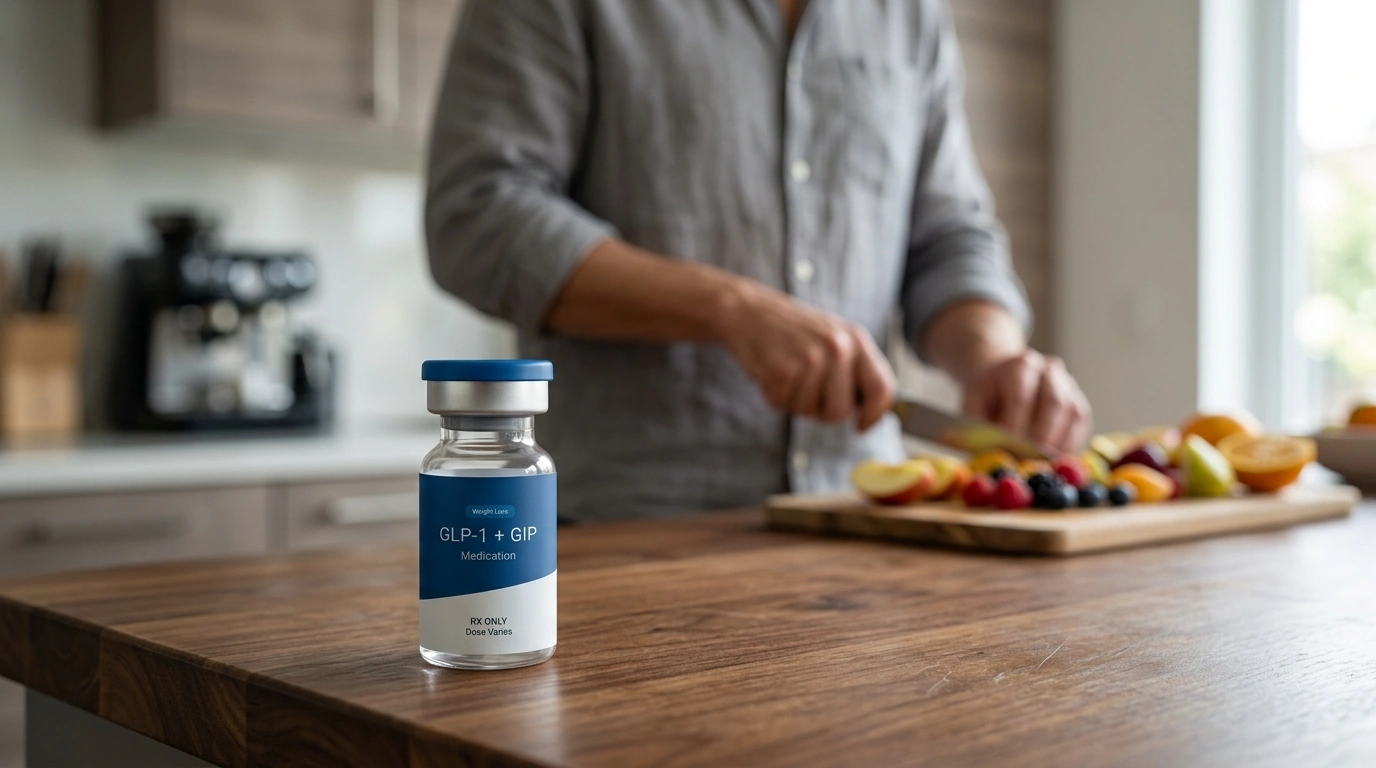
Standing in your kitchen with a vial and a syringe can feel like a high-stakes math test you never studied for. You want to ensure you are taking exactly what your provider prescribed, but the numbers on the side of the needle don’t always match the milligrams listed on your medication box. If you are looking at your syringe and wondering how many mg is 60 units of tirzepatide, you are asking a critical safety question.
At TrimRx, we believe that understanding your medication is the first step toward a successful health journey. Tirzepatide is a sophisticated dual-action medication that requires precise dosing to be effective and well-tolerated. This article will explain the relationship between volume and weight, how concentration changes your dose, and how to verify your specific requirements. The amount of milligrams in 60 units depends entirely on the concentration of your specific medication.
Quick Answer: There is no universal answer because it depends on the medication’s concentration (mg/mL). In a common concentration of 10mg/mL, 60 units equals 6mg; however, in a 20mg/mL concentration, 60 units equals 12mg. Always check your vial label for the specific “mg per mL” strength.
Units vs. Milligrams: Understanding the Difference
It is essential to distinguish between the volume of liquid and the weight of the active medication. When we talk about “units,” we are referring to the volume of liquid inside the syringe. Most syringes used for these medications are U-100 insulin syringes, where 100 units equal exactly one milliliter (1mL) of liquid. Therefore, 60 units is simply 0.6mL of fluid.
Milligrams (mg) represent the actual dose of the drug tirzepatide itself. Tirzepatide is a dual glucose-dependent insulinotropic polypeptide (GIP) and glucagon-like peptide-1 (GLP-1) receptor agonist. These molecules work by mimicking natural hormones that regulate appetite and blood sugar. The “mg” tells you how much of that active “hormone-mimicker” you are receiving, regardless of how much liquid it is dissolved in.
Concentration is the “missing link” that connects units to milligrams. Think of it like sweetening a glass of tea. You could put two teaspoons of sugar in a small teacup or two teaspoons in a large gallon jug. In both cases, you have the same “dose” of sugar (the milligrams), but the “volume” of the tea (the units) is very different. To know how much sugar you get in a single sip, you must know how concentrated the tea is. For more examples, review this guide to tirzepatide doses in units.
How Concentration Determines Your Dose
The concentration of your tirzepatide is listed on the vial as milligrams per milliliter (mg/mL). This number tells you the strength of the liquid. Because different compounding pharmacies and manufacturers use different strengths, 60 units can represent vastly different doses. This is why you must never compare your “unit” count with a friend or someone in an online forum without knowing their specific concentration.
Common concentrations used in weight management programs lead to different math results. Many providers use concentrations that allow for easy dosing, but these are not standardized across the industry. For example, if your vial is 10mg/mL, every unit contains 0.1mg of medication. If your vial is 20mg/mL, every unit contains 0.2mg. If you are considering a supervised prescription program, you can complete a free eligibility assessment.
The Conversion Table for 60 Units
The following table demonstrates how 60 units (0.6mL) changes in milligrams based on the most common concentrations found in the clinical space.
| Concentration (Strength) | Volume (Units) | Resulting Dose (mg) |
|---|---|---|
| 5 mg / 1 mL | 60 Units | 3 mg |
| 8.33 mg / 1 mL | 60 Units | 5 mg |
| 10 mg / 1 mL | 60 Units | 6 mg |
| 12.5 mg / 1 mL | 60 Units | 7.5 mg |
| 16.66 mg / 1 mL | 60 Units | 10 mg |
| 20 mg / 1 mL | 60 Units | 12 mg |
| 25 mg / 1 mL | 60 Units | 15 mg |
Key Takeaway: 60 units is always the same amount of liquid (0.6mL), but the actual dose of tirzepatide can range from 3mg to 15mg or more depending on how concentrated the liquid is.
The Science of Tirzepatide and Dosing
Tirzepatide works by activating two different hormone receptors in the body. Most weight loss medications, including semaglutide, only target the GLP-1 receptor. Tirzepatide is unique because it also targets the GIP receptor. Research suggests that this dual-action approach may provide more robust support for metabolic health and weight management by improving how the body breaks down sugar and fat while signaling the brain to feel full sooner.
Dosing must be titrated, meaning it is increased slowly over several months. Your body needs time to adjust to the presence of these hormones. If a person starts at a high dose—like 10mg or 15mg—without the initial low-dose “loading” phase, they are much more likely to experience significant gastrointestinal discomfort.
A 60-unit dose typically occurs later in a person’s treatment plan. Because 60 units often translates to a mid-to-high range dose (such as 7.5mg, 10mg, or 12mg), it is rarely the starting point. Most individuals begin at 2.5mg and increase every four weeks as tolerated. If your provider has moved you to 60 units, it is because your body has successfully managed the lower volumes and is ready for more metabolic support. For additional context, read about the standard tirzepatide starting dose.
Bottom line: Tirzepatide is a powerful dual-hormone medication that requires a gradual increase in dosage to ensure your body remains comfortable and responsive.
How to Calculate Your Milligrams Safely
The easiest way to calculate your dose is to use a simple three-step formula. You do not need to be a mathematician to get this right, but you do need to have your medication vial in front of you. Do not guess or rely on memory, as labels can change between refills.
Step 1: Identify the concentration. Look for the text on the vial that says “mg/mL” or shows a total amount of mg in a total amount of mL (e.g., 20mg/2mL). Divide the first number by the second to get the concentration per 1mL. If it says 20mg/2mL, your concentration is 10mg/mL.
Step 2: Convert your units to milliliters. Since almost all weight loss injections use U-100 syringes, 100 units equals 1mL. To find the milliliters for 60 units, simply divide by 100. 60 ÷ 100 = 0.6mL.
Step 3: Multiply the volume by the concentration. Take your volume (0.6) and multiply it by the concentration you found in Step 1. (0.6) x (Concentration) = Your mg dose.
Myth: “All tirzepatide doses are 50 units.” Fact: Doses are determined by milligrams, not units. One person might take 2.5mg in 25 units, while another takes 2.5mg in 50 units because their medications have different concentrations.
Why 60 Units Matters in Your Weight Loss Journey
Reaching a 60-unit dose often marks a significant milestone in metabolic adaptation. For many on a personalized program, this volume represents a transition from “initiation” doses to “maintenance” or “therapeutic” doses. At this stage, the dual-action GIP and GLP-1 receptors are being more heavily stimulated.
Precision prevents “plateaus” and “peaks.” If you accidentally take too few milligrams because you miscalculated your units, you may find your progress stalling. Conversely, taking too many milligrams can lead to avoidable side effects. Consistency is the primary driver of success with medications like tirzepatide. When we work with individuals at TrimRx, we emphasize that the goal is the lowest effective dose that yields results, rather than rushing to the highest possible unit count.
Personalization is the key to managing higher volumes. Not everyone needs to reach 60 units or beyond to see significant changes. Some people are “highly sensitive” to GLP-1 medications and find their “sweet spot” at much lower volumes. A personalized program ensures that your dose is adjusted based on your specific weight loss velocity and how your body feels, rather than a generic one-size-fits-all chart.
Managing Potential Side Effects at 60 Units
As you increase the number of units you inject, you increase the amount of active medication entering your system. While tirzepatide is generally well-tolerated due to its dual-action nature, side effects can occur, especially during the first 48 hours after an injection. Common experiences include mild nausea, changes in bowel habits, or a feeling of being “overly full.” Review this guide to tirzepatide side effects and management for additional education.
Hydration and nutrient timing are your best tools for management. At higher doses, gastric emptying (the speed at which food leaves your stomach) is significantly slowed. This is how the medication helps you feel full, but it also means that eating large, heavy meals can cause discomfort.
Consider supplemental support for your metabolism. Many patients find that as they reach higher doses, they benefit from targeted nutrition. We offer options like GLP-1 Daily Support, which is designed to provide the body with the specific nutrients it needs when caloric intake decreases. Additionally, our Weight Loss Boost supplement can help maintain energy levels if you feel fatigued as your dosage increases.
When to contact a healthcare provider. While mild side effects are common during titration, you should always speak with a licensed professional if you experience severe abdominal pain, persistent vomiting, or signs of an allergic reaction. A telehealth-based approach allows for quick adjustments to your plan without the need for an office visit.
Practical Tips for Accurate Dosing
The type of syringe you use is just as important as the math you perform. Most prescriptions call for a U-100 insulin syringe, which is marked in single-unit increments. Ensure you are using the correct syringe size; using a U-50 syringe (which only holds 50 units) would require two separate injections to reach 60 units, whereas a U-100 syringe allows for a single draw.
Step-by-Step: Drawing a 60-Unit Dose
- Clean the vial. / Use an alcohol swab to wipe the rubber stopper of the tirzepatide vial to ensure sterility.
- Inject air. / Pull the plunger back to the 60-unit mark to fill the syringe with air, then inject that air into the vial to equalize pressure.
- Draw the liquid. / Turn the vial upside down and slowly pull the plunger back until the black stopper line sits exactly on the 60-unit mark.
- Check for bubbles. / Tap the side of the syringe to move any air bubbles to the top and push them back into the vial, then re-adjust to exactly 60 units.
- Administer. / Clean the injection site (usually the abdomen, thigh, or back of the arm) and inject as directed by your provider.
Store your medication properly to maintain its potency. Tirzepatide is a sensitive peptide. It should generally be kept in the refrigerator, away from light. If the medication is exposed to extreme heat or frozen, the proteins can break down, meaning that even a perfectly measured 60-unit dose will not provide the expected milligrams of active drug.
The Role of Compounded Medications
Many people use compounded versions of tirzepatide for greater flexibility and access. Compounded medications are prepared by specialized pharmacies to meet a specific prescription. These medications are not FDA-approved in the same way branded drugs like Mounjaro® or Zepbound® are, but they can be prepared and shipped by FDA-registered, inspected compounding pharmacies. For more background, read about compounded tirzepatide ingredients and safety.
Compounding allows for customized concentrations. This is exactly why the “60 units to mg” question is so common. A branded pen is pre-filled and pre-set to a specific milligram dose, so the user never sees “units.” With a compounded vial, the user is responsible for the measurement. This requires a higher level of education and care, which is why working with a platform that provides clear instructions and medical supervision is vital.
Transparency in sourcing is non-negotiable. If you are using compounded tirzepatide, you should know exactly which pharmacy created it and what the concentration is. We ensure that all medications through our platform come from licensed, reputable facilities that prioritize safety and consistency.
How TrimRx Supports Your Journey
Weight loss is rarely a straight line, and the math shouldn’t be a barrier to your success. We provide a telehealth-first experience that removes the confusion often associated with modern weight loss medications. From your initial assessment to your monthly refills, our goal is to ensure you feel confident in every step you take.
Our personalized programs are built around your health profile. When you take our free assessment quiz, we look at your medical history, your goals, and your previous experiences with weight management. This allows a licensed provider to determine the appropriate starting dose and a titration schedule that fits your body’s unique rhythm.
You have 24/7 access to a team of specialists. If you are ever unsure about your dose—whether you are questioning if 60 units is right for you or you need help reading a new label—you don’t have to wait for an appointment. We are here to provide the clinical expertise and empathetic support needed to keep you on track.
Key Takeaway: Success with tirzepatide depends on more than just the medication; it depends on the clarity of the instructions and the quality of the support system surrounding you.
Conclusion
Finding the answer to “how many mg is 60 units of tirzepatide” is a vital part of being an advocate for your own health. As we have explored, the answer is not a single number but a calculation based on the concentration of your specific medication. Whether 60 units equals 6mg, 10mg, or 12mg, the most important factor is that the dose aligns with what your healthcare provider has determined is safe and effective for your body.
At TrimRx, we are dedicated to helping you navigate these details with ease. We merge clinical expertise with a modern, transparent approach to weight loss. Our mission is to provide you with the tools, the science, and the empathy required to achieve sustainable results and embrace a healthier lifestyle.
Your Next Steps:
- Check your current medication vial for the “mg/mL” concentration.
- Use the formula (Units ÷ 100) x Concentration to verify your dose.
- Consult your provider before making any changes to your prescribed routine.
- Take the free assessment quiz to see if a personalized tirzepatide program is the right fit for your goals.
FAQ
Can I use a standard insulin syringe for my tirzepatide dose?
Yes, most tirzepatide prescriptions utilize standard U-100 insulin syringes, where 100 units is equal to 1mL. However, you should always confirm with your provider or the instructions provided with your medication to ensure the syringe size matches your specific dosing requirements.
Why does my friend take 50 units while I take 60 units for the same dose?
This difference is almost always due to the concentration of the medication. If your friend has a more concentrated version (more mg per mL), they will require fewer units of liquid to receive the same milligram dose of the active drug.
What should I do if I accidentally took 60 units instead of my prescribed dose?
If you have taken a dose higher than what was prescribed, you should contact your healthcare provider or a poison control center immediately. While not usually life-threatening, an accidental overdose of tirzepatide can cause severe nausea, vomiting, and low blood sugar.
How can I find the concentration if it isn’t clear on the label?
If the concentration (mg/mL) is not clearly listed, look for the total milligrams in the vial and the total volume of liquid (e.g., 20mg in 2mL). Divide the total mg by the total mL to find the concentration; if you are still unsure, contact your pharmacy or provider before administering the dose.
Disclaimer: This content is for informational purposes only and does not constitute medical advice. It is not intended to diagnose, treat, cure, or prevent any disease or condition. Individual results may vary. Always consult a qualified healthcare professional before starting any weight loss program or medication.

Transforming Lives, One Step at a Time
Keep reading

Starting Tirzepatide While on the Pill: The First Four Weeks
You have your first box and you take an oral contraceptive. There is a labeled instruction that applies to you, and the mistake almost…
Marathon Training on Tirzepatide When You Can’t Fuel
You have a plan on the fridge and a medication that has made eating feel optional. Those two things are in genuine conflict, and…

Paying Cash for Tirzepatide? Don’t Stretch Your Supply
When every vial comes out of your own pocket, the arithmetic is hard to ignore. If a month’s supply costs what it costs, and…


