Where to Inject Tirzepatide for Best Results
Introduction
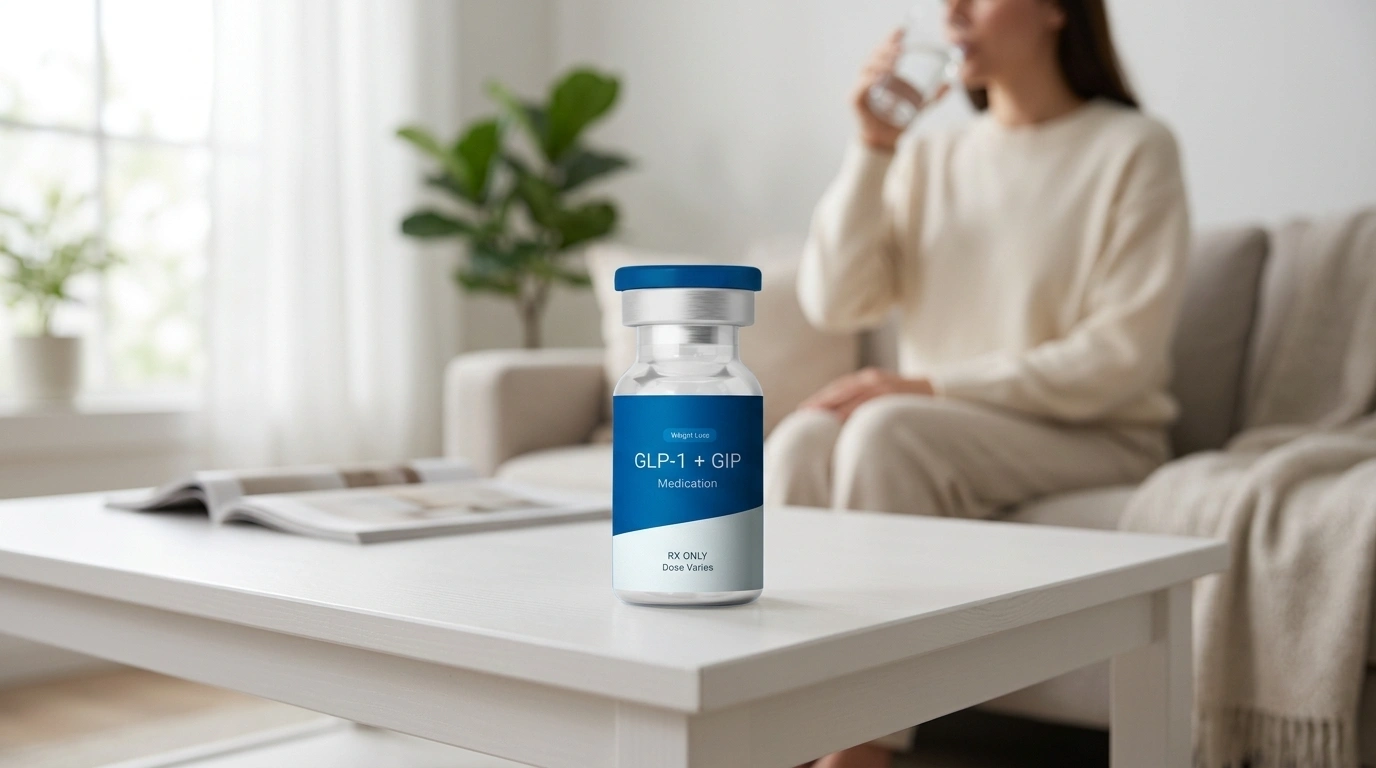
Starting a weight loss journey with a medication like tirzepatide is a significant step toward reclaiming your metabolic health. It is entirely normal to feel a bit of hesitation or even a few nerves when it comes time for your first weekly dose. At TrimRx, we believe that understanding the practical side of your treatment is just as important as the medication itself. Tirzepatide is a dual-acting medication known as a receptor agonist. This means it mimics two natural hormones in your body: glucagon-like peptide-1 (GLP-1) and glucose-dependent insulinotropic polypeptide (GIP). Together, they help regulate your appetite and how your body processes sugar. Knowing exactly where to inject tirzepatide can help minimize discomfort and ensure that your treatment fits comfortably into your weekly routine. This guide will walk you through the best injection sites and the proper techniques for a smooth experience.
If you are considering whether a prescription weight loss program may be appropriate for you, you can complete a free eligibility assessment.
Understanding Subcutaneous Injections
Before diving into the specific locations, it is helpful to understand what kind of injection tirzepatide requires. This medication is administered as a subcutaneous injection. Subcutaneous means “under the skin.”
Unlike a flu shot, which usually goes deep into the muscle (intramuscular), a subcutaneous injection is designed to reach the layer of fat between your skin and your muscle. This fatty layer has very few blood vessels, which allows the medication to be absorbed slowly and steadily over the course of a week. This steady absorption is what helps maintain consistent levels of the medication in your system, supporting your weight loss goals without the need for daily dosing.
For additional background, review this guide to subcutaneous tirzepatide injections.
The Three Primary Injection Sites
Clinical guidelines and the manufacturers of branded versions of tirzepatide, such as Mounjaro® and Zepbound®, recommend three specific areas for injection. These areas are chosen because they typically have a sufficient layer of subcutaneous fat and are easily accessible.
The Abdomen (Stomach)
The abdomen is the most common site for self-injection. It offers a large surface area and is generally the easiest place for most people to see and reach.
When using the abdomen, you should stay at least two inches away from your belly button (umbilicus). You want to avoid the area directly around the navel because the tissue there is tougher and may not absorb the medication as effectively. You can inject anywhere in the lower stomach area, provided you stay within the “belt line” and away from any bony areas like your ribs or hip bones.
For a closer look at abdominal placement, see this tirzepatide stomach injection guide.
The Front of the Thigh
The thigh is another excellent option, especially for those who may feel more comfortable looking down at their legs during the process. The ideal spot is the top and outer part of the mid-thigh.
Avoid the inner thigh, as the skin there can be more sensitive, and avoid the area too close to the knee or the hip. The “meaty” part of the front of your leg provides a stable and firm area for the injection, which many people find helps them maintain a steady hand.
The Back of the Upper Arm
The back of the upper arm is a third option. This area is often preferred by people who find they have more fatty tissue there compared to their stomach or thighs.
However, the back of the arm can be difficult to reach on your own. If you choose this site, you may need a partner or caregiver to help you administer the dose. The injection should go into the fleshy, outer-back part of the arm, roughly halfway between the shoulder and the elbow.
| Injection Site | Ease of Self-Administration | Visibility during Injection | Best For |
|---|---|---|---|
| Abdomen | Very High | Excellent | Most users; easy to rotate spots |
| Thigh | High | Excellent | Users who prefer a firm surface |
| Back of Arm | Low | Poor | Users who have a helper available |
Step-by-Step Injection Guide
Administering your medication should be a calm, methodical process. Whether you are using a pre-filled pen or a vial and syringe provided through a program like ours, the basic steps remain the same.
For more practical instructions, review this step-by-step tirzepatide self-injection guide.
Step 1: Prepare your supplies. Gather your medication, an alcohol swab, and a sharps container for disposal. If your medication has been in the refrigerator, you may want to let it sit at room temperature for about 30 minutes. Injecting cold liquid can sometimes cause a slight stinging sensation.
Step 2: Wash your hands. Always start with clean hands to prevent any risk of infection at the injection site. Use warm water and soap, and dry your hands thoroughly.
Step 3: Choose and clean your site. Select one of the three areas mentioned above. Use the alcohol swab to clean the skin in a circular motion. Let the alcohol air dry completely—do not blow on it or fan it with your hand, as this can introduce bacteria.
Step 4: Prepare the medication. Check the liquid to ensure it is clear and colorless (or slightly yellow). If it looks cloudy or has particles in it, do not use it. If you are using a syringe, draw up the exact dose prescribed by your healthcare provider. If using a pen, remove the base cap only when you are ready to inject.
Step 5: Administer the injection. For a syringe, you may gently pinch a fold of skin to isolate the fatty tissue. Insert the needle at a 90-degree angle. Push the plunger down slowly and steadily. For a pen, place the clear base flat against your skin, unlock it, and press the button. You will usually hear a click when the injection starts and another when it is finished.
Step 6: Dispose of the needle. Never throw needles or pens in the regular trash. Place them immediately into a puncture-resistant sharps container.
Key Takeaway: Proper preparation—including letting the medication reach room temperature and ensuring the skin is dry after cleaning—can significantly improve the comfort of your weekly injection.
The Importance of Site Rotation
One of the most critical aspects of where to inject tirzepatide is the concept of rotation. You should never inject into the exact same spot two weeks in a row.
If you use the same square inch of skin repeatedly, you may develop a condition called lipohypertrophy. This is a buildup of fatty tissue under the skin that can feel like a firm lump. Not only can this be uncomfortable, but it can also change the way your body absorbs the medication, potentially making it less effective over time.
For more guidance, read about rotating tirzepatide injection sites.
How to Rotate Effectively
You do not necessarily have to switch from your stomach to your thigh every week, though many people do. You can stay within the same general area, such as the abdomen, but move the site by at least one inch each time.
Think of your abdomen as a clock face. One week you might inject at the “3 o’clock” position, the next week at “6 o’clock,” and so on. Keeping a simple log in a notebook or a health app can help you remember where you injected last to ensure you are giving each spot a “rest” for several weeks.
Does the Injection Site Affect Weight Loss?
A common question among patients is whether one site works “better” for weight loss than another. Clinical studies for tirzepatide medications like Mounjaro® and Zepbound® have looked at the bioavailability—how much of the drug actually enters the bloodstream—across different injection sites.
Research indicates that the overall absorption is very similar whether you inject in the abdomen, thigh, or arm. However, there are subtle differences. Some studies suggested that the abdomen might have a slightly faster absorption rate compared to the thigh.
Myth: You must inject in the stomach to see the best weight loss results. Fact: While absorption speeds may vary slightly, tirzepatide is effective regardless of which of the three approved sites you choose. Consistency in taking your dose is far more important than the specific site.
Managing Side Effects through Site Choice
Interestingly, some patients report that their side effects, such as nausea or stomach upset, vary depending on where they inject. While this is largely anecdotal and not a universal rule, some find that injecting in the thigh or arm leads to milder gastrointestinal symptoms compared to the abdomen. If you are experiencing bothersome side effects, you might talk to your healthcare provider about trying a different injection site the following week to see if it makes a difference for you.
This tirzepatide side effects guide offers additional information about common reactions and discomfort.
Managing Injection Site Reactions
It is not uncommon to experience a mild reaction where the needle entered the skin. Most of these are temporary and not a cause for alarm.
Common Reactions
- Redness or Itching: A small red circle or a bit of itchiness is common. This usually fades within a few hours or a couple of days.
- Minor Bruising: This can happen if the needle hits a tiny blood vessel. It is harmless and will heal like any other bruise.
- A Small Drop of Liquid: Seeing a tiny drop of medication or blood on the skin after removing the needle is normal and does not mean you missed your dose.
When to Contact a Provider
While mild reactions are normal, you should reach out to a healthcare professional if you experience signs of a more serious allergic reaction. This includes a rash that spreads far beyond the injection site, severe swelling, or any difficulty breathing. Additionally, if an injection site becomes increasingly painful, hot to the touch, or shows signs of infection (like pus), seek medical advice promptly.
Tips for a Pain-Free Experience
If you are particularly sensitive to needles, there are several strategies you can use to make the process more comfortable.
- Numb the area: You can apply a cold pack to the injection site for a minute or two before cleaning it with alcohol. This can slightly numb the skin surface.
- Relax your muscles: If you are injecting into your thigh, make sure your leg is relaxed and not tensed up.
- Vary your “pinch”: Some people find that gently pinching the skin helps, while others find that keeping the skin taut works better. Experiment to see what feels best for you.
- Use a quick motion: Don’t hesitate. A quick, firm motion when inserting the needle is usually much less painful than a slow, cautious one.
For more information about comfort and equipment, explore this tirzepatide needle-size guide.
Storage and Handling of Tirzepatide
To keep your medication effective, you must store it correctly. Tirzepatide should generally be kept in the refrigerator between 36°F and 46°F (2°C to 8°C).
Important: Do not freeze the medication. If it accidentally freezes, do not use it, even after it thaws.
If you are traveling or need to keep your medication out of the fridge, most versions of tirzepatide can be stored at room temperature (up to 86°F or 30°C) for up to 21 to 30 days, depending on the specific formulation. Always check the specific instructions provided with your medication. Keep the pens or vials in their original carton to protect them from light, which can degrade the active ingredients.
For additional storage guidance, review this tirzepatide storage and handling guide.
The Role of Personalized Support
At TrimRx, we understand that a successful weight loss journey involves more than just a prescription. It requires a partnership. Our platform connects you with licensed healthcare providers who can determine if tirzepatide is right for you. We provide access to compounded tirzepatide, which is prepared by FDA-registered and inspected compounding pharmacies. This ensures you receive high-quality medication tailored to the dosages determined by your provider.
Our program is designed to be telehealth-first, meaning you get the clinical supervision you need from the comfort of home. From the initial free assessment quiz to ongoing support, we are here to help you navigate every step, including the practical details of your weekly injections.
If you are ready to explore your options, you can take the free assessment quiz.
Bottom line: Success with tirzepatide comes from a combination of the right medication, the right technique, and a supportive environment that helps you stay consistent.
Optimizing Your Results
While knowing where to inject tirzepatide is a practical necessity, your long-term results are often enhanced by supporting your body’s changing needs. As you lose weight, ensuring you get the right nutrients is vital. Some patients choose to supplement their journey with products like GLP-1 Daily Support, which is designed to provide essential vitamins and minerals that might be lacking as your appetite decreases.
Additionally, we encourage all our members to focus on:
- Hydration: GLP-1 and GIP receptor agonists can sometimes lead to dehydration if you aren’t careful.
- Protein Intake: To maintain muscle mass while losing fat, prioritizing protein in your meals is key.
- Movement: Finding a form of physical activity you enjoy can boost the metabolic benefits of your treatment.
By combining the clinical power of tirzepatide with these lifestyle foundations, you set yourself up for sustainable, long-term success.
FAQ
Can I inject tirzepatide in my arm if I am alone?
It is generally difficult to reach the correct subcutaneous area on the back of your own arm while maintaining the proper angle for injection. Most healthcare providers recommend using the abdomen or thigh for self-injection to ensure the medication is delivered correctly into the fatty tissue.
Should I massage the area after injecting?
No, you should not rub or massage the injection site after administering tirzepatide. Massaging the area can change how the medication is absorbed or may cause skin irritation. If there is a tiny bit of blood, you can gently press a cotton ball or gauze pad on the spot for a few seconds.
What happens if I miss the fatty layer and hit muscle?
Injecting into the muscle (intramuscularly) rather than the fat (subcutaneously) may cause the medication to be absorbed into your system much faster than intended. This could potentially increase the intensity of side effects or reduce the duration of the medication’s effectiveness over the week. Following the proper technique and choosing areas with sufficient fat helps prevent this.
Does the needle size matter for where I inject?
Most tirzepatide delivery systems, whether pre-filled pens or the syringes used for compounded tirzepatide, use very short, thin needles (often 4mm to 8mm). These are specifically designed to reach the subcutaneous fat layer without going deep enough to hit muscle, regardless of whether you choose the stomach, thigh, or arm.
If you are ready to discuss whether treatment may be appropriate for you, you can complete a free assessment.
Disclaimer: This content is for informational purposes only and does not constitute medical advice. It is not intended to diagnose, treat, cure, or prevent any disease or condition. Individual results may vary. Always consult a qualified healthcare professional before starting any weight loss program or medication.

Transforming Lives, One Step at a Time
Keep reading

Should You Taper Off Tirzepatide or Just Stop? What the Evidence Says
There is very little direct evidence either way, and anyone who tells you otherwise is filling a gap with confidence. The withdrawal trials that…
Stalled on Tirzepatide Even After a Dose Increase: Your Options
The first thing to check is how long it has been since the increase, because most people ask this question too early. A dose…

Why Did Tirzepatide Stop Working After Three Months of Fast Loss?
Five things explain almost all of it, and the first is the least satisfying: the fast stretch was never going to last. Weight loss…


