What to Expect After First Dose of Zepbound
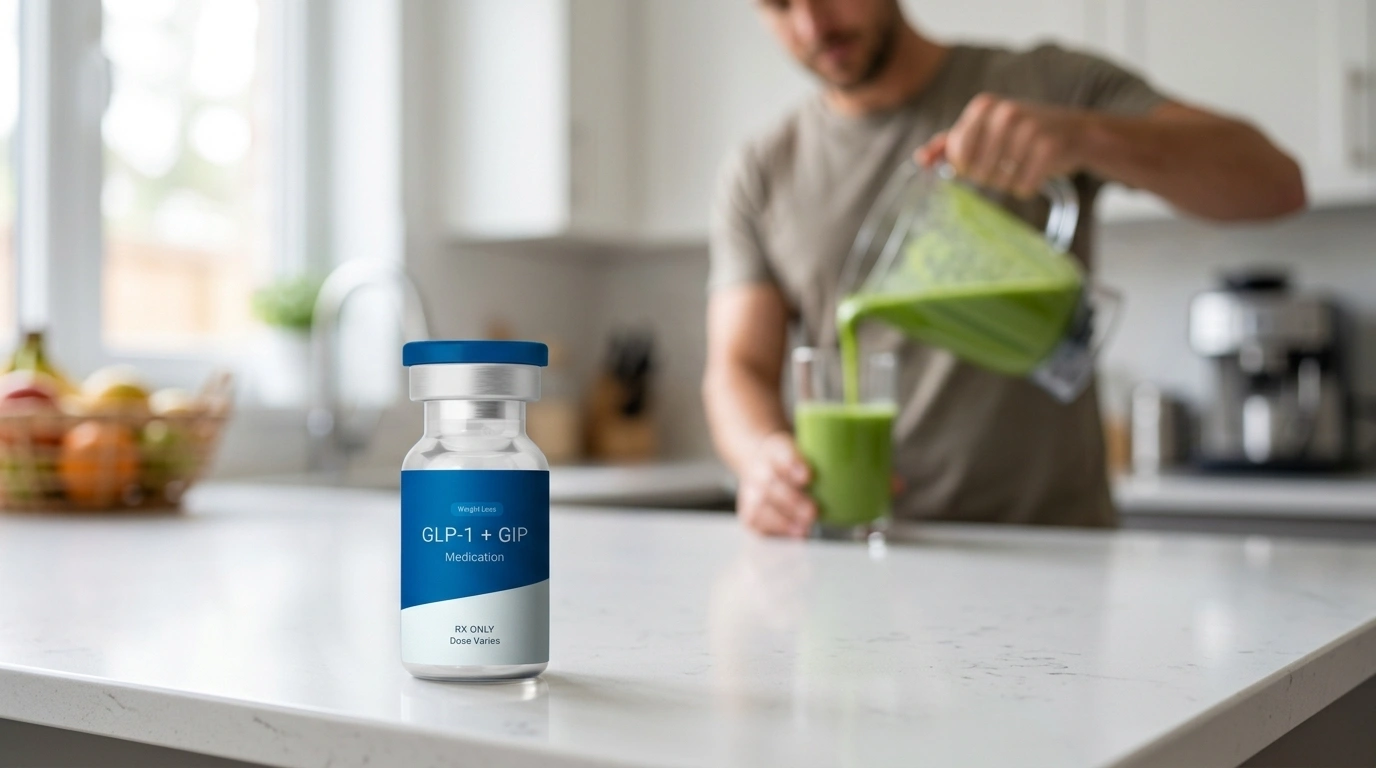
Introduction
Taking the first step toward medical weight loss is often a mix of excitement and nervous anticipation. You have likely spent years navigating different diets and exercise routines, and now you are ready for a science-backed approach. After your first dose of Zepbound®, you might find yourself checking for immediate changes or wondering if every small sensation is a sign the medication is working. At TrimRx, we believe that understanding the transition period is vital for long-term success. This initial phase is less about rapid weight loss and more about your body adjusting to a powerful new metabolic tool. We will cover the physical sensations, potential side effects, and the clinical reality of the 2.5 mg starter dose to help you navigate your first week with confidence. Knowing what to expect allows you to focus on your health rather than your anxiety.
If you are considering prescription treatment, you can complete a free eligibility assessment to see whether a personalized program may be appropriate for you.
Understanding the Initial 2.5 mg Dose
The standard starting dose of Zepbound® is 2.5 mg. It is important to recognize that this is considered a “loading” or “starter” dose. In clinical terms, the primary goal of the first four weeks is not necessarily to see the numbers on the scale drop significantly. Instead, this month is designed to help your body acclimate to the medication.
By starting at a lower dose, healthcare providers aim to minimize gastrointestinal discomfort while slowly introducing the active ingredient, tirzepatide, to your system. Tirzepatide is a dual-acting medication. It mimics two different hormones in the body: glucagon-like peptide-1 (GLP-1) and glucose-dependent insulinotropic polypeptide (GIP). These hormones work together to regulate appetite and blood sugar.
Quick Answer: After your first dose, you may notice a decrease in appetite or “food noise” within 24 to 48 hours. However, many people feel very little change during the first week as the 2.5 mg dose is intended to help your body adjust safely.
Because everyone’s metabolic profile is unique, the experience varies. Some individuals are highly sensitive and feel a change in hunger levels almost immediately. Others may notice nothing at all until they move to a higher dose. Both experiences are normal and do not predict your long-term success.
For additional context on early hunger changes, read why some people remain hungry on tirzepatide.
Physical Sensations in the First 48 Hours
Once you self-administer the injection, the medication begins to enter your bloodstream. Most people do not feel anything at the injection site beyond a brief prick. Within the first 24 to 48 hours, the most common “positive” sensation is a reduction in what is often called food noise.
Food noise refers to the constant, intrusive thoughts about food, cravings, or planning the next meal. When tirzepatide reaches the receptors in your brain, it can significantly quiet these signals. You might find yourself finishing a meal and simply feeling “done” rather than looking for a second helping or dessert.
You may also notice a change in how your stomach feels. Tirzepatide slows down gastric emptying, which is the process of food leaving your stomach and entering the small intestine. This can lead to a sensation of fullness that lasts much longer than usual. Even a small snack might make you feel as though you have eaten a full-course dinner.
For a deeper explanation, explore how food noise may change with GLP-1 medications.
Key Takeaway: The first 48 hours are focused on the brain-gut connection. The medication is beginning to slow digestion and signal satiety to the brain, which may reduce cravings and hunger.
Common Side Effects to Monitor
While the starter dose is low, your body is still reacting to a significant change in its hormonal signaling. Most side effects are gastrointestinal and occur as the digestive system learns to operate at a slower pace.
For a broader overview, review what to expect from tirzepatide side effects.
Nausea and Stomach Discomfort
Nausea is the most frequently reported side effect. It often peaks about 24 to 72 hours after the injection. This happens because the brain is receiving new signals about fullness, and the stomach is physically holding food longer. If you eat a meal of the same size or speed as you did before the medication, your stomach may feel uncomfortably full, leading to queasiness.
Changes in Bowel Habits
Both constipation and diarrhea are common during the first week. Diarrhea often occurs as the body adjusts to the medication’s effect on the intestines. Constipation is frequently a result of slowed digestion. If food stays in the colon longer, more water is absorbed out of it, making the stool harder to pass. Increasing your water and fiber intake early on is essential.
Fatigue and Energy Shifts
Some individuals report feeling a “heaviness” or general fatigue in the days following the first dose. This can be caused by the body’s shifting metabolic processes or a sudden drop in caloric intake. If you are suddenly eating significantly less, your body may take a few days to adjust its energy expenditure.
Site Reactions
A small amount of redness, itching, or swelling at the injection site is common. This is usually a mild localized reaction to the needle or the liquid itself. It typically resolves on its own within a day or two.
How Tirzepatide Works in the Body
To understand why you feel these changes, it helps to understand the science of the dual-agonist approach. Zepbound® contains tirzepatide, which is unique because it targets two different hormone receptors.
For more detail about the medication’s appetite effects, read how tirzepatide manages hunger.
GLP-1 (Glucagon-like Peptide-1)
This hormone is naturally released by the intestines after you eat. It tells your pancreas to release insulin, which lowers blood sugar. It also acts on the brain to signal that you are full and tells the stomach to slow down its movement.
GIP (Glucose-dependent Insulinotropic Polypeptide)
This hormone also aids in insulin secretion but has additional effects on fat metabolism and the brain’s satiety centers. Research suggests that by adding the GIP component, tirzepatide may be more effective at reducing food intake and improving how the body breaks down fat compared to medications that only target GLP-1.
Together, these two pathways create a “dual-action” effect. They help stabilize blood sugar levels and fundamentally change how your brain perceives hunger and reward related to food.
Bottom line: The medication isn’t just a “diet pill”; it is a metabolic regulator that changes how your brain and gut communicate to manage energy and hunger.
Managing Your First Week: Practical Steps
Your first week is about observation and adaptation. You do not need to overhaul your entire life on day one, but a few strategic choices can make the transition much smoother. TrimRx provides a support system to help you through these early stages, ensuring you have the resources needed to manage minor discomfort.
Prioritize Hydration
Slowed digestion and potential side effects like diarrhea can lead to dehydration. Aim for more water than you think you need. Electrolyte supplements can also be helpful if you feel fatigued or have a headache, as these are often early signs of dehydration.
For more guidance, read about the importance of hydration during weight management.
Eat Small, Frequent Meals
Because your stomach empties more slowly, large meals are difficult to digest. Instead of three big meals, try four or five small snacks or “mini-meals.” This prevents the stomach from becoming overly distended, which is a major cause of nausea.
Focus on Lean Protein
Protein is essential to prevent muscle loss during weight management. It also tends to be easier on the stomach than heavy, greasy, or fried foods. High-fat meals can sit in a slowed stomach for a long time, often leading to severe indigestion or reflux.
For additional nutrition guidance, explore protein-focused eating on GLP-1 medications.
Listen to Your Satiety Cues
One of the biggest mistakes new patients make is eating out of habit. You might be used to finishing everything on your plate. After your first dose, pay close attention to your stomach. As soon as you feel a “sigh” of fullness, stop eating. Forcing those last few bites is a recipe for nausea.
Preparation Checklist for Your First Week:
- Purchase a high-quality water bottle to track intake.
- Stock up on bland foods like crackers, ginger tea, and chicken broth.
- Have a fiber supplement or stool softener on hand just in case.
- Plan your injection for a day when you don’t have major social or work commitments, in case you feel fatigued.
If you are looking for nutritional support during treatment, consider GLP-1 Daily Support.
The Reality of Weight Loss Timelines
It is tempting to step on the scale every morning after that first dose. However, the first week is rarely representative of your long-term results. Some people lose several pounds of “water weight” quickly as inflammation decreases and glycogen stores shift. Others may see the scale stay exactly the same.
Neither outcome is cause for concern. Clinical studies show that the most significant weight loss typically begins once a patient reaches the “therapeutic” doses, which are usually higher than the 2.5 mg starting dose. This first month is about safety and preparation. If you lose weight in week one, consider it a bonus; if you don’t, know that the medication is still performing vital work behind the scenes to reset your metabolic pathways.
For perspective on early results, read what to consider when weight loss is slow on a GLP-1.
Myth: If I don’t lose weight in the first week, the medication isn’t working for me. Fact: The 2.5 mg dose is a starter dose meant to acclimate your body. Significant weight loss often begins after the dose is increased in subsequent months.
When to Contact a Healthcare Professional
While mild side effects are part of the adjustment period, your safety is the priority. It is important to distinguish between “normal” discomfort and symptoms that require medical attention.
You should contact a healthcare provider or seek medical help if you experience:
- Severe or persistent abdominal pain that may radiate to your back (this can be a sign of pancreatitis).
- Uncontrollable vomiting or diarrhea that prevents you from keeping fluids down.
- Signs of a serious allergic reaction, such as swelling of the face, tongue, or throat, or difficulty breathing.
- Rapid heartbeat that does not go away.
- Severe dizziness or fainting.
If you have a history of medullary thyroid carcinoma or Multiple Endocrine Neoplasia syndrome type 2, you should have discussed this with your provider before starting, as these are contraindications for this class of medication.
Personalized Care with TrimRx
Navigating the world of GLP-1 and GIP medications can feel overwhelming, especially with the variety of branded and compounded options available. At TrimRx, we aim to simplify this journey. We connect you with licensed healthcare providers who evaluate your medical history and goals to create a program tailored specifically to you.
Our platform provides access to compounded Tirzepatide, which is prepared in FDA-registered and inspected compounding pharmacies. While compounded medications are not FDA-approved in the same way branded drugs like Zepbound® are, they offer a vital alternative for many patients, especially during periods of branded medication shortages.
When you work with us, you aren’t just getting a prescription; you are getting a dedicated team. We provide the doctor consultations and ongoing support needed to manage your dosage and side effects effectively. If you find that the first dose is causing significant nausea, our specialists can help you adjust your plan or suggest supportive supplements.
If you are exploring prescription treatment, you can see if you qualify for a personalized program.
The Role of Support and Supplements
To optimize your experience after that first dose, you might consider how internal support can help. We offer specialized supplements designed to work alongside your program. For example, our GLP-1 Daily Support supplement is formulated to help manage common nutritional gaps and support digestive comfort during the transition.
Managing your weight is a comprehensive process. The medication handles the biological signals, but your lifestyle and supportive care handle the rest. By combining clinical expertise with personalized technology, we help you stay on track through the “first dose jitters” and into a sustainable lifestyle.
Key Takeaway: Success with tirzepatide is a partnership between the medication, your nutritional choices, and the clinical support team guiding your journey.
Conclusion
The first dose of Zepbound® marks a turning point in your health journey. While the 2.5 mg dose is just the beginning, it initiates important changes in how your body processes hunger and fullness. You may experience some mild nausea or fatigue, but these are generally temporary signs that your system is recalibrating. Remember that the first week is about learning your body’s new “language” and prioritizing hydration and protein. Sustainable weight loss is a marathon, not a sprint, and this loading phase is an essential part of the process.
At TrimRx, we are committed to being your partner in this transformation. We provide the clinical oversight and personalized programs necessary to help you move past the initial adjustment phase and toward your long-term wellness goals. Our mission is to make science-backed weight loss accessible, transparent, and supportive for every individual.
If you are ready to see if a personalized weight loss program is right for you, the next step is simple. You can take the free assessment quiz to evaluate your eligibility and begin your journey toward a healthier, more vibrant life.
FAQ
How long does it take for the first dose of Zepbound to work?
Most patients begin to feel the effects on appetite and “food noise” within 24 to 48 hours of the first injection. However, because the 2.5 mg dose is a starter amount, some people may not notice significant changes until they move to a higher dose in the second month. Physical changes in digestion, such as feeling full sooner, often occur within the first few days.
What should I eat immediately after my first injection?
It is best to focus on bland, high-protein foods that are easy for your body to digest. Avoid high-fat, fried, or very sugary foods, as these are more likely to cause nausea and indigestion when digestion is slowed down. Staying hydrated with water and electrolytes is equally important to help manage potential side effects like headaches or fatigue.
Can I drink alcohol after my first dose?
While there is no direct “danger” in having a drink, many people find that their tolerance for alcohol changes or that it causes more stomach upset than usual. Alcohol is also a source of empty calories and can contribute to dehydration. It is generally recommended to limit or avoid alcohol during the first week to see how your body reacts to the medication.
What if I don’t feel any side effects at all?
Not experiencing side effects is actually a good sign—it means your body is tolerating the medication well. A lack of side effects does not mean the medication isn’t “working.” The goal of the 2.5 mg dose is to minimize discomfort while your body prepares for the therapeutic doses that will come later in your treatment plan.
If you are still deciding whether prescription treatment is right for you, you can start with a free eligibility assessment.
Disclaimer: This content is for informational purposes only and does not constitute medical advice. It is not intended to diagnose, treat, cure, or prevent any disease or condition. Individual results may vary. Always consult a qualified healthcare professional before starting any weight loss program or medication.

Transforming Lives, One Step at a Time
Keep reading
Marathon Training on Tirzepatide When You Can’t Fuel
You have a plan on the fridge and a medication that has made eating feel optional. Those two things are in genuine conflict, and…

Hormone Replacement Therapy and Tirzepatide: Is There an Interaction?
The question that matters is whether your hormone therapy is oral or transdermal, because that determines whether the one plausible interaction applies to you….
Can You Build Muscle While Losing Weight on Tirzepatide?
Possible for some people and unlikely for others, and the difference is mostly about where you are starting from. Someone new to resistance training…


