Why Is Tirzepatide So Expensive?
Introduction
You may have reached a point where you feel ready to take control of your metabolic health, only to be stopped by a surprising price tag. It is a common frustration for many Americans. You see the success stories and the clinical data, but the monthly cost of these new medications can feel like a significant barrier. At TrimRx, we believe that understanding the “why” behind these costs is the first step toward finding a sustainable path forward.
This article covers the complex economic and scientific factors that contribute to the high cost of tirzepatide. We will look at research expenses, manufacturing hurdles, and the unique structure of the United States healthcare system. Our goal is to provide you with a clear picture of the current landscape. By the end of this post, you will understand why these medications are priced this way and what options exist for those seeking a more personalized, accessible approach to weight management.
If you are exploring whether prescription treatment may be appropriate for you, you can complete a free eligibility assessment to begin the process.
Quick Answer: Tirzepatide is expensive due to its status as a patented biologic medication with no generic alternatives available until at least 2036. High costs are driven by multi-billion dollar research investments, complex manufacturing requirements for peptides, and a US pricing system involving significant rebates to middlemen.
The Science and Innovation of Tirzepatide
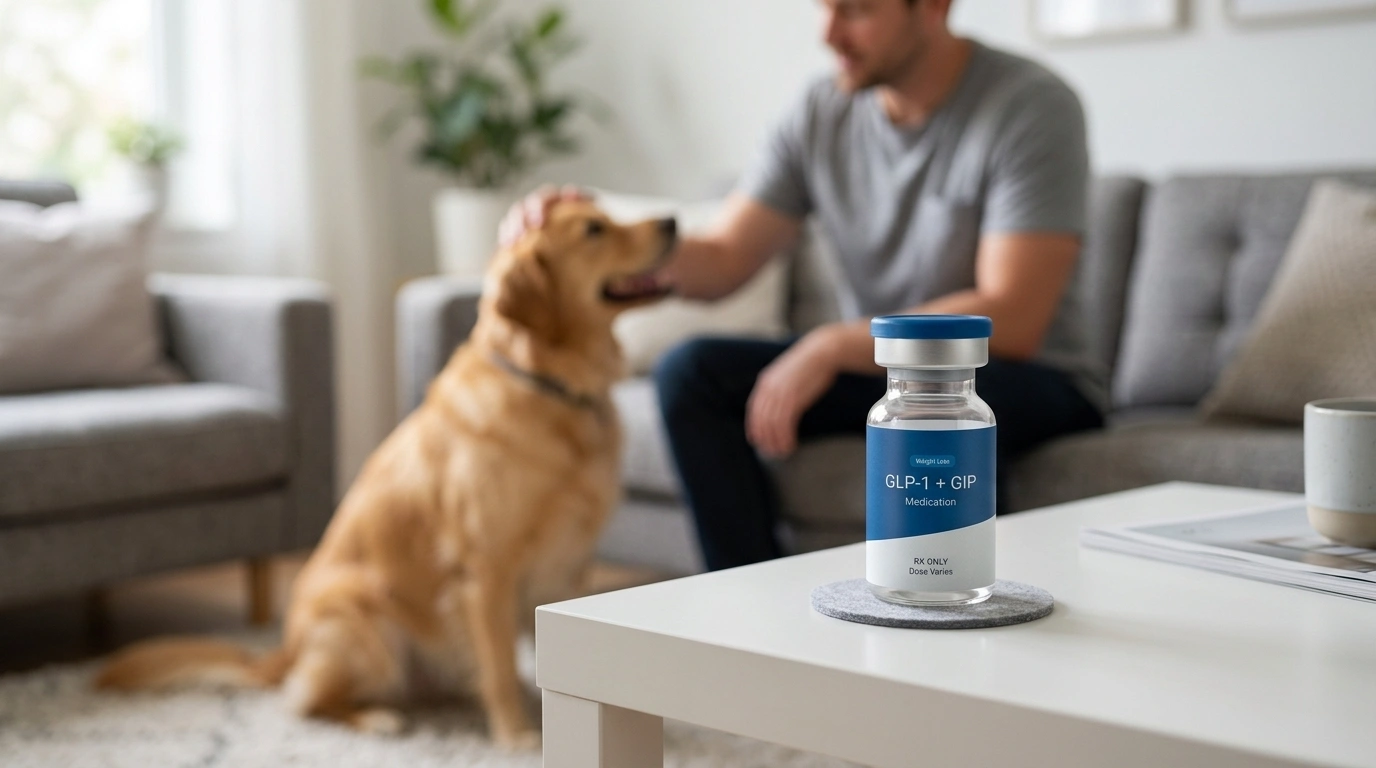
To understand the price, we must first understand what the medication actually is. Tirzepatide is a dual-acting medication known as a GLP-1 and GIP receptor agonist. These terms refer to hormones naturally found in your body that regulate appetite and blood sugar.
GLP-1 (glucagon-like peptide-1) is a hormone that tells your brain you are full. It also slows down how fast your stomach empties. GIP (glucose-dependent insulinotropic polypeptide) is another hormone that helps your body respond to insulin and may improve how your body breaks down fat.
Tirzepatide is the first medication of its kind to target both of these pathways at once. This “dual-agonist” approach was a major scientific breakthrough. Creating a molecule that can successfully mimic two different hormones while remaining stable in the human body required years of advanced bioengineering.
For additional background, read this overview of how compounded tirzepatide works.
High Research and Development Costs
The journey of a drug from a laboratory to a local pharmacy is incredibly long and expensive. Pharmaceutical companies often spend billions of dollars before a single dose is ever sold to a patient.
The Clinical Trial Process
For tirzepatide to receive approval from the FDA (Food and Drug Administration), it had to go through several phases of clinical trials. These trials involve thousands of participants and can last for many years.
- Phase 1: Testing for safety in a small group of people.
- Phase 2: Testing to find the right dosage and see if it works.
- Phase 3: Large-scale studies to prove it is safe and effective for the general population.
The clinical trial programs for tirzepatide, known as the SURPASS and SURMOUNT trials, were massive in scale. They enrolled over 15,000 people globally. Each participant requires medical supervision, lab work, and constant monitoring. These costs add up quickly, often exceeding two billion dollars for a single drug.
The Risk of Failure
It is also important to remember that most drugs in development never make it to the market. For every success like tirzepatide, there are dozens of other molecules that fail during testing. The price of successful medications often helps cover the costs of all the failed research that led up to the discovery.
Key Takeaway: The price of tirzepatide reflects a “recovery” of the billions spent on successful and unsuccessful clinical research over the last decade.
The Complexity of Manufacturing Peptides
Unlike traditional medications like aspirin, which are simple chemical structures, tirzepatide is a “biologic.” Specifically, it is a peptide. A peptide is a string of amino acids that must be folded into a very specific shape to work in the body.
Bioreactors and Purification
Making peptides is not as simple as mixing powders in a vat. It requires complex biotechnology, often involving specialized “bioreactors.” These are highly controlled environments where the medication is synthesized.
Once the peptide is created, it must go through a rigorous purification process. Even a tiny impurity can make the medication unsafe or ineffective. This requires high-tech filtration and constant quality testing.
For more context on quality standards and pharmacy preparation, explore this guide to tirzepatide compounding pharmacies.
The Cold Chain Requirement
Tirzepatide is also sensitive to temperature. It must be kept refrigerated from the moment it is manufactured until it reaches your home. This is known as the “cold chain.”
Maintaining a cold chain across thousands of miles of shipping requires specialized packaging and temperature-controlled logistics. These logistics add a layer of expense that most pill-based medications do not have.
Patent Protection and the Absence of Generics
When a company discovers a new medication, they are granted a patent. This gives them the exclusive right to sell that medication for a set period, usually 20 years from the date the patent was filed.
The Monopoly Period
Because tirzepatide is still under patent, no other company can legally make a “generic” version. Without competition, the original manufacturer can set the price based on what the market will bear. For tirzepatide, these patents are expected to protect the brand-name versions until approximately 2036.
Why No Generics Exist Yet
In the world of medicine, generics only appear once the patent expires. When a drug goes generic, multiple companies begin making it, which usually causes the price to drop by 80% or more. Since we are still a decade away from that point for tirzepatide, the brand-name manufacturers maintain total control over pricing.
The Role of the US Healthcare System
One of the biggest reasons tirzepatide is so expensive for Americans is the way the US healthcare system is structured. In many other countries, the government negotiates a single price for the entire nation. In the US, the process is much more fragmented.
Pharmacy Benefit Managers (PBMs)
There are companies that act as middlemen between drug manufacturers, insurance companies, and pharmacies. These are called Pharmacy Benefit Managers, or PBMs.
PBMs negotiate “rebates” from drug manufacturers. A manufacturer might set a high “list price” for a drug, but then pay a large portion of that back to the PBM in exchange for the drug being covered by insurance.
The Rebate Trap
This system creates an incentive for high list prices. If a manufacturer lowers the list price, the PBM might receive a smaller rebate. This could lead to the PBM removing the drug from the insurance “formulary” (the list of covered drugs). This complex web of hidden payments keeps the price high for the consumer, even if the “net price” to the insurer is lower.
Insurance Coverage and Prior Authorization
Even if you have health insurance, getting tirzepatide covered can be a significant challenge. Many plans view weight loss medications as “lifestyle drugs” rather than essential treatments.
The Weight Loss Exclusion
Historically, many insurance companies have excluded medications for obesity from their coverage. While this is starting to change as more evidence shows the health benefits of weight loss, many people still find their plans will not pay for these treatments.
The Prior Authorization Process
For those whose insurance does cover it, there is often a “prior authorization” requirement. This means your doctor must prove to the insurance company that the medication is “medically necessary.” This process can involve:
- Documenting your BMI (Body Mass Index).
- Proving you have weight-related health issues, such as high blood pressure.
- Showing that you have tried other, less expensive weight loss methods first.
This administrative hurdle is another reason the process feels so difficult and costly. Our team at TrimRx understands these frustrations and seeks to simplify the path to care through our streamlined telehealth platform.
To understand how online access works, read this guide to getting GLP-1 medications through telehealth.
Supply and Demand Factors
High demand and limited supply can drive prices up in any industry. Since the release of GLP-1 and dual-agonist medications, the demand has been unprecedented.
Global Shortages
The manufacturers have struggled to keep up with the millions of people who want these treatments. When a product is in short supply, the manufacturer has very little incentive to lower the price or offer deep discounts. They are selling every dose they can make at the current price.
Manufacturing Scale-Up
While companies are spending billions to build new factories, these facilities take years to become fully operational. Until the supply significantly exceeds the demand, the high price point is likely to remain stable for branded products.
Branded vs. Compounded Tirzepatide
Because brand-name medications like Mounjaro® and Zepbound® can be difficult to access or afford, many people look for alternatives. One of the most common alternatives is compounded tirzepatide.
For a closer look at the differences, read this comparison of compounded tirzepatide and Zepbound.
What is Compounded Medication?
Compounding is the process of creating a custom medication to meet the specific needs of a patient. While Compounded Tirzepatide is NOT FDA-approved, it can be prepared by licensed pharmacists when a drug is in shortage or when a patient needs a specific strength.
The Cost Difference
Compounded versions are often more accessible because they do not involve the same multi-layered rebate systems and massive marketing budgets as branded drugs. These medications are prepared and shipped by FDA-registered, inspected compounding pharmacies.
Note: Compounded medications are a vital resource during drug shortages, but they should only be used under the supervision of a licensed healthcare provider who can ensure the quality and source of the medication.
Navigating Your Options with TrimRx
The complexity of drug pricing should not be the end of your weight loss journey. We built our platform to bridge the gap between high-cost traditional models and the personalized care you deserve.
Personalized Programs
We offer access to medically supervised programs that are tailored to your health profile and history. Instead of a one-size-fits-all approach, we connect you with licensed providers who can determine which treatment path is right for you.
If you are considering prescription treatment, you can see if you qualify for a personalized program.
Transparent Telehealth
The TrimRx platform provides a telehealth-first experience. This means:
- No Waiting Rooms: Consultations are done entirely online.
- All-Inclusive Models: Our programs include the doctor consultation, lab work, and the medication if prescribed.
- Ongoing Support: You have 24/7 access to specialized support to help you manage side effects and stay on track.
By moving the process online and partnering with inspected compounding pharmacies, we help reduce the “middleman” costs that make traditional paths so expensive.
For a step-by-step overview, read this guide to getting compounded tirzepatide online.
Comparison of Access Options
| Feature | Branded Pens (at Pharmacy) | TrimRx Personalized Program |
|---|---|---|
| In-Person Visits | Required | Not Required |
| Insurance Hurdles | Common (Prior Auth) | Not Required |
| Pricing Model | Variable (based on pharmacy) | Consistent Program Fee |
| Support | Limited to pharmacy counter | 24/7 Dedicated Support |
| Medication Format | Pre-filled branded pens | Customized Vials or Oral |
The Real Cost of Delaying Care
While the price of tirzepatide is high, it is also helpful to consider the long-term cost of untreated weight-related health issues. Issues like type 2 diabetes, heart disease, and joint problems carry their own heavy financial and physical costs.
Investing in your metabolic health now can lead to a lifetime of savings in other medical expenses. Our mission is to make that investment as straightforward and transparent as possible.
How to Get Started
If you have been curious about tirzepatide but were discouraged by the price or the complexity of the traditional healthcare system, there is a clear next step.
- Take the Assessment: Use our free online assessment quiz to share your health goals and medical history.
- Consult a Provider: A licensed healthcare professional will review your profile to see if you are a candidate for a program.
- Receive Your Plan: If eligible, your medication and supplies will be shipped directly to your door from a regulated pharmacy.
Conclusion
Tirzepatide is expensive because of a “perfect storm” of high-tech biology, multi-billion dollar research, and a complex US insurance system. While the brand-name list price is high, it does not have to be the end of your story. Through science, transparency, and a telehealth-first approach, we are helping people bypass the traditional hurdles of weight loss care.
Our mission at TrimRx is to help you embrace a healthier lifestyle through a personalized approach that values your time and your health. Sustainable weight loss is about more than just a medication; it is about having a dedicated team and a program that fits your life.
Bottom line: While patent laws and manufacturing complexity keep branded prices high, personalized telehealth programs offer a more accessible way to access the same active ingredients.
FAQ
Why is there no generic version of tirzepatide?
Tirzepatide is protected by several patents held by the original manufacturer. These patents prevent other companies from making a generic version until they expire, which is currently estimated to be in 2036.
Does insurance ever cover tirzepatide for weight loss?
Some commercial insurance plans cover tirzepatide for weight management, but many still exclude it or require extensive “prior authorization” paperwork. Coverage often depends on whether your employer has opted into weight loss benefits.
Is compounded tirzepatide the same as the brand-name version?
Compounded tirzepatide contains the same active ingredient but is prepared in a customized format by a compounding pharmacy. It is important to remember that compounded medications are not FDA-approved, although they are made in FDA-inspected facilities. You can also review this explanation of compounded tirzepatide before discussing options with a healthcare provider.
Why does the medication have to be refrigerated?
Tirzepatide is a peptide, which is a delicate biological molecule. If it gets too warm, the structure of the peptide can break down, making the medication less effective or completely inactive.
Disclaimer: This content is for informational purposes only and does not constitute medical advice. It is not intended to diagnose, treat, cure, or prevent any disease or condition. Individual results may vary. Always consult a qualified healthcare professional before starting any weight loss program or medication.

Transforming Lives, One Step at a Time
Keep reading
Starting Tirzepatide While on the Pill: The First Four Weeks
You have your first box and you take an oral contraceptive. There is a labeled instruction that applies to you, and the mistake almost…
Marathon Training on Tirzepatide When You Can’t Fuel
You have a plan on the fridge and a medication that has made eating feel optional. Those two things are in genuine conflict, and…
Paying Cash for Tirzepatide? Don’t Stretch Your Supply
When every vial comes out of your own pocket, the arithmetic is hard to ignore. If a month’s supply costs what it costs, and…


