Does Wegovy Cause Stomach Pain? Management and Tips
Introduction
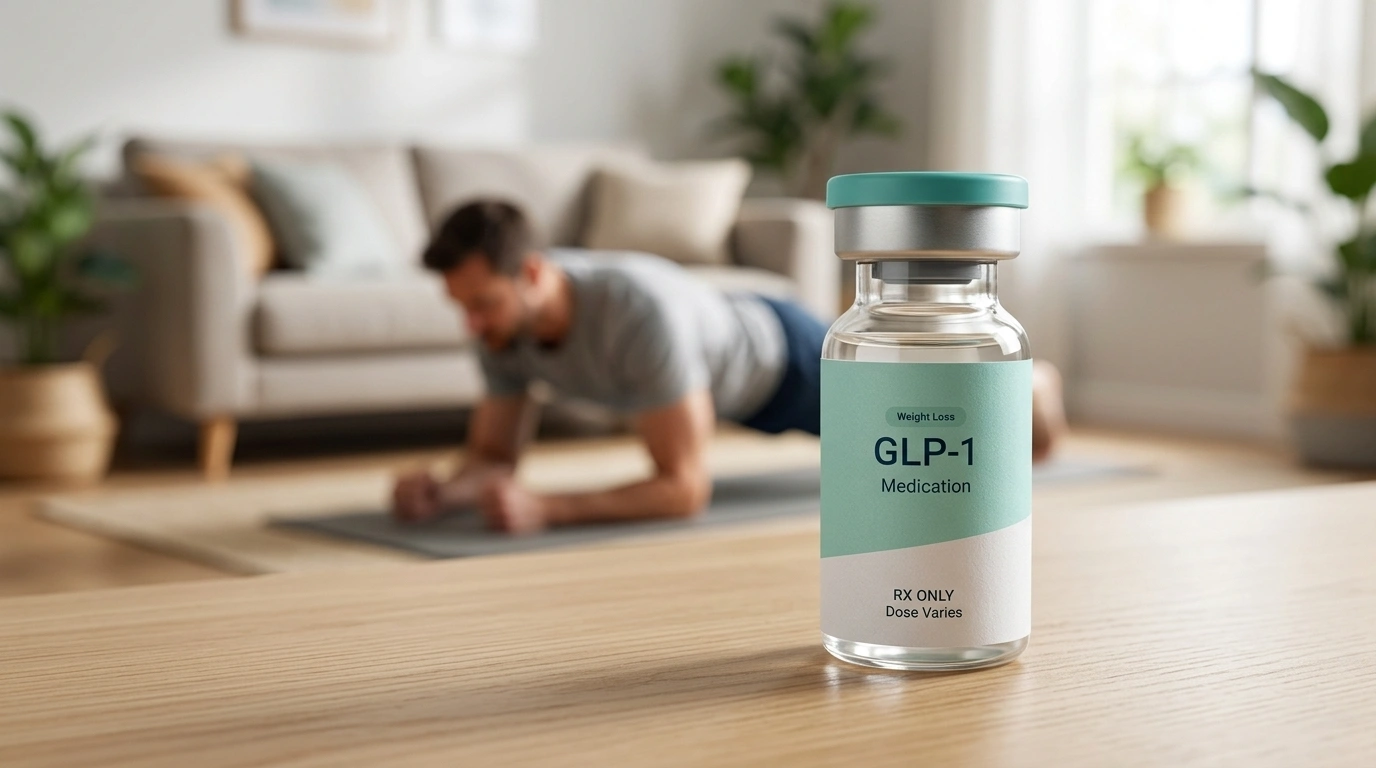
Starting a new weight loss medication can feel like a major turning point in your health journey. However, it is common to feel a sense of hesitation when you hear about potential side effects like digestive discomfort. If you are asking, “does Wegovy cause stomach pain,” you are certainly not alone. Many individuals experience various forms of abdominal distress as their bodies adjust to this type of medication. At TrimRx, we believe that understanding the “why” behind these symptoms is the first step toward managing them effectively. If you are considering a personalized program, you can take the free assessment quiz to see whether you may be a fit. This article will explore why Wegovy® may cause stomach discomfort, how to distinguish between normal adjustment periods and serious concerns, and practical steps you can take to feel better. Our goal is to provide you with the knowledge needed to navigate your weight loss path with confidence and clarity.
Why Wegovy® May Cause Stomach Discomfort
Wegovy® is a brand-name medication containing semaglutide, which belongs to a class of drugs called GLP-1 receptor agonists. GLP-1, or glucagon-like peptide-1, is a hormone that your body naturally produces in the gut. It plays a key role in regulating appetite and blood sugar. When you take a medication like Wegovy®, it mimics this hormone to help you feel full sooner and for longer periods.
While this mechanism is highly effective for weight management, it can also lead to gastrointestinal issues. The primary reason people experience stomach pain is a process called delayed gastric emptying. This means the medication slows down the speed at which food leaves your stomach and enters the small intestine. For a broader look at the digestive side effects that can show up early in treatment, our guide to common GLP-1 side effects is a helpful companion read.
Key Takeaway: Stomach pain is often a byproduct of the medication doing its job—slowing down digestion to help you feel full, which can sometimes lead to backup or pressure in the digestive tract.
Understanding the Range of Digestive Side Effects
Not all stomach pain is created equal. For those taking GLP-1 medications, discomfort can manifest in several different ways. It is important to identify what you are feeling so you can address it correctly with your healthcare provider.
Common Mild Discomfort
Most people who experience side effects describe them as mild to moderate. These typically occur when first starting the medication or when increasing the dosage.
- Nausea: This is the most frequently reported side effect. It often feels like a lingering queasiness, especially after eating a large meal.
- Bloating and Gas: Because food stays in the stomach longer, it can lead to a buildup of gas, causing a “stretched” or tight feeling in the abdomen.
- Heartburn or Acid Reflux: Slower digestion can sometimes cause stomach acid to move back into the esophagus, leading to a burning sensation in the chest or upper stomach.
- Early Satiety: This is the intended effect of the medication, but for some, the feeling of being “overly full” can cross the line into physical discomfort.
More Significant Pain
In some cases, the pain may feel sharper or more persistent. This can sometimes be related to constipation, which is another common side effect of slowed digestion. When the digestive system slows down, waste moves more slowly through the colon, leading to cramping and a heavy feeling in the lower abdomen. If constipation is one of your main concerns, our article on why GLP-1 medications cause constipation explains the mechanism in more detail.
The Science Behind the Sensation
To understand why your stomach might hurt, it helps to look at how GLP-1 receptors work throughout the body. These receptors are located not just in the brain, where they control hunger, but also directly in the lining of the stomach and intestines.
When the medication activates these receptors, it sends signals to the stomach muscles to relax and move more slowly. This is excellent for weight loss because it prevents the “empty stomach” signals that usually trigger hunger. However, if you continue to eat the same portion sizes you were accustomed to before starting the medication, your stomach may become physically overdistended. This overdistension is a common source of the “aching” or “heavy” pain many patients report.
Quick Answer: Yes, Wegovy® can cause stomach pain. This usually happens because the medication slows down digestion, which can lead to bloating, nausea, or discomfort if the stomach becomes too full.
Practical Ways to Manage Stomach Pain
If you are experiencing discomfort, there are several lifestyle adjustments that may help. Most of these focus on working with your body’s new, slower digestive pace rather than against it. For people who want additional nutritional support while adjusting to GLP-1 treatment, the GLP-1 Daily Support supplement can be a useful option to explore.
Diet and Nutrition Shifts
Changing how and what you eat is often the most effective way to reduce stomach pain. Since your stomach is processing food more slowly, the volume and type of food you consume matter more than ever.
- Eat Smaller Portions: Instead of three large meals, try five or six very small snacks throughout the day. This prevents the stomach from becoming too full at any one time.
- Prioritize Lean Protein: Foods like chicken, fish, and tofu are generally easier to digest than heavy, fatty meats.
- Avoid Fried and Greasy Foods: High-fat foods take even longer to digest. When combined with a medication that already slows digestion, these foods can sit in the stomach for an extended period, causing significant nausea and pain.
- Chew Thoroughly: Digestion starts in the mouth. By breaking food down completely before swallowing, you take some of the workload off your stomach.
Hydration and Movement
Staying hydrated is critical, but how you hydrate matters. Drinking large amounts of water during a meal can fill up your stomach even faster, leading to discomfort. Try to sip water consistently between meals instead.
Light physical activity, such as a gentle walk after eating, can also help. Movement encourages the digestive tract to keep things moving, which can alleviate the pressure associated with bloating and gas.
When to Consult Your Healthcare Provider
While mild stomach pain is often a temporary part of the adjustment process, some symptoms require immediate medical attention. It is essential to stay in close contact with your licensed healthcare provider throughout your journey.
Important: If you experience severe, persistent abdominal pain that radiates to your back, seek medical help immediately. This could be a sign of a more serious condition, such as pancreatitis.
Other “red flag” symptoms include:
- Severe vomiting that prevents you from keeping fluids down.
- A high fever accompanied by stomach pain.
- Yellowing of the skin or eyes (jaundice).
- Inability to have a bowel movement for several days.
Your provider may suggest adjusting your dose or slowing down your titration schedule. At us, we emphasize that every individual’s response to medication is unique. Personalized care ensures that your treatment plan is tailored to your specific tolerance levels and health history. If you are ready to check your eligibility, you can complete the free assessment quiz and take the next step.
The Role of Personalized Support
Navigating side effects like stomach pain is much easier when you have a dedicated team supporting you. Weight loss is not a “one size fits all” process. Factors like your starting weight, metabolic health, and even your daily activity levels can influence how your body reacts to GLP-1 medications.
We provide access to programs that include medical supervision and tailored guidance. When you use a platform like ours, you are not just getting a prescription; you are getting a comprehensive support system. This includes access to licensed providers who can help you manage side effects and adjust your program as needed. For readers who want to better understand the digestive changes that can happen during treatment, GLP-1 medications and bowel changes offers a clear overview.
Comparing Options for Your Journey
While Wegovy®, Ozempic®, Mounjaro®, and Zepbound® are well-known branded medications, many people find that a personalized program using compounded medications fits their needs and lifestyle better. Compounded Semaglutide and Compounded Tirzepatide offer the same active ingredients as their branded counterparts but are prepared by FDA-registered, inspected compounding pharmacies.
| Feature | Branded Medications (e.g., Wegovy®) | Compounded Medications |
|---|---|---|
| Active Ingredient | Semaglutide or Tirzepatide | Semaglutide or Tirzepatide |
| FDA Status | FDA-Approved | Prepared in FDA-registered pharmacies |
| Availability | Often subject to pharmacy shortages | Often more readily available |
| Customization | Standardized doses | Potential for more flexible dosing |
Note: Compounded medications are not FDA-approved, though they are prepared by licensed pharmacists in regulated facilities. Branded medications like Wegovy® are FDA-approved for specific uses.
Managing Your Expectations
It is helpful to remember that for the majority of people, stomach pain is most noticeable during the first few weeks of treatment. As your body becomes accustomed to the higher levels of GLP-1, these side effects often diminish. For a deeper dive into how semaglutide side effects can change over time, our guide to semaglutide side effects long term is worth reading.
Myth: “If I have stomach pain, the medication is dangerous for me.” Fact: Mild stomach pain is a common and expected side effect for many people starting GLP-1 therapy. However, it should be monitored by a professional to ensure it remains manageable.
If you find that your stomach pain is linked to general digestive upset, you might consider supplemental support. Our Weight Loss Boost supplement is designed for those looking to support energy and metabolic health during a weight loss journey.
Taking the Next Step with TrimRx
Choosing to pursue medical weight loss is a significant decision. At TrimRx, we are committed to making that process as transparent and supportive as possible. We understand that the fear of side effects like stomach pain can be a barrier, but with the right guidance, these challenges are often manageable.
Our mission is to help you achieve sustainable results through a blend of clinical expertise and empathetic care. By focusing on personalized programs, we ensure that your health profile and goals are at the center of every decision. Whether you are curious about how these medications work or are ready to start your journey, we are here to guide you through every step. If you are thinking about a personalized prescription program, see if you qualify with the free assessment quiz.
Bottom line: While stomach pain can be an uncomfortable side effect of Wegovy®, it is often manageable through dietary changes, proper hydration, and a slow, supervised dosing schedule.
Conclusion
Does Wegovy® cause stomach pain? For many, the answer is yes, especially during the early stages of treatment. However, this discomfort is usually a manageable part of the body’s adjustment to the medication. By understanding the science of delayed gastric emptying and making proactive lifestyle choices, you can minimize these issues.
Remember to:
- Focus on small, nutrient-dense meals.
- Listen to your body’s fullness cues immediately.
- Stay in regular contact with your healthcare provider.
- Monitor for any severe symptoms that require medical attention.
The journey to better metabolic health is a marathon, not a sprint. With the personalized approach offered through our platform, you have access to the tools and professional oversight needed to manage side effects effectively while working toward your goals.
Ready to see if a personalized program is right for you? Your first step is our free assessment quiz, which helps determine your eligibility and creates a foundation for your customized weight loss plan.
FAQ
Is it normal to have stomach cramps on Wegovy?
Yes, mild stomach cramps are a common side effect of Wegovy® and other semaglutide-based medications. These cramps are often caused by the medication slowing down your digestive system, which can lead to gas or bloating. If the cramps become severe or persistent, you should contact your healthcare provider immediately. For more detail on digestive symptoms during treatment, see what to expect with common GLP-1 side effects.
How long does the stomach pain last when starting semaglutide?
For most people, digestive side effects like stomach pain are most intense during the first few days after an injection or when the dosage is increased. As your body adjusts to the medication over several weeks, these symptoms typically decrease in frequency and intensity.
What foods should I avoid to prevent stomach pain on Wegovy?
To minimize discomfort, it is best to avoid high-fat, fried, and heavily processed foods, as these take longer to digest and can worsen nausea and bloating. Additionally, very sugary foods or large portions of high-fiber vegetables all at once may cause distress for some individuals.
Can I take over-the-counter medicine for stomach pain while on Wegovy?
Many people find relief using over-the-counter options for gas, bloating, or occasional indigestion. However, you should always consult with your healthcare provider before adding any new medications or supplements to your routine to ensure they do not interfere with your treatment plan. If you are looking for additional day-to-day support, the GLP-1 Daily Support supplement may be worth considering.
Disclaimer: This content is for informational purposes only and does not constitute medical advice. It is not intended to diagnose, treat, cure, or prevent any disease or condition. Individual results may vary. Always consult a qualified healthcare professional before starting any weight loss program or medication.

Transforming Lives, One Step at a Time
Keep reading
Can the Wegovy Pill Hold the Weight You Lost on Semaglutide Injections?
Most likely yes, once you reach the maintenance dose. The risk is not the destination but the trip: switching means restarting titration on the…

Wegovy Alternatives: What Else Works for Weight Loss
If Wegovy isn’t working out, the strongest alternative is tirzepatide (Zepbound), which tends to produce more weight loss, followed by other GLP-1 options and…

VK2735 vs Wegovy: Investigational Contender vs Proven Semaglutide
VK2735 and Wegovy sit at different stages of development. VK2735, an investigational drug from Viking Therapeutics, comes in both injectable and oral forms and…


