What Happens If You Inject Wegovy into a Muscle
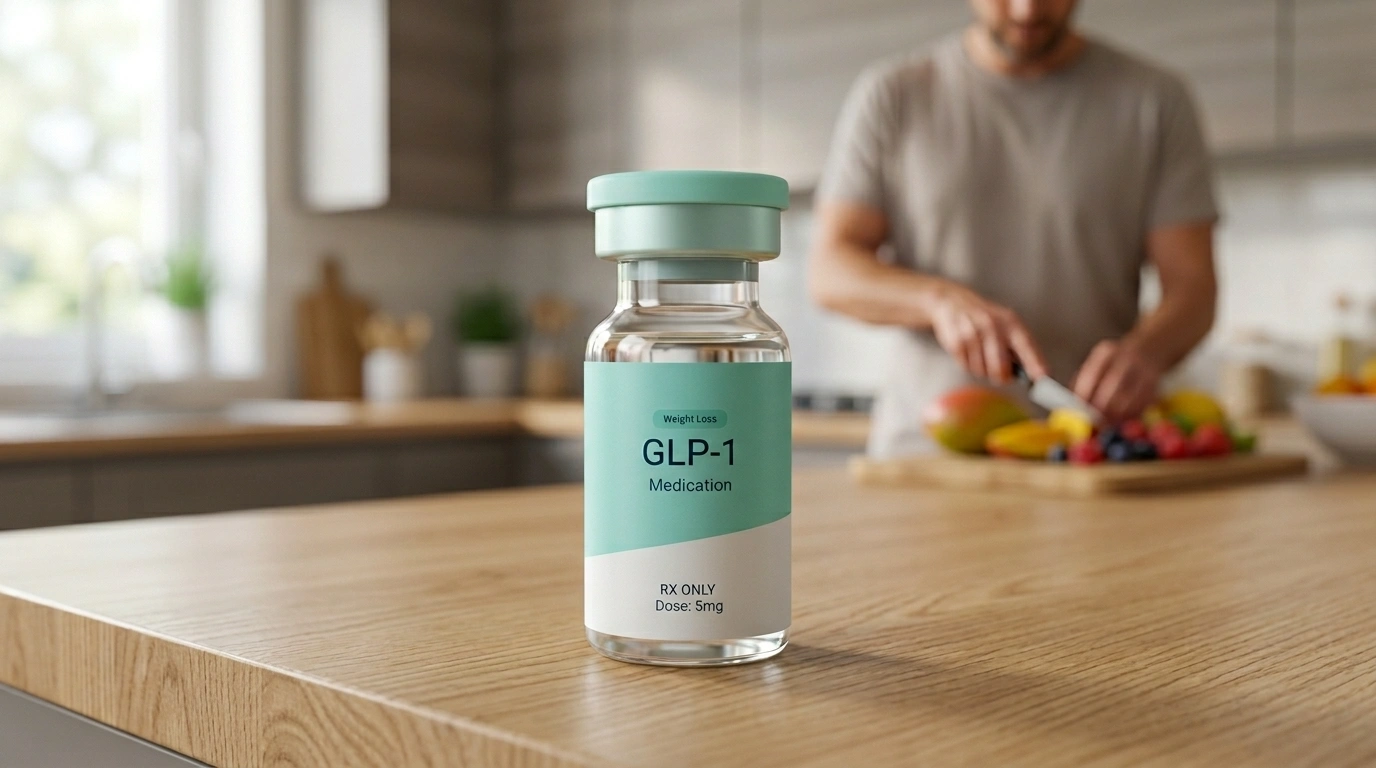
Quick Answer: Injecting Wegovy® into a muscle instead of subcutaneous fat may cause the medication to absorb more rapidly into your bloodstream. This faster absorption can increase the intensity of side effects like nausea and may reduce the duration of the drug’s effectiveness throughout the week.
Introduction
Standing in front of the mirror with a pre-filled pen can be an intimidating moment, especially if you are new to self-administered medications. You might find yourself hovering the needle over your skin, wondering if you are aiming for the right spot or what might happen if the needle goes too deep. This anxiety is common for those starting their journey with GLP-1 medications like Wegovy®. If you want a broader overview of how these medications work, our what GLP-1 medications are and how they work guide is a helpful companion read.
This article explores the physiological differences between fat and muscle injections, the potential side effects of an accidental intramuscular injection, and how to ensure you are using the correct technique every time. By the end of this discussion, you will understand how to optimize your results and keep your journey on a steady, comfortable track.
Understanding Subcutaneous vs. Intramuscular Injections
To understand why injection depth matters, we must first look at how Wegovy® (semaglutide) is designed to work within the human body. Semaglutide is a GLP-1 receptor agonist, which is a synthetic version of a hormone your body naturally produces to regulate appetite and blood sugar.
Most GLP-1 medications are formulated for subcutaneous injection. This means the needle is intended to reach the layer of adipose tissue (fat) located just beneath the skin but above the underlying muscle. A closer look at GLP-1 injection sites for all medications can help you visualize the difference.
The Role of Subcutaneous Fat
Subcutaneous fat serves as a “slow-release reservoir” for the medication. Because fat has less blood flow compared to muscle tissue, the medication sits in the fatty layer and is gradually absorbed into the systemic circulation over several days. This slow absorption is critical for maintaining a steady level of the drug in your system, which is why Wegovy® is only injected once per week.
The Nature of Muscle Tissue
Muscle tissue is highly vascular, meaning it is packed with blood vessels. When a medication is injected directly into a muscle (intramuscularly), the high blood flow carries the drug into the bloodstream much faster than a subcutaneous injection would. While some medications, like certain vaccines or hormones, are designed for this fast uptake, GLP-1s are not.
Key Takeaway: Subcutaneous fat acts as a storage depot that slowly releases medication, while muscle acts as a highway that delivers medication to the bloodstream quickly.
The Consequences of Injecting Wegovy® into a Muscle
If you accidentally inject Wegovy® into a muscle, the most immediate consequence is a change in the drug’s pharmacokinetics—the way the body moves the drug through its systems. While an accidental muscle injection is generally not a medical emergency for most people, it can certainly disrupt your experience and your progress.
Increased Intensity of Side Effects
The primary concern with rapid absorption is a “spike” in the concentration of semaglutide in your blood. Wegovy® is known for gastrointestinal side effects, which are often dose-dependent. When the medication hits your system all at once rather than over several days, you may experience:
- Acute, intense nausea
- Sudden bouts of vomiting
- Increased heart rate (palpitations)
- Significant abdominal cramping
- Dizziness or lightheadedness
For a broader look at the most common concerns people have when starting treatment, see our GLP-1 side effects overview.
Reduced Efficacy Over Time
Because the medication is absorbed faster, it may also leave your system faster. Users who accidentally inject into the muscle might find that the appetite suppression effects wear off by day four or five of the week, rather than lasting the full seven days. This can lead to increased hunger and “food noise” returning before your next scheduled dose.
Pain and Localized Reactions
Muscle tissue contains more nerve endings than the subcutaneous fat layer. An injection into the muscle is typically much more painful than a standard subcutaneous shot. You may experience significant soreness at the site, similar to the feeling of a “charley horse” or the muscle ache following a flu shot. Brusing and localized swelling are also more likely when the needle penetrates the muscle fascia.
How to Tell if You Injected into a Muscle
It is not always immediately obvious if you have missed the fatty layer, but there are a few tell-tale signs to look for during and after your administration.
- Sudden Sharp Pain: A subcutaneous injection usually feels like a tiny pinch or a dull sting. If you feel a sharp, deep, radiating pain, the needle may have entered the muscle.
- Increased Bleeding: While a small drop of blood is normal after any injection, muscle tissue is more vascular and may bleed more significantly than the fatty layer.
- Muscle Twitching: If the needle irritates the muscle fibers, you might notice the area twitching involuntarily during the injection.
- Lingering Aches: Soreness in the fat layer usually fades within an hour. If the area feels bruised or deep-seated pain persists for several days, it is likely the muscle was involved.
If you want to compare these signs with a guide focused on technique, our semaglutide injection troubleshooting guide covers the same issue from another angle.
Note: If you experience extreme pain, redness that spreads, or a high fever after an injection, contact a healthcare professional immediately, as these could be signs of an infection or an adverse reaction.
How to Ensure Correct Subcutaneous Injection
The design of the Wegovy® pen is intended to make subcutaneous injection simple, even for those with no medical background. However, your technique and site selection play a major role in ensuring the needle reaches the right depth.
Choosing the Best Injection Site
There are three primary areas recommended for GLP-1 injections:
- The Abdomen: At least two inches away from the belly button. This area typically has the most subcutaneous fat and is the easiest to access.
- The Front of the Thighs: The midway point between the hip and the knee on the outer side of the thigh.
- The Back of the Upper Arm: This area can be difficult to reach on your own and may require assistance to ensure you are hitting the fatty tissue rather than the tricep muscle.
For a deeper breakdown of site selection, where to inject semaglutide is a useful follow-up.
Step-by-Step Injection Technique
Step 1: Clean the area. Use an alcohol swab to disinfect your chosen site and allow it to air dry completely.
Step 2: Position the pen. Hold the pen at a 90-degree angle (perpendicular) to your skin.
Step 3: The “Pinch” Technique. If you are lean or concerned about hitting muscle, use your free hand to gently pinch a one-to-two-inch fold of skin and fat. This pulls the subcutaneous layer away from the muscle.
Step 4: Depress the pen. Press the pen firmly against the skin (or the pinched fold) until the click sounds or the yellow bar stops moving, according to the manufacturer’s instructions.
Step 5: Hold and Release. Hold the pen in place for 10 seconds to ensure the full dose is delivered, then pull the needle straight out.
If you are still working out your routine, our step-by-step semaglutide injection guide can help reinforce the basics.
Managing the Effects of an Accidental Muscle Injection
If you realize you have likely injected into the muscle, the best course of action is to stay calm and prepare for potential side effects. You cannot “undo” the injection once it has been administered.
Immediate Steps to Take
- Hydrate Well: Increased levels of semaglutide can cause nausea, which may lead to dehydration. Sip water or electrolyte drinks throughout the day.
- Monitor Symptoms: Keep a log of your side effects. If nausea becomes unmanageable, your healthcare provider may be able to prescribe an anti-nausea medication.
- Do Not Re-Dose: Even if you think the medication won’t last the whole week, never take a second dose to “make up” for the injection. Wait until your next scheduled day to resume your program.
- Rest the Muscle: Avoid heavy exercise involving that specific muscle group for 24 to 48 hours to minimize soreness and prevent further irritation.
If you want more context on how to handle tricky injection situations, our GLP-1 injection site technique guide is another helpful reference.
Bottom line: While an intramuscular injection may cause temporary discomfort and increased side effects, it is generally not harmful in the long term. Focus on symptom management and improving your technique for the following week.
The Role of Personalized Support in Weight Loss
Navigating the nuances of GLP-1 therapy is easier when you have a dedicated team behind you. Many individuals find that the transition to injectable medication is the most stressful part of their health journey. This is why a telehealth-first approach can be so beneficial.
Through the TrimRx platform, we connect you with licensed healthcare providers who can guide you through the process of starting a weight loss program. If you are still deciding whether a prescription GLP-1 program is the right fit, you can take the free assessment quiz to see what your next step should be.
Personalization Beyond the Injection
A successful journey involves more than just getting the needle depth right. It involves monitoring your metabolic health, managing your nutrition, and adjusting your program as your body changes. We focus on providing a service that includes:
- Initial health assessments to determine eligibility.
- Ongoing access to specialists to discuss side effects or injection concerns.
- Medications shipped from FDA-registered, inspected compounding pharmacies when appropriate.
- A clear, consistent path forward without the need for in-person waiting rooms.
If you want to see how a personalized program is structured, checking your eligibility is the easiest place to begin.
Common Misconceptions About GLP-1 Injections
There are several myths surrounding the administration of medications like Wegovy® and Ozempic®. Clearing these up can help reduce the anxiety associated with your weekly routine.
Myth: “If it doesn’t hurt, it didn’t go in.” Fact: A correctly administered subcutaneous injection is often nearly painless because the fat layer has very few pain receptors.
Myth: “You must rotate sites to keep the medication working.” Fact: You should rotate sites primarily to prevent “lipohypertrophy” (small lumps of fat that can form under the skin) and skin irritation, not because the drug stops working in one area.
Myth: “Intramuscular injections are better for weight loss because they work faster.” Fact: Faster is not better in this case. The goal is a steady, sustained level of the hormone in your body to regulate appetite effectively over seven days.
Optimizing Your Treatment with Supportive Supplements
While the medication does much of the heavy lifting, many patients find that targeted supplements can help bridge the gap during the initial adjustment period. For example, if you find that you are sensitive to the gastrointestinal shifts that occur with GLP-1 therapy, a daily support supplement can be helpful.
At TrimRx, we offer quick-access options like GLP-1 Daily Support, which is designed to support the body’s natural pathways and manage the common nutritional gaps that can occur when your appetite is significantly reduced. These supplements do not require a prescription and can be a valuable addition to your routine, regardless of your injection technique.
When to Seek Professional Guidance
While self-administering medication is a significant step toward autonomy in your health journey, it should never be done in a vacuum. You should consult with a healthcare provider if:
- You consistently find it difficult to perform the injections.
- You experience severe, persistent side effects regardless of injection technique.
- You notice signs of an allergic reaction, such as hives, swelling of the face, or difficulty breathing.
- You have questions about how Wegovy® interacts with other medications you are taking.
Your provider can offer “refresher” training on injection techniques or discuss whether an oral version of semaglutide might be a better fit for your lifestyle and comfort level.
Summary of Best Practices for Wegovy® Injections
To ensure you are getting the most out of your treatment and avoiding the pitfalls of muscle injections, keep these best practices in mind:
- Check your depth: Use the pinch technique if you have a lower body fat percentage.
- Stay in the “sweet spot”: Stick to the recommended areas of the abdomen and thighs.
- Be patient: Allow the pen to complete its cycle before removing it from the skin.
- Keep it cold (but not too cold): Store your medication in the refrigerator, but many find that letting the pen sit at room temperature for 30 minutes before injecting reduces the “sting.”
- Consult the experts: Use the resources provided by your telehealth platform to answer questions about administration.
Embracing a Healthier Lifestyle with TrimRx
At TrimRx, our mission is to help individuals embrace healthier lifestyles through science, empathy, and a transparent, personalized approach to sustainable weight loss. We understand that the process of starting GLP-1 therapy can feel overwhelming. By combining modern technology with clinical expertise, we aim to make your journey as smooth as possible—from the first assessment quiz to your long-term maintenance.
Sustainable weight loss is a marathon, not a sprint. Proper medication administration is just one piece of the puzzle, alongside nutrition, movement, and emotional support. We are here to ensure you have the tools and the knowledge to navigate every step of that path with confidence.
FAQ
What should I do if I see blood after my Wegovy® injection?
A small amount of bleeding or a tiny bruise at the injection site is normal and usually means you hit a small capillary in the skin. Simply apply gentle pressure with a cotton ball or bandage. If the bleeding is heavy or accompanied by deep, throbbing pain, it may indicate you injected into a muscle or hit a larger vessel, in which case you should monitor for increased side effects.
Can I inject Wegovy® into my arm by myself?
While it is possible, it is often difficult to reach the fatty tissue on the back of the upper arm and maintain the correct 90-degree angle without assistance. If you are injecting alone, the abdomen or the thigh are generally the most reliable sites for ensuring the medication reaches the subcutaneous fat layer. If you are still deciding whether a prescription GLP-1 program is right for you, the assessment quiz is the easiest first step.
Will Wegovy® still work if I hit the muscle?
Yes, the medication will still work, but the timing of its delivery will be altered. You may feel the effects more intensely shortly after the injection, and the appetite suppression may wear off sooner than the full seven days. It is important to return to the correct subcutaneous technique for your next dose.
Does it matter if the medication is cold when I inject it?
Injecting cold medication from the refrigerator can sometimes be more painful and may increase the risk of a localized muscle spasm if the needle goes too deep. Many healthcare providers recommend letting the pen sit at room temperature for about 30 minutes before injection to make the process more comfortable.
Disclaimer: This content is for informational purposes only and does not constitute medical advice. It is not intended to diagnose, treat, cure, or prevent any disease or condition. Individual results may vary. Always consult a qualified healthcare professional before starting any weight loss program or medication.

Transforming Lives, One Step at a Time
Keep reading
Wegovy Alternatives: What Else Works for Weight Loss
If Wegovy isn’t working out, the strongest alternative is tirzepatide (Zepbound), which tends to produce more weight loss, followed by other GLP-1 options and…
VK2735 vs Wegovy: Investigational Contender vs Proven Semaglutide
VK2735 and Wegovy sit at different stages of development. VK2735, an investigational drug from Viking Therapeutics, comes in both injectable and oral forms and…
Mazdutide vs Wegovy: How the Two Compare
Mazdutide and Wegovy are both injectable weight-loss drugs, but they are worlds apart on availability. Mazdutide, a dual glucagon and GLP-1 agonist, is approved…


