Do You Have to Inject Ozempic Same Time Every Week?
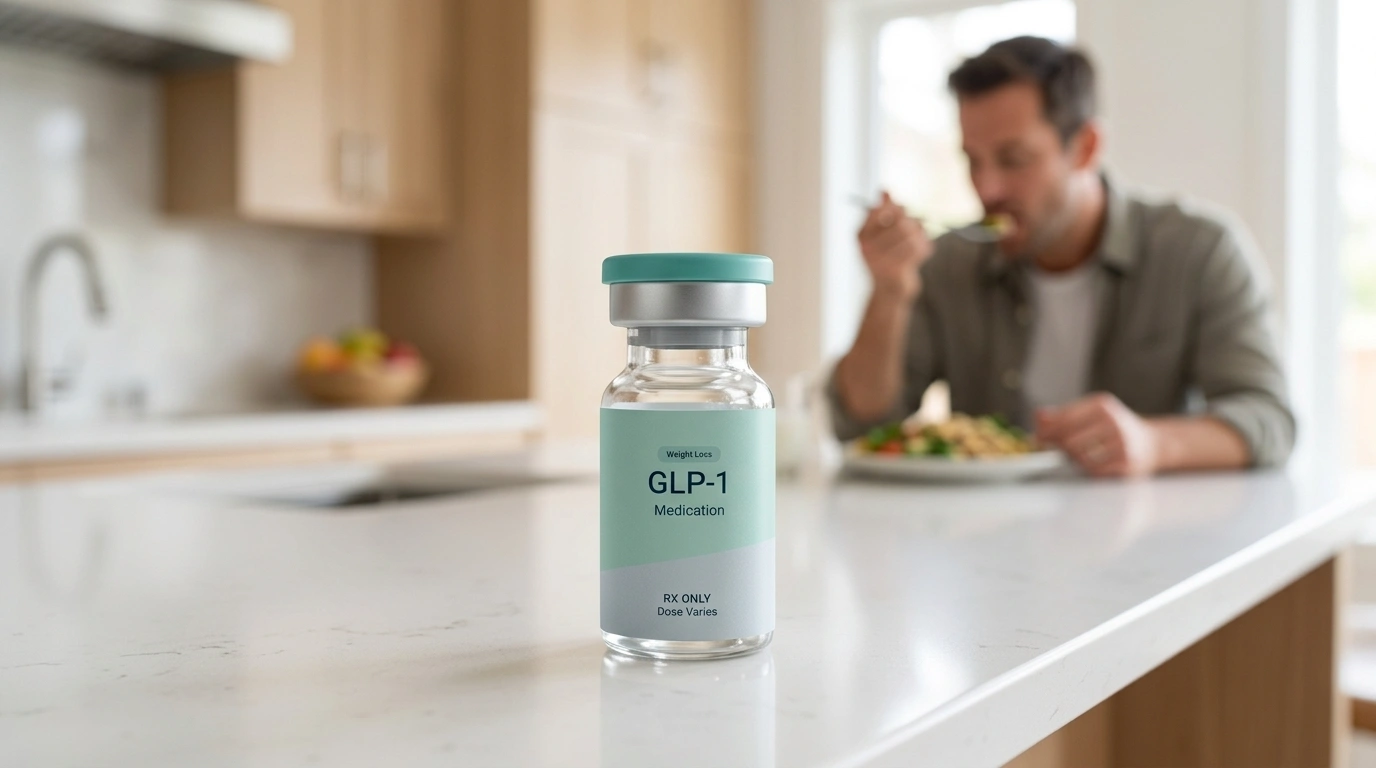
Table of Contents
- Introduction
- The Science of Weekly Dosing
- Consistency vs. Precision
- Changing Your Injection Day
- What to Do if You Miss a Dose
- How Timing Affects Side Effects
- The Difference Between Branded and Compounded Medications
- Preparing for Your Injection
- Maximizing Your Results
- Identifying Your “Why”
- Common Misconceptions About Injection Timing
- Conclusion
- FAQ
Introduction
When you begin a weight loss journey using a GLP-1 medication like Ozempic®, it is natural to feel protective of your new routine. You might find yourself checking the clock, wondering if a two-hour delay or a change in your morning schedule will impact your progress or cause unexpected side effects. At TrimRx, we believe that understanding the science behind your treatment is the first step toward long-term confidence and success. This article explores the specifics of dosing schedules, the flexibility allowed by the medication’s chemistry, and how to handle missed doses. While consistency is vital for maintaining steady levels of the medication in your system, the protocol is more adaptable than many patients realize. Our goal is to help you navigate your treatment with ease and clinical clarity.
Quick Answer: You should inject Ozempic® on the same day each week, but you do not have to inject it at the exact same time of day. As long as you remain consistent with the day, the specific hour does not significantly impact the medication’s effectiveness.
If you are exploring whether a medically supervised weight loss program may be appropriate for you, you can complete a free eligibility assessment.
The Science of Weekly Dosing
Ozempic® contains the active ingredient semaglutide. Semaglutide is a GLP-1 receptor agonist, which is a type of medication that mimics a natural hormone in your body called glucagon-like peptide-1. This hormone helps regulate blood sugar and slows down gastric emptying, making you feel fuller for longer.
The reason this medication is administered once a week, rather than daily, is due to its “half-life.” In pharmacology, a half-life is the amount of time it takes for the concentration of a substance in your body to reduce by exactly half. Semaglutide has a long half-life of approximately seven days.
Because it stays in your system for a significant amount of time, your body builds up a “steady state” of the medication over several weeks. This steady state ensures that the GLP-1 receptors remain activated consistently throughout the week. Because the medication is processed slowly, the exact hour of your injection is less critical than the day itself. For additional background, read this guide to how often GLP-1 medications are taken.
Consistency vs. Precision
Many people wonder if they must set an alarm to ensure they inject at 8:00 AM every Sunday. The short answer is no. While your healthcare provider will likely suggest picking a time that is easy for you to remember, the medication is designed to be effective regardless of the time of day.
You can take your dose in the morning, afternoon, or evening. You can also take it with or without food. Because the medication is injected subcutaneously (under the skin) rather than swallowed, your most recent meal does not interfere with how the medication is absorbed into your bloodstream. You can also review this guide to semaglutide injection timing.
Why a Routine Helps
Even though the clock does not strictly matter, establishing a routine is highly beneficial. Habit stacking—associating your injection with another weekly task—can prevent you from forgetting a dose. For example, some people choose to take their dose every Sunday evening before starting their work week, while others prefer Friday mornings to monitor how they feel over the weekend.
Impact on Steady State
Maintaining a steady state is the goal of any chronic medication. When you inject on the same day each week, you keep the levels of semaglutide in your blood within a therapeutic range. If you were to fluctuate wildly—taking it on Monday one week and Thursday the next—the levels in your blood would become less predictable. This could potentially lead to a return of hunger cues or an increase in gastrointestinal side effects.
Key Takeaway: Precision in the hour of injection is not medically required, but consistency in the day of the week is essential for maintaining stable medication levels and managing appetite effectively.
Changing Your Injection Day
Life happens, and there may be times when your chosen injection day no longer works for you. Perhaps you have a vacation planned, or your work schedule has shifted. You can change the day of your weekly injection as long as the time between two doses is at least 48 hours.
The 48-Hour Rule
This rule is a safety guardrail. Because semaglutide stays in your system for so long, injecting two doses too close together could lead to an accidental “stacking” effect. This could significantly increase the concentration of the medication in your body, which often results in severe nausea, vomiting, or abdominal pain.
If you want to move your injection day from Sunday to Tuesday, you can simply wait until Tuesday to take your next dose. If you want to move it from Sunday to Friday, you must ensure that at least 48 hours have passed since your last Sunday dose. For more guidance, review this Ozempic shot timing guide.
Step-by-Step: Shifting Your Schedule
If you need to permanently move your injection day, follow these steps to do so safely:
- Check your last dose: Confirm the exact day and approximate time you last injected.
- Calculate the gap: Ensure your new desired day is at least 48 hours away from your last injection.
- Administer the dose: Take your medication on the new day.
- Update your calendar: Treat this new day as your permanent weekly schedule going forward.
- Consult your provider: If you are unsure about a significant shift in your schedule, always reach out to your clinical team for guidance.
What to Do if You Miss a Dose
Missing a dose is a common concern. The protocol for a missed dose of semaglutide depends entirely on how much time has passed since your scheduled injection day. This guide to missing an Ozempic shot offers another overview of the process.
The 5-Day Window
If you forget to take your dose on your scheduled day, you can take it as soon as you remember, provided it is within five days of the original date. For example, if your usual day is Sunday and you remember on Wednesday, you should take the dose immediately. You can then return to your regular Sunday schedule for the following week.
When to Skip a Dose
If more than five days have passed since your scheduled dose, you should skip the missed dose entirely. Do not take a double dose to make up for the one you missed. Instead, wait until your next regularly scheduled day to take your usual amount.
Note: If you miss two or more consecutive doses, contact your healthcare provider. They may suggest restarting at a lower dose to prevent gastrointestinal upset, as the level of medication in your system will have dropped significantly.
How Timing Affects Side Effects
While the time of day does not change how well the medication works for weight loss, it may change how you feel. Many patients find that they can manage common side effects, such as nausea or fatigue, by strategically choosing when they inject.
Nighttime Injections
Some individuals prefer to inject in the evening, shortly before bed. The logic behind this is that if the medication causes peak nausea a few hours after administration, the patient may be able to sleep through the worst of it. This is a popular strategy for those who find the first 24 hours after a dose to be the most challenging.
Morning Injections
Conversely, some people experience a burst of energy or find that they prefer to monitor their symptoms throughout the day. For these individuals, a morning injection works best. It allows them to stay hydrated and manage any mild nausea with small, frequent meals during daylight hours.
Side Effect Management
Common side effects of GLP-1 medications include:
- Nausea
- Diarrhea or constipation
- Abdominal pain
- Fatigue
If you experience these, your provider may suggest lifestyle adjustments or supportive supplements. At TrimRx, we focus on a holistic approach. For instance, our GLP-1 Daily Support is designed to help fill nutritional gaps that can occur when your appetite is significantly reduced. Staying hydrated and ensuring you meet your protein requirements are also critical components of a comfortable experience.
The Difference Between Branded and Compounded Medications
It is important to distinguish between branded medications and the options available through telehealth platforms. Ozempic® and Wegovy® are FDA-approved branded medications containing semaglutide. Mounjaro® and Zepbound® are branded medications containing tirzepatide.
TrimRx connects patients with licensed healthcare providers who may prescribe compounded semaglutide or compounded tirzepatide. These medications are prepared by FDA-registered, inspected compounding pharmacies. While compounded medications are not FDA-approved, they use the same active ingredients found in the branded versions.
The dosing logic remains the same for compounded versions: they are typically administered once a week, and the 48-hour rule for changing days still applies. Because we provide a personalized program, your provider will determine the exact dosage that is right for your body and your specific health history. If you are considering treatment, you can see if you qualify for a personalized program.
Preparing for Your Injection
To make your weekly routine as smooth as possible, proper preparation is key. Whether you are using a pre-filled pen or a vial and syringe from a compounding pharmacy, following a standard process ensures safety and efficacy. You can also review this step-by-step self-injection guide.
Storage Requirements
Most GLP-1 medications should be stored in the refrigerator between 36°F and 46°F. Do not freeze the medication. If a dose is accidentally frozen, it should be discarded. Once you are using a pen or vial, many can be kept at room temperature for a specific number of days (usually up to 56 days for branded Ozempic®), but you should always check the specific instructions provided by the pharmacy.
Choosing an Injection Site
There are three primary areas where you can inject:
- The abdomen: At least two inches away from the belly button.
- The front of the thighs: The middle third of the thigh is usually the best spot.
- The back of the upper arm: This may require assistance from another person.
Step 1: Wash your hands. / Always start with clean hands to prevent infection at the injection site.
Step 2: Clean the skin. / Use an alcohol swab to wipe the area where you plan to inject and let it air dry.
Step 3: Rotate sites. / Do not use the exact same spot every week. Rotating sites helps prevent skin irritation or the buildup of fatty tissue under the skin.
Step 4: Administer and dispose. / Follow the specific instructions for your device. Place all used needles in a sharps container, never in the regular trash.
Maximizing Your Results
While the timing of your injection is a logistical detail, the foundation of your success lies in the comprehensive nature of your program. Medication is a powerful tool, but it works best when integrated into a supportive lifestyle.
Nutritional Support
Because GLP-1 medications slow down your digestion, the quality of the food you eat becomes more important. Focusing on high-protein foods helps preserve lean muscle mass during weight loss. Many patients also find that a supplement like our Weight Loss Boost supplement can provide an extra layer of support for metabolic health during their journey.
Professional Oversight
The most significant advantage of using a telehealth platform is the access to specialized care. Our personalized programs are designed to adapt to your needs. If you find that the “same time every week” rule is causing you stress, or if you are struggling with side effects regardless of when you inject, having 24/7 access to a dedicated team of specialists ensures you are never alone in the process.
Bottom line: While you should stick to the same day every week to keep your medication levels stable, the specific hour is flexible. If you need to change your day, just ensure a 48-hour buffer between doses.
Identifying Your “Why”
Weight loss is often about more than just the number on a scale. It is about reclaiming energy, improving mobility, and reducing the risk of chronic conditions. Understanding the mechanics of your medication—like why the timing matters—empowers you to take ownership of your health.
Many individuals who come to us have tried various diets or exercise programs with limited long-term success. The frustration of “yo-yo dieting” is real. GLP-1 medications address the biological components of hunger that willpower alone cannot overcome. By choosing a medically supervised path, you are choosing a science-based approach to a healthier lifestyle.
Common Misconceptions About Injection Timing
There is a lot of misinformation online regarding how and when to take these medications. Let’s clarify a few common myths.
Myth: If I miss my injection by two hours, it won’t work this week.
Fact: Because of the long half-life of semaglutide, a few hours’ difference has no impact on the medication’s effectiveness or your weight loss results.
Myth: I have to take my injection on an empty stomach for it to work.
Fact: Subcutaneous injections bypass the digestive tract for absorption, so having food in your stomach does not change how the medication enters your bloodstream.
Myth: I can’t travel because I might miss my exact injection time.
Fact: The 5-day window for missed doses and the 48-hour rule for changing days make these medications very travel-friendly. Most pens and vials can also stay at room temperature for the duration of a typical trip.
Conclusion
Success on a GLP-1 program is built on consistency, but that consistency does not require perfection down to the minute. You should aim to inject your medication on the same day every week to maintain a steady state in your system, which helps manage your appetite and minimize side effects. However, the specific time of day is entirely up to you and your lifestyle. If you ever need to shift your schedule, remember the 48-hour rule and the 5-day window for missed doses.
At TrimRx, our mission is to help you embrace a healthier lifestyle through a transparent, science-backed, and empathetic approach. We provide more than just a prescription; we offer a personalized journey supported by medical expertise and a dedicated team.
- Inject on the same day each week for best results.
- The time of day is flexible and can be adjusted to manage side effects.
- Maintain at least 48 hours between any two doses.
- If you miss a dose, you have a 5-day window to catch up.
The next step in your journey is just a few clicks away. By taking the free assessment quiz, you can begin the process of discovering a personalized program tailored to your unique health profile and goals.
FAQ
Can I move my Ozempic® injection from morning to night?
Yes, you can change the time of day you take your injection without any issues. Many people switch to evening injections if they find that the medication causes nausea, as it may allow them to sleep through the peak of the side effect.
Is it okay if I take my injection a day late?
Yes, if you miss your scheduled day, you can take the medication up to five days late. After you take the late dose, you can either stay on that new day as your weekly schedule or return to your original day the following week. For more information, read this guide to missed Ozempic shots.
What happens if I inject Ozempic® twice in one week?
You should never take two doses of Ozempic® at the same time or within 48 hours of each other. Injecting too much medication can lead to severe gastrointestinal distress; if you accidentally double your dose, contact your healthcare provider or seek medical attention if symptoms are severe.
Does the injection site affect how fast the medication works?
Research suggests that there is no significant difference in how the medication is absorbed between the abdomen, thigh, or upper arm. However, rotating your injection site each week is important to prevent skin irritation and ensure consistent absorption over time.
Disclaimer: This content is for informational purposes only and does not constitute medical advice. It is not intended to diagnose, treat, cure, or prevent any disease or condition. Individual results may vary. Always consult a qualified healthcare professional before starting any weight loss program or medication.

Transforming Lives, One Step at a Time
Keep reading
Is It Normal to Feel Thirsty After Taking Ozempic?
Some people on Ozempic or another GLP-1 notice they feel thirsty more often, wake up with a dry mouth, or find their lips and…

Is It Normal to Have No Appetite After Taking Ozempic?
For many people, the quieter appetite on Ozempic or another GLP-1 is a welcome relief. Constant snacking fades, portions shrink, and food stops taking…

Is It Normal to Feel Achy After Taking Ozempic?
Some people describe feeling achy, run down, or vaguely flu-like in the day or two after their injection of Ozempic or another GLP-1. Others…


