Does Tirzepatide Help with Anxiety? Exploring the Gut-Brain Link
Introduction
Many people begin a weight loss journey focused on the scale, only to find that their mental landscape shifts just as much as their physical one. When starting a dual-agonist medication, you might notice changes in how you handle stress or a surprising new sense of calm—or, conversely, a feeling of “jitters” that mimics nervousness. At TrimRx, we recognize that metabolic health and mental well-being are deeply connected. While researchers primarily designed these medications to manage blood sugar and support weight loss, their influence on the brain is a growing area of scientific interest. This post looks at the current evidence regarding whether tirzepatide can help with anxiety, how it interacts with the nervous system, and what you should monitor during your treatment. We believe that understanding the emotional side of weight loss is just as vital as the clinical side. If you’re wondering whether a prescription program is the right next step, take the free assessment quiz.
Quick Answer: Tirzepatide is not an FDA-approved treatment for anxiety. However, research suggests that the gut-brain axis and improved metabolic health may lead to reduced anxiety for some, while others may experience increased heart rates that feel like physical nervousness. For a deeper look at the broader question, see a 2026 clinical perspective on GLP-1 anxiety.
Understanding Tirzepatide and the Brain
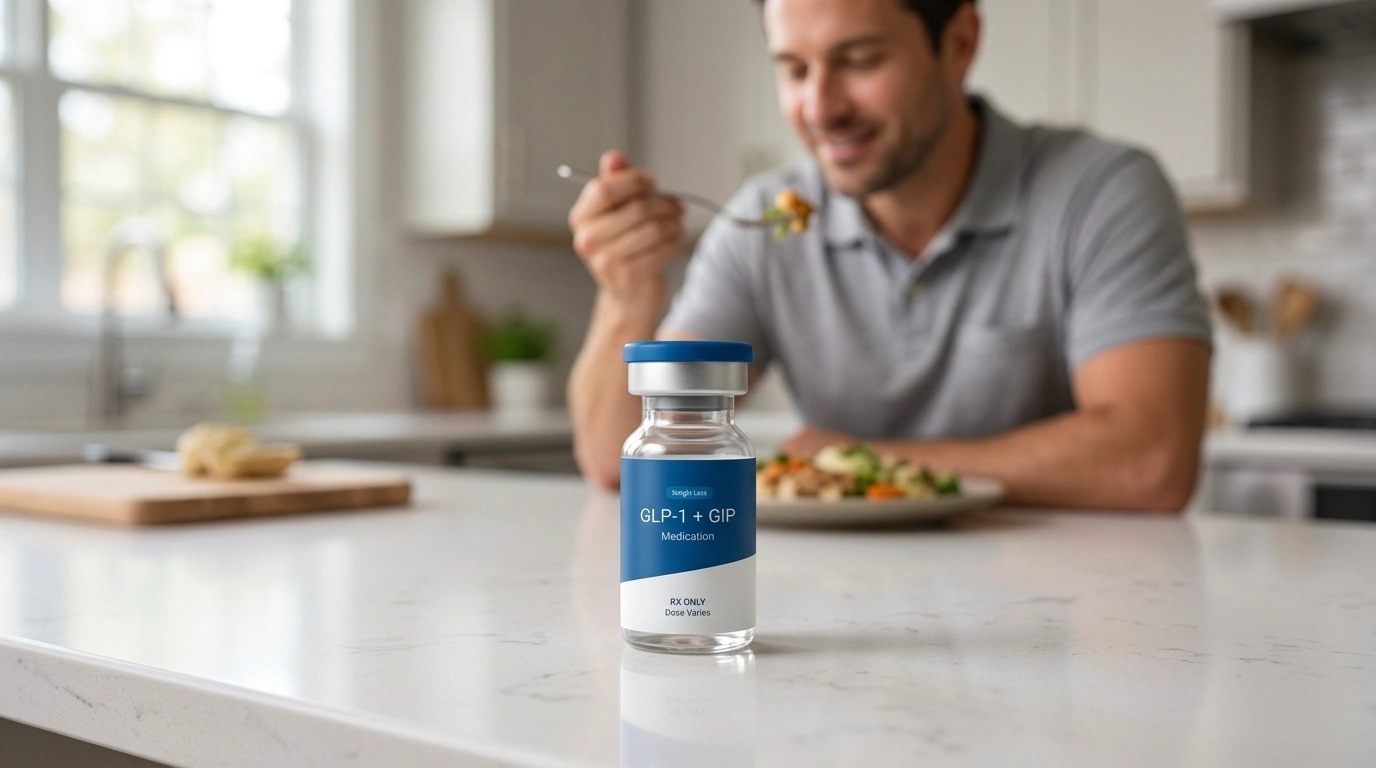
To understand how a weight loss medication might affect your mood, it helps to know exactly what it is. Tirzepatide is a dual-agonist medication. This means it mimics two different hormones naturally produced in the human body: Glucagon-like peptide-1 (GLP-1) and Glucose-dependent insulinotropic polypeptide (GIP). For a closer look at the biology behind these treatments, read how GLP-1 actually works for weight loss.
While these hormones are famous for their role in digestion—slowing down how fast the stomach empties and telling the pancreas to release insulin—they do not stay confined to the gut. Receptors for both GLP-1 and GIP are found in various regions of the brain, including areas responsible for reward, emotion, and the “fight or flight” response. Because tirzepatide crosses the blood-brain barrier, it can interact with these neural pathways, potentially influencing your mood and stress levels.
The Role of GLP-1 in Mood
GLP-1 (glucagon-like peptide-1) receptors are located in the hypothalamus and the hindbrain. These areas regulate not only hunger but also the body’s response to stress. Some early research in animal models suggests that activating these receptors might have neuroprotective effects and could potentially reduce behaviors associated with anxiety. In humans, the data is still emerging, but many patients report feeling a “quieting” of the mind, often referred to as a reduction in “food noise,” which may lead to a lower baseline of daily stress. If that idea resonates with you, Food Noise and GLP-1: Why the Mental Quiet Around Food Matters is worth a read.
The Role of GIP in Emotional Processing
GIP (glucose-dependent insulinotropic polypeptide) is the second half of the tirzepatide formula. While less is known about GIP’s direct impact on anxiety compared to GLP-1, it is believed to work alongside GLP-1 to enhance metabolic stability. By stabilizing blood sugar levels, GIP may help prevent the “highs and lows” of glucose spikes and crashes, which are notorious for triggering irritability and physical symptoms of anxiety.
Can Tirzepatide Directly Improve Anxiety?
While tirzepatide is not a psychiatric medication, many individuals report an improvement in their overall mood. This improvement is usually a secondary effect of the primary benefits of the medication. When your body functions more efficiently, your mind often follows suit.
Improved Metabolic Health and Stability
Fluctuating blood sugar is a common, often invisible, cause of anxiety-like symptoms. When blood sugar drops quickly (hypoglycemia), the body releases adrenaline to compensate. This can cause a racing heart, shakiness, and a sense of impending doom—the hallmarks of a panic attack. Because tirzepatide helps maintain steady insulin levels and prevents these dramatic spikes and crashes, many people find that their physical “anxiety” decreases simply because their internal fuel levels are more consistent.
The Psychological Impact of Weight Loss
For many, the struggle with weight is a significant source of chronic stress and social anxiety. As individuals lose weight and gain confidence, their self-perception often shifts. Reducing the burden of weight-related health concerns can lift a psychological weight, leading to a natural decrease in generalized anxiety. Research suggests that sustainable weight management often correlates with improved quality of life and lower scores on clinical depression and anxiety scales. If food-related thoughts are part of the stress cycle, how GLP-1 medications can help stop food noise may be a helpful companion article.
Reducing Systemic Inflammation
Chronic inflammation is increasingly linked to mental health disorders, including anxiety and depression. GLP-1 medications have shown anti-inflammatory properties in clinical studies. By reducing systemic inflammation, tirzepatide may indirectly support a healthier brain environment, potentially alleviating some of the biological triggers of mood disorders.
Key Takeaway: While not an anti-anxiety drug, tirzepatide may lower anxiety by stabilizing blood sugar, reducing systemic inflammation, and easing the psychological stress of weight management.
When Tirzepatide Might Increase Anxiety
It is important to acknowledge that not everyone feels calmer on tirzepatide. For some, the medication can actually trigger feelings that mimic or worsen anxiety. This is often due to the physical side effects of the medication rather than a change in brain chemistry.
The “Jitters” and Heart Rate Changes
One of the known side effects of GLP-1 and GIP agonists is a slight increase in resting heart rate. For some, an extra 5 to 10 beats per minute isn’t noticeable. However, for individuals who are sensitive to their body’s internal signals (a trait called interoception), a faster heart rate can be misinterpreted by the brain as a sign of danger or anxiety. This can create a feedback loop where the physical sensation of a racing heart leads to an anxious thought process.
Gastrointestinal Distress and the Nervous System
The gut and the brain are in constant communication via the vagus nerve. Tirzepatide commonly causes nausea, bloating, or indigestion, especially during the early weeks of treatment or after a dose increase. Because the gut is often referred to as the “second brain,” significant digestive discomfort can trigger a stress response in the body, making the user feel uneasy, irritable, or “on edge.” If you want a closer look at how those symptoms tend to show up in practice, read our guide to tirzepatide side effects.
Nutrient Intake and Mood
Because tirzepatide significantly reduces appetite, some users may inadvertently consume too few calories or miss out on essential nutrients like B vitamins and magnesium, which are critical for nerve function and mood regulation. Dehydration, another common issue if water intake isn’t prioritized, can also lead to fatigue and lightheadedness, both of which can exacerbate feelings of anxiety. If appetite suppression makes it hard to meet your intake, the GLP-1 Daily Support supplement can offer daily nutritional support alongside treatment.
Note: If you have a history of severe anxiety or panic disorders, it is essential to discuss this with a healthcare provider before starting any new medication, as physical side effects could potentially trigger existing conditions.
Comparing Physical Symptoms vs. True Anxiety
It can be difficult to tell if the medication is causing “real” anxiety or if you are simply experiencing physical side effects that feel like anxiety. The following table can help you distinguish between the two.
| Sensation | Likely a Physical Side Effect | Likely Psychological Anxiety |
|---|---|---|
| Increased Heart Rate | Constant, slightly elevated resting rate | Sudden spikes related to specific thoughts |
| Shakiness | Often occurs if you haven’t eaten or are dehydrated | Accompanied by “racing” or fearful thoughts |
| Nausea/Queasiness | Related to meals or dose timing | Accompanied by a “knot” in the stomach due to stress |
| Sleep Changes | Difficulty falling asleep due to indigestion | Ruminating thoughts keeping you awake |
| Restlessness | A physical need to move or “fidget” | A feeling of dread or being “on the lookout” for danger |
Clinical Research and Evidence
To date, there have been no large-scale clinical trials specifically investigating tirzepatide as a treatment for anxiety disorders. Most of the data we have comes from the SURMOUNT and SURPASS clinical trials, which focused on weight loss and Type 2 Diabetes management.
In these trials, participants using tirzepatide—marketed under the brand names Mounjaro® and Zepbound®—generally reported an improvement in “health-related quality of life.” This includes physical functioning and self-esteem. While some participants did report anxiety as an adverse event, it was not listed as a common side effect for the majority of the study population. For a fuller look at side effect considerations, see our guide to compounded tirzepatide side effects.
It is also worth noting that medications like Compounded Tirzepatide are frequently used in personalized weight loss programs. While these are prepared by FDA-registered and inspected compounding pharmacies, they are not themselves FDA-approved for any specific condition, including anxiety. The clinical consensus remains that any mood-related changes should be monitored closely by a medical professional.
Tips for Managing Mood During Treatment
If you are concerned about how tirzepatide might affect your mental health, there are several steps you can take to support your nervous system while on your weight loss journey.
Step 1: Track your symptoms. Keep a simple log of your doses, what you eat, and how you feel emotionally. You may find that your “anxiety” only appears on the day after your injection or when you haven’t drunk enough water.
Step 2: Prioritize protein and hydration. Low blood sugar and dehydration are major triggers for physical nervousness. Ensure you are meeting your nutritional goals even when your appetite is low.
Step 3: Incorporate gentle movement. While intense exercise is great, gentle activities like walking or yoga can help lower cortisol levels and “burn off” the extra nervous energy caused by an increased heart rate. If you want extra metabolic support while you build momentum, the Weight Loss Boost supplement can be a useful companion.
Step 4: Practice mindfulness. Because tirzepatide can change how your body feels internally, mindfulness can help you “re-label” those sensations. Instead of thinking “I am anxious,” you can tell your brain, “My heart is just beating a little faster because of my medication.”
Step 5: Consult your provider. If you feel a significant shift in your mood—whether positive or negative—speak with the medical team overseeing your program. They can help determine if a dosage adjustment is necessary.
Bottom line: Managing your mood on tirzepatide requires a holistic approach that includes proper nutrition, hydration, and a clear understanding of the difference between physical side effects and emotional distress.
The Personalized Approach with TrimRx
Every individual responds differently to metabolic treatment. At TrimRx, we believe that weight loss is not a one-size-fits-all process. Our platform connects you with licensed providers who take the time to understand your medical history, including any concerns you have about mental health and anxiety. If you’re ready to see whether a prescription program fits your goals, complete a free eligibility assessment.
We provide access to personalized programs that may include medications like Compounded Semaglutide, Compounded Tirzepatide, or branded options like Wegovy® or Zepbound®. By choosing a telehealth-first model, we ensure you have the support you need without the stress of waiting rooms or in-person visits. Our goal is to help you achieve sustainable weight loss while feeling supported, heard, and balanced.
Conclusion
The question of whether tirzepatide helps with anxiety is complex. For many, the road to better metabolic health leads to a calmer mind and a more stable mood. The reduction of systemic inflammation, the elimination of “food noise,” and the stabilization of blood sugar can all contribute to a significant decrease in daily stress. However, the physical side effects of the medication—such as an increased heart rate or GI discomfort—can sometimes be mistaken for anxiety.
At TrimRx, our mission is to provide science-backed, empathetic care that looks at the whole person, not just the number on the scale. We are here to guide you through every step of your journey, ensuring that your path to a healthier weight also leads to a healthier, happier you.
- Tirzepatide is not a primary treatment for anxiety but may improve mood through metabolic health.
- Physical side effects can sometimes mimic the symptoms of nervousness.
- Stable blood sugar levels are key to preventing “glucose-induced” anxiety.
- Professional medical supervision is essential for monitoring mood changes.
If you are ready to see how a personalized program can support your health goals, your next step is to explore your options with the free assessment quiz.
FAQ
Is anxiety a common side effect of tirzepatide?
Anxiety is not considered a primary side effect of tirzepatide, but some users report feeling “jittery” or having a racing heart. These sensations are often related to the medication’s effect on the resting heart rate or the body’s response to low calorie intake. If these feelings become distressing, it is important to consult with your healthcare provider.
Can I take anti-anxiety medication with tirzepatide?
Many people successfully use tirzepatide alongside prescribed anti-anxiety medications. However, because tirzepatide slows gastric emptying, it may affect how quickly your body absorbs oral medications. Always disclose all current prescriptions and supplements to your provider during your TrimRx consultation to ensure your treatment plan is safe and effective.
Does the “food noise” reduction help with social anxiety?
For individuals whose anxiety is tied to eating habits, weight, or body image, the reduction in “food noise” can be incredibly liberating. By quieting constant thoughts about food, many patients find they have more mental energy to engage in social situations and daily activities without the background stress of cravings.
What should I do if my anxiety gets worse after a dose increase?
If you notice a spike in anxiety following a dose increase, it may be a temporary reaction to the physical changes in your body. Focus on hydration and steady nutrition, and give your body a few days to adjust. If the feeling persists or becomes overwhelming, reach out to your medical team to discuss whether a slower titration schedule is right for you. If you’re not already in a monitored program, see if you qualify for a personalized program so you can start with the right support.
Disclaimer: This content is for informational purposes only and does not constitute medical advice. It is not intended to diagnose, treat, cure, or prevent any disease or condition. Individual results may vary. Always consult a qualified healthcare professional before starting any weight loss program or medication.

Transforming Lives, One Step at a Time
Keep reading

Why Did My Tirzepatide Leak Out After I Pulled the Needle Out?
A small drop of liquid at the injection site after you withdraw the needle is common and usually means you lost a negligible amount…

My Tirzepatide Vial Looks Cloudy. Is It Still Good?
If your tirzepatide vial looks cloudy, do not inject it. Tirzepatide solution should be clear and colorless to slightly yellow, with no visible particles….

How to Get Tirzepatide Hollywood — Prescribed Online Today
Get tirzepatide Hollywood through licensed telehealth — California residents receive FDA-registered compounded prescriptions shipped in 48 hours without


