How to Store Semaglutide Injection
Introduction
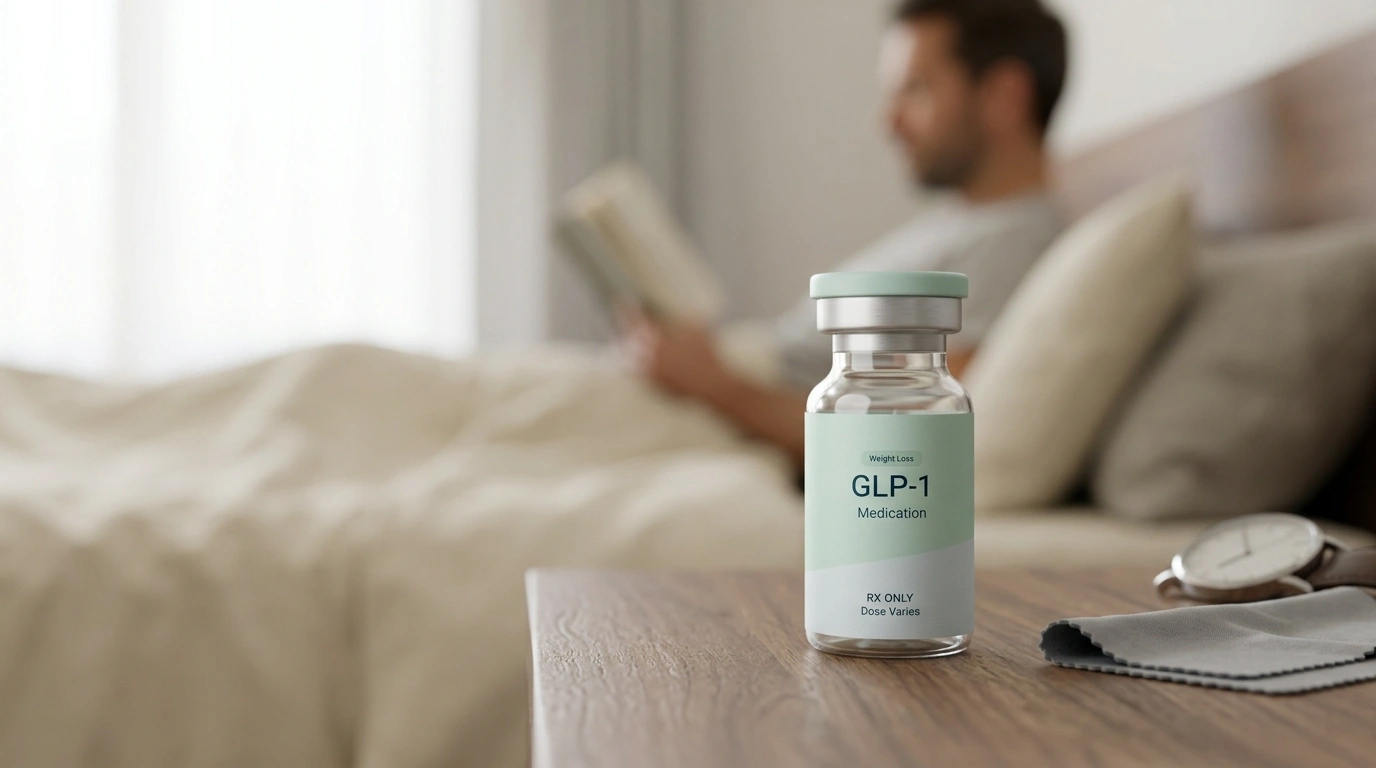
You have finally taken the first step toward a healthier lifestyle and received your medication. Whether you are holding a prefilled pen or a vial, a common wave of anxiety often follows: where exactly should this go? Is the butter compartment in the refrigerator door safe, or is it too warm? What happens if you accidentally leave it on the kitchen counter overnight? These are valid concerns because weight loss is a significant investment of your time and hope. At TrimRx, we believe that managing your treatment should be as stress-free as possible. This article covers the essential temperature requirements, light protection needs, and safety checks for your medication. Understanding how to store semaglutide injection is the best way to protect its potency and ensure your journey toward sustainable metabolic health stays on track.
Quick Answer: Unopened semaglutide injections must be kept in the refrigerator between 36°F and 46°F. Once in use, some forms can stay at room temperature (up to 86°F) for 28 to 56 days depending on the brand, while compounded versions typically require consistent refrigeration.
The Science of Why Storage Matters
To understand the rules, it helps to understand what you are actually injecting. Semaglutide is a glucagon-like peptide-1 (GLP-1) receptor agonist. In plain English, this means it is a synthetic version of a hormone your body naturally produces to manage hunger and blood sugar. Because semaglutide is a peptide—essentially a short chain of amino acids—it behaves much like a protein.
Proteins are delicate. They are held together by specific chemical bonds that stay stable only within certain environments. When a peptide is exposed to extreme heat or freezing cold, those bonds can “denature” or break apart. Once the structure of the molecule changes, it can no longer “fit” into the receptors in your body. This makes the medication lose its strength, meaning it will not be as effective at helping you manage your appetite or weight.
For a closer look at how storage, travel, and temperature affect semaglutide, review this guide to semaglutide storage, travel, and handling.
The Impact of Temperature on Efficacy
If the medication gets too warm, the molecules break down. If it freezes, the structure is often permanently shattered. You might not see a physical difference in the liquid, but the biological “key” that unlocks your metabolic progress may no longer work. Proper storage is not just about safety; it is about making sure every dose provides the results you expect.
Key Takeaway: Semaglutide is a protein-based medication that is highly sensitive to its environment. Maintaining the correct temperature preserves the chemical structure required for the drug to work effectively.
Storage Guidelines for Branded Medications
The storage rules can differ slightly depending on which specific product you have. While we do not provide branded medications directly, our platform connects you with licensed providers who may prescribe them. It is important to read the packaging insert for your specific prescription.
If you are considering whether a prescription weight-management program may be appropriate for you, you can complete the free assessment quiz to begin the review process.
Ozempic® Storage Requirements
Ozempic® is a multi-dose pen used for type 2 diabetes that is also sometimes prescribed for weight management.
- Before first use: Keep the pen in the refrigerator (36°F to 46°F) until the expiration date.
- After first use: You have more flexibility. You can keep the pen in the fridge or at room temperature (59°F to 86°F).
- The 56-day rule: Regardless of where you store it after the first dose, the pen must be discarded 56 days after opening.
Wegovy® Storage Requirements
Wegovy® is specifically FDA-approved for chronic weight management. Most versions come in single-dose pens.
- Primary storage: Keep it in the refrigerator (36°F to 46°F) in the original carton.
- Room temperature window: If needed, an unopened Wegovy® pen can stay at room temperature (up to 86°F) for up to 28 days.
- Discarding: Once you remove the cap and use the pen, it should be disposed of immediately in a sharps container.
How to Store Compounded Semaglutide
Many people in our program use compounded semaglutide. These medications are prepared by FDA-registered and inspected compounding pharmacies. It is important to note that compounded medications are not FDA-approved. Because they are custom-mixed, they often have different storage needs than mass-produced branded pens.
Always follow the specific label on your vial. Compounded semaglutide is usually provided in a multi-dose glass vial rather than a prefilled pen. Because these formulations may not contain the same preservatives as branded versions, they almost always require consistent refrigeration.
Read more about compounded semaglutide storage and shelf life when you need to understand BUDs, refrigeration, and handling after first use.
The Beyond Use Date (BUD)
Instead of a long-term expiration date, compounded medications have a “Beyond Use Date” or BUD. This is the date the pharmacy determines the medication should no longer be used.
- Check the label: Most compounded vials are meant to be used within 28 to 90 days of being prepared.
- Puncture timing: Often, the clock starts the moment you first move the needle into the rubber stopper.
- Consistent cold: Unlike some branded pens, we generally recommend keeping compounded vials in the fridge at all times, only taking them out for the few minutes it takes to prepare your dose.
Bottom line: Branded pens like Ozempic® offer some room-temperature flexibility after opening, but compounded semaglutide vials generally require strict, continuous refrigeration to maintain stability and prevent bacterial growth.
Choosing the Best Spot in Your Refrigerator
Not every spot in your fridge is created equal. To keep your medication safe, you need to avoid “temperature zones” that fluctuate too much.
Avoid the refrigerator door. While it is a convenient place for eggs or condiments, the door is the warmest part of the fridge. Every time you open the door, the medication is hit with a blast of warm air. This constant “cycling” between cold and warm can degrade the peptides faster than usual.
Keep it away from the cooling element. The back wall of the refrigerator is often where the coldest air enters. If you push your vial or pen all the way to the back, it might accidentally freeze. As we have discussed, freezing is a “death sentence” for semaglutide stability.
For additional refrigerator placement guidance, see these practical GLP-1 storage tips.
The “Sweet Spot” for Storage:
- Middle shelf: This is usually the most temperature-stable area.
- Original packaging: Keep the vial or pen inside the box it came in. This provides an extra layer of insulation and protects it from light.
- Away from food: Store it in a clear container so it is not accidentally knocked over or mistaken for something else.
Protecting Your Medication from Light
Temperature is the primary concern, but light exposure is a close second. Semaglutide is photosensitive. This means that exposure to direct sunlight or even strong indoor light can cause the chemical bonds to break down.
Most medication containers are designed to be amber-colored or opaque to help with this, but the best protection is the original carton. When you are not using your pen or vial, it should be tucked away in its box. This is especially important for Ozempic® or Wegovy® pens, which have clear windows to help you see the liquid.
The Visual Safety Check: Clear vs. Cloudy
Before every single injection, you should perform a visual inspection of the medication. This is a simple but vital habit to develop.
What it should look like:
The liquid should be completely clear and colorless. It should look just like water.
When to discard it:
- Cloudiness: If the liquid looks milky, hazy, or cloudy, it may be contaminated with bacteria or have begun to break down.
- Particles: If you see any tiny flecks, “strings,” or solid particles floating in the solution, do not use it.
- Discoloration: If the liquid has turned yellow, brown, or any other tint, the medication has likely degraded.
If you notice any of these changes, contact your healthcare provider or the pharmacy. It is never worth the risk of injecting a compromised medication.
If you are unsure what a compromised vial may look like, review this guide to handling compounded semaglutide at home.
Handling Accidental Exposures
Life happens. Maybe you left your pen on the nightstand after your dose, or perhaps the power went out for six hours. What should you do?
If the medication was left out
For branded pens like Ozempic®, if the room was below 86°F and it has been out for less than a day, it is likely still fine. Simply put it back in the fridge. For compounded semaglutide, you should be more cautious. If a compounded vial reaches room temperature for more than an hour or two, contact your pharmacist for guidance.
If the medication froze
This is a “hard stop” rule. If you see ice crystals in the vial, or if you know the temperature dropped below 32°F in your fridge, you must discard the medication. Even if it thaws and looks clear again, the molecular structure has been damaged. It will likely not work, and the safety of the denatured protein cannot be guaranteed.
If the power goes out
Keep the refrigerator door closed as much as possible. A closed fridge can usually maintain a safe temperature for about four hours. If the outage lasts longer, you can move the medication to a small insulated cooler with a cold pack. Important: Do not let the medication touch the ice pack directly. Wrap the box in a hand towel before placing it near the cold source to prevent accidental freezing.
If you are deciding whether prescription treatment may fit your situation, you can start the assessment process and provide information for licensed provider review.
Traveling with Semaglutide Injection
One of the benefits of our program is that your lifestyle does not have to stop just because you are on a weight loss journey. Traveling with your medication is very manageable with a little preparation.
Air Travel:
- Never put medication in checked luggage. The cargo hold of a plane can experience extreme temperature shifts and pressure changes. It might freeze or overheat.
- Keep it in your carry-on. This ensures the medication stays at a regulated cabin temperature.
- TSA Rules: You are allowed to carry liquid medications and used/unused needles. You should notify the TSA officer that you have them. Keeping the medication in its original packaging with the prescription label attached makes the process much smoother.
For more preparation advice, see this guide to traveling with GLP-1 medication.
Road Trips:
- Use an insulated travel bag. There are many small, inexpensive “insulin travel cases” designed to keep pens or vials cool for several hours.
- Avoid the glove box or trunk. These areas can become like ovens in the summer. Keep the medication in the passenger area of the car where the air conditioning is running.
Note: If your trip is less than two weeks and you are using a branded pen that allows for room-temperature storage, you may not even need a cooler. However, always check your specific medication’s “out-of-fridge” limit first.
Safe Disposal of Your Injection Materials
Storing the medication is half the battle; disposing of the waste is the other half. Because semaglutide is an injectable, you will have used needles. These cannot be thrown in the regular trash or recycling bin.
- Use a Sharps Container: You can purchase a red plastic sharps container at most pharmacies. If you do not have one, a heavy-duty plastic container with a screw-top lid (like a laundry detergent bottle) can work as a temporary solution.
- Label it clearly: If using a household bottle, write “SHARPS – DO NOT RECYCLE” on the outside.
- Check local rules: Disposal laws vary by state. Some areas allow you to drop them off at designated collection sites, while others have “mail-back” programs.
Starting Your Journey with TrimRx
At TrimRx, we know that success in weight loss comes down to the details. It is not just about the medication; it is about the support system and the expertise behind it. We provide a telehealth-first experience that removes the barriers of traditional weight loss clinics.
When you join us, you are not just getting a prescription. You are gaining access to a dedicated team of specialists who understand the nuances of GLP-1 therapy. Our programs are fully personalized based on your unique health profile and goals. We handle the logistics—including shipping from licensed pharmacies—so you can focus on your health.
If you are ready to see if a personalized program is right for you, the first step is simple.
Steps to Get Started:
- Step 1: Complete the free assessment. Answer a few questions about your health history, current weight, and goals on our platform.
- Step 2: Provider review. A licensed healthcare provider reviews your information to determine if medication is safe and appropriate for you.
- Step 3: Personalized plan. If eligible, your provider will recommend a treatment plan tailored to your needs.
- Step 4: Direct shipping. Your medication is shipped from an FDA-registered compounding pharmacy directly to your door with all necessary supplies included.
Conclusion
Storing your semaglutide correctly is a small habit that yields big results. By keeping your medication in the “sweet spot” of the refrigerator, protecting it from light, and performing a quick visual check before each dose, you ensure that every injection is as potent as the first. Whether you are using a branded pen with more flexibility or a compounded vial that needs a steady chill, consistency is your best friend.
Key Takeaway: The “Gold Standard” for semaglutide storage is to keep it refrigerated, in its original box, on a middle shelf, and away from light and freezing elements.
We are committed to helping you navigate every part of this process with confidence and clarity. Our mission is to combine modern science with empathetic, personalized care to make sustainable weight loss achievable for everyone.
If you are curious about how a medically supervised program can change your approach to weight loss, we invite you to take the next step.
“Your health journey is a marathon, not a sprint. Proper medication care is one of the many ways you respect the progress you are making every day.”
Ready to begin? Take the free assessment quiz today to explore your options and start your personalized journey with us.
FAQ
Can I use semaglutide if it was left out overnight?
If you are using a branded pen like Ozempic®, it can stay at room temperature (up to 86°F) for up to 56 days after opening, so one night is generally fine. However, if you are using compounded semaglutide from a vial, the stability is more sensitive; you should check for cloudiness and contact your provider or pharmacist before use.
What should I do if my medication arrives warm in the mail?
Most pharmacies ship semaglutide in insulated packaging with cold packs to ensure it stays within a safe range during transit. If the medication feels hot to the touch or the liquid is cloudy upon arrival, do not use it and contact our support team or the pharmacy immediately for a replacement.
Is it okay to store my injection pens in the freezer?
No, you should never store semaglutide in the freezer. Freezing temperatures permanently damage the protein structure of the medication, making it ineffective. If your medication has frozen, even if it has since thawed, it must be discarded.
How do I know if my semaglutide has “gone bad” or lost its strength?
The most common sign that semaglutide has degraded is a change in appearance, such as cloudiness, particles, or a change in color from clear to yellow or brown. Additionally, if you notice a sudden, significant increase in hunger or a total loss of the medication’s usual effects, it may have lost its potency due to improper storage.
TrimRX does not practice medicine or prescribe medications. Compounded medications are not FDA-approved and are not evaluated by the FDA for safety or efficacy. Results vary by individual and are not guaranteed.
Disclaimer: This content is for informational purposes only and does not constitute medical advice. It is not intended to diagnose, treat, cure, or prevent any disease or condition. Individual results may vary. Always consult a qualified healthcare professional before starting any weight loss program or medication.

Transforming Lives, One Step at a Time
Keep reading
Semaglutide vs Tirzepatide: Comparing Weight Loss, Blood Sugar, and Side Effects
Semaglutide and Tirzepatide are one of the most common comparisons in medical weight loss. The two medications share a clear family resemblance. Both are…

How Much Weight Can You Lose on Semaglutide?
How much weight can you lose on semaglutide? The answer varies depending on your starting weight, dosage, treatment duration, and individual response to the…

Hair Shedding Months Into Semaglutide
It shows up in the shower drain first, then on the pillow, then in the brush. By the time most people search this, they…


